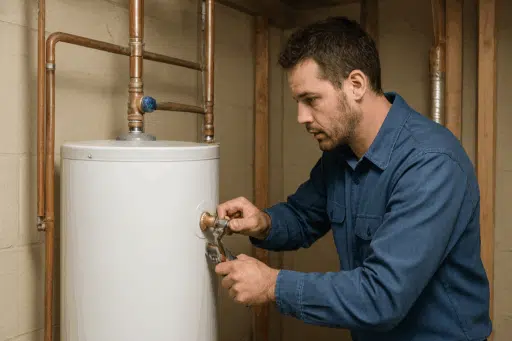
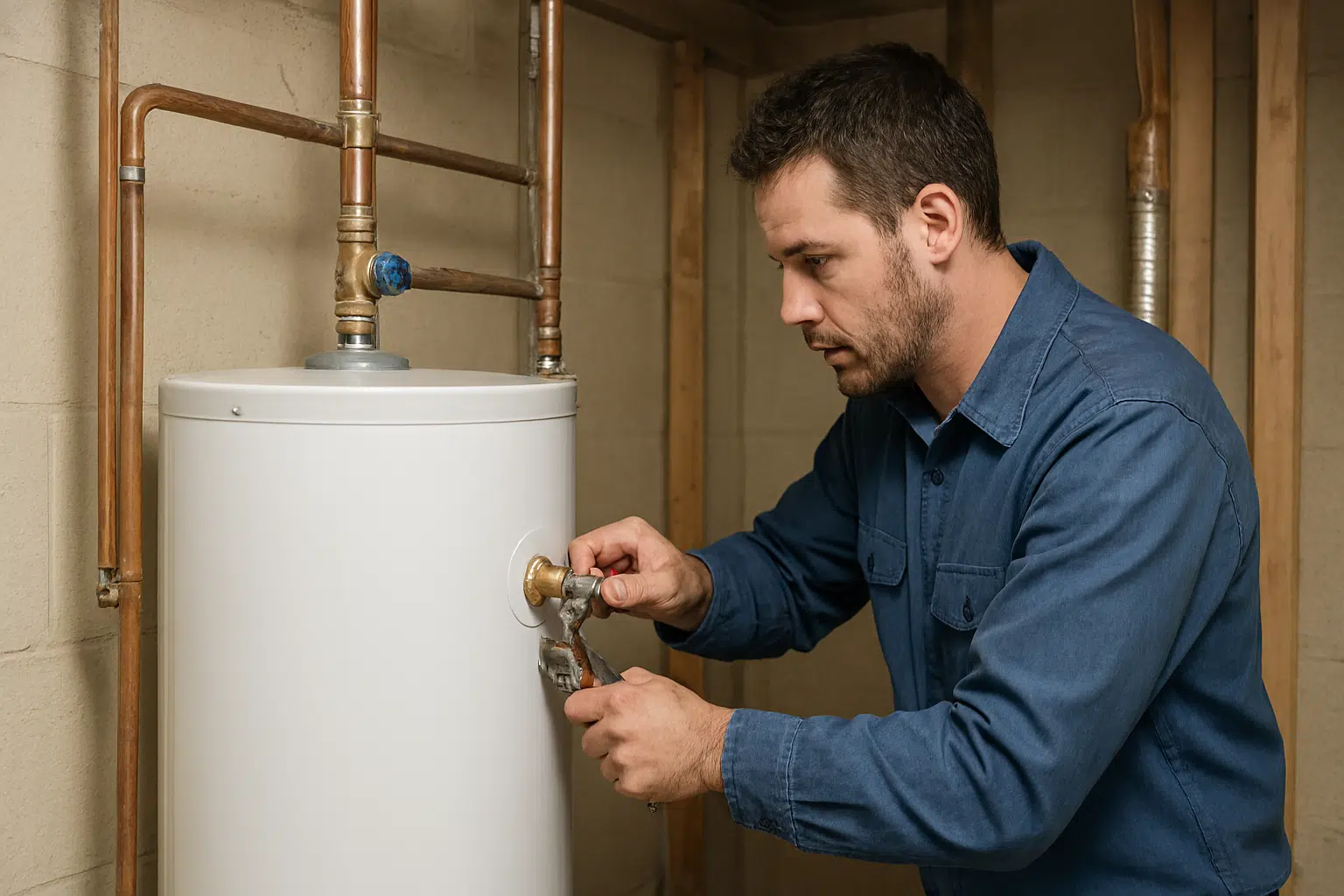

The most frequent water heater installation mistakes involve improper sizing, incorrect placement, faulty connections, and neglecting safety guidelines. These errors often occur when homeowners attempt DIY installations without fully understanding manufacturer instructions or local building codes. Immediately after this, it’s important to highlight that avoiding these mistakes not only protects the equipment but also safeguards the household from potential risks.
Mistake 1: Choosing the Wrong Size Water Heater
One of the most overlooked water heater installation errors is selecting a unit that doesn’t match household demand. An undersized heater leaves families frustrated with insufficient hot water, while an oversized unit wastes energy and increases utility bills. Proper sizing requires evaluating the number of occupants, daily water usage, and peak demand. Professional installers often use sizing charts and manufacturer recommendations to ensure the right fit.
Mistake 2: Improper Placement and Venting
Placing a water heater in the wrong location can cause ventilation issues, obstruct access, or even violate safety codes. Gas water heaters, in particular, require adequate airflow to prevent carbon monoxide buildup. Venting errors are among the most dangerous water heater safety guidelines violations, as they can lead to health hazards. Homeowners should ensure the installation site allows for maintenance access and complies with local regulations.
Mistake 3: Incorrect Pipe Connections
Faulty pipe connections are another common problem. Cross-threaded fittings, loose joints, or improper sealing can result in leaks and water damage. In some cases, incorrect connections also reduce water pressure or cause temperature fluctuations. Professional plumbers emphasize the importance of using the right materials, such as Teflon tape and approved fittings, to maintain system integrity. For reliable service, homeowners can explore Water Heater Installation Services in San Marcos, TX, to ensure proper setup.
Mistake 4: Ignoring the Pressure Relief Valve
The pressure relief valve is a critical safety component, yet many homeowners either install it incorrectly or fail to test it regularly. A malfunctioning valve can lead to dangerous pressure buildup, risking tank rupture. Following water heater safety guidelines ensures this valve is properly installed and maintained. Regular inspection helps prevent catastrophic failures and extends the system’s lifespan.
Mistake 5: Skipping Professional Assistance
While DIY projects may save money upfront, water heater installation is not a task to take lightly. Improper installation can void warranties, reduce efficiency, and create safety hazards. Professional installers understand local codes, manufacturer requirements, and best practices. Homeowners who rely on experts avoid costly mistakes and enjoy peace of mind knowing their system is safe and efficient.
Conclusion
Avoiding these top five water heater installation mistakes helps homeowners achieve a safe, efficient, and long-lasting system. Proper sizing, correct placement, secure connections, valve maintenance, and professional assistance are essential steps in the process. By following proven water heater installation tips and adhering to water heater safety guidelines, homeowners can protect their investment and ensure reliable hot water for years to come. For expert assistance, many homeowners rely on Woods Comfort Systems to deliver trusted installation and service.
FAQs (Frequently Asked Questions)
1. How long does it take to install a water heater?
Most installations take between 2–4 hours, depending on the type of unit and complexity of the setup.
2. Can homeowners install a water heater themselves?
While possible, DIY installation often leads to water heater installation errors. Professional installation is recommended for safety and compliance.
3. What safety precautions should be followed during installation?
Always shut off water and power supplies, ensure proper ventilation, and test the pressure relief valve as part of water heater safety guidelines.
4. How often should a water heater be inspected after installation?
Annual inspections are recommended to check for leaks, corrosion, and valve functionality, ensuring long-term reliability.
5. What is the average lifespan of a water heater?
Traditional tank models last 8–12 years, while tankless units can last up to 20 years with proper maintenance.

Holding a Master’s in Construction Management from Purdue University, William Ray has dedicated more than two decades to studying and applying construction principles. His professional journey includes a tenure with a prominent construction firm, where he specialized in project management and building technologies. William brought his knowledge to our team, providing in-depth insights into practical construction techniques. As the leader of our beginner’s guide to building since 2019, he has a knack for breaking down intricate processes into easily digestible content. When not involved in writing or onsite consultations, William enjoys woodworking and volunteering in community building projects, which aligns with his passion for hands-on construction and community service.