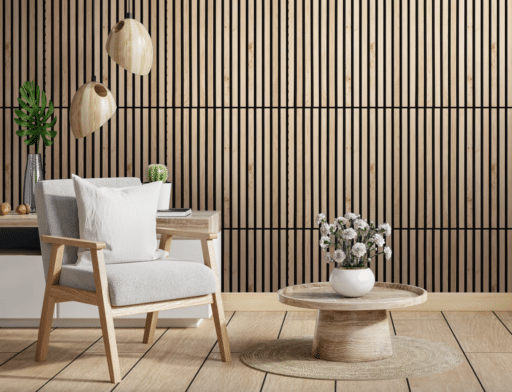
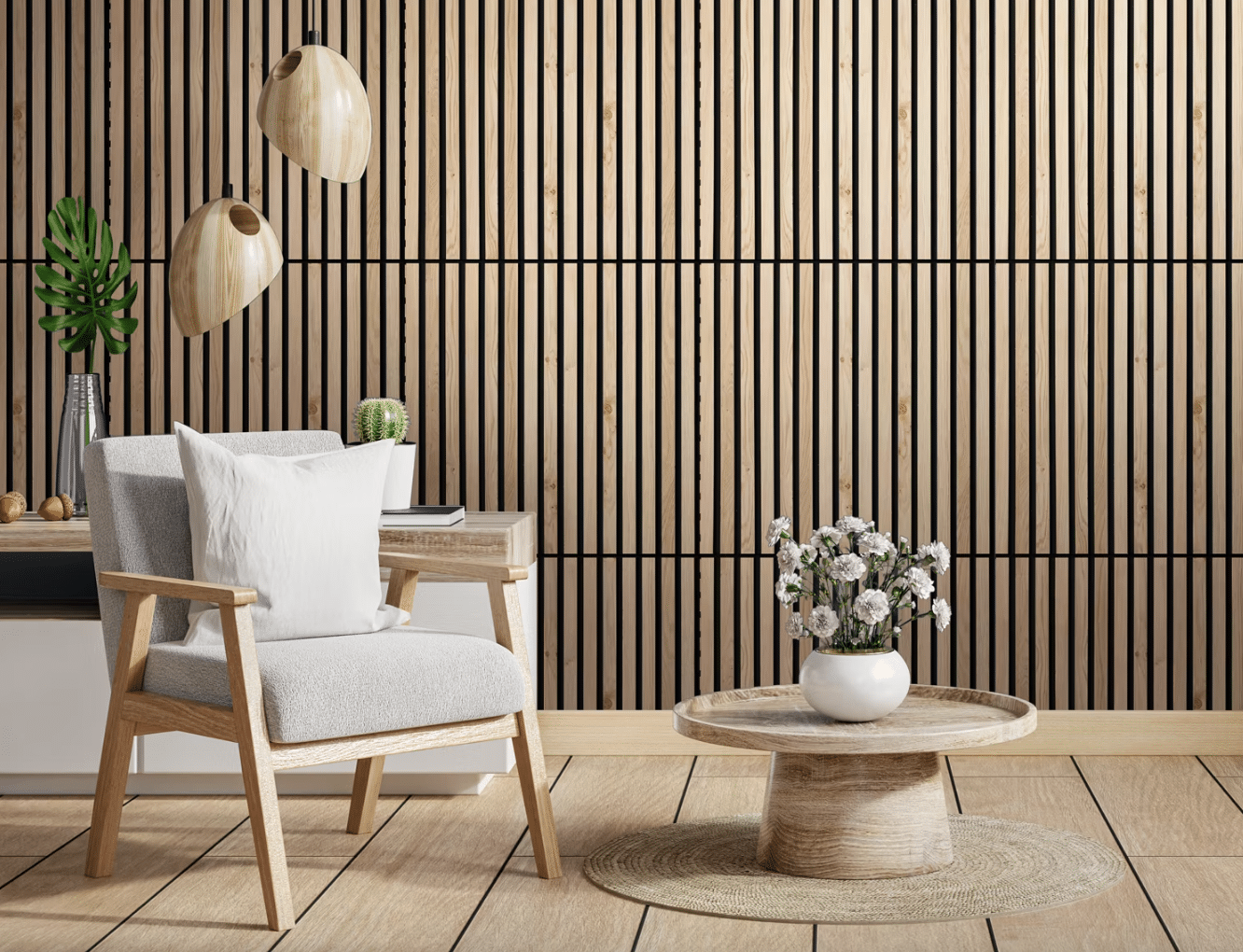

There is a quiet design revolution underway, and it does not start with glossy marble or futuristic composites. It starts with something far more familiar: wood. In homes, offices and creative spaces, designers return to tactile, warm materials that soften hard lines and digital overstimulation. At the center of this shift stands a humble yet transformative element: the wood panel.
Once dismissed as a relic of dated basements and retro cabins, panels have been reborn as a refined, architectural tool. Clean lines, acoustic benefits and subtle textures turn them into a bridge between minimalism and warmth. Instead of fighting for attention, they frame it, guiding the eye and calming a room in ways paint and plaster rarely achieve.
In many contemporary projects, the first design decision is not the sofa or the color of the rug, but how to treat the walls and ceilings. A well-chosen wood panel system sets the tone for everything else: lighting, furniture, even how sound moves through the space. It is no longer just cladding; it is a structural part of the atmosphere.
From flat walls to character-rich surfaces
Most modern buildings start as white boxes. Smooth plaster, sharp corners and uniform surfaces may look clean, but they often feel sterile. Wood panels introduce depth and rhythm. Vertical slats stretch a room, making ceilings feel higher. Horizontal lines widen narrow corridors. Geometric patterns break up large walls without screaming for attention.
The magic lies in how panels manipulate light and shadow. During the day, sunlight grazes the grooves and grains, creating a living surface that changes from morning to evening. At night, targeted lighting can turn a paneled wall into a quiet backdrop or a dramatic focal point, depending on the mood. This dynamic quality gives even small apartments a sense of narrative, as if the room has different chapters throughout the day.
Texture plays a psychological role as well. Humans instinctively respond to materials that show subtle imperfection: knots, lines and tonal variations. These details remind us of nature and time, even in the middle of a dense city. Where a flat painted wall feels finished and fixed, a paneled surface feels like it has a story and a future.
Sound, stress and the unexpected power of acoustics
One of the least discussed but most appreciated benefits of wood panel solutions is their impact on sound. Hard surfaces bounce noise around, creating echo and fatigue. In open-plan offices, restaurants and home studios, that echo translates into stress and distraction.
Many modern panel systems integrate acoustic felt or perforations behind the visible slats. This combination absorbs and diffuses sound rather than reflecting it. Conversations become clearer, background noise fades and the overall impression is one of calm focus. People may not immediately notice the panels, but they often comment that a room “feels comfortable” or “less noisy” without knowing why.
In home settings, this matters just as much. Think of a living room where streaming, gaming, cooking and remote work all happen at once. A paneled ceiling or a single feature wall behind the TV can significantly reduce harsh reverberation. The result is not only better sound for movies or music, but also less fatigue after a long day.
Sustainability and the ethics of atmosphere
The renewed love for wood also reflects a broader shift toward conscious materials. When sourced responsibly, timber becomes a renewable, low-impact choice compared to many synthetic alternatives. Designers increasingly ask where materials come from, how they age and whether they can be repaired or repurposed.
Panels fit neatly into this mindset. Instead of demolishing walls during a renovation, you add a layer that upgrades both function and aesthetics. If tastes change, panels are often easier to replace than tiles or heavy masonry finishes. Some systems even allow individual slats to be swapped out, extending the life of the installation and reducing waste.
There is also an emotional dimension to sustainability. Spaces that feel cared for and thoughtfully designed tend to be cherished longer. People are less likely to rip everything out every few years when a room already feels timeless and grounded. Wood, with its natural patina and ability to age gracefully, supports that longer horizon.
From Nordic calm to bold creative statements
The current wave of panel design draws heavily on Nordic and Japanese influences: simplicity, clarity and a focus on honest materials. Light oak or ash, arranged in clean vertical lines, creates a sense of airiness and calm. This suits bedrooms, meditation corners and reading nooks, where the goal is to slow down and breathe.
But panels do not have to be neutral or reserved. Dark-stained timber can turn a hallway into a cinematic passage, especially when paired with low, warm lighting. In creative studios, mixing panel formats and tones can echo the energy of the work done there. Even small details, like a paneled niche around a desk or a headboard that extends across the wall, inject character without overwhelming the space.
What unites these approaches is intention. Panels are no longer thrown up as a quick fix; they are chosen to express a mood. Calm, focused, dramatic, cocooning: the same basic material bends to each of these purposes with ease.
Living with wood: Practicalities and everyday rituals
Beyond aesthetics, daily life with panels is surprisingly low maintenance. Dust tends to settle in the same way it does on any surface, and a soft cloth or vacuum with a brush attachment usually suffices. Unlike fragile wallpapers or high-gloss paints, minor scuffs on wood often blend into the grain or can be gently sanded and oiled.
There is also a ritual aspect. Some homeowners choose to oil or treat their panels periodically, turning maintenance into a quiet, hands-on moment of care for their environment. That small act reinforces the sense of connection to the space. It is no longer just a backdrop; it becomes something you tend and live with.
For renters or those wary of permanent changes, modular panel systems open new possibilities. Freestanding partitions, headboard installations or partial wall covers allow experimentation without committing to full renovation. In that way, panels become a tool for personal expression, as flexible as furniture but with the visual impact of architecture.
A material that listens as much as it speaks
In an age of constant visual noise, the most successful interiors are often those that feel composed rather than crowded. Wood panels contribute to that balance by doing something rare: they shape a room without shouting for attention. They listen to light, sound and movement, then quietly respond.
Whether used in a compact city apartment, a rural retreat or a busy office, the right panel installation changes how people move, talk and rest. It frames daily life with warmth and structure, reminding us that thoughtful design starts not with decoration, but with the surfaces that surround us every day.

Tommy Hardy, an alumnus of the Georgia Institute of Technology with a degree in Mechanical Engineering, has been a go-to figure in residential upkeep and innovation for over 18 years. His career commenced in a leading home appliance manufacturing company, where he mastered the intricacies of household systems. Joining our platform in 2020, Tommy quickly became a reader favorite for his practical and easy-to-follow guides. He took the helm of our DIY section in 2019, consistently delivering content that empowers homeowners. Beyond his professional pursuits, Tommy is a passionate gardener and enjoys woodworking, skills enhancing his hands-on approach to home care.