
Home repairs have a way of appearing at the most inconvenient moments: right before a weekend trip, during a busy workweek, or just as you think everything is finally running smoothly. A leaking pipe, a jammed door, or an appliance that suddenly stops working can send your plans and your budget spiraling.
But while you can’t predict when these issues will strike, you can build a strategy that keeps you ready for whatever surprises your home sends your way. With thoughtful preparation and a few practical habits, unexpected repairs don’t need to be overwhelming or financially draining.
Build a Repair Game Plan Before You Need One
Every homeowner benefits from having a structured plan for handling repairs, even minor ones. A repair game plan keeps you grounded when something suddenly breaks, helping you respond with clarity instead of panic.
Start by listing out the most common areas where issues tend to arise, such as plumbing, light fixtures, exterior hardware, or appliances. Evaluate what each repair actually involves and decide whether it’s a DIY job or one that requires a licensed professional.
A simple decision-making process also helps. When you already know your first steps, you’re less likely to jump into costly fixes. For example, identifying whether a leak is coming from a loose connection versus a damaged pipe lets you determine how urgent the issue truly is. A calm, organized plan saves both time and money.
Set Up a Dedicated Home Repair Fund
One of the most effective ways to prevent home repairs from damaging your financial stability is to create a separate fund specifically for maintenance and emergencies. Even small, regular contributions build up quickly and create a buffer that softens the impact of unexpected costs.
Many homeowners treat this fund the same way they treat essential household expenses, adding a modest amount monthly so the account slowly grows in the background. Whenever you receive unexpected income (perhaps from a refund, rebate, or seasonal payout) adding a portion to your repair fund can significantly boost its usefulness.
The goal isn’t to create a massive pool of money overnight. Instead, you’re aiming for steady growth that gives you confidence each time a surprise problem appears. Having even part of the repair cost covered relieves pressure and helps you stay closer to your monthly budget.
Use Smart DIY for the Fixes You Can Handle Safely

Being ready to handle minor repairs yourself can make a real dent in overall maintenance costs. Not every issue requires a professional, and learning a few basic repair skills allows you to fix minor problems before they evolve into larger ones.
Simple tasks like tightening loose fixtures, painting a wall, or unclogging drains can be done quickly and safely with a little practice. Of course, it’s crucial to know your limits. Anything involving complicated electrical work, plumbing behind walls, or structural changes should always be handled by a licensed expert.
For surface-level fixes, confident DIY habits can save real time and money. But when a repair grows beyond what your emergency fund can reasonably handle, some homeowners look into reputable financial options to bridge the gap. Resources like CreditNinja.com provide information on personal loan choices that may help cover unexpected repair costs when the price tag suddenly climbs higher than planned.
Get Multiple Quotes Before You Commit
When something breaks, the natural instinct is to call the first repair service you can find and get the issue fixed immediately. But speed often leads to unnecessary overspending. Taking a little time to gather multiple quotes from qualified professionals gives you a clearer sense of what the repair should actually cost. Even a quick comparison helps you avoid inflated prices or rushed decisions.
Requesting detailed breakdowns of labor, materials, and timeline estimates ensures you fully understand where your money is going. You’ll often find that two companies may quote the same overall price but differ significantly in what they provide.
A clear comparison helps you choose not just the most affordable option but the one that delivers the best long-term value. Rushing into repairs without researching alternatives can create bigger problems later, especially if the work isn’t done correctly.
Know When Temporary Fixes Can Save You Money
Not every home repair demands an immediate full solution. Sometimes a safe, temporary fix allows you to keep things stable until you can invest in a permanent repair. These short-term measures are especially helpful when the necessary work is costly or when scheduling a professional takes time.
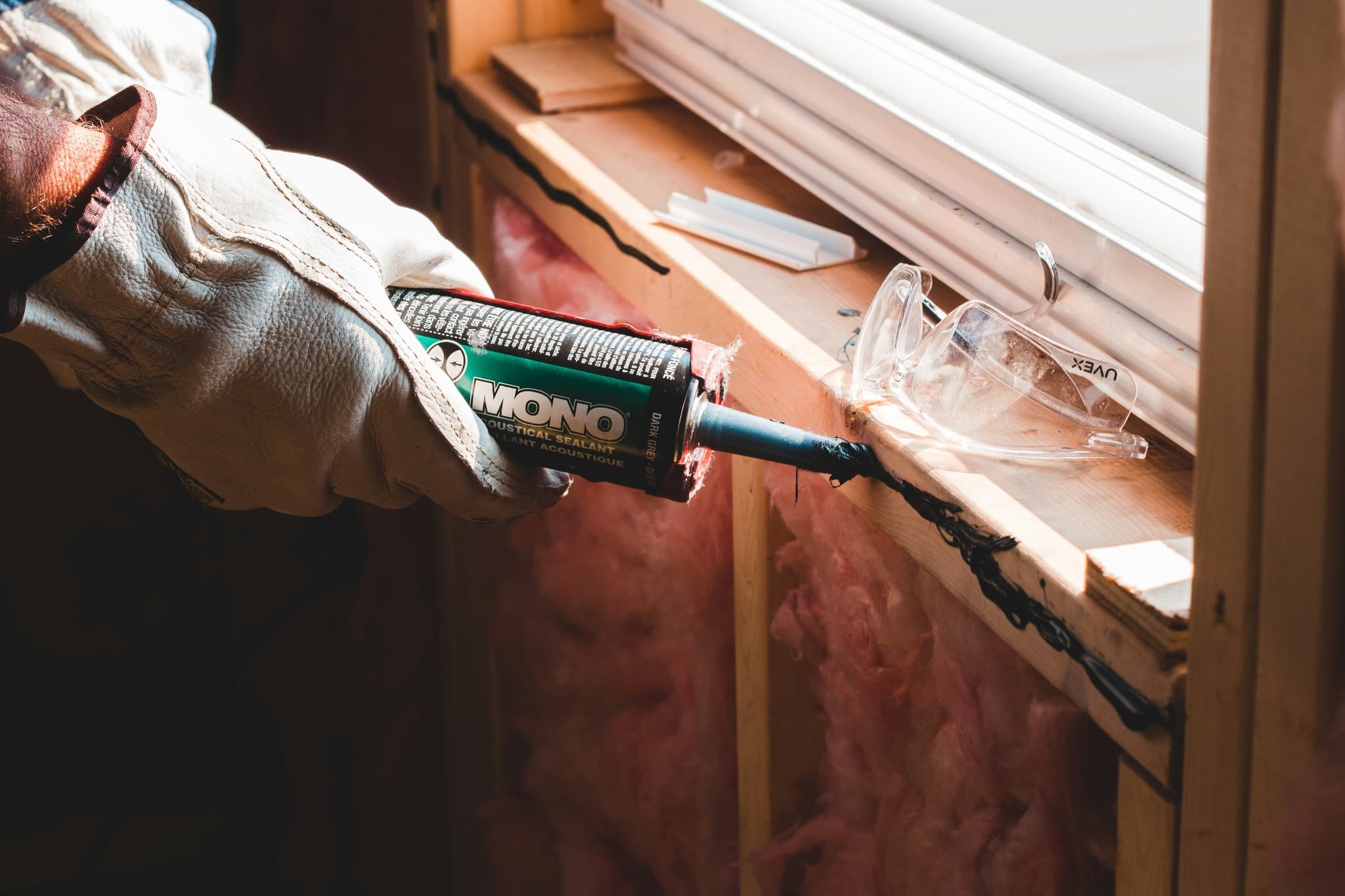
A practical example is using pipe tape to manage a slow leak until a plumber can complete a full replacement. Similarly, reinforcing a loose cabinet door or sealing a drafty window frame can delay the need for complete repairs until you’re financially ready.
Temporary fixes are not meant to replace proper repairs, but they do offer breathing room. They keep your home functional and safe while giving you time to compare prices, gather supplies, or wait for an appointment that fits your budget.
Leverage Maintenance to Prevent Future Costs
Regular maintenance is the secret weapon that keeps home repair costs manageable. Many expensive emergencies begin as small, unnoticed issues that grow over time.
Consistent upkeep helps you catch warning signs early and address them before they escalate. It’s far more affordable to clean out a gutter than to repair water damage, and far cheaper to tighten a faucet connection than to replace a cabinet ruined by slow, unnoticed leaks.
Routine maintenance tasks also extend the lifespan of important household components. Checking appliances for unusual sounds, inspecting plumbing monthly, and making sure safety devices work properly all contribute to a healthier, more reliable home. Prioritizing maintenance might not feel urgent, but it eliminates many of the surprise expenses that disrupt budgets and cause unnecessary stress.
A Better Approach to Unexpected Home Repairs
Unexpected repairs are part of homeownership, but they don’t have to become financial emergencies. By building a reliable game plan, keeping a dedicated repair fund, learning manageable DIY skills, comparing repair services, using temporary fixes when appropriate, and maintaining your home regularly, you create a system that absorbs surprises gracefully.
These steps give you more control over your home, your budget, and your peace of mind. With the right habits, even the most unexpected repair becomes just another task—not a crisis.

Holding a Master’s in Construction Management from Purdue University, William Ray has dedicated more than two decades to studying and applying construction principles. His professional journey includes a tenure with a prominent construction firm, where he specialized in project management and building technologies. William brought his knowledge to our team, providing in-depth insights into practical construction techniques. As the leader of our beginner’s guide to building since 2019, he has a knack for breaking down intricate processes into easily digestible content. When not involved in writing or onsite consultations, William enjoys woodworking and volunteering in community building projects, which aligns with his passion for hands-on construction and community service.