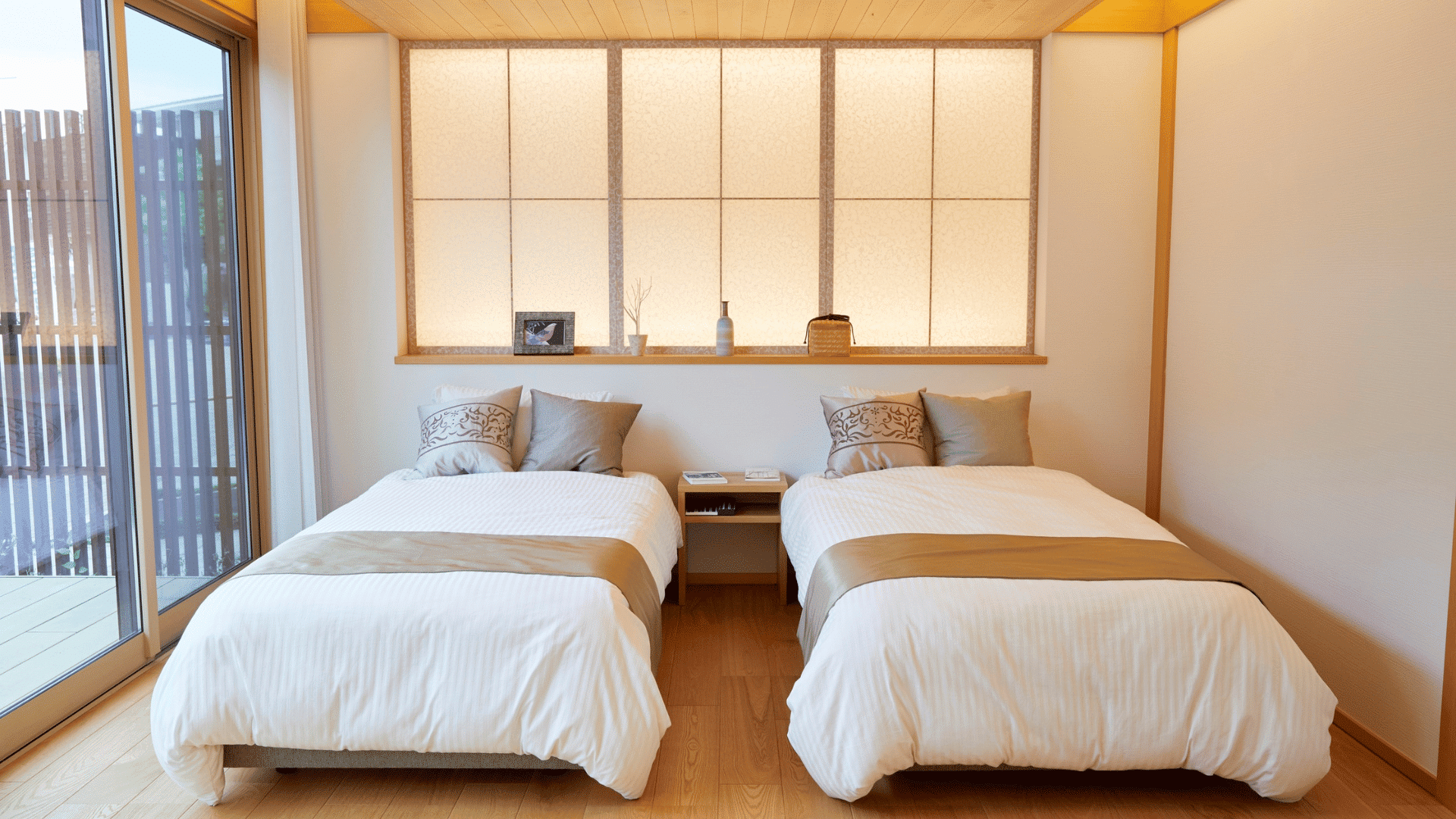

A twin bed is one of the most flexible choices you can add to a small room. I like it because it gives you enough sleeping space without crowding the area you use every day.
It also works for different needs, whether you’re setting up a child’s room, planning a guest space, or trying to fit furniture in a tight layout.
Today, I’ll show you how the size works, how much room you need, and how to pick the right mattress for daily comfort.
You’ll also learn how it compares to other bed sizes so you can plan your space with confidence. Let’s start with the basics.
What is a Twin Bed?
A twin bed is made for one person and works well in small rooms. It gives you enough space to sleep without taking up much floor space.
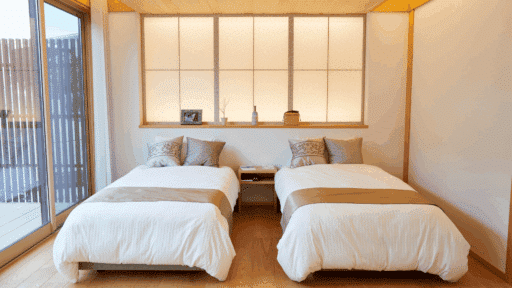
People use twin beds in kids’ rooms, small bedrooms, bunk beds, and daybeds. These uses make the twin size a common choice in many homes.
The size of the bed also affects how the room feels. It helps you plan where to place furniture and how much open space you’ll have.
Standard Width of a Twin Bed
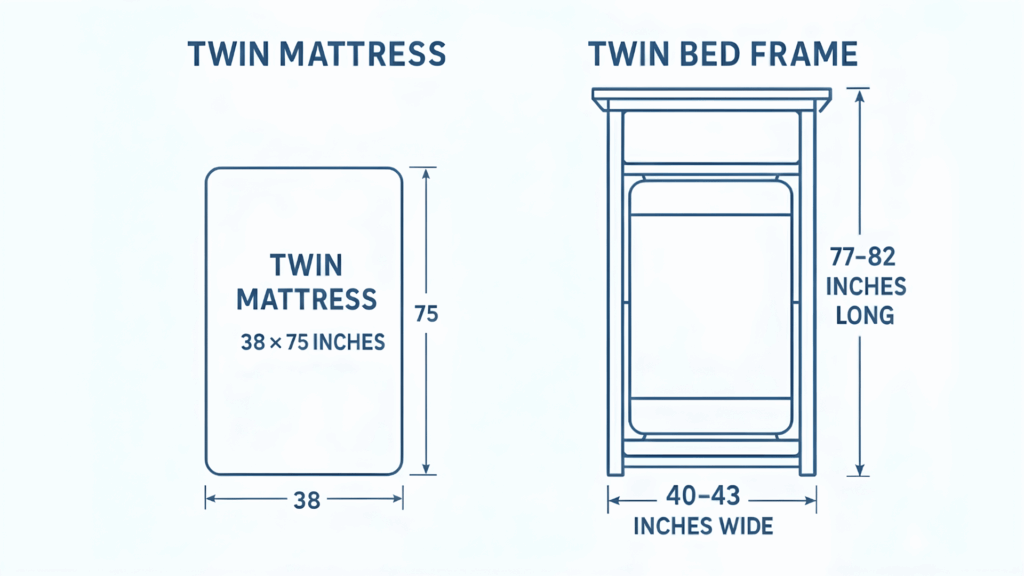
This gives you the exact measurements of a twin bed. These numbers help you plan your room without guessing.
Twin Mattress Width and Length
A standard twin mattress is 38 inches wide and 75 inches long. Some brands list the width as 39 inches, so it’s good to double-check.
In centimeters, a twin mattress measures 96.5 cm by 190.5 cm. In feet, it measures 3.17 ft by 6.25 ft.
These small size changes happen because companies measure foam, fabric, or edges differently. That’s why you may see small variations in listed sizes.
Mattress vs. Bed Frame Dimensions
A bed frame is always larger than the mattress. Most twin frames measure 40 to 43 inches wide and 77 to 82 inches long.
The added inches come from the frame’s style, edges, and legs. These measurements matter when placing the bed near a wall, closet, or doorway.
When you measure ahead of time, you avoid surprises and make sure the twin bed fits your space comfortably.
Twin Bed Size Variations
Twin beds come in a few size variations, and these changes mostly affect the length. This table makes it easy to compare the most common options side by side.
| Type | Frame Width (inches) | Frame Length (inches) | Notes |
|---|---|---|---|
| Twin Bed Frame | 40–43 in | 77–82 in | The frame extends beyond the mattress due to the rails and design. |
| Twin XL Bed Frame | 40–43 in | 82–87 in | Same width as a twin, 5 extra inches of mattress length + frame extension. |
| Single Bed Frame (US) | 40–43 in | 77–82 in | Same frame size as a twin in the U.S. |
These sizes help you choose the right length based on the sleeper’s height and room space. Pick the one that fits your needs without taking more width than necessary.
Twin vs. Full Comparison
When you’re choosing between a twin and a full bed, the main difference is the width. A full bed gives you more space, but it also takes up more of the room.
A twin mattress is 38 inches wide, while a full mattress is 54 inches wide. That’s a 16-inch difference, and it can change how the room feels.
A twin bed works well if you want more open space or if the room is small. A full bed feels better for spreading out, but it needs more floor area.
Here’s a simple way to decide:
- Choose a twin if you’re setting up a small room or don’t need extra sleeping space.
- Choose a full if you want more room to move, or if the bed will be used by a teen or adult who needs extra width.
Both sizes have the same length, so the choice mostly comes down to how wide you want the bed to be and the layout of your room.
International Bed Size Comparison Table
| Region | Name | Width (inches) | Length (inches) | Metric Size | Notes |
|---|---|---|---|---|---|
| United States | Twin | 38 in | 75 in | 96.5 × 190.5 cm | Standard U.S. size |
| United Kingdom | Single | 36 in | 75 in | 90 × 190 cm | Slightly narrower than U.S. twin |
| United Kingdom | Small Single | 30 in | 75 in | 76 × 190 cm | Used for tight spaces and kid beds |
| Europe | EU Single | 35 in | 79 in | 90 × 200 cm | Longer than U.S. twin |
| Australia | Single | 36 in | 74 in | 92 × 188 cm | Similar width, slightly shorter |
Room Space Needed for a Twin Bed
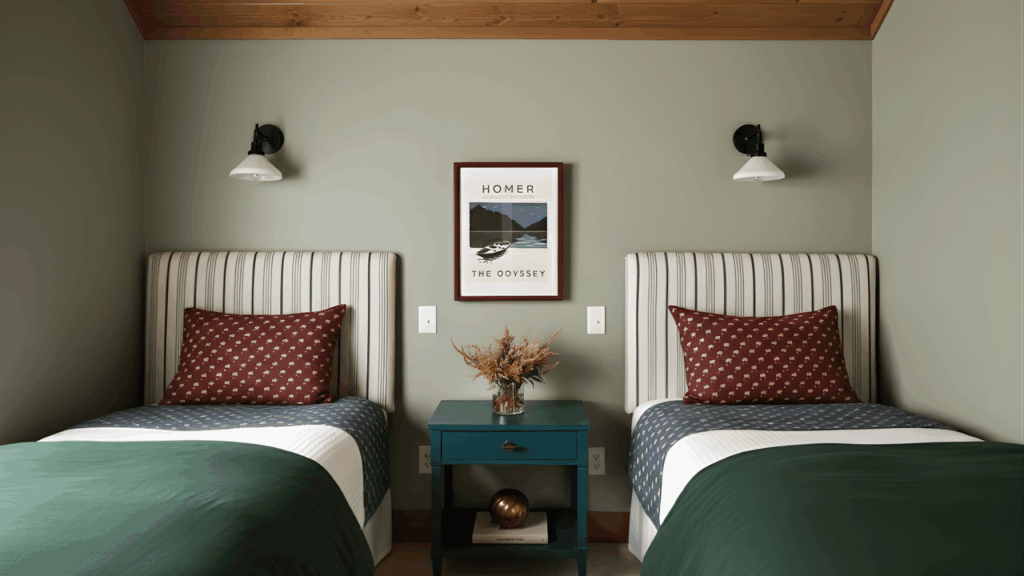
Room size matters when you choose a twin bed. The right measurements help your room feel open instead of cramped.
Minimum Room Size Requirements
You need enough space to walk around the bed and open doors or drawers. A twin bed is flexible, but the room still needs some clear floor area.
- A twin bed works best in rooms around 7 × 10 feet or larger.
- If you want extra furniture, aim for 8 × 10 feet or more.
- Keep 24–30 inches of open space on at least one long side of the bed.
- Try to keep about 24 inches at the foot if it is used as a walkway.
These numbers are not strict rules, but they are safe starting points. Measuring your room first will help you see what fits comfortably.
If your room is smaller than 7 × 10 feet, you will need to plan more carefully. In that case, where you place the bed makes a big difference to how the room feels.
Layout Tips for Small Rooms
Before you place the bed, think about your door, closet, and window. You want to avoid blocking anything you need to use every day. Focus on where to put the bed and how to keep open space.
- Place the head of the bed against the longest wall in the room.
- Keep one long side open so it is easy to get in and out of bed.
- Avoid putting the bed where it blocks the door swing or closet doors.
- Use slim nightstands or shelves instead of deep, bulky furniture.
- Use the area under the bed for storage to free up floor space.
These simple choices can make a small room feel easier to move in. With a twin bed, you can often fit storage and walking space without the room feeling packed.
Mattress Thickness and Comfort Guidance
Mattress thickness changes how a twin bed feels, and it also affects how it fits in your room.
Most twin mattresses are 6 to 12 inches thick. Thinner options work well for kids, bunk beds, and daybeds. Thicker mattresses feel softer and more supportive, which helps older children and adults sleep better.
For bunk beds, always check the maximum mattress height. Many bunk beds need mattresses 5 to 8 inches thick so the top sleeper stays safely below the guardrail.
For everyday comfort, adults usually prefer a mattress 10 to 12 inches thick, while kids often sleep well on a mattress 6 to 8 inches thick.
A thicker mattress can sit higher on the frame, so think about how tall you want the bed to feel and how easy it is to get in and out.
How to Choose a Twin Bed Mattress
When you buy a twin mattress, consider:
- Size (width × length): Standard twin mattresses are about 38 inches wide × 75 inches long.
- Mattress type: Memory foam, hybrid, or innerspring. Each feels different.
- Firmness & comfort: Match the firmness to how you sleep.
- Durability: Look for strong materials that keep their shape over time.
- Sleep style & body type: Side sleepers usually prefer medium or medium-soft. Back sleepers often need medium-firm. Stomach sleepers do best with firm support.
- Made in USA: Many shoppers prefer U.S.-assembled options for quality and fast delivery.
- Sleep trial / return policy: A trial period helps you decide if the mattress feels right.
Top 3 USA-Based Mattress Brands
Here are three trusted U.S.-based mattress companies that sell twin mattresses and are known for strong build quality and reliable performance:
| Brand | Why It’s a Great Option |
|---|---|
| Helix Sleep | 100% made in the USA. Offers hybrid and foam options designed for different sleep styles. |
| Saatva | Known for luxury innerspring and hybrid mattresses with strong support and long-lasting materials. |
| Nolah Sleep | Delivers excellent pressure relief and cooling features, ideal for side sleepers and kids’ beds. |
How Twin Bed Dimensions Fit Different Needs
- For kids: A twin bed gives kids enough space to sleep while leaving more floor space for toys, storage, and play.
- For adults: A twin bed can work for adults in small rooms. It’s best for single sleepers who don’t need extra width.
- For bunk beds: Most bunk bed frames are made for twin mattresses, so the size fits easily and saves space.
- For daybeds: Daybeds use twin mattresses to provide a full sleeping surface while taking up less space in the room.
Conclusion
A twin bed gives you a simple way to save space while still creating a comfortable place to sleep.
You now know how the size works, what room layout feels best, and how thickness and comfort can change the way the bed performs.
You also have a clear sense of how it compares to other options, so you can choose the setup that fits your room and your routine. As you plan your layout, think about what matters most for comfort and movement.
If you’re ready to create a setup that feels good and fits your space, start by measuring your room today.

With a Master’s in Architecture from the University of California, Berkeley, Mitchell Green has spent over two decades dedicated to the study and practical application of home fixture design. His career started in an architectural firm, providing him a strong foundation in the structural and aesthetic aspects of home interiors. Mitchell brought his comprehensive knowledge to our platform, where he has been an influential voice in our home fixtures and fittings section. Since 2018, he has been guiding our readers through the intricacies of selecting and installing fixtures, combining technical know-how with design flair. In his spare time, Mitchell is a keen photographer, capturing architectural details and design elements, an interest that complements his professional focus.