
When you want a wider view without changing the shape of your wall, mulled windows offer a simple way to get there. They join separate windows into one clean unit, giving the room a brighter and more open feel.
I like this setup because it balances style and function without adding extra bulk to the wall.
Today, you’ll learn how mulling works, why it differs from standard installation, and when factory work gives you better results.
You’ll also see the costs and the best ways to choose a layout that fits your space. Let’s start by looking at the basics.
What are Mulled Windows?
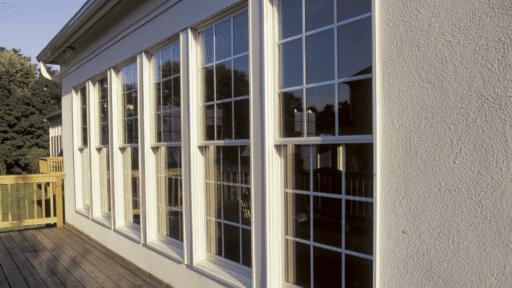
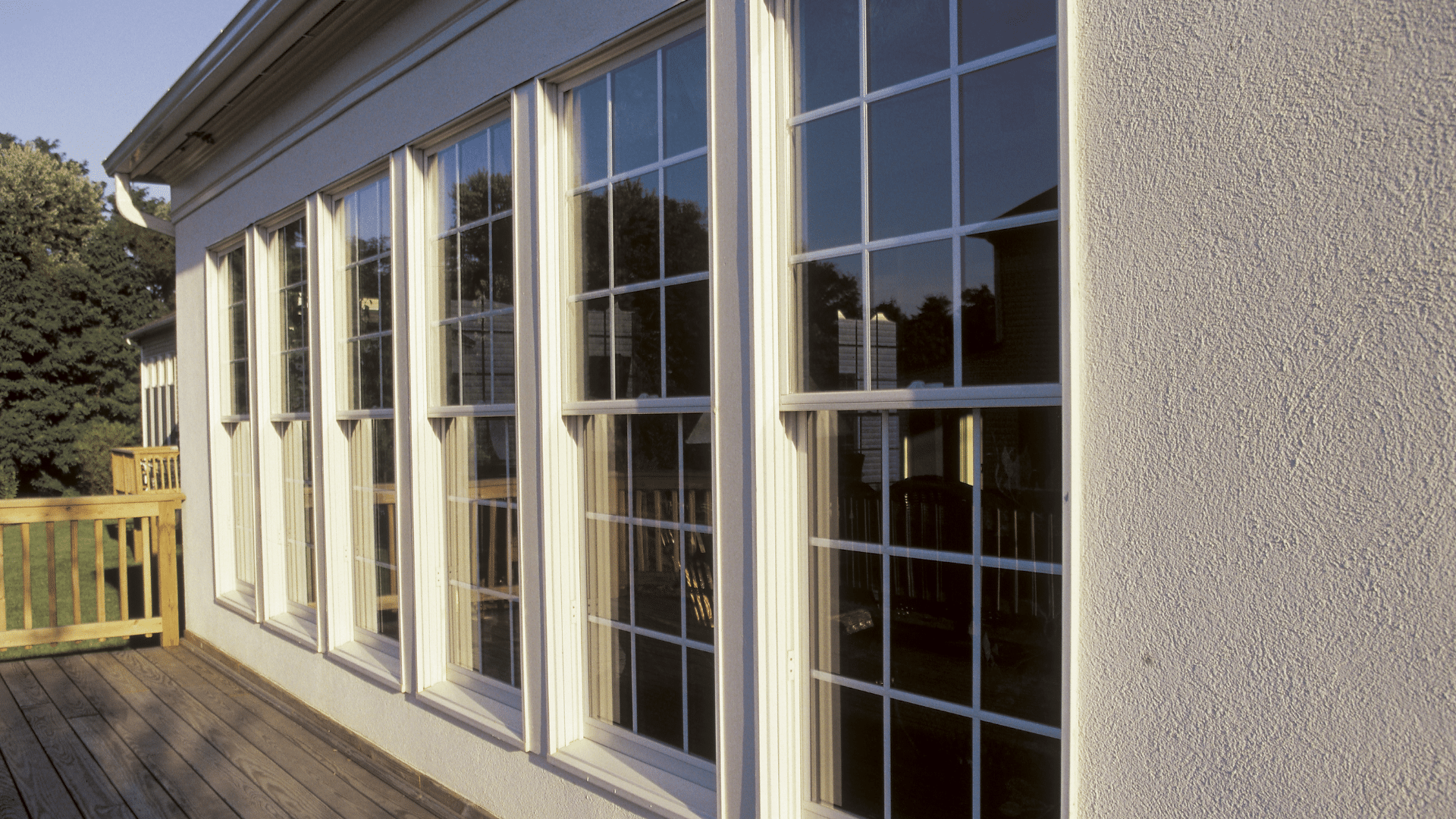
Mulled windows are windows that are joined together to form one larger unit. They share a stronger frame, so the whole set works as a single piece and looks like one big window.
A mulled window starts with two or more separate windows placed side by side. They are then connected using support parts that keep the frame firm and stable. This joined frame helps the windows handle weight, weather, and daily use without shifting.
Builders use mulled windows to create wider views and brighter rooms. They also use them to get a cleaner look because the joined windows appear smooth and uniform instead of broken into small sections.
How Mulling Differs from Standard Window Installation
Non-mulled windows are installed one by one as standalone units, and each window keeps its own frame. This means every unit sits in its own space without touching the others.
Mulled windows share a reinforced frame that holds all the window units together. This frame adds support and creates a connected look that feels like one larger window instead of separate pieces.
Factory-Mulled vs. Field-Mulled Windows
Factory-mulled windows are joined in a controlled setting where machines handle the alignment and sealing with precise tools.
This gives the window stronger joints, tighter sealing, and consistent quality because every unit is tested before it leaves the factory, and it usually keeps full warranty coverage.
Field-mulled windows are joined on the job site using manual tools, which makes the final result depend heavily on the installer’s skill.
Any small mistake in alignment or sealing can lead to gaps, leaks, or draft issues, and some warranties may be limited or void because the work is not done by the manufacturer.
Mulled Windows vs. Non-Mulled Windows
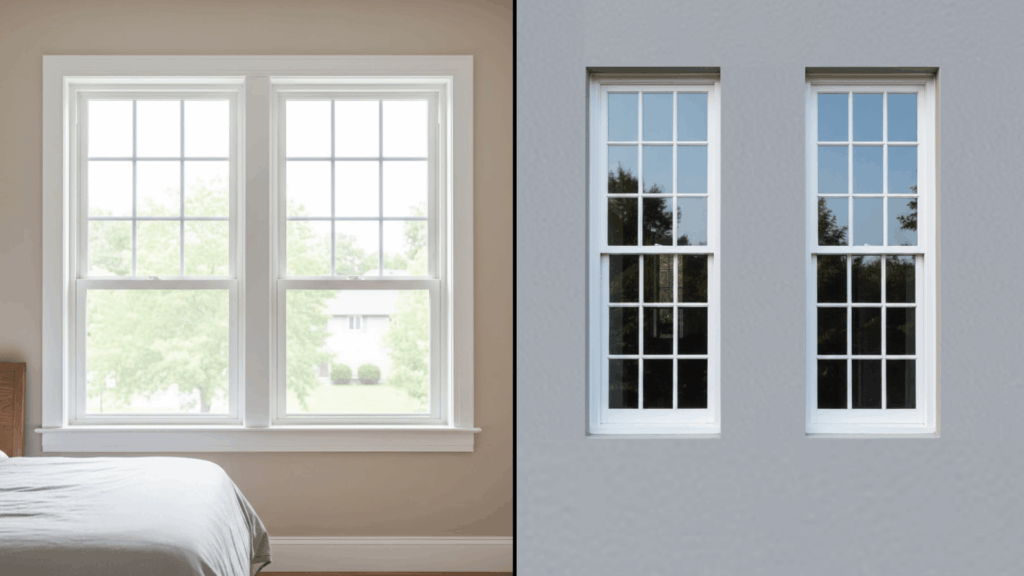
Homeowners compare mulled windows and non-mulled windows because each option offers a different look and level of strength. They also differ in how much light they bring in and how hard they are to install.
| Feature | Mulled Windows | Non-Mulled Windows |
|---|---|---|
| Look | One large, unified window with a smooth frame. | Separate windows with individual frames. |
| Strength | Reinforced joint adds support in wide openings. | Standard strength depends on each window’s frame. |
| Light | Brings in more natural light due to the larger opening. | Brings in less light because each window is separated. |
| Installation Difficulty | Harder to install and needs careful alignment. | Easier to install since each window goes in alone. |
| Durability | Strong when factory-mulled but risky if done on-site. | Consistent durability because each unit stands alone. |
| Maintenance | More care needed around the joint where windows meet. | Simple upkeep since windows do not share framing. |
| Customization | Allows creative layouts like wide sets or mixed styles. | Limited to single-window shapes and sizes. |
Both styles work well in different situations, so the right choice depends on your space, budget, and the look you want in your home.
Benefits of Mulled Windows
Mulled windows offer several helpful advantages that make a room brighter and more visually open. They also give you more control over the style and layout of your window design.
- More Natural Light: Mulled windows create a wider opening that lets in more daylight and gives the room a more open feel. They also improve outdoor views because fewer frames block your sightline.
- Cleaner, Unified Look: The joined frame creates a smooth and tidy appearance that works well with many home styles. This design helps the space feel balanced and visually connected.
- Custom Layout Options: You can mix window types to match your room’s needs, such as pairing picture windows with casements. This gives you the freedom to design a setup that fits your style and space.
- Great for Large Openings: Mulled windows work well in big wall spaces that need strong support and a seamless look. They are often used in living rooms, kitchens, and sunrooms to brighten the entire area.
These benefits make mulled windows a smart choice when you want more light, a cleaner design, or a custom layout that fits a wide space.
Drawbacks to Consider
- Higher Cost: Mulled windows cost more because they use extra materials and need careful assembly. They also require skilled labor, which adds to the total price.
- Structural Support Needs: Large mulled units may need added framing or reinforced support. This helps the wall handle the weight and keeps the window stable over time.
- Leak Risk If Done Incorrectly: A poor mull joint can let in air or water, especially if the seal is weak. This usually happens when field mulling is rushed or done without the right tools.
- Possible Warranty Issues: Some brands limit or void warranties on field-mulled windows. This happens because the manufacturer cannot control the quality of the on-site work.
- Energy Efficiency Concerns: More joints create more places where air can seep in if the sealing is not done well. Proper insulation and careful installation are key to avoiding this issue.
These drawbacks do not rule out mulled windows, but they do show why careful planning and skilled installation matter.
How Mulled Windows are Installed
Mulled windows need careful work so the joined frame stays strong and tightly sealed. The steps below show how installers prepare the windows, join the units, and protect the seam from leaks or movement.
Factory Mulling Process
Factory mulling is done in a controlled setting with precise tools for a strong, clean joint. The careful build gives the window better support and a smoother, more reliable finish.
- The sashes are removed to open the window frames for the mulling process.
- The interior nail fins are cut away so the two window units can sit flush.
- Any excess weld is trimmed to ensure a smooth connection point.
- An aluminum reinforcement insert is placed inside the mull channel for structural strength.
- A continuous bead of silicone is applied to create the main seal between the units.
- The two window frames are aligned, pressed together, and clamped to form a tight joint.
- Screws are pre-drilled and fastened through the mull area to secure the units.
- The open cavity at the bottom of the mull is filled with silicone to block water paths.
- Flashing tape is applied over the mull area for added moisture protection.
- Balance covers are snapped in to hide screws before the sashes are reinstalled.
For a visual walkthrough of the process, check out this factory mulling tutorial:
Field Mulling Process (Step-by-Step)
Here’s a simple overview of how the two window units are joined together in a field-mull setup:
Tools and Materials Required:
- Screw gun or drill/driver
- Utility knife
- Tin snips or cut-off tool (Milwaukee M12 used in video)
- 6′ level or straight edge
- Caulk gun
- Manufacturer’s mull kit
- Alignment pieces (top/bottom)
- Mull screws supplied in the kit
- Exterior-grade caulk
- Flashing tape
Step-by-Step Process:
- Gather the needed tools and kit parts: Lay out the mull kit components, your caulk, screw gun, cutting tool, and a straight edge so everything is within reach and you can confirm nothing is missing before starting.
- Remove the meeting flanges from both windows: Cut away the flanges on the sides that will touch using a utility knife, tin snips, or a cut-off tool, creating a clean, flat surface for the windows to join properly.
- Position the two window units together on the floor: Place both windows flat, facing the same direction, and align their edges so you can clearly see how the mull joint will come together before attaching any hardware or sealant.
- Dry-fit the alignment pieces from the kit: Test how the aluminum mull components sit against each frame, making sure you understand their orientation and contact points before applying caulk or driving any screws into the parts.
- Apply a generous bead of caulk to the alignment pieces: Run caulk in the grooves and contact faces of the mull parts, then secure them to each window side using the provided screws, creating a sealed and stable base for the joint.
- Press the two windows together and fasten the brackets: Bring the units together onto the caulked alignment pieces, check the faces for straightness with a level, and install the top and bottom brackets to lock the two frames into one assembly.
- Seal the finished mull joint with flashing tape: Apply flashing tape over the entire seam where the windows meet, covering the trimmed area completely to protect the joint from moisture before moving on to the final installation.
For an in-depth walkthrough of the process, go through the complete video tutorial below:
Signs of a Proper vs. Improper Mull
| Proper Mull | Improper Mull |
|---|---|
| Straight, even alignment | Crooked or uneven alignment |
| Tight seams with no visible gaps | Gaps between frames or loose edges |
| Strong, firm joint with no movement | Joint feels soft, loose, or flexible |
| Clean sealant lines with full coverage | Messy sealant or missing sealed areas |
| No drafts, leaks, or moisture marks | Early condensation, drafts, or water stains |
Cost of Mulled Windows
The cost of mulled windows can change based on the material, window style, and the size of the full unit.
The final price also depends on whether the windows are factory-milled or field-milled because labor needs are different. Most options stay within common ranges.
Vinyl vs. Wood: Vinyl mulled windows usually start around $950–$1,500 for common two- or three-wide units because the material is more affordable. Wood mulled windows often fall between $2,000 and $3,500+, since they require more expensive materials and finishing.
Double-Hung vs Casement: Double-hung mulled sets are generally mid-priced because they use standard hardware. Casement mulled sets are higher, often $1,600–$3,200+, due to stronger hinges and tighter sealing.
Labor Cost Differences: Installing mulled windows usually adds a few hundred dollars per opening, especially for field-mulled units. Factory-mulled units cost less to install because they arrive pre-joined and need less on-site work.
Factory-Mulled vs. Field-Mulled Cost Comparison
| Type | Typical Cost (Estimated) | Reason |
|---|---|---|
| Factory-Mulled Windows | About $950–$3,600+ per unit plus $200–$500 for installation per opening | Mulling is done in the factory, so less on-site labor is needed, and installation is simpler. |
| Field-Mulled Windows | Same base unit cost ($950–$3,600+), but often $300–$800 more per opening in extra labor | Extra on-site work to join, align, reinforce, and seal the units increases labor time and complexity. |
| Extra Adjustments or Repairs | Usually $150–$600+ depending on the issue | Fixing alignment, leaks, or sealing problems raises the final project cost. |
Factors That Increase Cost
- Custom Sizes: Custom widths or unique combinations cost more because they need extra parts and added assembly work.
- Additional Structural Work: Large mulled units may need stronger framing, which increases both labor time and material use.
- Permit Requirements: Some areas require permits for changing window sizes or altering wall openings, which adds fees and may require inspections.
Common Mulled Window Configurations
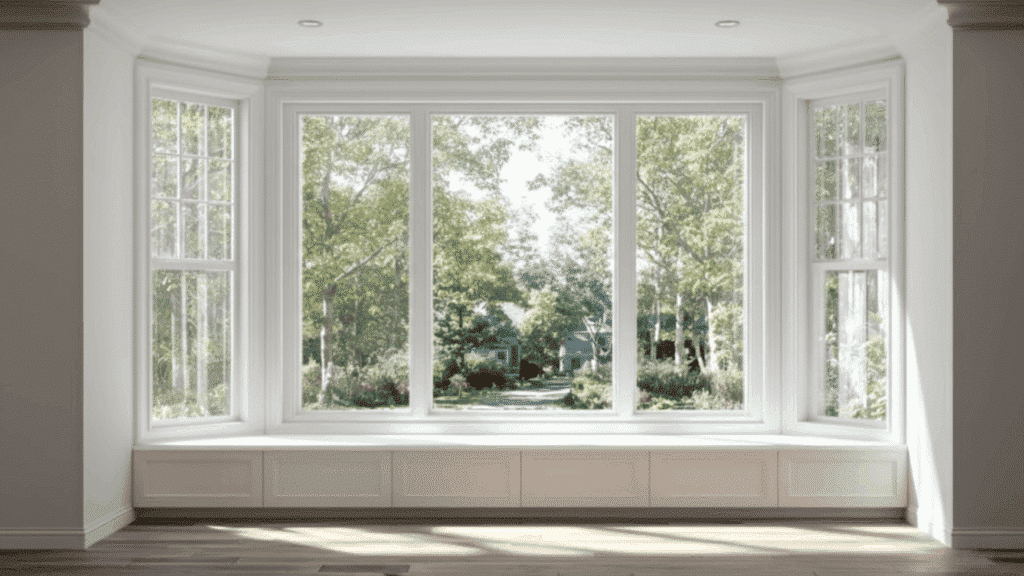
Mulled windows can be joined in many layouts, depending on the size of your wall and the style you want. They help create bright, open spaces by combining different window types into one clean unit.
1. Double-Hung + Double-Hung
A double-hung + double-hung setup joins two matching windows to create a wider and more balanced opening. This layout works well in bedrooms, dining rooms, or any space that needs airflow from both sashes.
This configuration also keeps installation simple because the frames line up easily and the design looks uniform once installed. It gives the home a neat and traditional style while letting in more light.
2. Picture Window + Casements
A picture window with casements uses a fixed center window for a clear view and operable side windows for airflow. This design is popular for living rooms and kitchens where you want both scenery and ventilation.
The large center glass opens the room visually, while the casements bring in fresh air whenever needed. This mix keeps the look modern and adds function without making the wall look crowded.
3. Three-Wide Mulled Window Sets
A three-wide mulled set joins three windows to brighten larger wall openings and create a wide viewing area. This layout is often used in living rooms, sunrooms, and open spaces where natural light matters.
Because the frame spans a bigger section of the wall, the room feels more open and connected to the outdoors. This setup also allows you to mix window types if you want both airflow and a clear center view.
4. Bow/Bay vs. Mulled Windows
Bow and bay windows project outward from the wall, creating a small ledge or seating area inside. This design adds character and extra space, but it costs more and needs deeper framing.
Mulled windows stay flat against the wall and create a wide, seamless opening without changing the home’s exterior shape. This makes them easier to install, more affordable, and great for modern, clean-lined designs.
Energy Efficiency & Performance
- More Joints Can Mean More Air Leakage: Mulled windows have extra seams that can allow air to slip through if they are not sealed correctly. Proper mulling helps reduce leaks and keeps indoor temperatures steady.
- When Mulled Windows Perform Well: They work best when factory-milled because the joints are sealed with precise tools in a controlled setting. This creates tight insulation and helps the window keep heat in and drafts out.
- When Mulled Windows Don’t Perform Well: Problems appear when field mulling is done poorly or without proper alignment. Small gaps or weak sealing can lead to drafts, moisture, or a drop in energy performance.
Good mulling and careful sealing make the biggest difference, so choosing the right installation method keeps mulled windows energy-efficient and durable.
Are Mulled Windows Worth It?
Mulled windows can be a great upgrade, but their value depends on how you plan to use them and what your space needs. They work best when you want more light and a wider, cleaner view.
- Room Type: They add the most value in living rooms, kitchens, and sunrooms where wide openings brighten the space. They matter less in small rooms that already feel open with one window.
- Climate: They perform well in mild or moderate climates with steady temperatures. Proper sealing becomes more important in very hot or cold areas.
- Home Style: Mulled windows suit modern and traditional homes by creating a smooth, unified look. They fit best in wide wall openings or open-layout designs.
- Budget: They cost more than single windows but give a bigger visual impact. If you want the most affordable option, single windows may be the better fit.
How to Choose the Right Mulled Window Setup
Factory mulling is the right choice when you want the strongest joint and the most dependable sealing. It works best for large window sets or wide openings where you need a clean, stable, and well-tested finish.
Field mulling should be avoided in very wide openings or in homes that need added structural support. It can also be risky in harsh climates because even small sealing errors may lead to drafts or moisture problems.
Choosing the right material depends on your budget and the look you want. Vinyl is affordable, fiberglass is the strongest for large sets, and wood is best for traditional homes that need a warm, classic style.
Best Brands Offering Mulled Windows

Many trusted window companies offer factory-mulled options that provide strong joints, good sealing, and a smooth final look. These brands offer different materials and styles to fit a wide range of homes and budgets.
1. Pella
Pella makes vinyl, wood, and fiberglass mullioned windows that come factory-joined for better stability and easier installation. Their designs balance style, durability, and energy performance for many home styles.
2. Marvin
Marvin is known for high-quality wood and fiberglass windows that perform well in different climates. Their factory-mulled options use strong seals and clean lines that work in modern or traditional homes.
3. Viwinco
Viwinco offers durable vinyl mulled windows that are reliable and cost-friendly. They focus on factory milling to ensure tight seals and solid frame support in every unit.
4. Andersen
Andersen provides mulled windows in wood, composite, and vinyl across a wide range of designs. Their products are known for strong frames, good insulation, and flexible customization.
5. Window World
Window World offers affordable vinyl mulled windows that suit homeowners looking for simple and dependable setups. Their factory-mulled units are easy to maintain and provide steady performance.
Conclusion
Mulled windows give you a wider view, a smooth frame, and more ways to shape the light in your home.
Now you know how they’re built, what affects their strength, and when factory work offers better sealing and support. You also saw the the most common layouts and how they perform in different homes and climates.
As you plan your upgrade, think about your wall size, your room’s needs, and the long-term value of a joined frame.
If you’re looking for more options for your space, start by reading other blogs on the website on home improvement for your next project.

With a Master’s in Architecture from the University of California, Berkeley, Alexander Martin has dedicated the last 18 years to enhancing outdoor living through thoughtful and robust structure design. His career kicked off in urban planning, giving him a unique perspective on integrating structures into diverse environments. In 2019, Alexander brought his expertise to our website, offering insights into creating versatile outdoor spaces. Since then, he has been the lead advisor for our outdoor design projects and is known for his ability to merge functionality with environmental consciousness. Alexander enjoys rock climbing outside of work and participates in community development projects, activities that reflect his passion for the outdoors and sustainable design.