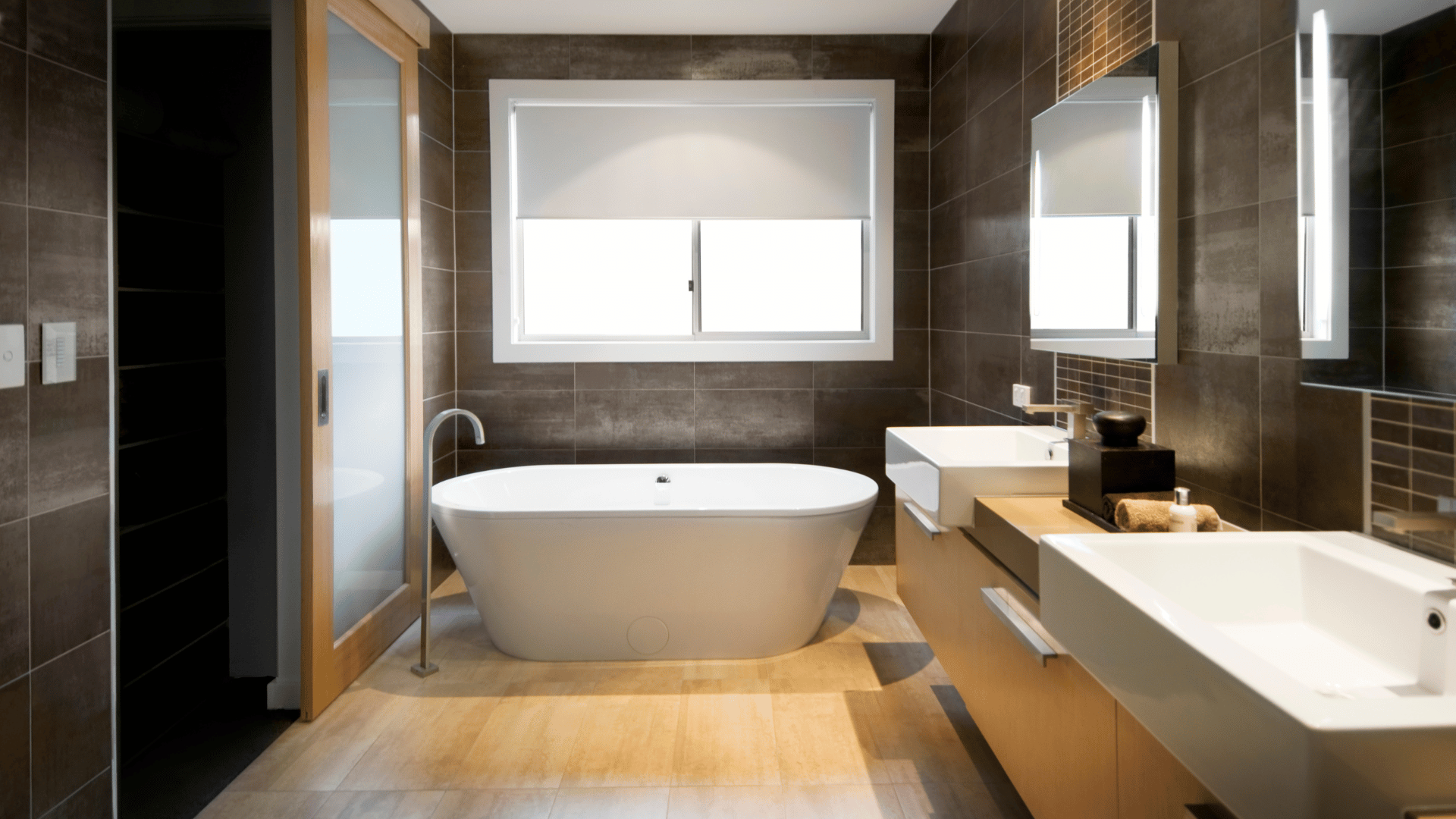

If you’re wondering how much it costs to renovate a bathroom, you’re not alone. I’ve asked the same question before starting my own remodel.
Bathroom costs can be confusing because every home, layout, and contractor is different. A small update can be affordable, while a full makeover can feel overwhelming fast.
In this guide, I break down real prices, cost ranges, and the factors that shape your final budget. My goal is to help you plan with confidence and avoid surprises along the way.
Having a clear cost breakdown upfront helps you budget realistically and avoid surprises once work begins.
Understanding Bathroom Renovation Costs
A bathroom renovation is the process of updating or replacing parts of your bathroom to improve how it looks, works, or feels.
It can be as simple as installing a new vanity or as detailed as rebuilding the entire space with new tile, plumbing, and fixtures.
Some remodels focus only on surface updates like paint or flooring. Others include deeper work such as waterproofing, replacing a tub with a shower, or updating old pipes and wiring.
Because every renovation has a different level of work, materials, and labor, the total cost can vary a lot from one project to another.
Understanding this helps you see why bathroom prices fall into ranges rather than one fixed number. Now, let’s look at what most homeowners usually spend.
Average Bathroom Renovation Cost
Most people want a clear number right away. The truth is that bathroom renovation costs sit on a wide scale. The more work you do, the more your price goes up.
- Low-cost remodels: $2,000–$7,000
- Mid-range remodels: $8,000–$25,000
- High-end remodels: $25,000–$80,000+
The national average falls between $12,000 and $18,000. This range includes a mix of small upgrades, full tear-outs, and nicer finishes.
You may pay less if your bathroom is small or if you keep your layout the same. You may pay more if you choose custom tile, move plumbing, or add features like heated floors or a walk-in shower.
This starting point gives you a baseline. In the next sections, you’ll see how bathroom type, size, labor, and materials shape the final number.
Cost by Bathroom Type
The price of a bathroom renovation changes a lot depending on the type of bathroom you have. Smaller bathrooms cost less because they need fewer materials and less labor. Bigger bathrooms cost more because they take more time and often include extra features.
1. Half-Bath (Powder Room)
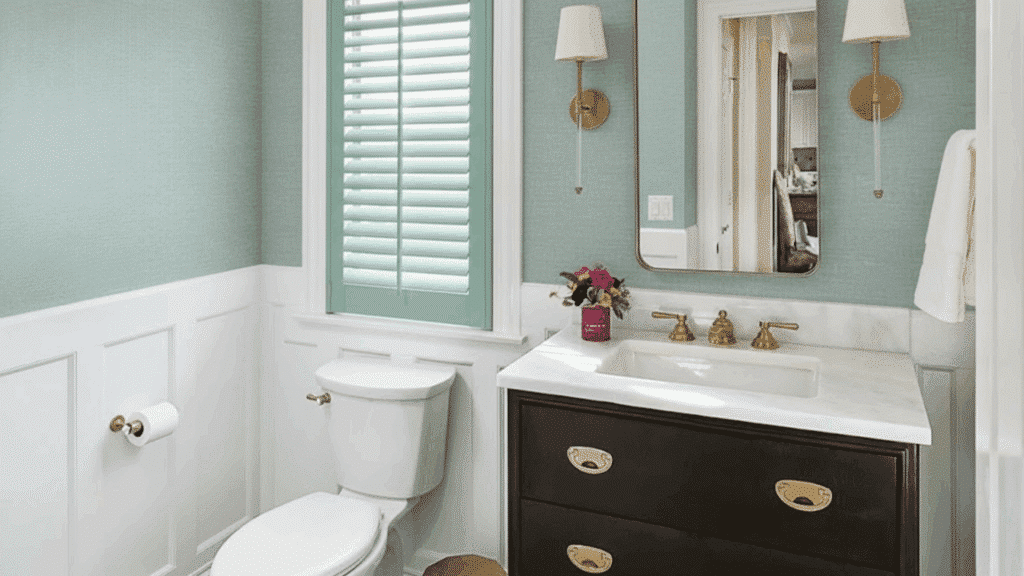
A half-bath usually has only a toilet and a sink, so it is the cheapest type of bathroom to renovate. Most homeowners spend $2,500 to $7,000 for a simple half-bath remodel.
These projects stay affordable when you keep the layout the same and choose standard materials. Costs rise if you install custom vanities, fancy lighting, or upgraded flooring.
Even with upgrades, half-baths remain a budget-friendly option because the space is small.
2. Small Full Bathroom
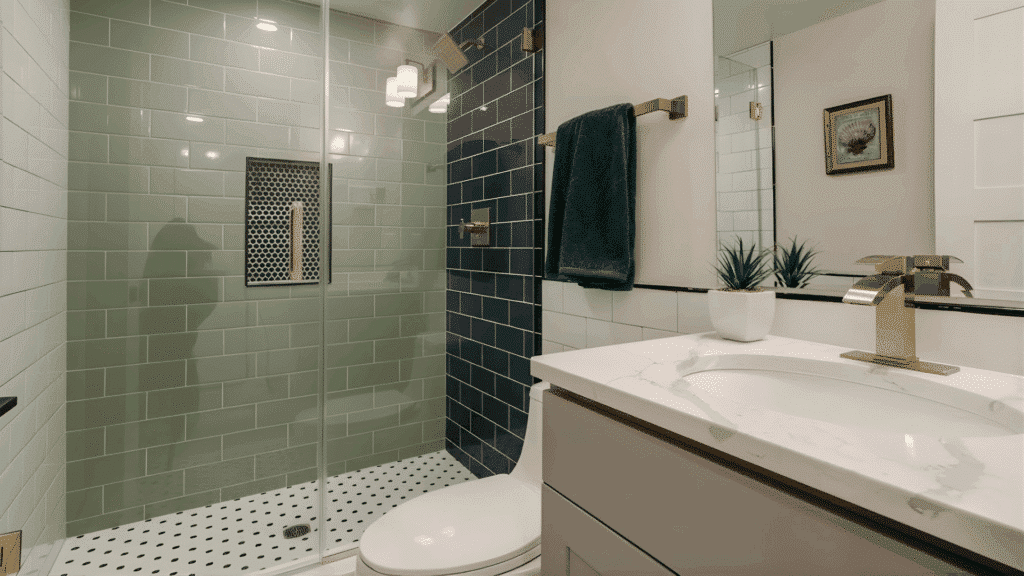
A small full bathroom includes a toilet, sink, and a shower or tub. These rooms need waterproofing, tile work, and more plumbing, so they cost more than a half-bath.
Most people spend $6,500 to $17,500 to renovate a small full bathroom. The price depends on the condition of the space, the type of shower or tub you choose, and the labor needed to install everything.
Your cost can increase if you switch from a tub to a walk-in shower, add niche shelves, or pick detailed tile designs. Keeping your plumbing in the same place is the best way to control your budget.
3. Primary or Master Bathroom
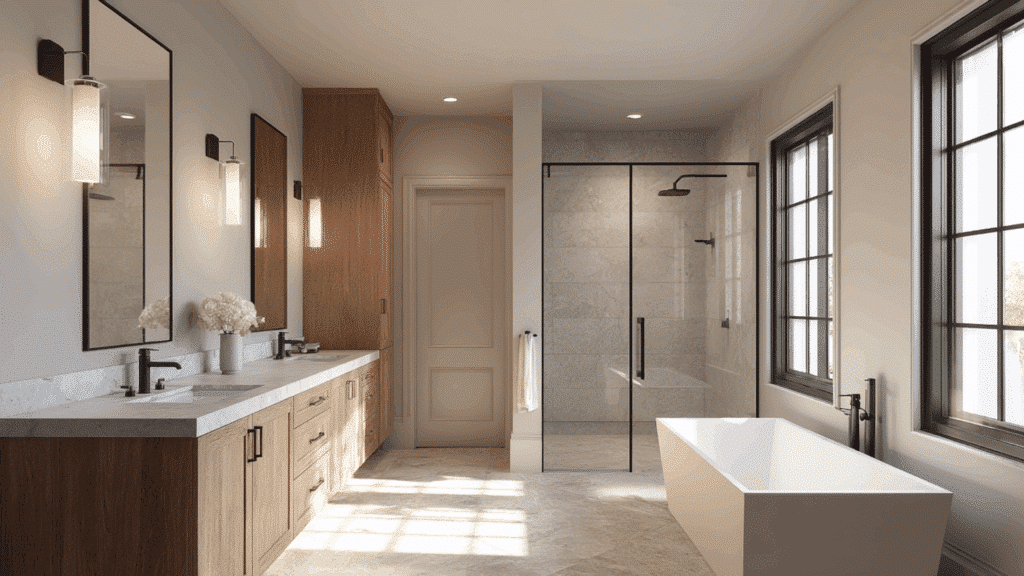
A primary or master bathroom is the largest and most complex bathroom in a home. These rooms often include double sinks, large showers, separate tubs, and premium finishes like stone counters or heated floors.
Because of the size and upgrades, homeowners usually spend $15,000 to $40,000 on a master bathroom remodel. High-end and luxury projects often cost $50,000 to $80,000+, especially if they include custom tile, frameless glass, or structural changes.
These bathrooms make a big impact on comfort and resale value. They also require the biggest budget because they involve more materials, more labor, and more design work.
Cost per Square Foot
Looking at bathroom renovation costs by square foot helps you understand how much your project may cost based on the size of your bathroom. It also makes it easier to compare quotes because contractors often price work this way.
Most bathroom renovations cost $70 to $250 per square foot. The lower end fits simple updates. The higher end fits custom tile, premium finishes, and detailed labor.
| Bathroom Size | Square Feet | Estimated Cost Range |
|---|---|---|
| Small full bath (5×7) | 35 sq ft | $2,450 – $8,750 |
| Small full bath (5×8) | 40 sq ft | $2,800 – $10,000 |
| Medium bathroom (6×10) | 60 sq ft | $4,200 – $15,000 |
| Large master bathroom | 100+ sq ft | $7,000 – $25,000+ |
Additional Factors That Affect Your Total Cost
Many things can change the final price of a bathroom renovation. Knowing these factors helps you plan a budget that feels realistic.
- Labor Costs: Labor often makes up 40–60% of your full budget. Skilled workers like plumbers, tile installers, and electricians charge more because the work needs precision. Good labor prevents leaks and long-term problems.
- Materials and Fixtures: Simple materials cost less than luxury ones. Ceramic tile, stock vanities, and standard lighting keep costs down. Stone tile, custom cabinets, and frameless shower glass increase your budget fast.
- Layout Changes: Keeping the toilet, shower, and vanity in the same place saves money. Moving plumbing or electrical lines raises the cost because new pipes and wiring must be installed.
- Luxury Features: Heated floors, steam showers, built-in benches, freestanding tubs, and custom tile designs make the bathroom feel special but add extra cost. These upgrades need more labor and time.
- Hidden or Surprise Issues: Problems like mold, rot, water damage, or old plumbing often appear only after demolition. Some older homes may also have asbestos or weak framing.
Bathroom Renovation Price Tiers
Bathroom renovation costs fall into three main tiers. Each tier has its own style, features, and price range. These tiers help you understand what your budget can actually deliver.
1. Budget Remodel ($3,000–$10,000)
This tier focuses on simple updates and basic materials. It works best for small bathrooms or light renovations. Most of the work stays cosmetic, so there are fewer plumbing or structural changes.
Common upgrades include:
- Basic tile or vinyl flooring
- Standard vanity and faucet
- Simple lighting
- Fresh paint and new hardware
A budget remodel is ideal when you want a clean, refreshed look without major changes.
2. Mid-Range Remodel ($10,000–$25,000)
This tier includes better materials, improved fixtures, and more detailed labor. It’s one of the most popular ranges because it offers style, durability, and comfort without going overboard.
Common upgrades include:
- Tile showers or tub surrounds
- Quartz or granite counters
- Quality vanities and sinks
- Updated lighting and hardware
Most homeowners choose this tier because it provides the best balance of value and design.
3. Luxury Remodel ($25,000–$80,000+)
This tier features high-end materials, custom work, and big layout changes. It’s common for large master bathrooms to have spa-style features and premium finishes.
Common upgrades include:
- Custom tilework and heated floors
- Frameless shower glass or steam showers
- Freestanding tubs
- Smart lighting and premium fixtures
Luxury remodels focus on comfort, design, and long-term quality, but they come with the highest price tag.
How To Estimate Your Own Bathroom Renovation Cost
Estimating your bathroom renovation cost becomes easier when you follow a simple step-by-step plan. These pointers help you understand what you’ll pay and how to build a realistic budget.
- Measure Your Bathroom: Find the length and width of your bathroom and multiply them to get the total square feet. This number helps you estimate material needs and compare prices more accurately.
- Choose Your Materials: Pick the flooring, tiles, vanity style, counters, and fixtures you want. Basic materials lower the cost, while premium or custom finishes increase the total price quickly.
- Check Cost per Square Foot: Most bathroom renovations in the U.S. cost $70 to $250 per square foot. Multiply your bathroom size by this range to get a simple starting estimate before contacting contractors.
- Get 2–3 Contractor Quotes: Ask for itemized quotes so you can compare labor, materials, timelines, and any added fees. This helps you spot fair pricing and avoid overpriced bids in your area.
- Plan for Hidden Costs: Add a 10–20% buffer for surprises like mold, old plumbing, or water damage. These hidden issues often show up after demolition and can raise the final cost.
- Review and Adjust: Look at your total estimate and adjust based on your budget. You can switch materials, avoid layout changes, or handle small DIY tasks to stay within a comfortable spending range.
How Long Does a Bathroom Renovation Take?
Bathroom renovation timelines can change based on the bathroom size, the amount of work, and material availability. Here’s a simple table that shows how long each stage usually takes.
| Renovation Stage | Typical Time Needed | What Happens During This Stage |
|---|---|---|
| Planning & Design | 1–2 weeks | Picking materials, getting quotes, and finalizing layout |
| Ordering Materials | 1–4 weeks | Waiting for tiles, vanity, fixtures, and special items |
| Demolition | 1–3 days | Removing old floors, walls, fixtures, and cabinets |
| Plumbing & Electrical Work | 2–5 days | Updating pipes, wiring, and preparing rough-in work |
| Drywall & Waterproofing | 2–4 days | Rebuilding walls and securing waterproof layers |
| Tile Installation | 3–7 days | Installing floor tile, shower tile, and grout |
| Installing Fixtures | 2–4 days | Adding vanity, toilet, faucets, shower parts, and lighting |
| Finishing Touches | 1–3 days | Painting, caulking, sealing, and final checks |
Most bathroom renovations take 2–4 weeks in total. Large or luxury bathrooms can take 4–8 weeks, especially if custom materials are involved.
Smart Ways To Cut Bathroom Remodel Costs
You can reduce bathroom renovation costs with a few smart choices. Here are quick tips that make the biggest impact:
- Keep the layout: Avoid moving plumbing to save money.
- Pick budget materials: Use ceramic tile and stock vanities.
- Reuse items: Refresh your mirror, vanity, or hardware instead of replacing them.
- Watch for sales: Buy materials during discounts or clearance events.
- Do simple DIY: Paint walls or install accessories yourself.
- Update one area: Focus on the shower, vanity, or flooring instead of the whole room.
- Choose a simple tile: Straight layouts cost less than detailed patterns.
- Compare quotes: Get multiple estimates to avoid overpaying.
Real Homeowner Cost Examples
“My small guest bathroom cost about $9,800. New tile, new vanity, and a tub-to-shower conversion. Prices were higher than I expected, but the finish looks great.” – Reddit, r/Homeowners
“We spent around $14,500 on our full bathroom. Most of the budget went to labor and waterproofing, but it was worth it for the quality.” – Home Improvement Forum
“Our master bath remodel came to $27,000. We added a frameless shower, quartz counters, and heated floors. Luxury upgrades definitely pushed the price up.” – Facebook Community Group
“I tried to save money by doing some things myself. In the end, the project still cost about $6,200 for materials and pro work I couldn’t handle. DIY saved us a little, but not as much as expected.” – DIY Home Group
“Living in a big city made everything more expensive. My contractor’s quote was $22K for a standard remodel with no layout changes. Labor alone felt pricey.” – Reddit, r/Remodel
“Our high-end master bathroom renovation hit $38K. Custom tile, new plumbing, and a freestanding tub were the biggest costs.” – Houzz Discussion
Overall, homeowners agree that bathroom remodel costs depend heavily on size, materials, and labor rates in your area.
Smaller projects can stay under $10K, mid-range remodels often fall between $10K and $20K, and luxury master bathrooms commonly reach $30K and beyond.
Real experiences show that careful planning and honest budgeting make the process smoother and less stressful.
Conclusion
Now you have a clear understanding of how much it costs to renovate a bathroom and what shapes the final price.
You’ve seen the typical cost ranges, the key factors that affect your budget, and real examples from homeowners who’ve done it themselves.
If you’re ready to take action, start by measuring your bathroom and requesting two or three quotes from local contractors today.
This simple step gives you real numbers and puts you in control of your renovation plan.

Holding a Master’s in Architecture from the University of Texas at Austin, Emily Rodriguez has dedicated more than two decades to the art and science of building renovation. Starting her journey in historic preservation, she developed a profound respect for blending old with new in building design. Emily became a vital part of our team in 2019, renowned for her insightful and innovative renovation tips. She has been leading our DIY home improvement series since ever since, where she shares her wealth of knowledge in turning outdated spaces into modern havens. When not engaged in writing or consulting, Emily is a passionate advocate for heritage conservation and enjoys exploring vintage architecture, a hobby that complements her professional expertise.