
Have you ever wondered what size generator to run a house when the power goes out? I know how tricky it feels trying to balance comfort, cost, and the right amount of power for your home.
When I first looked into it, the numbers and options were overwhelming. But it turns out, finding the perfect generator size is easier than it seems once you know what really matters.
In this guide, I’ll help you make sense of it all so you can choose a generator that keeps your home powered without overdoing it.
How Generator Size Affects Home Power
The size of a generator decides how much electricity your home can safely use during an outage. It’s measured in watts or kilowatts, and that number shows how much load the generator can handle.
If the generator is too small, it can overload and damage your appliances. If it’s too large, you’ll waste fuel and spend more than you need to.
Finding the right balance helps your generator run efficiently while keeping your home powered without stress or risk.
Running vs. Starting Watts
Every appliance uses power in two ways: to start and to keep running. Knowing this difference helps you choose a generator that won’t struggle under load.
- Running watts: The steady power needed to keep an appliance working, like your lights or TV.
- Starting watts: The short burst needed to start motors in appliances like refrigerators or air conditioners.
If your generator can’t handle that surge, it may shut down. A simple trick is if a label lists only running watts, multiply it by about 1.5 to 2 to estimate starting watts.
Whole-Home vs. Partial Power
When choosing a generator, think about how much of your home you want to power. Some people only need the basics, while others prefer full coverage.
- Partial power: A smaller generator, around 7–10 kW, can handle essential items like the fridge, lights, and heating system. It’s more affordable and uses less fuel.
- Whole-home power: Larger models, usually 15–22 kW or more, can run everything from your HVAC to the kitchen and laundry.
The choice depends on your comfort level and budget. If you live in an area with frequent outages, whole-home coverage offers better convenience and peace of mind.
Steps to Calculate the Right Generator Size
Once you’ve decided what parts of your home you want to power, follow these simple steps to find the perfect generator size. Each step builds on the last, so take your time and note down every detail.
Step 1: List the Appliances You’ll Power
Start by writing down everything you plan to use during an outage. Include essentials such as your refrigerator, lights, heating system, or air conditioner, and don’t forget comfort items like your TV or computer.
This list helps you understand what truly matters when power goes out. Seeing it all on paper gives you a clearer idea of how much electricity your household needs at once.
Step 2: Find Running and Starting Watts
Next, check the labels or manuals for each appliance. Note both the running watts (continuous use) and starting watts (the short surge needed to start).
If only running watts are shown, multiply that number by 1.5 to 2 to estimate starting watts. Write everything down; it’ll make the math easier in the next steps.
Step 3: Add Up Running Watts
Add together all the running watts for the items you expect to use at the same time. This total shows your home’s steady power need.
Be realistic, you might not cook, wash clothes, and cool the house at once. Focus on the appliances you’d actually run together during an outage.
Step 4: Add the Highest Starting Wattage
Now look for the appliance with the highest starting watts, usually something with a motor like your refrigerator or HVAC system. Add that number to your total running watts.
If two heavy-load items could start together, for example, an A/C and a well pump, they would include both. This step ensures your generator won’t overload when those appliances start up.
Step 5: Choose a Generator Above the Total
Take your combined total and add about 15–25 percent extra capacity. This headroom helps the generator run efficiently and prevents strain over time.
Make sure the generator you choose supports 120/240 volts if your home needs both. For example, if your total is around 6,500 watts, look for a generator rated near 8,000 watts to stay safe and reliable.
Typical Generator Sizes by Home Type
The size of your home directly affects how powerful your generator should be. Larger homes naturally use more electricity, especially when heating, cooling, and running multiple appliances at once.
Use this chart as a quick reference to match home size with a suitable generator range. These estimates help you plan before calculating your exact needs.
| Home Size | Bedrooms | Typical Generator Size | Example Coverage |
|---|---|---|---|
| 1,000 sq ft | 2 | 5–7 kW | Lights, fridge, and basic outlets |
| 1,500 sq ft | 3 | 10–16 kW | Most appliances and central HVAC |
| 2,000 sq ft | 4 | 16–20 kW | Full-home coverage with A/C and oven |
| 3,000 sq ft + | 5+ | 20–25 kW+ | Large homes with multiple systems |
These are average ranges, not fixed rules. Your actual power needs may differ based on climate, number of appliances, and energy use. A professional electrician can confirm your exact generator size for safety and performance.
What Size Generator to Run a 1,500 Sq Ft House?
A 1,500-square-foot home usually needs a medium-sized generator that balances comfort and efficiency. The right size depends on how many electric appliances you run and whether you want full or partial coverage.
For whole-home use, a 15–16 kW generator is ideal. It can power your HVAC system, refrigerator, lights, and most electronics at once.
If you only need essential power, a 7–10 kW generator works well for basics like lighting, the fridge, and heating.
Example: A refrigerator (200W running / 1,200W starting), air conditioner (3,000W running / 5,000W starting), and other devices (800W) add up to around 6,000–8,000 watts. With a buffer of about 10 kW, making 15–16 kW a reliable choice.
Homes with electric heating or water heaters may need up to 18–20 kW to stay fully powered.
Common Generator Types
Choosing the right type of generator matters as much as choosing the right size. Each type offers different benefits, depending on how much power you need and how often you use it.
1. Portable Generators
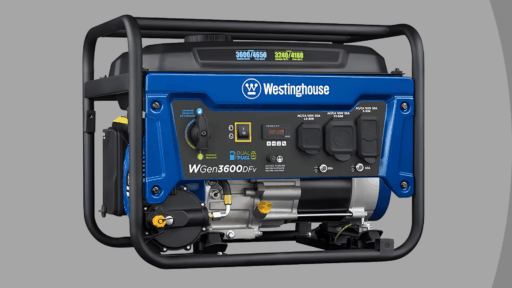
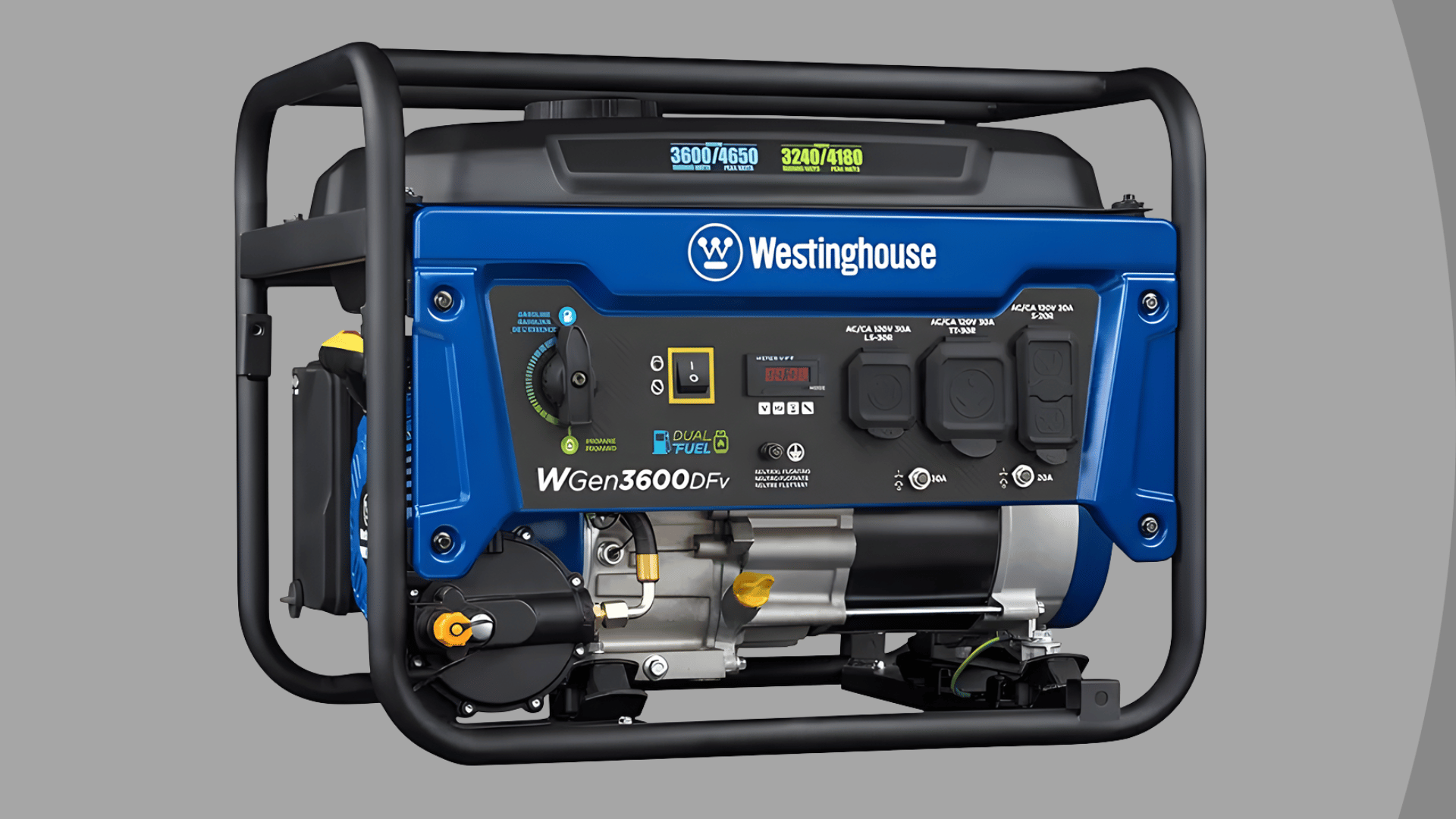
Portable generators are great for short power outages or when you only need to run a few appliances. They’re easy to move and usually run on gasoline.
They work well for essentials like lights, refrigerators, and small electronics. However, they must be operated outdoors and refueled manually.
2. Standby Generators
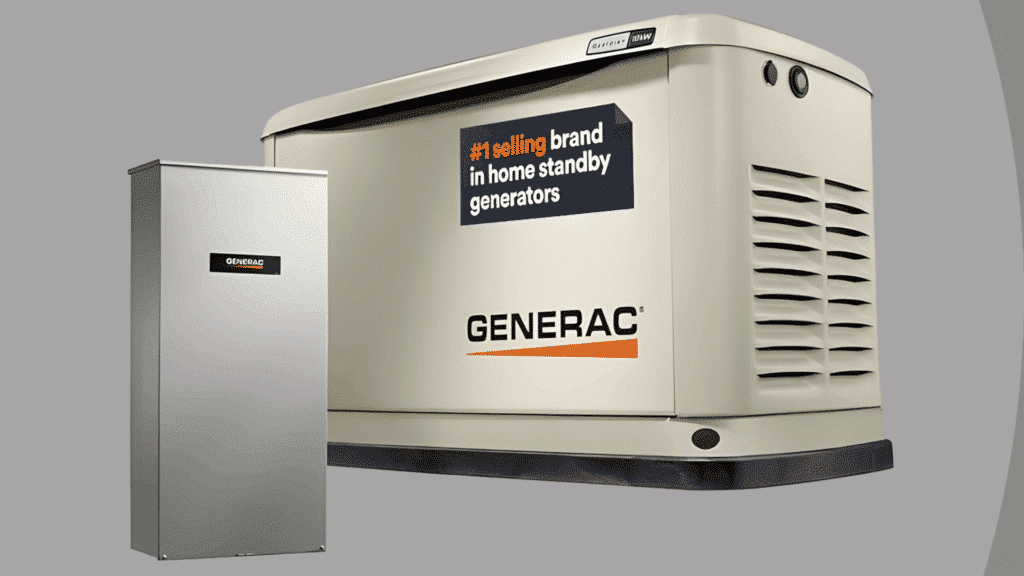
Standby generators are permanently installed outside your home and start automatically when the power goes out. They’re ideal for full-home coverage and can power everything from heating to kitchen appliances.
These generators run on natural gas or propane and connect directly to your home’s electrical system. Though more expensive, they’re reliable and require little effort once installed.
3. Inverter Generators
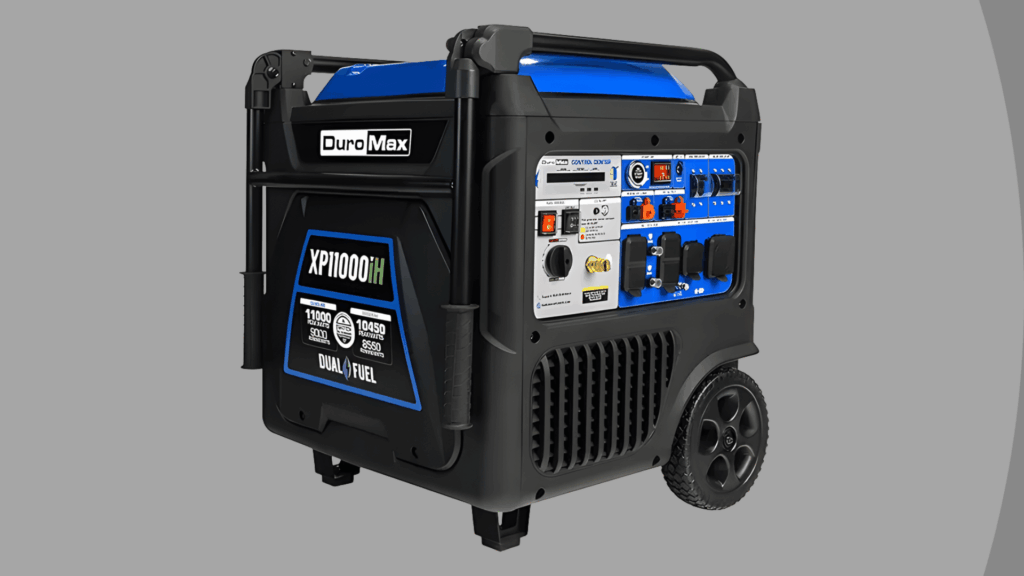
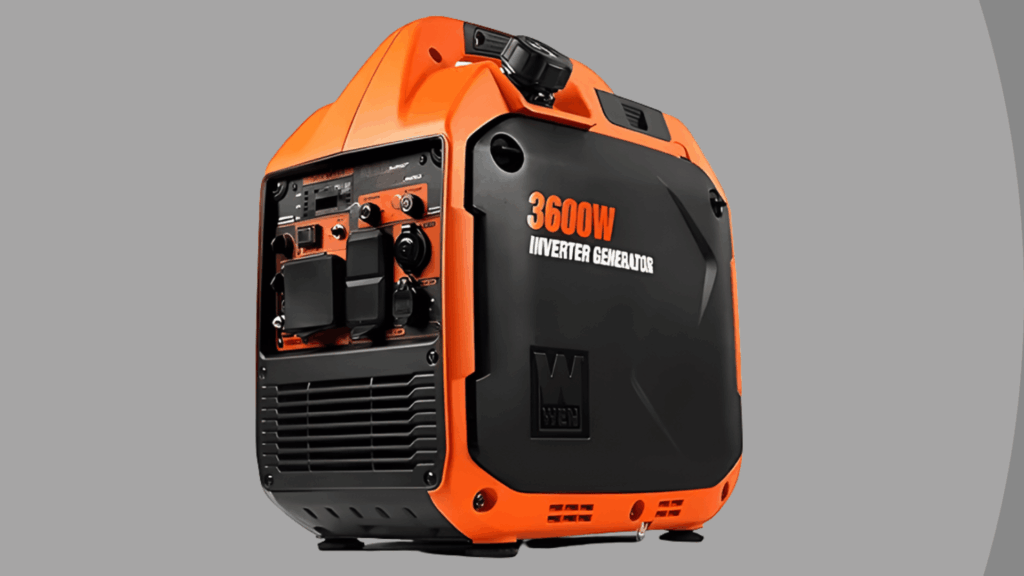
Inverter generators are smaller, quieter, and more fuel-efficient. They deliver clean, stable power, which makes them safe for sensitive devices like laptops and TVs.
They’re best for smaller homes, partial coverage, or portable backup use. If you want quiet operation and energy efficiency, this type is a smart choice.
Additional Factors to Consider
Before choosing a generator, think about these important details to ensure safety, efficiency, and long-term reliability.
- Climate: Your local weather affects power needs. Hot climates need more capacity for air conditioning, while colder ones require extra capacity for heating.
- Location: Always place the generator outdoors in an open, ventilated area. Keep it away from doors, windows, and vents to avoid dangerous exhaust buildup.
- Noise: If sound levels matter, go for quieter inverter generators. They’re designed to run smoothly without disturbing your surroundings.
- Maintenance: Regular care keeps your generator reliable. Change the oil, replace filters, and run it monthly to prevent startup issues.
- Professional Installation: Always hire a licensed electrician for standby models. They’ll handle wiring, permits, and safety checks to prevent electrical hazards.
Estimated Cost by Generator Size
Generator costs vary widely based on power capacity, type, and installation needs. Portable units are more affordable, while standby generators cost more but offer automatic, full-home protection.
| Generator Type & Size | Typical Installed Cost | Best For |
|---|---|---|
| Portable – 7 kW | $500 – $2,500 (unit only) | Small homes, basic essentials |
| Standby – 10 – 12 kW | $6,000 – $12,000 | Partial to full backup for medium homes |
| Standby – 14 – 18 kW | $8,000 – $15,000 | Full-home coverage for midsize homes |
| Standby – 20 – 26 kW | $10,000 – $20,000+ | Whole-home backup for large houses |
Installation: Professional setup adds $3,000–$5,000 on average, covering permits, wiring, gas line work, and a transfer switch. It’s essential for safety and reliability.
Fuel and Maintenance: Natural gas units cost more upfront but run cleaner and cheaper long-term. Propane and gasoline models have lower initial costs but higher fuel expenses.
Routine oil changes, filter replacements, and monthly test runs keep your generator in good shape year-round.
Tip: Costs can vary based on location, brand, and home setup. Always get quotes from licensed installers before buying.
Safety and Efficiency Tips
A generator is only useful when it’s used safely and maintained properly. Follow these simple tips to protect your home and get the most from your equipment.
- Run Outdoors: Always use your generator outside in a dry, open space. Never run it in garages or enclosed areas to avoid carbon-monoxide buildup.
- Avoid Overloading: Know your total wattage and stay within limits. Overloading can trip breakers, damage appliances, or wear out the generator faster.
- Use Proper Cords: Choose heavy-duty, grounded extension cords rated for outdoor use. Damaged or thin cords can overheat and cause fires.
- Test Regularly: Start your generator once a month for a few minutes. This keeps the engine lubricated and ensures it’s ready for emergencies.
- Store Fuel Safely: Keep fuel in labeled, sealed containers away from heat sources. Replace old fuel and check levels before every storm season.
- Hire Professionals: Have a certified electrician connect the standby generators. Proper installation prevents back-feeding and protects utility workers.
Using these habits will keep your generator running smoothly, safely, and efficiently whenever you need it most.
Conclusion
Understanding what size generator to run a house helps you stay ready for any power outage. The right generator keeps your home comfortable, your essentials running, and your energy use efficient without overspending.
Take a few minutes to list your appliances, calculate your total wattage, and add a safety buffer before choosing your generator.
If you’re still unsure, talk to a licensed electrician or use an online sizing calculator to find your best match. Start planning your backup power setup today so you’re never left in the dark again.

Tommy Hardy, an alumnus of the Georgia Institute of Technology with a degree in Mechanical Engineering, has been a go-to figure in residential upkeep and innovation for over 18 years. His career commenced in a leading home appliance manufacturing company, where he mastered the intricacies of household systems. Joining our platform in 2020, Tommy quickly became a reader favorite for his practical and easy-to-follow guides. He took the helm of our DIY section in 2019, consistently delivering content that empowers homeowners. Beyond his professional pursuits, Tommy is a passionate gardener and enjoys woodworking, skills enhancing his hands-on approach to home care.