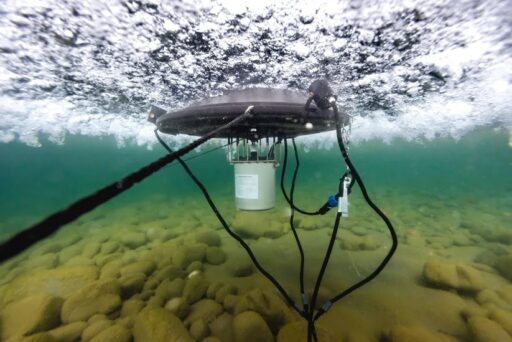
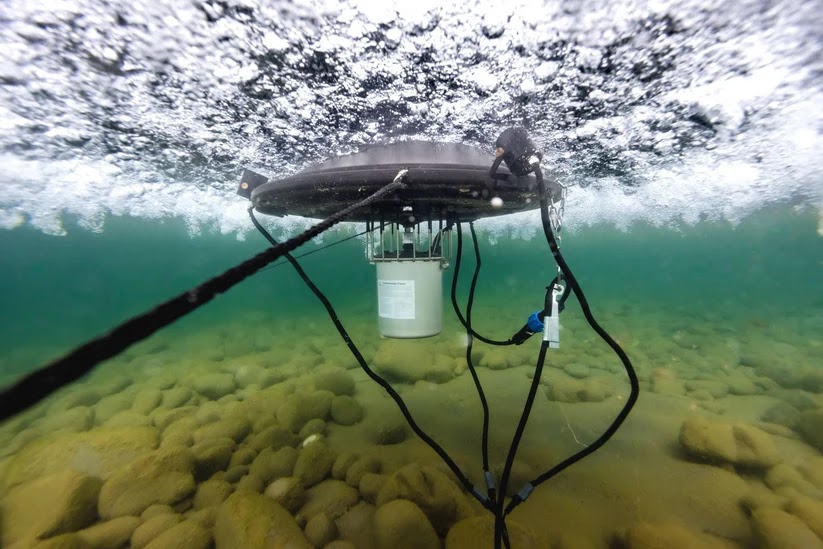

Choosing the right pond aerator is more than a cosmetic upgrade. It’s one of the most important steps you can take to keep your water healthy. Whether you manage a small garden pond or a multi-acre waterbody, aeration shapes fish health, algae growth, odors, and long-term maintenance costs.
In this guide, we’ll walk through how to match a pond aeration system to your pond size and budget. You’ll see where a small pond aerator is enough, when you need diffused aeration systems, and how solar pond aerator and electric pond aerator setups compare. With a few basic measurements and realistic expectations, you can choose the best pond aerator for clear water and dependable performance.
Why Aeration Matters For Pond Health
A pond is a closed ecosystem. Leaves, fish waste, and runoff all break down over time and use up oxygen in the process. Without enough circulation and oxygen, that breakdown slows, organic muck builds up on the bottom, and water quality declines.
A properly sized pond aerator keeps oxygen moving through the entire water column rather than allowing it to stagnate in layers. Continuous aeration helps:
- Prevent oxygen crashes and fish kills during hot, still weather
- Support beneficial bacteria that reduce organic muck
- Limit nuisance algae by lowering excess nutrients
- Improve clarity and reduce foul odors
For anyone who has dealt with pea soup water or a surprise fish loss, a reliable, well-sized system is often the best aerator for fish pond protection and is more cost-effective than repeated chemical fixes.
Matching Pond Aerator Types to Pond Size
Before you look at models, measure your pond’s surface area and average depth. Those two numbers do most of the work in choosing the right pond aeration system.
Surface and Floating Pond Aerators
A surface aerator for pond use pulls water from just below the surface and throws it into the air, where it mixes with oxygen and falls back. Many are floating pond aerator units that create a spray pattern and pleasant sound.
If your main goal is to dress up a front-entry pond and give fish some extra oxygen, a surface-style unit can be the best aerator for fish-pond owners who also want a showpiece.
Diffused Aeration Systems for Deeper Ponds
For deeper water, diffused aeration systems are usually more effective. In these systems, a shore-mounted pond aeration pump pushes air through weighted tubing to a pond diffuser on the bottom. Rising bubbles carry low-oxygen water up and gently mix the entire pond.
If your pond is more than 8 feet deep in the center, a bottom-diffused large pond aeration system is almost always a better long-term option than relying solely on a surface unit.
Solar and Small Pond Aerators
If your pond is under half an acre and lightly stocked, a small pond aerator or a solar pond aerator can work very well. These systems are popular for remote ponds where power is difficult or expensive to run. A pond aeration kit in this category usually bundles a compressor, airline, and one or more diffusers, so the components are already matched.
Solar units swap grid power for panels, which raises upfront cost but can lower long-term operating expense.
Budget Breakdown – What to Expect at Each Price Tier
Even within the same pond size, you’ll see a range of prices for a pond aerator. The main drivers are output, build quality, power source, and extras like cabinets or sound insulation.
Entry-Level Pond Aeration Kits
At the lower end are compact pond aeration kit options for small backyard water features and preformed ponds. These usually include a small air pump, airline, and one or two stones or mini diffusers. If you have a tiny decorative pond with a few goldfish, this may be enough to keep water moving and avoid stagnant pockets. For anything larger, especially with more depth or more fish, entry kits start to show their limits and shouldn’t be your only pond aeration system.
Mid-Range Systems For Half-Acre And 1-Acre Ponds
In the middle tier, you’ll find more robust electric pond aerator packages sized for ponds in the half-acre to 1-acre range. These typically use rocking piston compressors, weighted tubing, and bottom diffusers to create full-depth circulation.
This is the point where many owners compare solar and electric options and consider lifetime costs, not just sticker price. A solar pond aerator has higher upfront equipment costs but very low operating costs since sunlight is free. An electric pond aerator costs less up front and is easier to install, but you’ll pay for electricity every hour it runs. The right choice depends on your access to power, your budget, and the amount of sunlight your site receives.
Premium Large Pond Aeration Systems
At the top end are commercial-grade large pond aeration system packages for multi-acre ponds or intensively managed fisheries. These may include multiple compressors, several diffuser stations, and heavy-duty cabinets. The upfront spend is higher, but so is the value of what you’re protecting. If you manage a trophy fishing pond or a large HOA waterbody, the cost of a major fish kill or heavy muck removal can easily exceed the price of a properly sized aerator for a large pond.
Top Features To Consider (Noise, Power Source, And Maintenance)
Once you have size and type nailed down, your final choice often comes down to everyday experience and operating costs.
Noise and Placement
Noise matters, especially around homes and patios. Surface units create both motor noise and splash. Some people enjoy the sound, others find it too loud at night. Bottom-diffused systems keep most of the mechanical sound at the shore, inside a cabinet, so the pond surface stays quiet. If your pond is near outdoor seating or bedrooms, a more silent, diffused pond aerator often fits better than a loud surface unit.
Solar Vs Electric Pond Aerators
Choosing between solar and electric depends on your site conditions and how you plan to use your pond. A solar pond aerator works best in remote locations where trenching power lines is expensive or impractical. The panels require good sunlight exposure, and the system may need battery backup during cloudy periods. An electric pond aerator delivers consistent power regardless of weather and is easier to size precisely. For heavily stocked fish ponds or large waterbodies where oxygen levels can’t drop, a dependable electric pond aerator or a hybrid solar–electric setup is usually safest.
Maintenance And Lifespan
Every pond aeration system needs basic care. Over time, filters clog, diaphragms wear down, and diffusers accumulate biofilm. Simple habits like checking pressure, cleaning or replacing diffusers on schedule, and keeping cabinets ventilated will extend the life of your pond aeration pump and protect your investment.
Bringing It All Together: Finding The Best Pond Aerator
The best pond aerator for your property fits your pond’s size, depth, and fish load while staying within your budget. For a small backyard water feature, a compact pond aerator or a fountain-style surface aerator may be enough. For a half-acre or 1-acre fishing pond, a well-sized bottom diffused pond aeration system is usually the safest choice. For multi-acre ponds, a serious large-pond aeration system package provides the coverage and reliability you need.
If you’re unsure where to start, measure your pond, note the deepest point, and list your goals: clear water, healthy fish, or a showpiece feature. Then compare a few pond aerator options explicitly rated for your acreage, including both solar and electric options. With the right match, your pond will stay clearer, your fish will stay healthier, and your long-term pond ownership costs will be easier to manage.

With a Master’s in Architecture from the University of California, Berkeley, Alexander Martin has dedicated the last 18 years to enhancing outdoor living through thoughtful and robust structure design. His career kicked off in urban planning, giving him a unique perspective on integrating structures into diverse environments. In 2019, Alexander brought his expertise to our website, offering insights into creating versatile outdoor spaces. Since then, he has been the lead advisor for our outdoor design projects and is known for his ability to merge functionality with environmental consciousness. Alexander enjoys rock climbing outside of work and participates in community development projects, activities that reflect his passion for the outdoors and sustainable design.