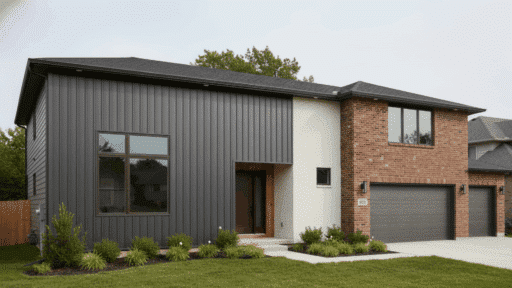
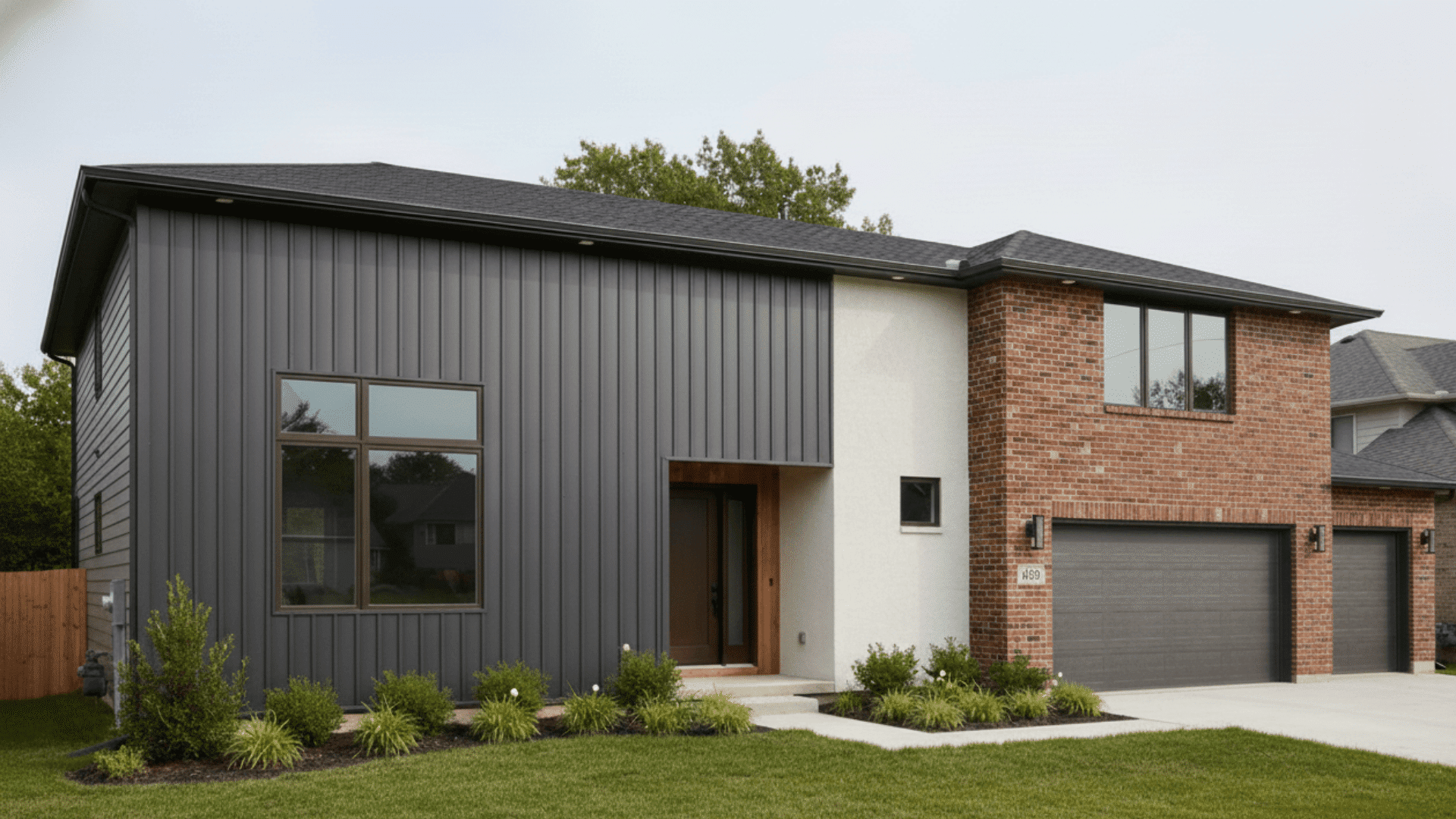

You know that feeling when you pull into the driveway, glance at your house, and think, “Yikes… that siding’s seen better days”?
Maybe the paint’s peeling again, panels are warped or cracked, or your energy bills keep climbing for no good reason.
Those are classic signs it’s time for replacement siding, but that’s when the real confusion starts. Vinyl, fiber cement, wood, metal, stucco… which one actually fits your home, budget, and climate?
We will break down the most popular types of exterior siding, with clear pros, cons, and best-use scenarios, so you can choose with confidence.
When Is It Time for A Replacement Siding?
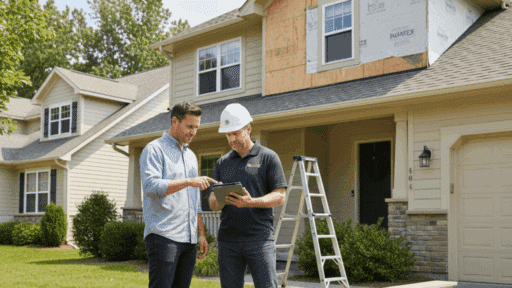
Before you get lost in all the different siding options, let’s first confirm whether your current siding actually needs to be replaced.
Take a slow walk around your home and really look at the exterior. Do you see boards that are warped, cracked, loose, or starting to buckle?
Any areas that feel soft, spongy, or show signs of rot, mold, or water stains?
Notice spots where the paint keeps peeling or fading faster than it should? Then head inside and pay attention to drafts near exterior walls, rooms that feel colder or hotter than they should, or energy bills that keep creeping up.
If several of these sound familiar, it’s a strong sign your siding is ready for replacement.
Things to Consider Before You Pick a Siding Material
Before you fall in love with a look on Pinterest, it helps to get clear on what actually matters for your home. Use these key factors as a quick checklist while you compare siding options.
- Budget & Total Project Cost – Think beyond the price tag per square foot and include labor, tear-off, hidden repairs, trim, and permits.
- Climate & Weather Conditions – Heavy rain, snow, extreme heat, high winds, or wildfire risk all affect which materials will actually hold up.
- Maintenance & Upkeep – Decide if you’re okay with repainting and re-staining, or if you want a low-maintenance “install it and forget it” option.
- Curb Appeal, Style & HOA Rules – Make sure the siding style fits your home’s architecture, neighborhood vibe, and any HOA or historic district guidelines.
- Lifespan, Warranty & Resale Value – Some materials cost more upfront but last longer, need fewer repairs, and can boost your home’s future selling price.
Keep these in mind as we go through each siding type so you can match the right material to your real-life priorities.
Types of Home Exterior Siding
When you start comparing home siding options, the list can feel endless: vinyl, fiber cement, wood, brick, stone, and more.
To make things easier, here’s a closer look at the most common types of home siding, how they perform, and where they work best.
1. Vinyl Siding
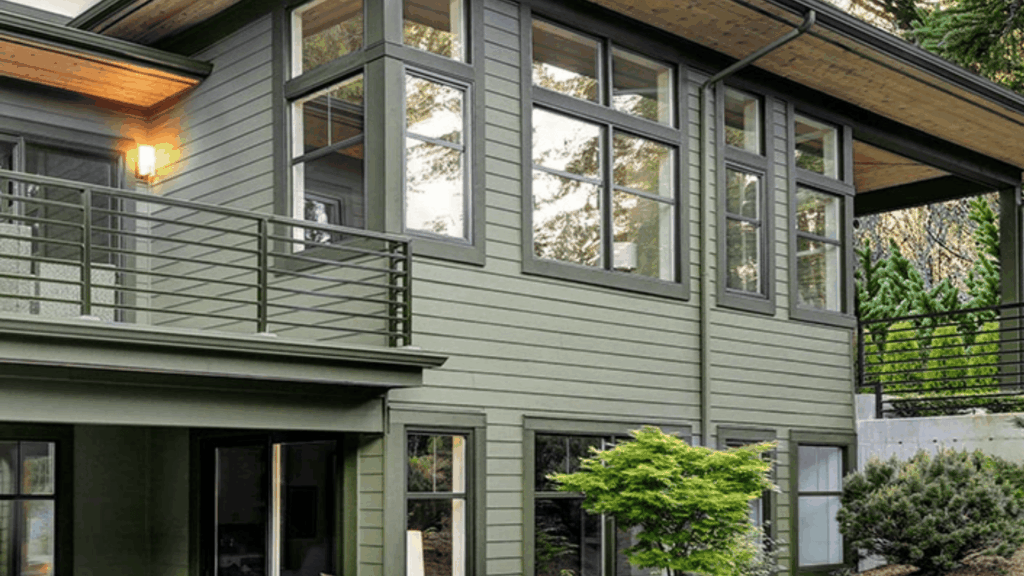
Vinyl siding is one of the most popular and budget-friendly exterior claddings, made from durable PVC that resists rot and insects. Mastic by Ply Gem vinyl siding does affordability and variety right, offering countless colors and profiles for simple, low-maintenance, cost-conscious updates.
| Pros | Cons |
|---|---|
|
|
Approx cost: $3–$8 per sq. ft installed
Avg. lifespan: 20–30 years
Best for: Budget-friendly remodels, rental properties, typical suburban homes
2. Insulated Vinyl Siding
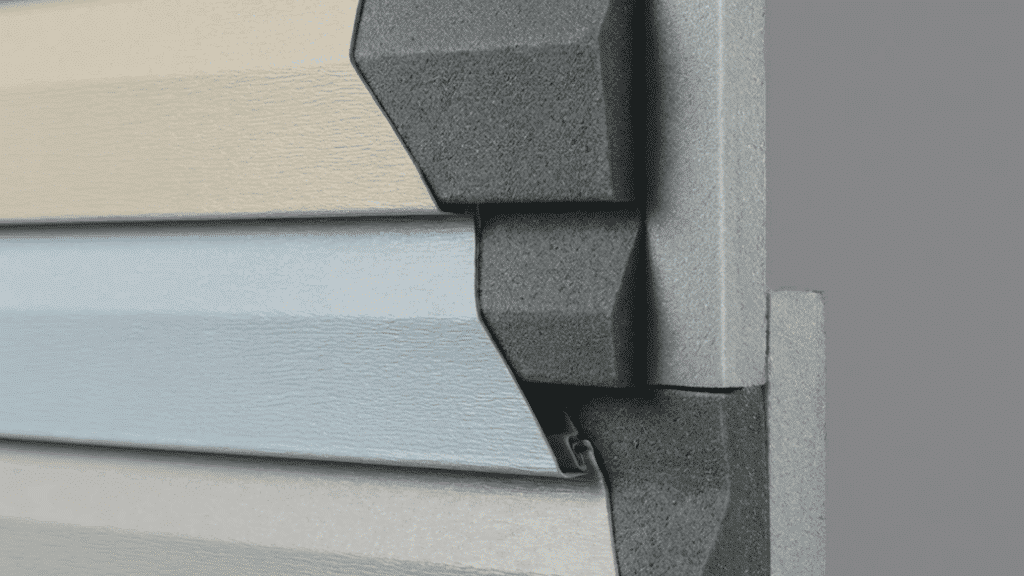
Insulated vinyl siding is still vinyl, but with a built-in foam backing that adds rigidity, impact resistance, and extra thermal performance.
Structure Home Insulation System by Ply Geminsulated vinyl siding provides comfort and efficiency, offering a familiar vinyl look with better insulation, sturdier panels, and quieter rooms.
| Pros | Cons |
|---|---|
|
|
Approx cost: $6–$10 per sq. ft installed
Avg. lifespan: 25–30+ years
Best for: Colder climates, noisy streets, energy-efficiency upgrades
3. Fiber Cement Siding
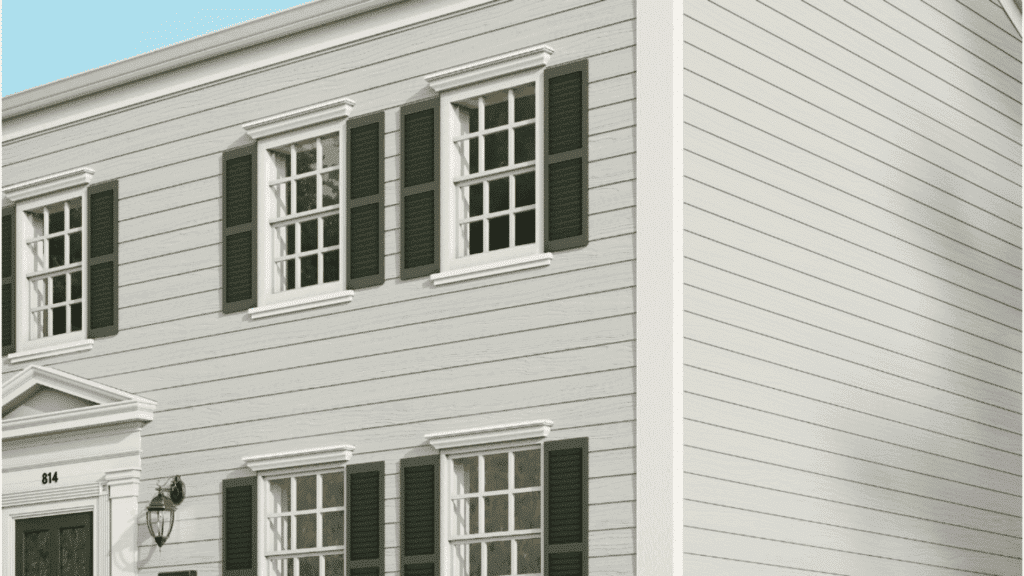
Fiber cement siding is a durable, engineered material made from a mix of cement, sand, and cellulose fibers that can convincingly mimic wood, stucco, or sleek modern panels.
James Hardie fiber cement siding offers durability and design flexibility, with strong fire resistance, long-term performance, and wide style options for “do it once, do it right” projects.
| Pros | Cons |
|---|---|
|
|
Approx cost: $6–$13 per sq. ft installed
Avg. lifespan: 30–50 years
Best for: Long-term homes, harsh climates, upgrade-focused projects
4. Engineered Wood Siding
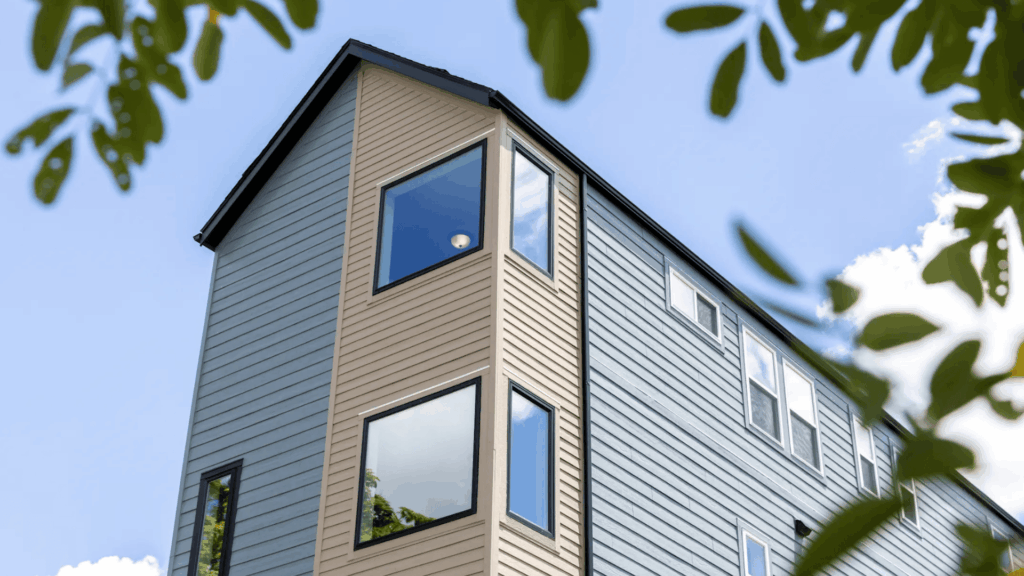
Engineered wood like LP SmartSide combines wood fibers, resins, and waxes to deliver a warm wood look with better resistance to moisture and pests.
It’s lighter than fiber cement and offers a nice middle ground between traditional charm and easier installation.
| Pros | Cons |
|---|---|
|
|
Approx cost: $4–$10 per sq. ft installed
Avg. lifespan: 20–30 years
Best for: Wood lovers wanting less upkeep and lower cost than natural wood
5. Natural Wood (Cedar Siding)
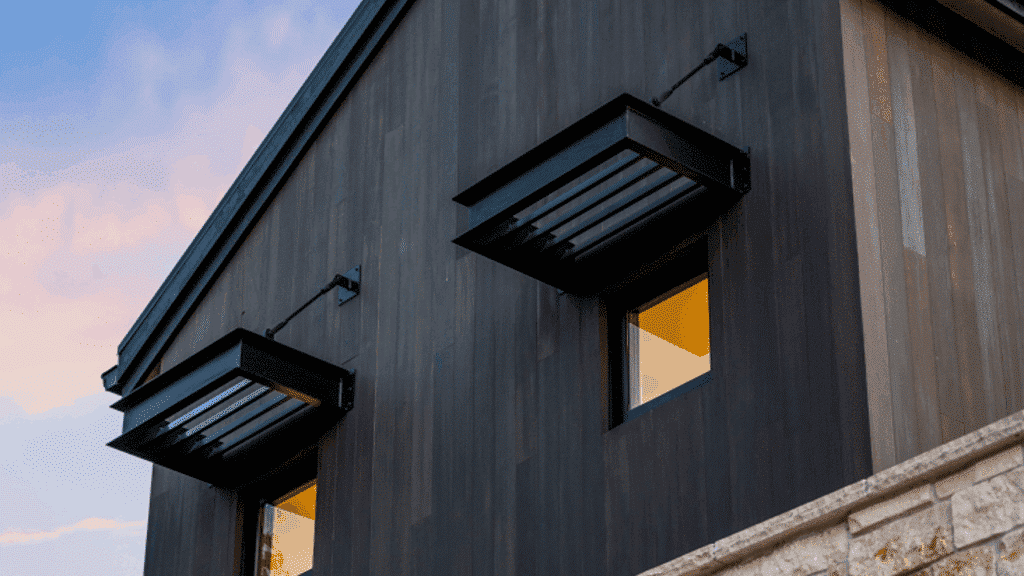
Natural wood siding, often cedar from brands like Shakertown, gives homes rich character and classic curb appeal.
It’s perfect when authenticity matters most, but it does demand consistent care to stay protected from moisture, sun, insects, and everyday wear.
| Pros | Cons |
|---|---|
|
|
Approx cost: $10–$16 per sq. ft installed
Avg. lifespan: 20–40+ years (maintenance dependent)
Best for: Premium custom homes, cottages, cabins, character-driven designs
6. Steel Siding
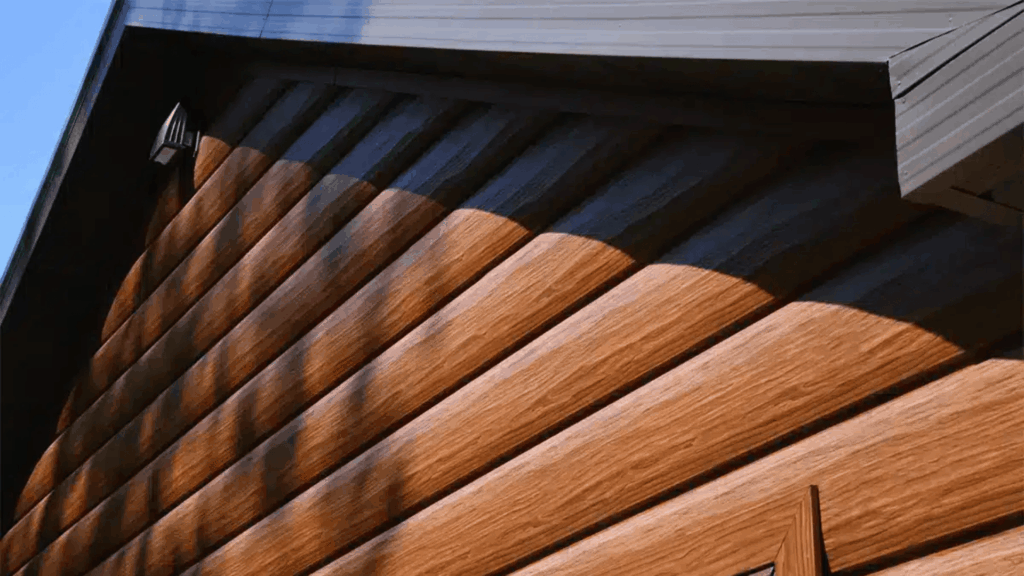
Steel siding from manufacturers like TruLog offers extreme durability and surprisingly stylish options, including log and board-and-batten looks.
It’s a favorite in regions with tough weather and wildfire risk, delivering a long-lasting, low-maintenance exterior that still feels distinctive.
| Pros | Cons |
|---|---|
|
|
Approx cost: $8–$15 per sq. ft installed
Avg. lifespan: 30–50+ years
Best for: Harsh climates, cabins, rural homes, “install and forget it” exteriors
7. Aluminum Siding
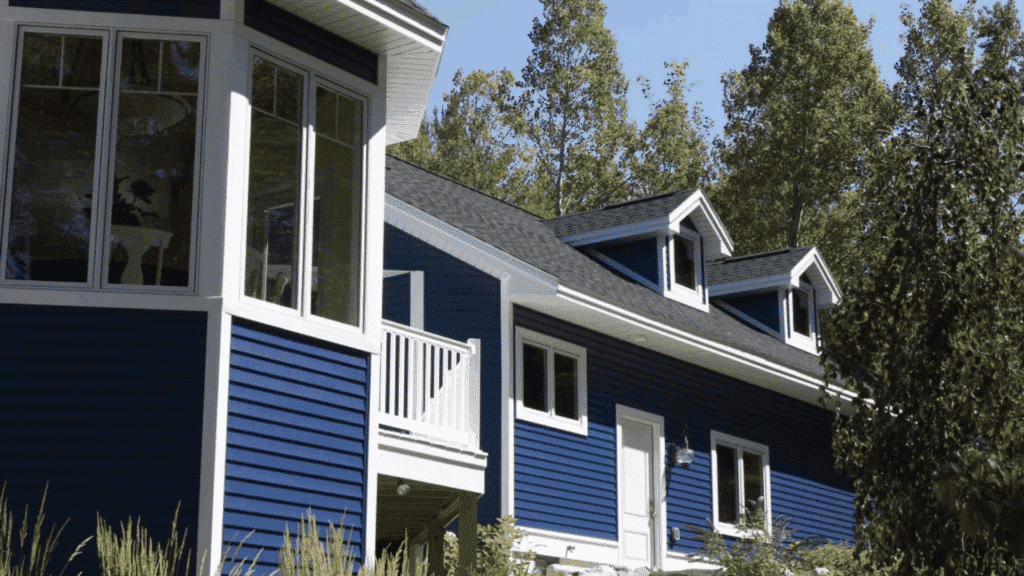
Aluminum siding, offered by companies like Ply Gem, is lightweight, rust-resistant, and naturally fire-safe.
It’s a solid mid-range option, especially in humid or coastal regions where moisture is constant and you want a cladding that won’t rot or swell.
| Pros | Cons |
|---|---|
|
|
Approx cost: $5–$9 per sq. ft installed
Avg. lifespan: 30+ years
Best for: Humid or coastal climates, homeowners wanting metal at a moderate price
8. Traditional Stucco (Cement-Based)
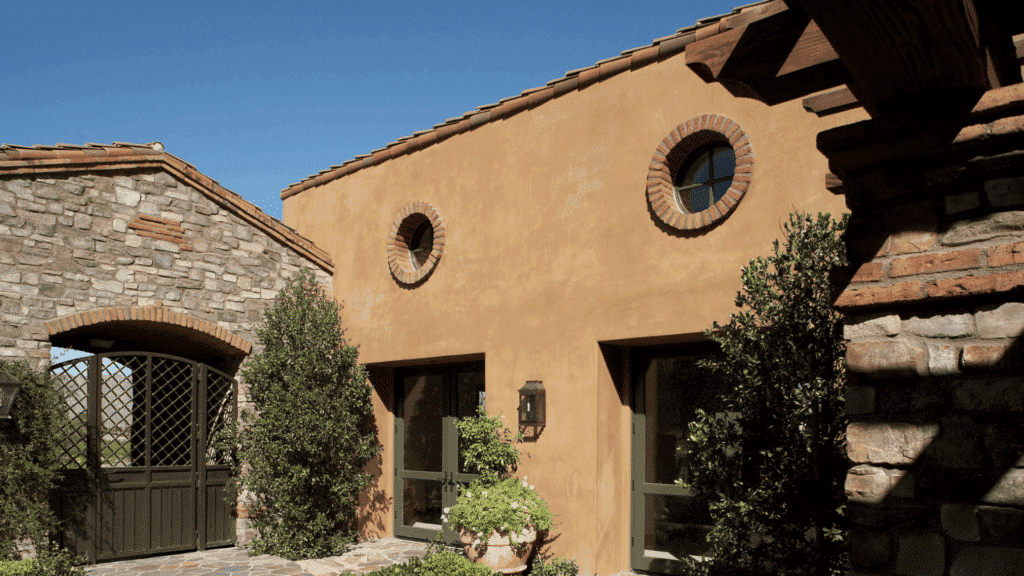
Traditional stucco is a cement-based exterior finish that’s applied in layers to create a thick, textured shell around your home.
LaHabra Stucco does classic stucco performance and style right, offering a seamless look, good fire resistance, and a wide range of colors for Southwest and Mediterranean-inspired designs.
| Pros | Cons |
|---|---|
|
|
Approx cost: $6–$12 per sq. ft installed
Avg. lifespan: 20–50+ years
Best for: Dry, warm regions; Southwest, Spanish, or Mediterranean-inspired homes
9. Brick Veneer Siding
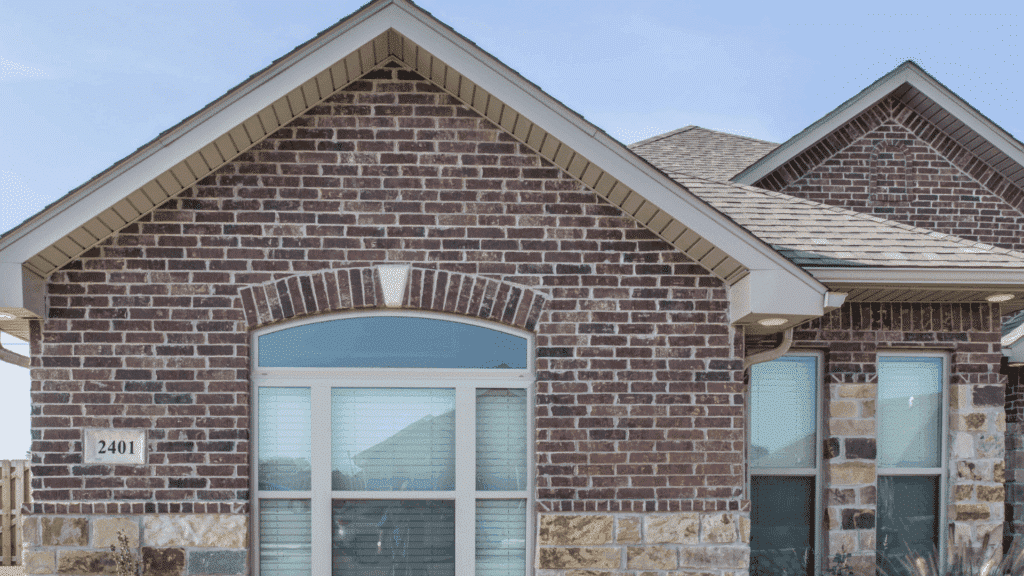
Brick veneer from suppliers like Acme Brick delivers classic, ageless appeal without the weight of full structural brick walls.
It’s extremely durable and low maintenance, adding a feeling of permanence and quality that many buyers instantly recognize.
| Pros | Cons |
|---|---|
|
|
Approx cost: $5–$10 per sq. ft installed (veneer)
Avg. lifespan: 50+ years
Best for: “Forever homes,” high-end neighborhoods, classic or traditional architecture
10. Stone Veneer (Manufactured or Natural)
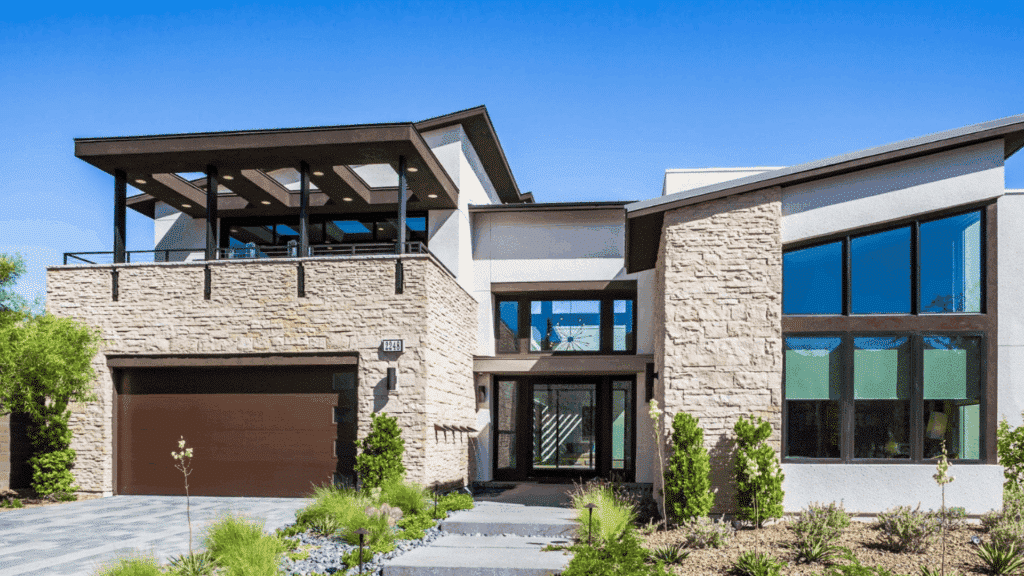
Stone veneer, especially manufactured products from Eldorado Stone, offers upscale curb appeal without full-thickness stone costs.
Often used as an accent, it can also be applied more broadly to create a dramatic, custom look that instantly boosts perceived value.
| Pros | Cons |
|---|---|
|
|
Approx cost: $8–$20 per sq. ft installed
Avg. lifespan: 30–50+ years
Best for: Accent walls, entryways, chimneys, premium exterior upgrades
11. Composite / PVC Siding
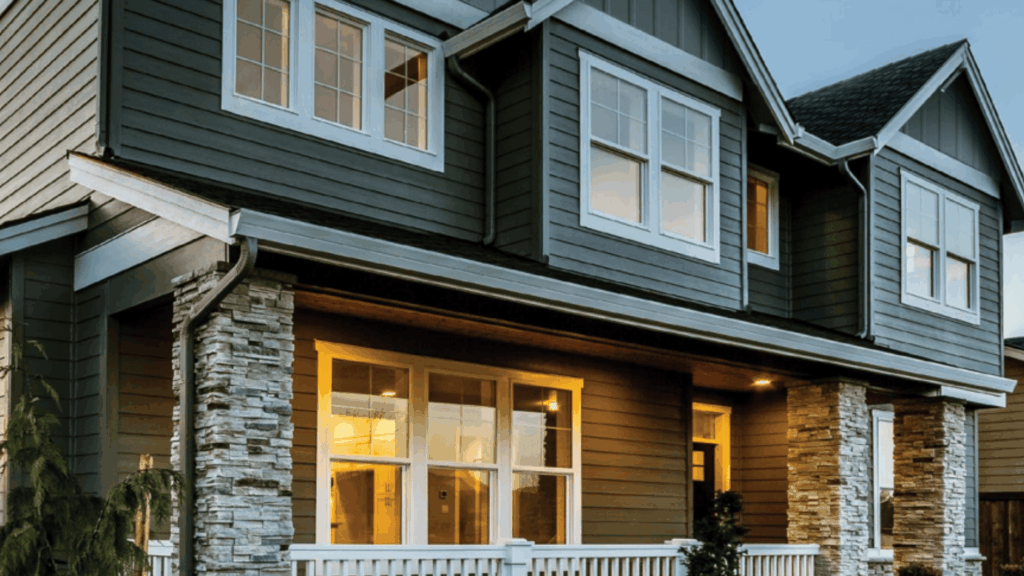
Composite and PVC products like Everlast Advanced Composite Siding are built for ultra-low maintenance.
They resist rot, peeling, and water damage, giving homes a long-lasting, finished look without the constant repainting or re-staining many traditional materials require.
| Pros | Cons |
|---|---|
|
|
Approx cost: $8–$14 per sq. ft installed
Avg. lifespan: 30+ years (often marketed as “lifetime”)
Best for: Coastal or wet climates, homeowners wanting “install it and forget it” siding
12. Synthetic Stucco / EIFS
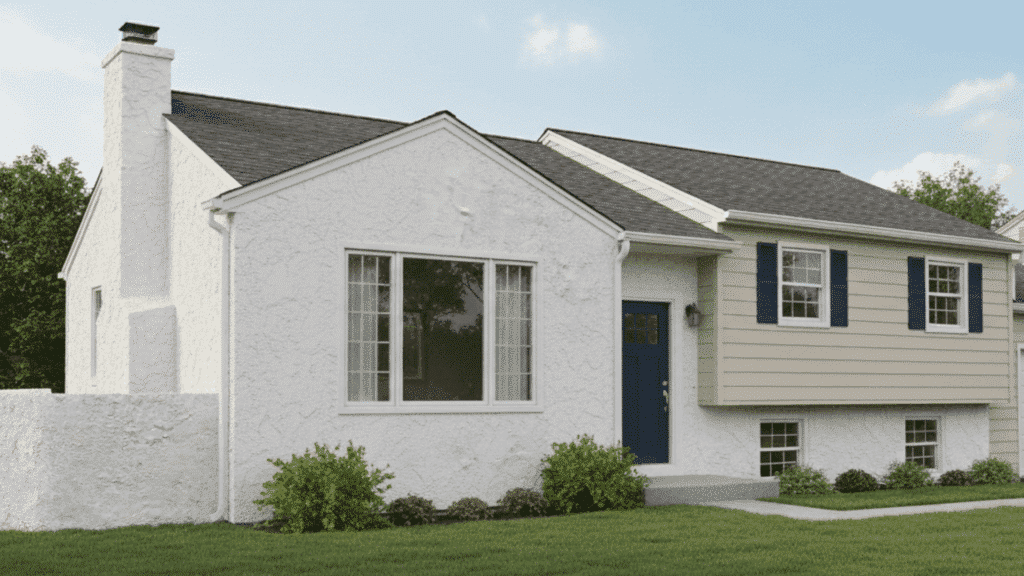
EIFS (Exterior Insulation and Finish Systems) from brands like Dryvit wrap your home in continuous insulation with a synthetic stucco finish.
Modern drainage designs solve many older issues, offering sleek, flexible looks and strong energy performance when properly detailed.
| Pros | Cons |
|---|---|
|
|
Approx cost: $8–$14 per sq. ft installed
Avg. lifespan: 30+ years (with proper detailing and maintenance)
Best for: Energy-efficient new builds, modern designs, performance-focused renovations
How to Choose the Best Replacement Siding for Your Home
By now, you’ve seen how many siding options are out there—so how do you actually pick one? Use this simple, real-world checklist to narrow things down without getting overwhelmed.
1. Decide how long you’ll stay in the home
If you’re planning to move in 5–7 years, budget-friendly options like vinyl, insulated vinyl, or engineered wood usually make more sense.
If this is your “forever home,” materials like fiber cement, steel, brick, stone veneer, or composite can be worth the higher upfront cost.
2. Match the siding to your climate
Cold and wet? Look for materials that handle moisture and freeze–thaw well, like vinyl, fiber cement, engineered wood, or composite.
Hot, dry, or wildfire-prone? Fiber cement, metal, brick, and stucco/EIFS are strong picks. Coastal or very humid? Aluminum, composite, and properly detailed vinyl or fiber cement perform well.
3. Be honest about maintenance
If you hate ladders and paint brushes, aim for low-maintenance choices: vinyl, insulated vinyl, steel, aluminum, composite, brick, stone veneer, or EIFS.
If you don’t mind some upkeep in exchange for a certain look, natural wood, cedar shakes, or traditional stucco might still be worth it.
4. Set a realistic all-in budget
Don’t just compare material prices per square foot. Factor in labor, tear-off of old siding, repairs under the siding, trim, insulation upgrades, and permits.
Often, you’ll find that slightly upgrading the material (e.g., standard vinyl → insulated vinyl, or engineered wood → fiber cement) doesn’t change the total as much as you’d expect.
5. Think about curb appeal and resale
Look at nearby homes: what feels “normal,” what looks dated, and what stands out in a good way? If you might sell in the next decade, picking a widely loved look like fiber cement lap, brick/stone accents, or clean composite boards can help attract buyers and justify your investment.
When you blend time horizon, climate, maintenance, budget, and style, your top two or three siding choices usually become pretty obvious.
Final Thoughts
In the end, the “right” siding is simply the one that fits your home, your climate, and how much time and money you’re comfortable investing over the years.
If budget and easy upkeep matter most, vinyl and insulated vinyl are often a practical place to start.
If you’re thinking longer term and want a more upgraded look, fiber cement or engineered wood can be a nice middle ground.
For a more premium, low-maintenance feel, steel, composite, brick, or stone veneer may be worth exploring.
Narrow it down to a couple of options, compare quotes, and choose what feels like the best fit.

Veronica Lee holds a Master’s degree in Landscape Architecture from Cornell University and has dedicated more than 15 years to transforming outdoor areas into artistic and sustainable spaces. Her career took off in a renowned landscape design firm, where she excelled in creating visually stunning and environmentally responsible designs. In 2019, Veronica brought her expertise to our platform, quickly becoming a key contributor to our outdoor design and sustainability sections. As the lead of our landscape innovation series ever since joining, she has inspired readers with her forward-thinking and practical approach. When not drafting designs, Veronica enjoys pottery and participates in local conservation efforts, activities that complement her professional ethos of blending art with nature.