
Siding replacement quotes confuse homeowners because contractors present wildly different numbers without explaining the differences.
You can solve that problem by breaking down actual costs for every common siding material, house size, and region.
Typical homes cost between $8,000 and $24,000 to re-side in 2025, with vinyl averaging $12,000 to $18,000 and fiber cement running $18,000 to $28,000 for standard two-story homes.
This guide explains material costs per square foot using real store prices, regional labor rate differences, and how to calculate a project based on specific house measurements.
Homeowners can use this information to verify contractor quotes and understand exactly what drives the final price.
How Siding Costs Are Calculated
The basic formula for siding replacement cost is straightforward: total cost equals material cost per square foot plus labor cost per square foot, multiplied by the total siding area, plus any extras like removal and repairs.
Contractors typically quote prices based on wall area measured in square feet, not floor area.
A 2,000-square-foot home usually has between 1,600 and 2,400 square feet of exterior wall surface, depending on the number of stories and roof pitch.
Product listings at stores often price siding by the box, panel, or “square” (100 square feet).
Converting these package prices into cost per square foot allows homeowners to plug real numbers into their project estimates and compare materials accurately.
Key Factors That Affect Siding Replacement Cost
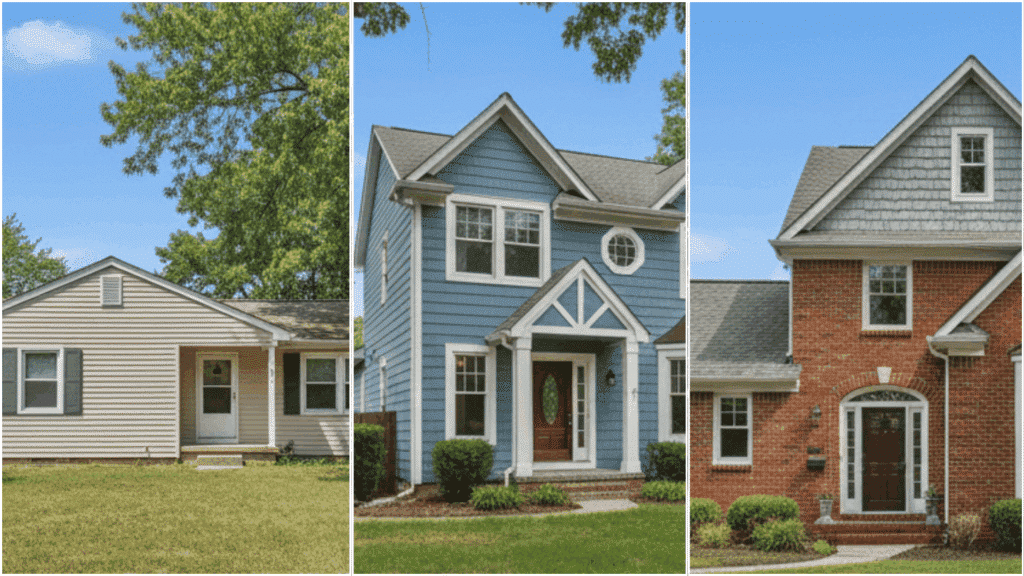
Six main factors control the final cost of a siding project, and each one can swing the total by 20% to 50%.
Material choice has the biggest impact, but house complexity, regional labor rates, and required prep work also drive significant price differences between similar-sized homes.
1. Siding Material & Quality Grade
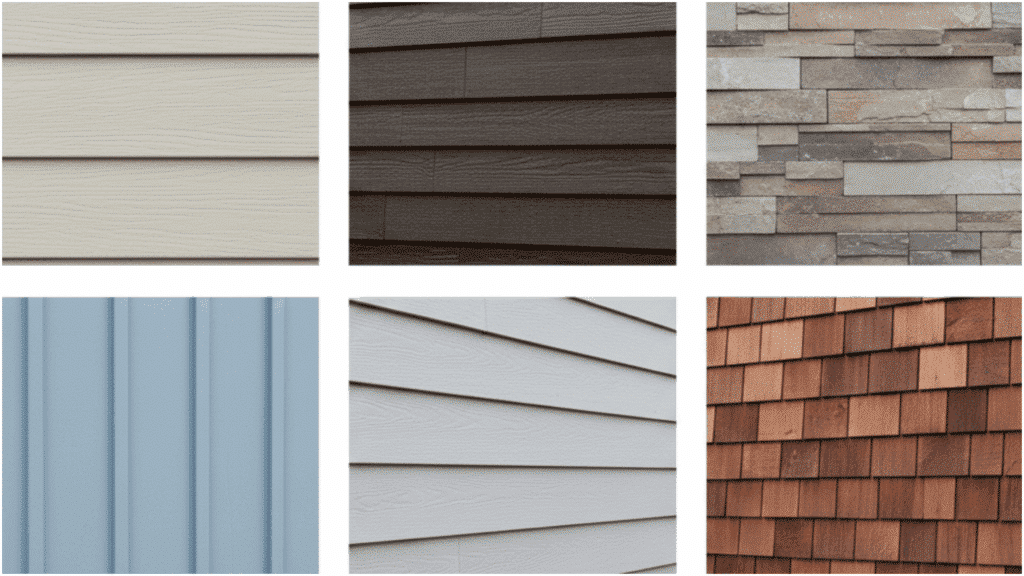
Material choice drives the biggest cost differences. Vinyl sits on the budget-friendly end, while fiber cement, engineered wood, metal, and natural materials like cedar or stone veneer command premium prices.
Within each material category, manufacturers offer good, better, and best product lines with varying warranties, thickness, and durability. Higher-grade products cost more upfront but often last longer and require less maintenance.
2. House Size & Exterior Wall Area
Larger homes naturally cost more to side because they require more panels, fasteners, trim pieces, and labor hours.
However, cost per square foot often decreases slightly on bigger projects because fixed costs like permits, equipment rental, and setup time spread across a larger area.
3. Home Design & Complexity
Simple rectangular ranch homes cost less per square foot on the side than multi-story homes with numerous gables, dormers, bay windows, and corners.
Each architectural feature adds cutting, fitting, and trimming time. The calculator approach later in this guide accounts for this by applying complexity multipliers: simple, moderate, or complex.
4. Region, Labor Rates & Climate
Local wage levels, contractor demand, and climate-related building practices create significant regional price variations.
High-cost-of-living areas typically have higher labor rates. Regions with extreme weather may require additional weather-resistant features or follow stricter building codes, both of which add cost.
5. Removal, Repairs & Prep Work
Removing and disposing of old siding typically adds $1 to $3 per square foot. Contractors may discover rotted sheathing, moisture damage, or pest problems once old siding comes off, leading to additional repair charges.
These surprises are common in older homes and should factor into budget planning.
6. Extras, Insulation & Energy Upgrades
Basic siding installation covers panels and trim, but many projects include upgrades: house wrap, rigid foam insulation boards, insulated siding panels, upgraded corner trim, new vents, shutters, or decorative accents.
Energy-efficient options cost more initially but can reduce heating and cooling bills over time.
Typical Siding Costs by House Size & Material
Translating general factors into specific numbers helps homeowners set realistic budgets.
1. Average Replacement Cost by House Size
For a typical home with mid-range vinyl siding and standard labor:
- 1,000 sq ft (wall area): $6,000–$12,000
- 1,500 sq ft (wall area): $9,000–$18,000
- 2,000 sq ft (wall area): $12,000–$24,000
- 2,500+ sq ft (wall area): $15,000–$30,000+
These ranges assume moderate complexity and include basic removal and prep work.
2. Cost by Material Group
The table below shows installed costs and lifespans for the seven most common siding materials, arranged from least to most expensive.
| Material | Cost Per Sq Ft (Installed) | Lifespan |
|---|---|---|
| Vinyl | $3–$7 | 20–40 years |
| Aluminum | $3–$8 | 25–40 years |
| Engineered Wood | $4–$9 | 20–30 years |
| Fiber Cement | $6–$12 | 30–50 years |
| Natural Wood (Cedar) | $8–$15 | 15–40 years |
| Metal Panels (Steel) | $10–$16 | 40–70 years |
| Brick/Stone Veneer | $15–$30 | 50–100+ years |
Materials at the lower end require less maintenance but may need replacement sooner, while premium options cost more upfront but last longer with proper care.
Actual project costs depend on local labor rates, home complexity, and specific product selection.
How Much Is Vinyl Siding?
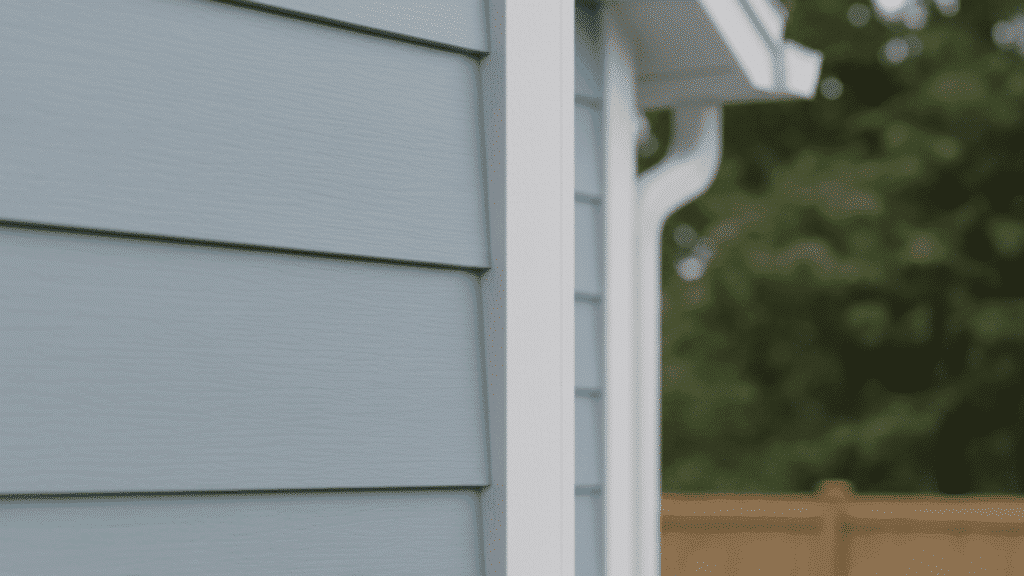
Vinyl siding remains the most popular choice for residential projects due to its balance of cost, durability, and low maintenance.
In 2025, vinyl siding costs typically range from $3 to $7 per square foot installed, with materials alone running $1 to $3 per square foot.
For a mid-size home with 1,800 square feet of wall area, total vinyl siding replacement usually costs between $8,000 and $15,000, including removal, basic prep work, and standard trim.
Premium vinyl products with enhanced warranties or specialty profiles push costs toward the higher end.
Simple Siding Cost Formula
Homeowners can estimate project costs using this formula:
| Total cost ≈ (siding area × material cost per sq ft) + (siding area × labor cost per sq ft × complexity factor) + removal/prep + extras + contingency |
Complexity factors typically range from 1.0 for simple rectangular homes to 1.5 for highly complex designs with multiple stories and architectural details.
A 10% contingency helps cover unexpected repairs discovered during removal.
Example Project: Line-Item Breakdown & Cost Calculator

Understanding how costs break down helps homeowners evaluate contractor quotes and plan budgets.
1. Line-Item Cost Breakdown for a Vinyl Siding Job
A typical vinyl siding project includes:
- Permits & inspections: $200–$500
- Old siding removal & disposal: $1–$3 per sq ft
- House wrap/underlayment: $0.50–$1 per sq ft
- Vinyl panels: $1–$3 per sq ft (materials only)
- Accessories (starter strips, J-channel, corners, trim): $0.50–$1 per sq ft
- Labor: $2–$5 per sq ft
- Extras (shutters, vents, upgraded trim): $200–$1,000
- Delivery, dumpster, equipment rental: $300–$800
This itemized view matches what appears in professional estimates and helps identify where costs concentrate.
2. For a Mid-Size Home with Vinyl
Consider a 2,000-square-foot home (floor area) with 1,800 square feet of siding area, moderate complexity:
Total: $17,360 |
This falls in the typical range for vinyl on a moderately complex home and provides a baseline for comparing contractor quotes.
Siding Cost Differences by Region
Labor rates and local conditions create notable regional price differences, even for identical materials.
| Region | Example States | Price Range vs National Average |
|---|---|---|
| Northeast | NY, MA, CT, NJ | 10–20% above |
| West Coast | CA, WA, OR | 15–25% above |
| Midwest | OH, IN, MI, IL | Near average (±5%) |
| South | TX, FL, GA, NC | 5–15% below |
| Mountain West | CO, UT, ID | 5–10% above |
Regional differences reflect local labor costs, contractor availability, building code requirements, and shipping expenses.
A $15,000 vinyl siding project in Ohio might cost $18,000 in California or $13,000 in Georgia for identical work.
DIY vs Professional Installation & Choosing a Contractor
Deciding between DIY installation and hiring professionals involves weighing cost savings against expertise, speed, and risk.
1. When DIY Works & Risks to Watch For
DIY siding installation makes sense for experienced homeowners tackling small, single-story projects with simple designs.
Material costs drop significantly without labor charges. However, risks include improper flashing leading to water intrusion, warped panels from incorrect fastening, safety hazards from ladder work, and potential voiding of product warranties that require professional installation.
2. Why Use a Professional Install
Professional contractors bring expertise, proper tools, building code knowledge, and workmanship warranties.
They complete projects faster and handle unexpected problems efficiently.
Key questions to ask contractors include proof of licensing and insurance, a detailed scope of work, how they handle change orders, and who obtains permits and schedules inspections.
3. Quick Hiring Checklist
When selecting a contractor:
- Obtain 2–3 written quotes detailing all work and materials
- Check references and view photos of completed projects
- Confirm responsibilities for permits, inspections, and cleanup
- Verify insurance coverage and warranty terms
- Clarify payment schedule and change order procedures
Planning Details That Affect Project Success
Several practical considerations beyond material and labor costs influence project outcomes and final budgets.
- Permits and code compliance matter: Most areas require siding permits costing around $200–$500, and skipping them risks fines, insurance issues, and problems when selling the home.
- Seasonal timing affects pricing: Peak season (late spring–early fall) brings higher labor rates and long waits, while off-season work can cut costs by roughly 10–15% if the weather cooperates.
- Material lifespan changes long-term cost: Vinyl (20–40 years, low maintenance), fiber cement (30–50 years, repaint 10–15 years), and wood (heavy upkeep every 3–5 years) all trade upfront price for future work.
- Accurate measurements drive realistic budgets: Measure exterior walls carefully or hire a contractor so material orders, waste allowances, and quotes reflect real square footage.
- Plan like a checklist, not a guess: Choose materials suited to climate and budget, compare at least three quotes, verify current product prices, schedule during good weather, and keep a 10–15% contingency for hidden repairs.
A bit of planning up front keeps siding projects on budget, on schedule, and far less stressful.
Final Thoughts
Understanding siding costs breaks down to three numbers: material cost per square foot, labor cost per square foot, and total wall area.
Homeowners who research current product prices, account for regional differences, and compare multiple contractor quotes avoid overpaying and budget surprises.
Most vinyl projects cost $12,000 to $18,000, while fiber cement runs $18,000 to $28,000 for typical two-story homes.
Have questions about your specific project or regional pricing? Share your location, house size, and material preferences in the comments below for guidance on realistic budget ranges.

Veronica Lee holds a Master’s degree in Landscape Architecture from Cornell University and has dedicated more than 15 years to transforming outdoor areas into artistic and sustainable spaces. Her career took off in a renowned landscape design firm, where she excelled in creating visually stunning and environmentally responsible designs. In 2019, Veronica brought her expertise to our platform, quickly becoming a key contributor to our outdoor design and sustainability sections. As the lead of our landscape innovation series ever since joining, she has inspired readers with her forward-thinking and practical approach. When not drafting designs, Veronica enjoys pottery and participates in local conservation efforts, activities that complement her professional ethos of blending art with nature.