
When you begin studying collectible porcelain, learning how to authenticate limoges box pieces gives you a deeper understanding of what makes each one special. Recognizing genuine workmanship can help you build a collection you feel proud of while also sharpening your appreciation for the long tradition behind these small artistic creations. As you explore the details that set authentic pieces apart, you develop an eye for quality that grows stronger with every new discovery. Understanding the History Behind Authentic Pieces Authenticity is closely tied to the origins of the craft. Porcelain production in the Limoges region began in the eighteenth century after the discovery of kaolin clay, which allowed artisans to create pieces with a smooth surface and bright finish. The region soon became known for its skilled workshops, each developing its own approach to shaping, firing, and painting porcelain. Small hand painted boxes emerged from this environment as charming items that combined artistry with practical use, eventually gaining recognition around the world. When you take time to learn how these traditions developed, you start to understand why certain marks, styles, and methods appear on genuine pieces. Recognizing Official Marks on the Underside A key step when you want to authenticate a piece is examining the underside for official marks. Most genuine boxes include a stamp that identifies the region of origin. The wording and style of these marks have changed across different workshops and time periods, so you may see variations that reflect the era in which a piece was created. Some stamps highlight hand painted work, while others focus on regional production. A clear, well placed mark usually indicates that the piece came from an established workshop. Marks that appear faint, irregular, or overly generic may require closer attention. Studying known examples from various periods helps you interpret these details with greater accuracy. The Importance of Artist Signatures Many authentic boxes carry a signature or initials from the painter who completed the artwork. These signatures vary in style, yet they usually appear with intention and fit naturally within the design. A genuine signature is typically steady and deliberate rather than rushed or uneven. While not every authentic piece includes one, especially older designs, the presence of a clear signature can be a useful indicator of authenticity. It also gives you a connection to the individual artist whose skill shaped the final appearance of the piece. When you study different signatures and match them with known painters, you begin to recognize recurring traits that can guide your collecting journey. Examining Craftsmanship and Porcelain Quality Craftsmanship often provides the strongest clues when you want to authenticate limoges box pieces. Genuine porcelain is known for its smooth texture, refined shape, and bright, even finish. The painting on an authentic piece usually shows patience and controlled brushwork, with thoughtful use of color and balanced detail. Metal fittings are shaped by hand and attached with attention so that the lid opens and closes smoothly. In contrast, reproductions may display uneven surfaces, paint that lacks depth, or fittings that feel stiff or misaligned. Taking time to observe the piece under good lighting and from different angles helps you notice these distinguishing features. With practice, your awareness of quality becomes more natural. Insider Tips for Confident Collecting Collectors often rely on a mix of observation, comparison, and research. Studying pieces side by side helps you see differences in painting style, shape, and glaze that may not stand out otherwise. Reading about historic workshops and their distinctive traits offers insight that builds your understanding. Conversations with experienced collectors or reviewing trusted references can also help when you encounter pieces that feel unfamiliar. As your experience grows, your instincts become more refined and your confidence increases. This steady approach supports a rewarding collecting journey and a richer appreciation for the art behind each creation. Materials and Firing Techniques That Define Authenticity When studying a limoges box, understanding the materials and firing techniques can give you valuable insight into its authenticity. The porcelain used in these pieces is made from kaolin clay, which provides a smooth surface and a slightly translucent quality when held up to light. The shaping process requires skill and precision to achieve a flawless form, and imperfections at this stage are usually minimal. After shaping, the porcelain undergoes multiple firings in carefully controlled kilns. Each firing strengthens the material and prepares it for painting and glazing. The glaze itself is applied with care to enhance the brightness and durability of the surface, creating a finish that feels both luminous and smooth to the touch. Observing how the glaze interacts with the painting can help you recognize the work of trained artisans. Common Pitfalls When Evaluating a Piece As you explore the world of collectible porcelain, there are certain pitfalls to watch for that can affect your assessment of authenticity. One common issue is relying solely on appearance without considering historical context. Some modern reproductions can appear convincing at first glance, but examining the materials, marks, and painting style often reveals differences. Another challenge is misinterpreting marks or signatures. Older pieces may have worn or faded stamps, and some artists used initials or variations in style that require careful comparison with verified examples. Handling the piece incorrectly can also lead to misjudging its quality, especially if you are not used to assessing the weight, texture, or balance of authentic porcelain. Building Confidence Through Observation and Research Developing confidence in recognizing genuine limoges boxes comes from a combination of careful observation and research over time. By spending time with multiple pieces, you start to notice subtle differences in painting style, brushwork, and metalwork that indicate the hand of a skilled artisan. Researching the history of workshops and the evolution of marks and signatures provides a framework for comparison. Photographs, reference books, and articles from knowledgeable sources can offer examples that highlight variations across time periods or artistic schools. Keeping notes or records of the pieces you study allows you to track patterns and refine your understanding. Exploring the details, history, and artistry of limoges boxes reveals the care and skill involved in their creation. Each piece carries a quiet story that reflects both tradition and the creativity of the artisans who shaped it. When you begin studying collectible porcelain, learning how to authenticate limoges box pieces gives you a deeper understanding of what makes each one special. Recognizing genuine workmanship can help you build a collection you feel proud of while also sharpening your appreciation for the long tradition behind these small artistic creations. As you explore the details that set authentic pieces apart, you develop an eye for quality that grows stronger with every new discovery. Understanding the History Behind Authentic Pieces Authenticity is closely tied to the origins of the craft. Porcelain production in the Limoges region began in the eighteenth century after the discovery of kaolin clay, which allowed artisans to create pieces with a smooth surface and bright finish. The region soon became known for its skilled workshops, each developing its own approach to shaping, firing, and painting porcelain. Small hand painted boxes emerged from this environment as charming items that combined artistry with practical use, eventually gaining recognition around the world. When you take time to learn how these traditions developed, you start to understand why certain marks, styles, and methods appear on genuine pieces. Recognizing Official Marks on the Underside A key step when you want to authenticate a piece is examining the underside for official marks. Most genuine boxes include a stamp that identifies the region of origin. The wording and style of these marks have changed across different workshops and time periods, so you may see variations that reflect the era in which a piece was created. Some stamps highlight hand painted work, while others focus on regional production. A clear, well placed mark usually indicates that the piece came from an established workshop. Marks that appear faint, irregular, or overly generic may require closer attention. Studying known examples from various periods helps you interpret these details with greater accuracy. The Importance of Artist Signatures Many authentic boxes carry a signature or initials from the painter who completed the artwork. These signatures vary in style, yet they usually appear with intention and fit naturally within the design. A genuine signature is typically steady and deliberate rather than rushed or uneven. While not every authentic piece includes one, especially older designs, the presence of a clear signature can be a useful indicator of authenticity. It also gives you a connection to the individual artist whose skill shaped the final appearance of the piece. When you study different signatures and match them with known painters, you begin to recognize recurring traits that can guide your collecting journey. Examining Craftsmanship and Porcelain Quality Craftsmanship often provides the strongest clues when you want to authenticate limoges box pieces. Genuine porcelain is known for its smooth texture, refined shape, and bright, even finish. The painting on an authentic piece usually shows patience and controlled brushwork, with thoughtful use of color and balanced detail. Metal fittings are shaped by hand and attached with attention so that the lid opens and closes smoothly. In contrast, reproductions may display uneven surfaces, paint that lacks depth, or fittings that feel stiff or misaligned. Taking time to observe the piece under good lighting and from different angles helps you notice these distinguishing features. With practice, your awareness of quality becomes more natural. Insider Tips for Confident Collecting Collectors often rely on a mix of observation, comparison, and research. Studying pieces side by side helps you see differences in painting style, shape, and glaze that may not stand out otherwise. Reading about historic workshops and their distinctive traits offers insight that builds your understanding. Conversations with experienced collectors or reviewing trusted references can also help when you encounter pieces that feel unfamiliar. As your experience grows, your instincts become more refined and your confidence increases. This steady approach supports a rewarding collecting journey and a richer appreciation for the art behind each creation. Materials and Firing Techniques That Define Authenticity When studying a limoges box, understanding the materials and firing techniques can give you valuable insight into its authenticity. The porcelain used in these pieces is made from kaolin clay, which provides a smooth surface and a slightly translucent quality when held up to light. The shaping process requires skill and precision to achieve a flawless form, and imperfections at this stage are usually minimal. After shaping, the porcelain undergoes multiple firings in carefully controlled kilns. Each firing strengthens the material and prepares it for painting and glazing. The glaze itself is applied with care to enhance the brightness and durability of the surface, creating a finish that feels both luminous and smooth to the touch. Observing how the glaze interacts with the painting can help you recognize the work of trained artisans. Common Pitfalls When Evaluating a Piece As you explore the world of collectible porcelain, there are certain pitfalls to watch for that can affect your assessment of authenticity. One common issue is relying solely on appearance without considering historical context. Some modern reproductions can appear convincing at first glance, but examining the materials, marks, and painting style often reveals differences. Another challenge is misinterpreting marks or signatures. Older pieces may have worn or faded stamps, and some artists used initials or variations in style that require careful comparison with verified examples. Handling the piece incorrectly can also lead to misjudging its quality, especially if you are not used to assessing the weight, texture, or balance of authentic porcelain. Building Confidence Through Observation and Research Developing confidence in recognizing genuine limoges boxes comes from a combination of careful observation and research over time. By spending time with multiple pieces, you start to notice subtle differences in painting style, brushwork, and metalwork that indicate the hand of a skilled artisan. Researching the history of workshops and the evolution of marks and signatures provides a framework for comparison. Photographs, reference books, and articles from knowledgeable sources can offer examples that highlight variations across time periods or artistic schools. Keeping notes or records of the pieces you study allows you to track patterns and refine your understanding. Exploring the details, history, and artistry of limoges boxes reveals the care and skill involved in their creation. Each piece carries a quiet story that reflects both tradition and the creativity of the artisans who shaped it.

How to Authenticate a Limoges Box: Marks, Signatures & Insider Tips

When you begin studying collectible porcelain, learning how to authenticate limoges box pieces gives you a deeper understanding of what makes each one special.

Recognizing genuine workmanship can help you build a collection you feel proud of while also sharpening your appreciation for the long tradition behind these small artistic creations. As you explore the details that set authentic pieces apart, you develop an eye for quality that grows stronger with every new discovery.

Understanding the History Behind Authentic Pieces

Authenticity is closely tied to the origins of the craft. Porcelain production in the Limoges region began in the eighteenth century after the discovery of kaolin clay, which allowed artisans to create pieces with a smooth surface and bright finish. The region soon became known for its skilled workshops, each developing its own approach to shaping, firing, and painting porcelain.

Small hand painted boxes emerged from this environment as charming items that combined artistry with practical use, eventually gaining recognition around the world. When you take time to learn how these traditions developed, you start to understand why certain marks, styles, and methods appear on genuine pieces.

Recognizing Official Marks on the Underside

A key step when you want to authenticate a piece is examining the underside for official marks. Most genuine boxes include a stamp that identifies the region of origin. The wording and style of these marks have changed across different workshops and time periods, so you may see variations that reflect the era in which a piece was created. Some stamps highlight hand painted work, while others focus on regional production.

A clear, well placed mark usually indicates that the piece came from an established workshop. Marks that appear faint, irregular, or overly generic may require closer attention. Studying known examples from various periods helps you interpret these details with greater accuracy.

The Importance of Artist Signatures

Many authentic boxes carry a signature or initials from the painter who completed the artwork. These signatures vary in style, yet they usually appear with intention and fit naturally within the design. A genuine signature is typically steady and deliberate rather than rushed or uneven.

While not every authentic piece includes one, especially older designs, the presence of a clear signature can be a useful indicator of authenticity. It also gives you a connection to the individual artist whose skill shaped the final appearance of the piece. When you study different signatures and match them with known painters, you begin to recognize recurring traits that can guide your collecting journey.

Examining Craftsmanship and Porcelain Quality

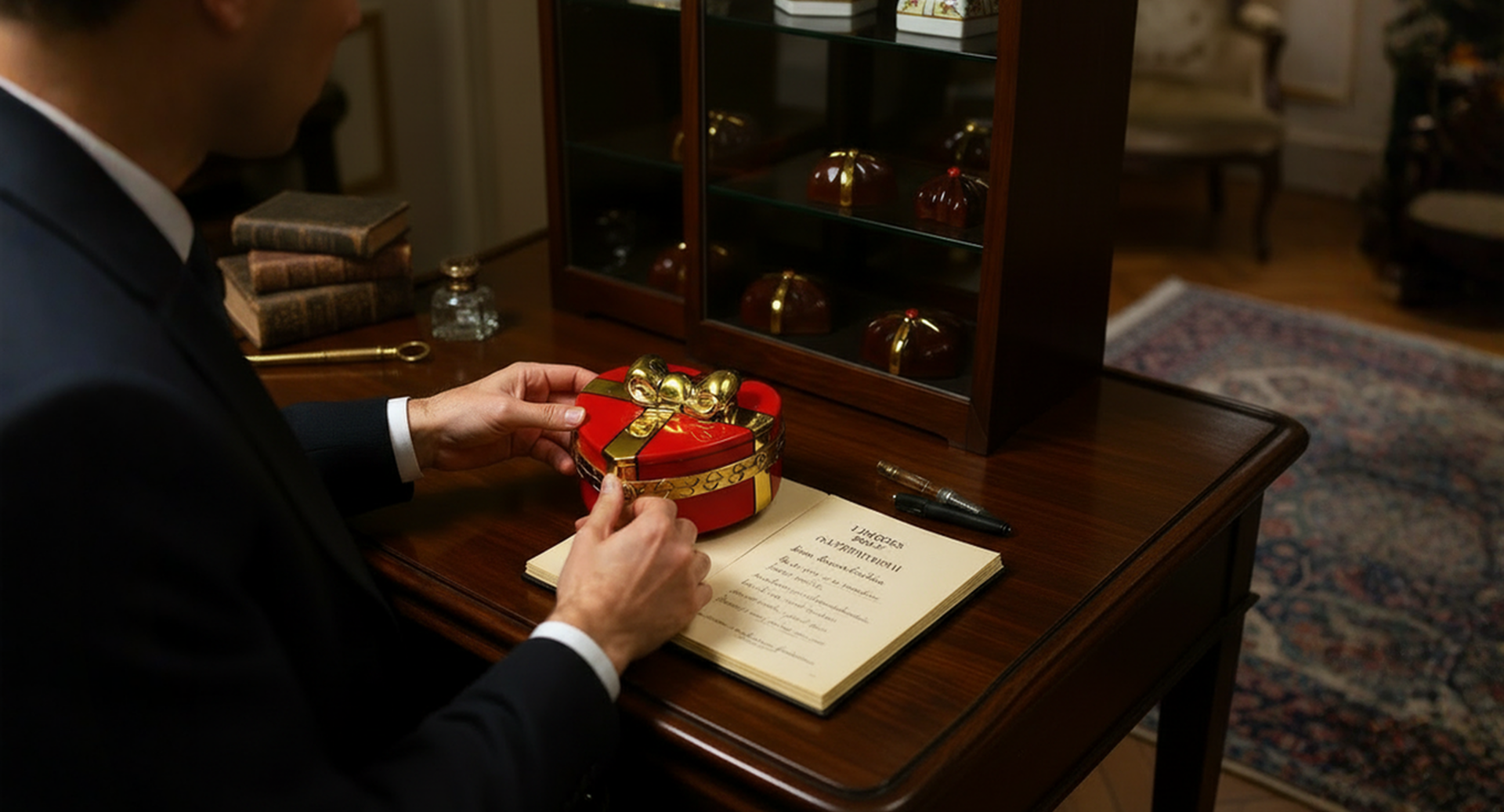
Craftsmanship often provides the strongest clues when you want to authenticate limoges box pieces. Genuine porcelain is known for its smooth texture, refined shape, and bright, even finish. The painting on an authentic piece usually shows patience and controlled brushwork, with thoughtful use of color and balanced detail.

Metal fittings are shaped by hand and attached with attention so that the lid opens and closes smoothly. In contrast, reproductions may display uneven surfaces, paint that lacks depth, or fittings that feel stiff or misaligned. Taking time to observe the piece under good lighting and from different angles helps you notice these distinguishing features. With practice, your awareness of quality becomes more natural.

Insider Tips for Confident Collecting

Collectors often rely on a mix of observation, comparison, and research. Studying pieces side by side helps you see differences in painting style, shape, and glaze that may not stand out otherwise. Reading about historic workshops and their distinctive traits offers insight that builds your understanding.

Conversations with experienced collectors or reviewing trusted references can also help when you encounter pieces that feel unfamiliar. As your experience grows, your instincts become more refined and your confidence increases. This steady approach supports a rewarding collecting journey and a richer appreciation for the art behind each creation.

Materials and Firing Techniques That Define Authenticity

When studying a limoges box, understanding the materials and firing techniques can give you valuable insight into its authenticity. The porcelain used in these pieces is made from kaolin clay, which provides a smooth surface and a slightly translucent quality when held up to light. The shaping process requires skill and precision to achieve a flawless form, and imperfections at this stage are usually minimal.

After shaping, the porcelain undergoes multiple firings in carefully controlled kilns. Each firing strengthens the material and prepares it for painting and glazing. The glaze itself is applied with care to enhance the brightness and durability of the surface, creating a finish that feels both luminous and smooth to the touch. Observing how the glaze interacts with the painting can help you recognize the work of trained artisans.

Common Pitfalls When Evaluating a Piece

As you explore the world of collectible porcelain, there are certain pitfalls to watch for that can affect your assessment of authenticity. One common issue is relying solely on appearance without considering historical context. Some modern reproductions can appear convincing at first glance, but examining the materials, marks, and painting style often reveals differences. Another challenge is misinterpreting marks or signatures.

Older pieces may have worn or faded stamps, and some artists used initials or variations in style that require careful comparison with verified examples. Handling the piece incorrectly can also lead to misjudging its quality, especially if you are not used to assessing the weight, texture, or balance of authentic porcelain.

Building Confidence Through Observation and Research

Developing confidence in recognizing genuine limoges boxes comes from a combination of careful observation and research over time. By spending time with multiple pieces, you start to notice subtle differences in painting style, brushwork, and metalwork that indicate the hand of a skilled artisan. Researching the history of workshops and the evolution of marks and signatures provides a framework for comparison.

Photographs, reference books, and articles from knowledgeable sources can offer examples that highlight variations across time periods or artistic schools. Keeping notes or records of the pieces you study allows you to track patterns and refine your understanding.

Exploring the details, history, and artistry of limoges boxes reveals the care and skill involved in their creation. Each piece carries a quiet story that reflects both tradition and the creativity of the artisans who shaped it.

Leave a Reply

Your email address will not be published. Required fields are marked *