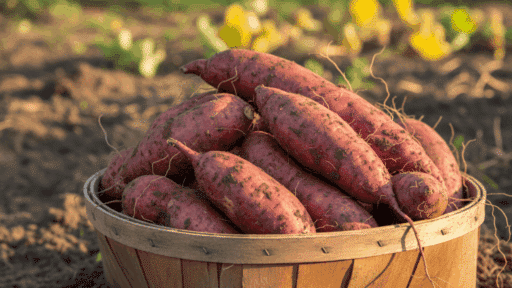
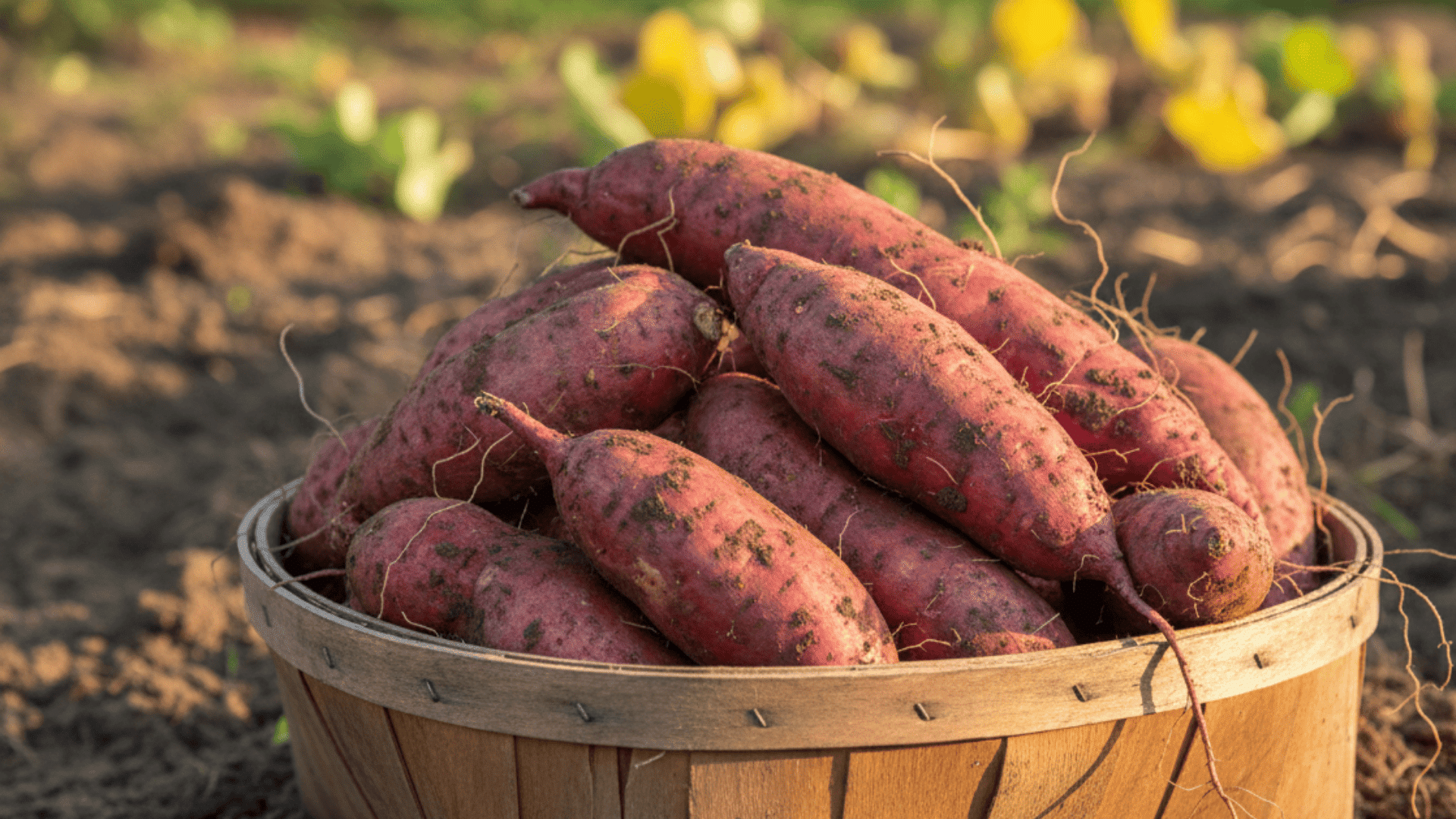

Sweet potatoes are one of the most satisfying crops to grow at home because they produce a big harvest from a small space.
With warm weather, steady sunlight, and loose soil, the plants grow quickly and reward you with sweet, storable roots. Timing matters, though.
Planting too early in cool soil slows growth, while harvesting too late can risk cold damage and cracked skins.
Knowing the typical growth window helps you plan your season, choose the right variety, and protect young slips during early establishment.
A clear timeline also makes harvest and curing smoother for better flavor.
How Long Does a Sweet Potato Take to Grow and Mature?
Sweet potatoes develop through distinct growth phases. During weeks 1–2, the slips establish their root systems in the soil.
From weeks 3–6, vine growth accelerates as the plants build their above-ground structure. The real tuber development happens from weeks 6–12 and beyond, when the roots bulk up rapidly.
“Mature” means the tubers have reached full size for their variety, developed a set skin that resists damage, and built up the starches that will convert to sugars during curing.
Days to maturity vary by variety and climate because sweet potatoes are heat-loving plants; they grow faster and produce more in long, hot summers than in cooler, shorter growing seasons.
What Affects How Fast Sweet Potatoes Grow?
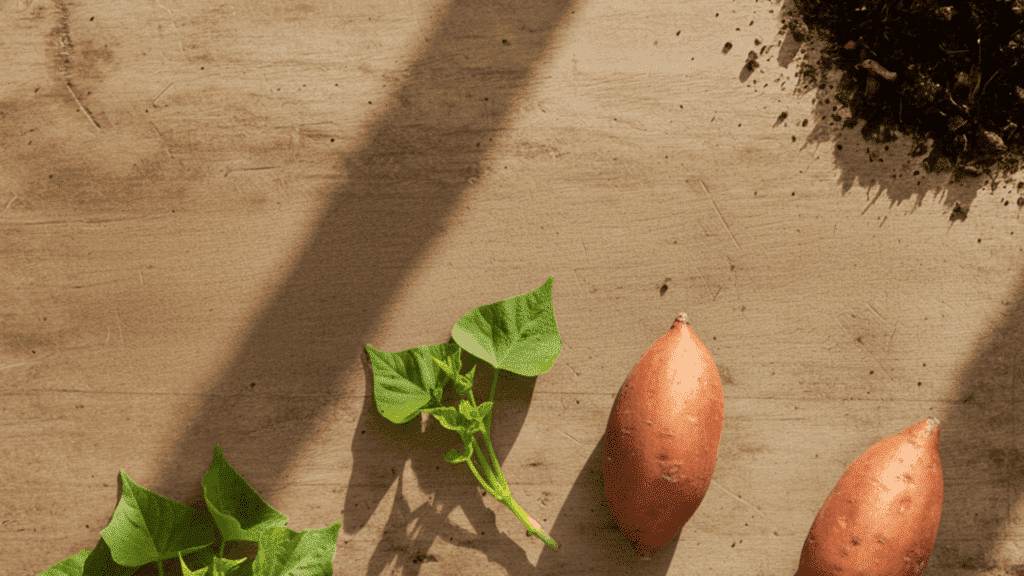
Sweet potatoes grow at their best when the whole setup stays warm, bright, and steady. A small change in heat, soil, or watering can shift the harvest timeline by weeks.
1. Temperature and Season Length
These two play the one of the biggest roles. Sweet potatoes thrive in warm weather, and consistent heat speeds growth considerably.
A long, hot summer means faster maturation than a cool one.
2. Soil Type and Drainage
Light, sandy soils warm quickly and allow roots to expand easily, while heavy clay soils stay cooler and can slow tuber development. Well-draining soil prevents waterlogged conditions that stunt growth.
3. Sunlight Hours
The hours directly impact productivity. Sweet potatoes need at least 6 hours of direct sun daily, but they prefer 8–10 hours.
More sunlight means more energy for both vine and tuber growth, though the plant must balance between the two.
4. Water Consistency
It affects how fast tubers size up. Irregular watering or drought stress slows bulking, while steady moisture supports continuous growth. However, overwatering promotes rot and disease rather than faster growth.
5. Variety Choice
Variety choice determines baseline timeline. Some varieties are bred for shorter growing seasons (85–100 days), while others need the full 120+ days to develop properly. Match your variety to your frost-free window.
Planting Sweet Potato Facts
- Hardiness: Tender warm-season annual; frost damages top growth; requires warm weather
- Sun requirements: At least 6 hours daily; prefers 8–10 hours daily
- Spacing: 12 inches in-row × 40 inches between rows
- Fertilizer needs: Medium; add compost before planting; side-dress nitrogen once or twice on sandy soils
- Expected yield: 15–30 pounds per 10-foot row
How to Grow Sweet Potatoes?
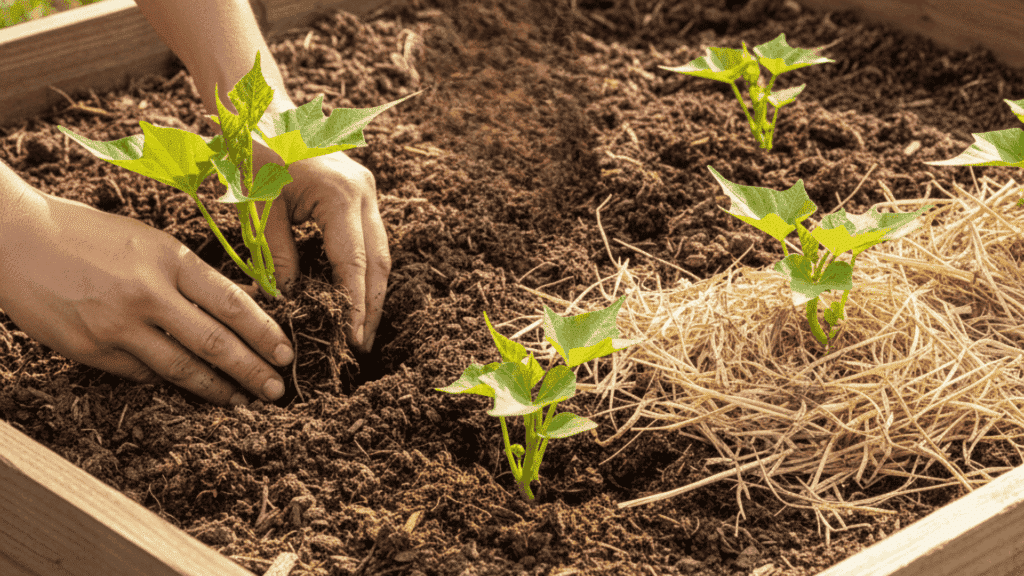
Getting sweet potatoes off to a strong start means choosing healthy slips, preparing good soil, and planting at the right time. Follow these steps for the best establishment.
Step 1: Source healthy slips. Start with rooted sprouts (slips) from mature sweet potatoes. Produce your own from store-bought sweet potatoes, purchase from nurseries, or order from seed companies; nursery slips often come certified disease-free. Step 2: Choose your growing location. In-ground beds work well with naturally loose, well-draining soil. Raised beds offer excellent drainage and warmer soil temperatures. Containers need at least 12 inches of depth and good drainage holes. Step 3: Prepare the soil. Loosen soil to 8–10 inches deep and work in compost or aged manure. Sweet potatoes prefer slightly acidic soil (pH 5.8–6.2) that drains well, and avoid heavy amendments that hold too much moisture. Step 4: Plant after frost danger passes. Wait until soil temperatures reach at least 60°F. Bury each slip up to its bottom leaves, spacing them 12 inches apart in rows 40 inches apart, then water thoroughly. Step 5: Mulch and manage vines. Apply mulch around plants once established to suppress weeds and maintain soil moisture. As vines grow, avoid breaking or damaging them since each break can reduce yield; let them spread naturally or train them to stay within your bed area. |
How to Care for Sweet Potatoes?
Sweet potatoes need consistent but not excessive care once established. Focus on proper watering, light feeding, and letting the vines do their work.
Water regularly during establishment: Once plants are growing actively, deliver about 1 inch of water weekly, increasing during the peak tuber-bulking phase (weeks 6–12+), then reduce watering 2–3 weeks before harvest to let skins set.
Fertilize sparingly: Too much nitrogen early promotes leafy growth at the expense of tuber development. Apply a balanced fertilizer or compost at planting, then side-dress with nitrogen once or twice during the season, only if growing in sandy soil.
Weed carefully early, then let vines take over: Hand-weed around young plants until vines fill in. Once the vines spread, they create natural ground cover that suppresses most weed growth on its own.
Stop watering before harvest: Cut off irrigation 2–3 weeks before your planned harvest date to help skins toughen up and prepare tubers for digging and storage.
Keep your care routine simple and avoid overdoing water or fertilizer. Sweet potatoes are fairly self-sufficient once they’re growing well.
Pests and Other Common Problems
Watch for wireworms and flea beetles, which damage leaves and occasionally bore into tubers. In Southern states, sweet potato weevils pose a serious threat.
Root rot and tuber diseases develop in poorly drained or overwatered soil. Plant in well-draining locations and avoid excessive irrigation, especially late in the season.
Prevention works best: rotate sweet potato crops to new locations each year, start with clean slips, provide good air circulation between plants, and maintain healthy soil with organic matter.
When to Harvest Sweet Potatoes?
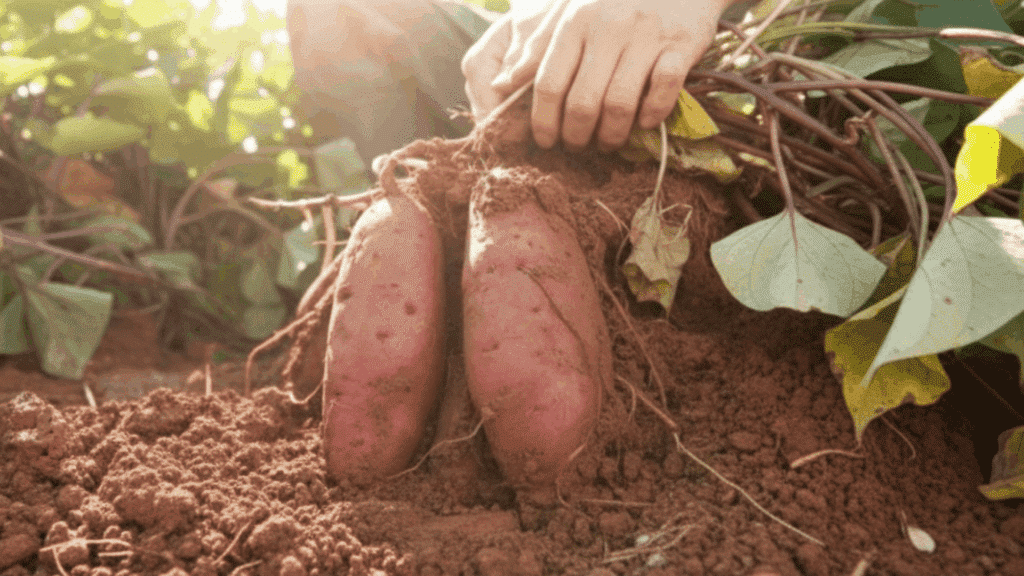
Start checking for harvest readiness based on your variety’s days-to-maturity rating. If you planted a 100-day variety on June 1, begin evaluating in early September.
Look for visual cues: vine yellowing or die-back, which signals the plant is redirecting energy to the tubers. Check tuber size by carefully digging near one plant. If most tubers are 3–4 inches in diameter, they’re ready.
Dig carefully with a garden fork, starting 12–18 inches from the plant base to avoid piercing tubers.
Lift the entire root mass gently. Brush off loose soil, but don’t wash the tubers; moisture invites rot. Handle carefully since freshly dug skins are tender and easily damaged.
How to Store and Preserve Sweet Potatoes
Proper curing and storage transform freshly dug sweet potatoes into sweet, shelf-stable tubers that last for months. Start with curing to heal the skin and develop sugars, then move to long-term storage for the best results.
| Method | Conditions | Duration |
|---|---|---|
| Curing | 80–85°F, humid, good airflow | 7–10 days |
| Storage | 55–60°F, dry, dark, ventilated | 6–12 months |
| Freezing | Cook first, then freeze | 10–12 months |
| Dehydrating | Slice thin, dry completely | 6–12 months |
| Canning | Pressure can only (not water bath) | 12–18 months |
Cure immediately after harvest, then move to cool storage once skins have toughened. This combination gives you the longest shelf life and best flavor.
Conclusion
Sweet potatoes thrive when conditions stay warm, bright, and consistent. Once slips are established, vines expand fast, then tubers size up during the main bulking phase.
Steady watering early supports growth, and cutting back water before harvest helps skins toughen for digging and storage.
Harvest before cold weather, handle roots gently, and cure them properly to improve sweetness and shelf life.
With the right variety and a simple routine, sweet potatoes deliver reliable yields and long-lasting food from a home garden. Share what varieties you grow and what planting or harvest timing works best.

With a Master’s in Landscape Architecture from the University of Virginia, Sophia Stephenson has dedicated the last 20 years to creating and maintaining vibrant outdoor spaces. Her professional journey started in landscape design, where she gained a reputation for innovative and sustainable approaches. Sophia became a part of our editorial team as a freelancer in 2019, offering a fresh perspective on outdoor living. Since 2020, she has been the chief for our outdoor design content, blending aesthetic appeal with environmental stewardship. In her leisure time, Sophia is a keen photographer, capturing the beauty of natural landscapes, a hobby that complements her professional expertise.