
The air moving through a home carries more than just warmth or cool relief.
Dust, pollen, and tiny particles travel along with it, quietly collecting in one place.
When that buildup goes unnoticed, comfort levels shift and energy use rises.
This is why questions around how often to change air filter matter more than many realize.
Research shows a clogged filter can increase energy use by up to 15 percent while placing extra strain on the HVAC system.
Filter size, household activity, and air quality all influence timing.
The sections ahead break down these factors and explain what really determines the right replacement schedule.
How an Air Filter Works?
An air filter works by cleaning the air before it moves through the heating and cooling system.
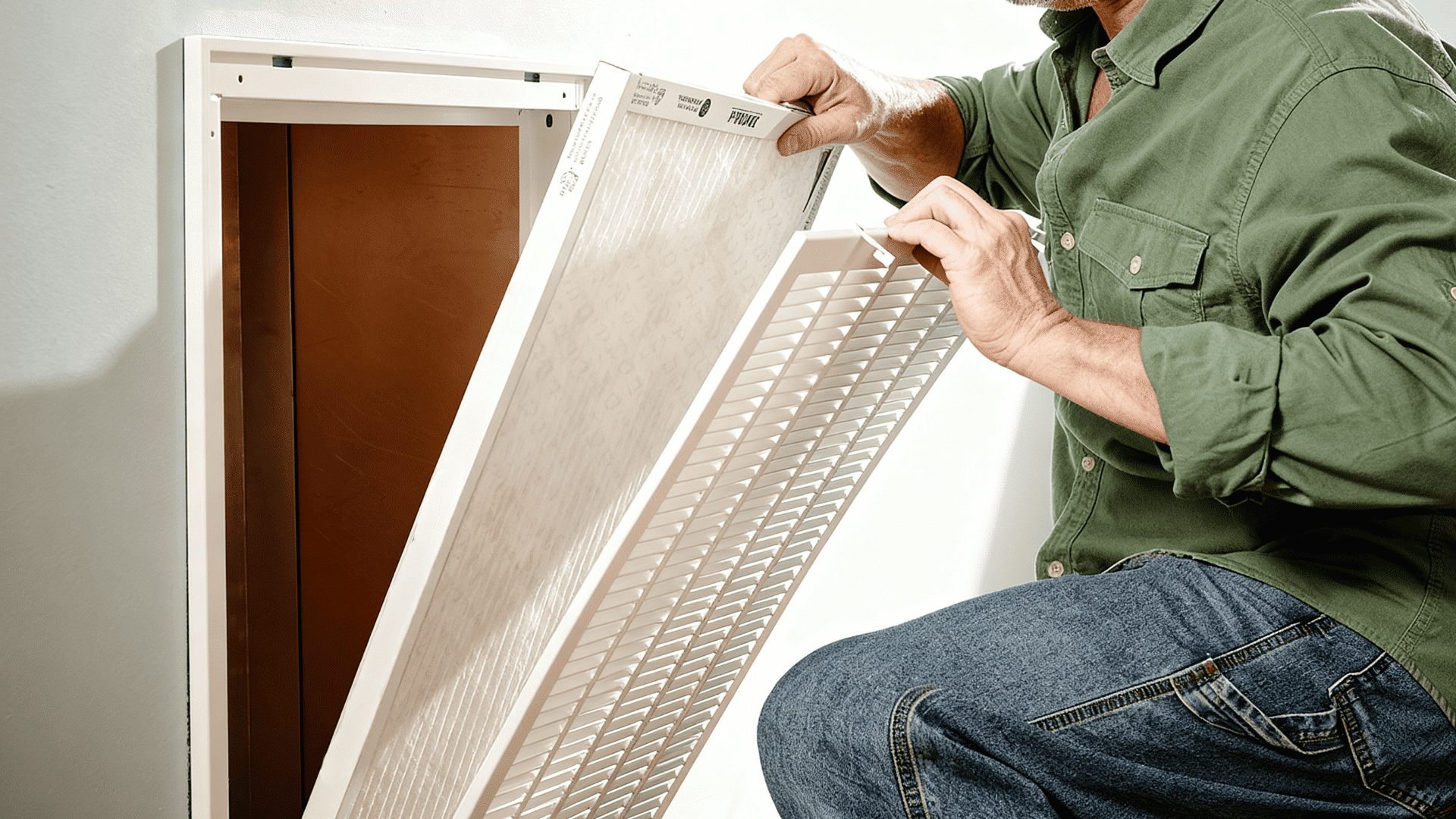
When the system turns on, air is pulled in through return vents and pushed through the filter. The filter material catches unwanted particles such as dust, pollen, pet hair, and other debris.
Larger particles are trapped on the surface of the filter, while smaller particles are caught inside the filter fibers.
This stops those particles from moving through the ducts and spreading around the home.
It also helps protect internal system parts like the fan and coils from dirt buildup.
A clean air filter allows steady airflow, which helps the system heat or cool the space evenly. When the filter fills with debris, airflow becomes restricted.
This can make the system work harder, use more energy, and reduce comfort indoors.
Changing the air filter on time keeps air moving properly and supports better indoor air quality.
What Is a MERV Rating?
The right MERV rating depends on the HVAC system and indoor air needs. Most homes work well with filters rated MERV 8 to MERV 11.
These filters capture common particles such as dust, pollen, and pet dander without limiting airflow.
Homes with pets or allergy concerns may benefit from a slightly higher rating, as long as the system supports it.
Very high MERV ratings can restrict airflow and place extra strain on the system if not designed for that level of filtration.
Checking the system manual or manufacturer guidelines helps ensure the chosen filter maintains proper airflow and performance.
MERV Rating Levels and Typical Uses
The table below shows how different MERV ratings compare based on the size of particles they capture and where they are commonly used.
This quick reference helps identify which MERV range is generally suitable for home HVAC systems while maintaining proper airflow and system performance.
| MERV Rating Range | What It Filters | Best Use Case |
|---|---|---|
| MERV 1–4 | Large dust, lint, carpet fibers | Basic filtration, limited protection |
| MERV 5–8 | Pollen, mold spores, pet dander | Most standard homes |
| MERV 9–11 | Fine dust, pet dander, smoke particles | Homes with pets or mild allergies |
| MERV 12+ | Very small airborne particles | Systems designed for higher filtration |
Factors That Affect Air Filter Lifespan

Replacement timing depends on several conditions inside and outside the home.
These factors affect how quickly dust and particles build up in the filter and how hard the HVAC system has to work.
1. Pets in the Home
Homes with pets often require more frequent air filter changes because pet hair and dander build up quickly.
Even one cat or dog can add a steady stream of airborne particles. Shedding seasons increase this buildup further.
Filters in pet-friendly homes tend to clog faster, which can reduce airflow and system efficiency if not replaced on time.
2. Allergies or Breathing Sensitivities
Homes with allergy or breathing concerns usually need cleaner air circulation.
Filters collect pollen, dust mites, and fine particles more quickly in these environments.
Shorter replacement intervals help limit how long irritants stay trapped in the system.
Cleaner filters can support more consistent airflow and reduce the amount of airborne particles circulating indoors.
3. Number of Occupants
Each person in a home adds dust, skin particles, and movement that stirs debris into the air. Larger households often see faster filter buildup due to daily activity.
Common contributors include:
- Frequent movement
- Cooking and cleaning
- Doors opening and closing
More occupants usually mean filters reach capacity sooner than in smaller households.
4. Outdoor Air Quality
Outdoor conditions directly affect how fast an air filter fills up. Homes in areas with high pollen, dust, or nearby construction tend to pull in more particles.
Seasonal changes can also increase debris levels.
Filters may need earlier replacement during spring and summer when outdoor particle levels are often higher.
5. HVAC Usage
HVAC usage has a direct impact on how quickly an air filter fills up.
Systems that run for long hours each day pull more air through the filter, which causes dust and particles to collect faster.
Homes that use heating and cooling year-round usually need more frequent filter changes.
Extended run times also increase system strain when filters become clogged, making regular checks especially important.
Signs an Air Filter Needs to Be Changed
Most air filters need to be changed when airflow drops or visible dirt builds up, even if the usual replacement time has not passed.
These signs show that the filter is no longer working as intended and should be replaced.
Here are the most common signs to watch for:
- Visible dust, dirt, or discoloration on the filter
- Weak airflow coming from vents
- Increased dust settling on indoor surfaces
- Higher energy bills without a change in usage
- HVAC system running longer than usual
How Often to Change Air Filter?
In most homes, air filters should be changed every 1 to 3 months.
Thinner 1–3 inch filters usually need monthly replacement, while thicker 4–5 inch filters can last longer.
Homes with pets, allergies, poor outdoor air quality, or heavy HVAC use may need more frequent changes.
Checking the filter once a month helps determine when replacement is needed rather than relying only on a fixed schedule.
What Happens If Air Filters Are Not Changed on Time?
When air filters are not changed on time, airflow through the HVAC system becomes restricted.
This makes the system work harder to heat or cool the space, which can increase energy use and lead to uneven indoor temperatures.
Over time, dust and debris may build up on internal components, increasing wear and reducing system efficiency.
Indoor air quality can also decline as particles continue circulating instead of being trapped.
Delayed filter changes may shorten system lifespan and raise maintenance costs, making regular replacement an essential part of HVAC care.
Conclusion
Replacing an air filter at the right time affects more than airflow.
Filter thickness, MERV rating, pets, indoor activity, and outdoor air quality all influence how often to change air filter in a home.
Clean filters maintain steady temperatures, lower energy use, and reduce HVAC stress.
Missed changes often show up as rising utility bills, weak airflow, or excess dust indoors. A quick monthly check can prevent these issues before they grow.
Small, consistent attention to filter condition supports long-term comfort and system reliability.
Share your experience or favorite air filter tips in the comments below.

Tommy Hardy, an alumnus of the Georgia Institute of Technology with a degree in Mechanical Engineering, has been a go-to figure in residential upkeep and innovation for over 18 years. His career commenced in a leading home appliance manufacturing company, where he mastered the intricacies of household systems. Joining our platform in 2020, Tommy quickly became a reader favorite for his practical and easy-to-follow guides. He took the helm of our DIY section in 2019, consistently delivering content that empowers homeowners. Beyond his professional pursuits, Tommy is a passionate gardener and enjoys woodworking, skills enhancing his hands-on approach to home care.