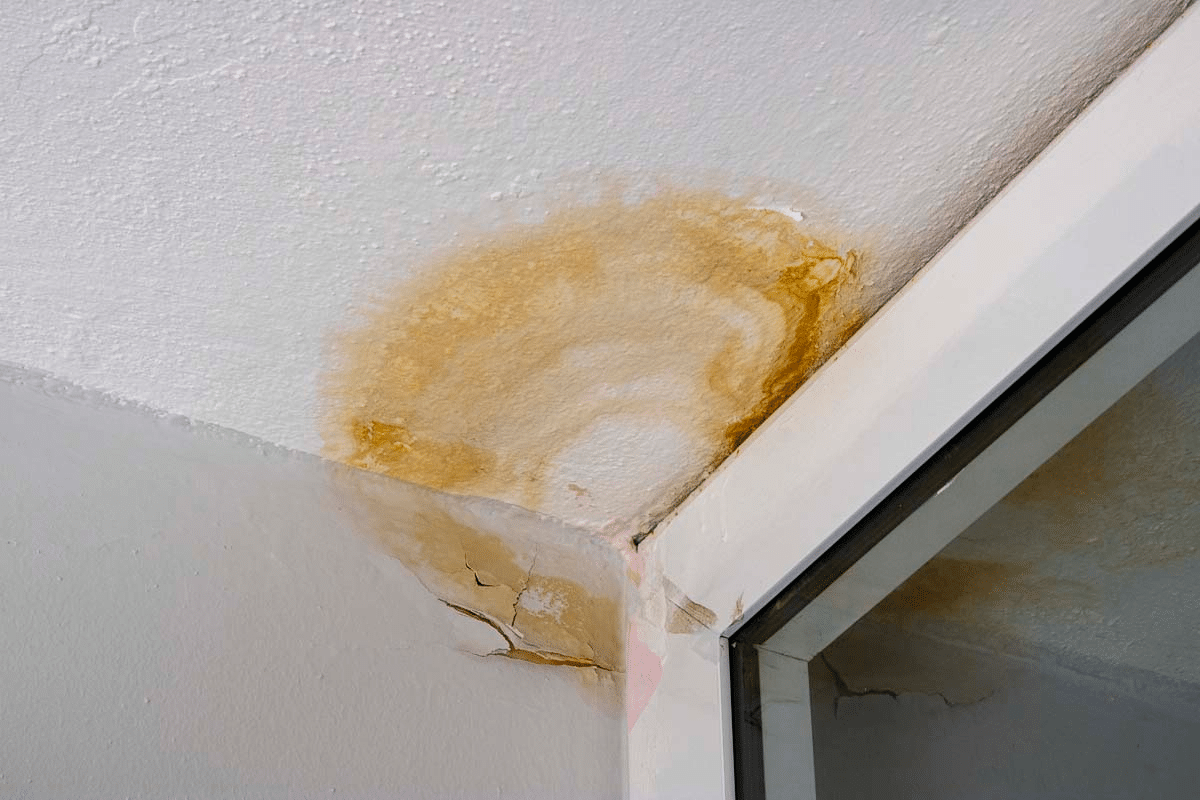

When faced with a sudden basement leak, the instinct is often to reach for a quick fix—a product promising to seal the leak instantly and permanently. While these methods offer immediate, temporary relief by stopping the visible water flow, they fundamentally lack durability because they do not address the powerful underlying forces at play.
Temporary fixes are surface treatments designed to manage the symptom, whereas real solutions are engineered systems built to neutralize the cause, ensuring longevity and protection.
The core distinction lies in how each approach handles hydrostatic pressure. A quick patch tries to hold back the force of thousands of pounds of water-saturated soil, an effort that is structurally doomed to fail. A real solution, however, manages the water and relieves the pressure.
Homeowners looking for lasting peace of mind should seek out professional services that install engineered, permanent systems. Experts, such as those found at uswaterproofing.com, specialize in making this critical shift from patching to true protection.
Common Short-Term Repair Methods and Their Limits
Common short-term repair methods typically involve interior application of sealants. Hydraulic cement is a popular choice; it sets quickly and is used to plug specific cracks. Similarly, various paint-on waterproof coatings are applied to the interior walls to create a surface barrier.
The limit of these methods is their structural vulnerability. They rely on adhesion to the interior wall surface. When high hydrostatic pressure builds up behind that surface, it creates immense stress, causing the sealant to eventually separate, blister, and crack. Because the water and pressure are still external, the fix only lasts until the next major storm or seasonal pressure cycle.
These quick fixes also create a false sense of security, often delaying the necessary installation of a pressure-relief system until the damage becomes far more extensive.
How Permanent Systems Address Underlying Forces
Permanent waterproofing systems are defined by their ability to neutralize the external forces acting on the foundation. The most common real solution for chronic leaks is an interior drainage system (or “interior French drain”) combined with a sump pump. This system does not fight the water; it captures it.
A perimeter drainage channel is installed beneath the concrete floor slab. When hydrostatic pressure forces water up through the cove joint or through the floor, the system intercepts it immediately and channels it into a sump pit. This process actively relieves the pressure on the slab and walls.
The water is then reliably pumped away from the home by the sump system, effectively managing the water’s flow and eliminating the damaging force of the pressure.
How Long-Term Solutions Prevent Repeat Failures

The goal of a long-term solution is to eliminate the cycle of repeat failures and associated costs. A temporary fix guarantees repeat failure because the external hydrostatic pressure always returns. A permanent system, however, is built to manage every recurring wet condition without fail.
By diverting and managing the water path, permanent drainage systems ensure the foundation walls and floor slab are no longer subjected to sustained stress. This prevents the formation of new cracks and stops the enlargement of existing ones.
The durability of these systems—made with long-lasting materials and professional installation—means the homeowner shifts from constantly reacting to leaks to enjoying consistent, reliable dryness.
Cost and Maintenance Differences Over Time
While the initial cost of installing a comprehensive, permanent waterproofing system is higher than buying a few buckets of sealant, the long-term economics strongly favor the engineered solution. Temporary fixes lead to cumulative costs: repeated product purchases, cleanup costs after every failure, replacement of damaged furnishings, and the eventual, unavoidable major system installation.
Permanent systems, once installed, require minimal maintenance, primarily limited to annual sump pump checks. They effectively cap the future expense associated with water intrusion damage.
Over a 10 to 20-year period, the total cost of ownership for a home with a permanent system is significantly lower than for a home relying on recurring temporary patches and the subsequent water damage.
Why Durability Matters More Than Quick Fixes
The choice between a temporary fix and a real solution is a choice between symptom management and cause elimination. Durability matters most because the environmental forces that cause basement leaks—soil saturation and hydrostatic pressure—are constant and relentless.
Real solutions are engineered systems that utilize drainage and pumps to neutralize these forces, guaranteeing dryness and preserving structural integrity. They provide a final, durable solution.
Homeowners should prioritize this durability, seeking experts to implement permanent strategies that deliver lasting protection, rather than relying on the false economy of temporary fixes.
With a Master’s in Architecture from the University of California, Berkeley, Mitchell Green has spent over two decades dedicated to the study and practical application of home fixture design. His career started in an architectural firm, providing him a strong foundation in the structural and aesthetic aspects of home interiors. Mitchell brought his comprehensive knowledge to our platform, where he has been an influential voice in our home fixtures and fittings section. Since 2018, he has been guiding our readers through the intricacies of selecting and installing fixtures, combining technical know-how with design flair. In his spare time, Mitchell is a keen photographer, capturing architectural details and design elements, an interest that complements his professional focus.