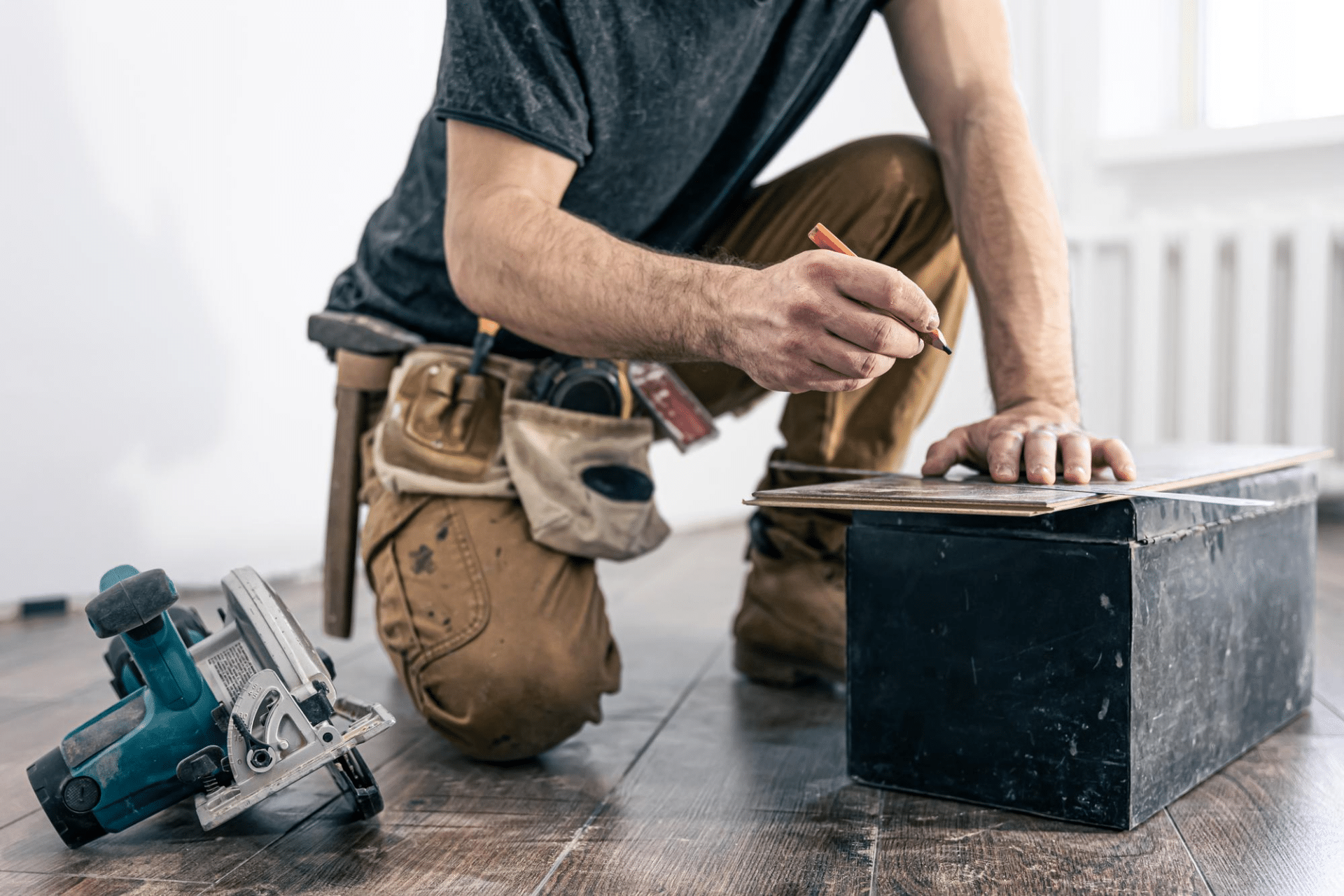

List Your Home’s Key Assets
Begin by writing down all the main parts of your home that need care. Include:
- HVAC systems (heating and cooling)
- Water heater
- Plumbing and drains
- Roof and gutters
- Appliances (fridge, oven, washer/dryer)
- Exterior (paint, siding, windows)
- Safety gear (smoke/carbon monoxide detectors, fire extinguishers)
This list forms the backbone of your plan. Over time, add less obvious items as you notice them. For instance, you may begin to focus more on garage doors, sump pumps, or landscape lighting. Be sure to also budget for maintenance! You may have to re-invest around 1-4% of the value of the home, but this will contribute to keeping your home appealing, which is essential to preserve the value of your asset.
Set Seasonal Maintenance Intervals
Since there will be different tasks to complete at different times of the year, you may consider breaking maintenance tasks down by season. For instance:
- Spring: Clean gutters, inspect the roof, service the HVAC for summer, check outdoor faucets and sprinklers.
- Summer: Power wash siding, touch up exterior paint, check window seals, service lawn equipment.
- Autumn: Service heating system, clean chimney, check weatherstripping, drain outdoor hoses and prep for frost.
- Winter: Test smoke detectors, watch for ice dams, run water in seldom-used pipes to prevent freezing.
Seasonal scheduling makes the to-do list manageable and ensures you don’t miss anything when weather changes.
Prioritize High-Impact Tasks
Not all chores are urgent or high risk. Start by focusing on:
- Safety checks (alarms, detectors, GFCI outlets)
- Water leaks or drainage
- Heating and cooling system maintenance
- Roof and window protection
These tasks can prevent fires, floods, or large repair bills. Then, move to less urgent but still important efforts like paint touch-ups, appliance cleaning, and weatherproofing.
Know the Signs and Safety Basics
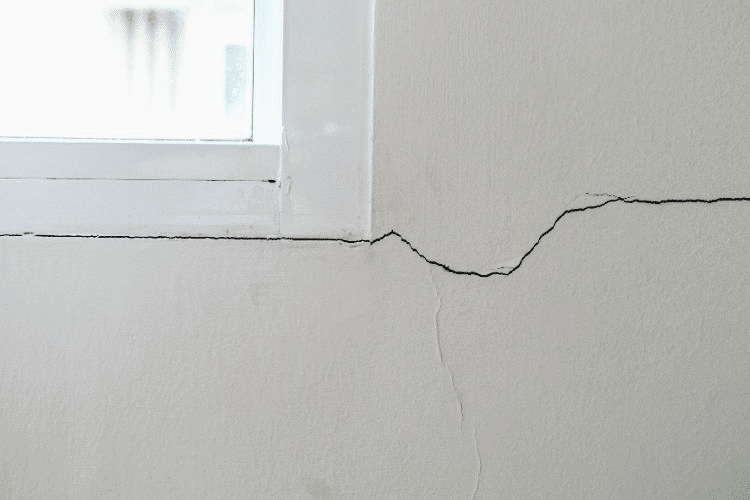
Learn the early warning signs: dripping pipes, cracks, unexplained noises, flickering lights, or sudden changes in utility bills. These clues usually show up before bigger problems occur. And always follow basic safety: shut off power before fixing outlets, keep a fire extinguisher close during major work, and call in pros for anything beyond your comfort or skill level.
A strong maintenance plan covers these regular checks, along with the skills to spot and fix problems early. If you’re interested in mastering the basics, or need the expertise needed to look after extensive residential and commercial facilities, programs like the Industrial Maintenance Technician Program at Tulsa Welding School can give you a deeper understanding of what a thorough curriculum includes and how to make the most of your skills.
In Summary
Preventive home maintenance protects your budget and peace of mind. If you are just getting started, the first steps include listing your home’s assets, setting a seasonal schedule, focusing on high-priority tasks, and tracking progress over time. A little planning now will keep your house safe, welcoming, and in great shape for years to come.

Tommy Hardy, an alumnus of the Georgia Institute of Technology with a degree in Mechanical Engineering, has been a go-to figure in residential upkeep and innovation for over 18 years. His career commenced in a leading home appliance manufacturing company, where he mastered the intricacies of household systems. Joining our platform in 2020, Tommy quickly became a reader favorite for his practical and easy-to-follow guides. He took the helm of our DIY section in 2019, consistently delivering content that empowers homeowners. Beyond his professional pursuits, Tommy is a passionate gardener and enjoys woodworking, skills enhancing his hands-on approach to home care.