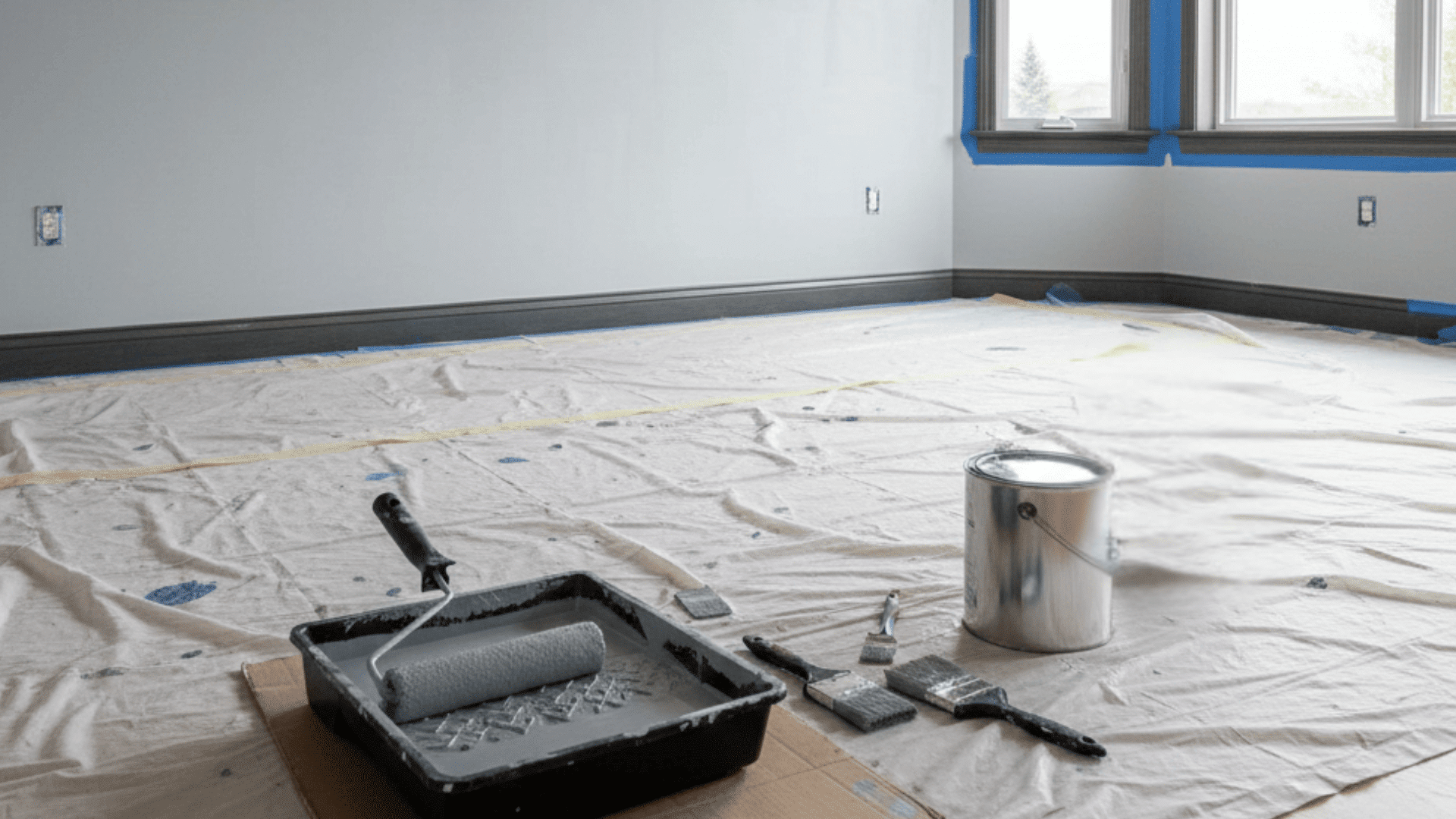

Painting a room turns a space more affordably than most home improvements, but understanding the true cost requires looking beyond the price of a paint can.
When you’re refreshing a bedroom or redecorating your entire living room, painting costs depend on room size, wall condition, paint quality, and your choice between doing it yourself or hiring professionals.
Most homeowners spend between $400 and $800 for a standard room, though this can vary significantly based on your specific circumstances.
Let’s break down every cost component you’ll encounter, from materials and labor to hidden expenses, helping you budget accurately and make informed decisions about your painting project.
Average Cost to Paint a Room
The typical cost range for painting a medium-sized room falls between $400 and $800 when hiring professionals.
This covers basic wall painting in good condition with standard latex paint. If your project includes trim, baseboards, and more extensive preparation, expect costs to rise to $600–$1,200.
Room size directly impacts pricing. A small bedroom might cost $300–$500, while a medium living room ranges from $500–$1,000 depending on ceiling height and architectural details. Large rooms or spaces with vaulted ceilings push costs higher due to increased paint requirements and labor time.
Regional variations also affect pricing. Major metropolitan areas like New York, San Francisco, and Boston typically charge 20-30% more than rural or Midwest regions, reflecting higher living costs and demand for contractors.
Breaking Down What You’re Actually Paying For
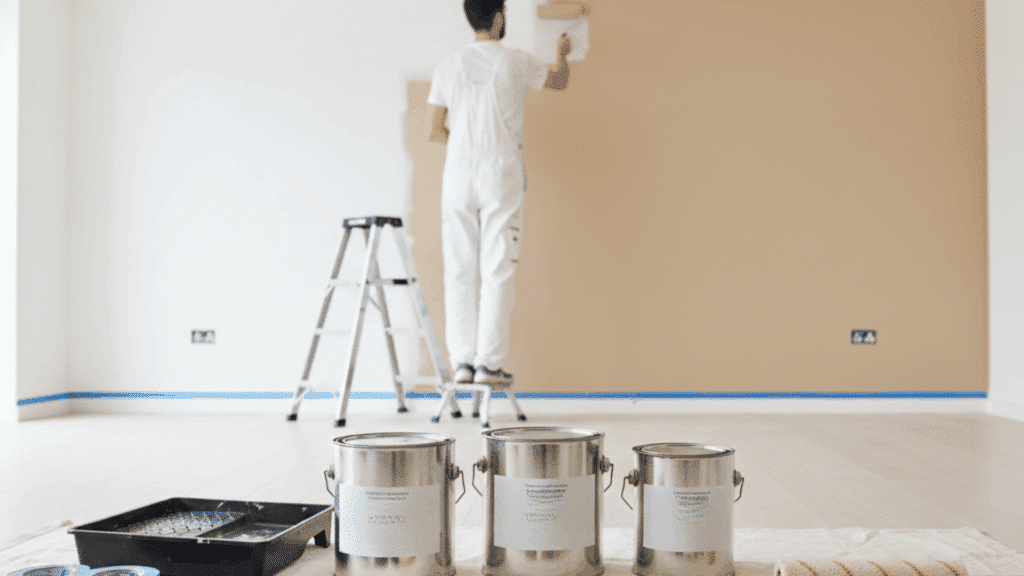
Understanding where your money goes helps you evaluate quotes and spot overcharges. Here’s how painting costs break down into their main components.
1. Paint and Materials
Paint itself represents a smaller portion of total costs than most people expect. A gallon of quality latex paint covers approximately 350-400 square feet and costs $25-$60 depending on brand and finish.
A standard 12×12 room needs 2-3 gallons for two coats.
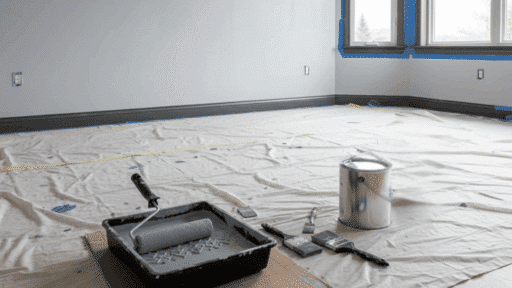
Beyond paint, you’ll need brushes ($8-$20), rollers ($5-$12), paint trays ($3-$8), painter’s tape ($5-$10), and drop cloths ($12-$30). Primer adds another $20-$40 per room if required. Total materials for a DIY job typically cost $150-$250.
2. Labor Charges
Labor forms the largest expense when hiring professionals. Painters charge $200-$500 per day, though some quote hourly rates of $25-$50.
A straightforward room takes 1-2 days, meaning labor alone costs $200-$800 depending on room complexity and location.
Experienced painters work efficiently and deliver consistent results, but their expertise commands premium rates. The speed and quality they provide often justify the higher cost compared to DIY attempts.
3. Additional Expenses
Wall preparation frequently adds unexpected costs. Filling cracks and holes costs $75-$150 extra, while extensive repairs for damaged drywall can reach $300 or more. Sanding and cleaning add another layer of expense but ensure better paint adhesion.
Primer application isn’t always included in base quotes. Stained walls, previously dark colors, or bare drywall require primer, adding $50-$120 in materials and labor.
Ceiling painting typically costs extra, expect to add $100-$250 depending on ceiling size and accessibility.
Trim and baseboard painting adds $150-$400 to your total bill, as these surfaces demand precision and slower brush work.
Calculating Cost per Square Foot
Many professionals price jobs based on surface area rather than flat room rates. Typical charges range from $1.50-$3.50 per square foot for walls, including labor and basic materials.
To calculate your room’s coverage, measure wall height and length for each wall, multiply to get area, then add all walls together. A 12×10 room with 8-foot ceilings has approximately 352 square feet of wall space. At $2 per square foot, expect around $700 for walls alone. |
This calculation method helps when comparing quotes and estimating materials. Remember that windows and doors reduce paintable area, potentially lowering costs.
Factors That Influence Your Final Bill
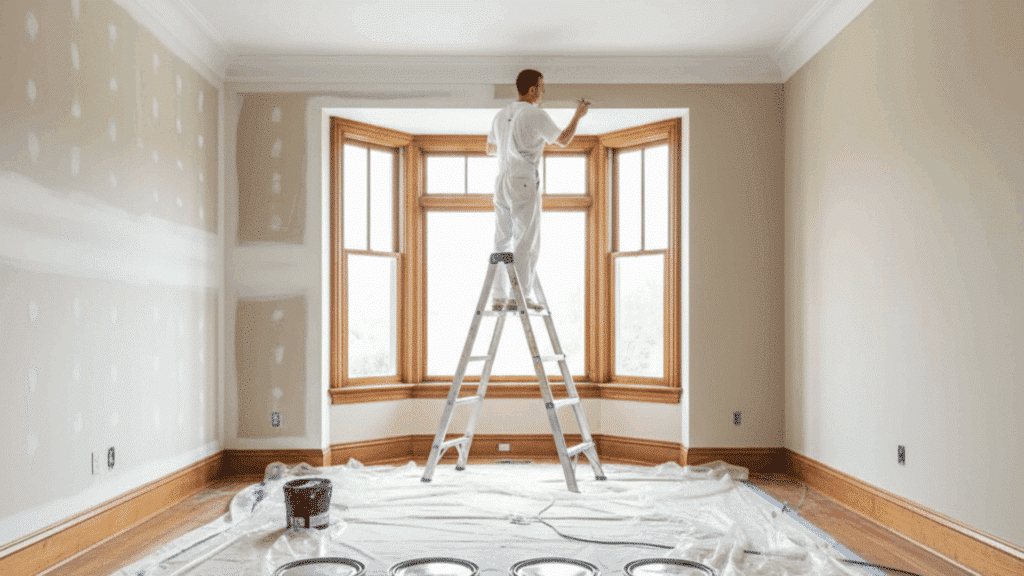
Your final painting cost isn’t fixed: several variables can push your budget higher or lower. Understanding these factors helps you anticipate expenses and make informed choices.
1. Room Condition
Smooth, well-maintained walls cost less to paint than damaged surfaces. Each repair adds time and materials, increasing overall expenses. Newly installed drywall needs primer and extra attention, raising costs by 15-25%.
2. Paint Quality and Finish
Budget latex paint costs $20-$30 per gallon, while premium brands charge $45-$70. Higher-quality paints often cover better, potentially requiring fewer coats and less total paint. Flat finishes hide imperfections but mark easily, while satin and semi-gloss finishes cost more and show wall flaws more readily.
3. Architectural Features
High ceilings, bay windows, alcoves, and detailed crown molding increase labor time. Each architectural element requires careful cutting-in and potentially scaffolding or tall ladders. Rooms with these features can cost 30-50% more than simple rectangular spaces.
4. Location
Geographic location substantially impacts pricing. Urban areas with higher living costs charge more for labor. Remote locations might incur travel fees if painters must journey significant distances.
DIY vs Professional Painting
Choosing between painting yourself or hiring a professional comes down to balancing cost savings against time, skill, and quality expectations. Here’s how the two approaches compare:
| Factor | DIY Painting | Professional Painting |
|---|---|---|
| Cost | $150-$250 (materials only) | $500-$800 (complete job) |
| Time Required | 10-15 hours over multiple days | 1-2 days |
| Skill Level | Basic to intermediate needed | Expert techniques and experience |
| Quality | Varies; potential for drips, uneven coverage | Consistent, high-quality finish |
| Equipment | Must purchase or rent tools | Professionals bring all equipment |
| Preparation | Your responsibility; easy to skip steps | Thorough prep included in service |
| Cleanup | You handle all cleanup | Included in service |
| Mistakes | Can lead to wasted materials, redoing work | Rare; backed by guarantees |
| Best For | Budget-conscious homeowners with time and patience | Those wanting fast, professional results |
When obtaining professional quotes, request itemized breakdowns showing labor, materials, and preparation separately.
Compare at least three quotes, check references, and verify insurance coverage. Clear specifications ensure comparable pricing across different contractors.
Planning Your Budget
Start by measuring your room’s surface area. Calculate paint requirements based on manufacturer coverage rates, typically 350-400 square feet per gallon. Add 10% extra for mistakes or touch-ups.
List all required materials: paint, primer, brushes, rollers, tape, drop cloths, fillers. Research current prices at local suppliers. For professional jobs, obtain multiple detailed quotes.
Include a 15-20% contingency for unexpected issues. Hidden damage, extra preparation, or additional coats often emerge once work begins. This buffer prevents budget overruns and project delays.
For a typical medium room, budget approximately:
- DIY: $150-$250 materials
- Professional: $500-$800 complete job
- Professional with trim: $700-$1,200
Conclusion
Painting a room costs between $400 and $800 for most homeowners hiring professionals, though DIY projects reduce this to $150-$250 in materials alone.
The final price depends on room size, wall condition, paint quality, and whether you include trim and ceilings in the scope.
Labor typically represents the largest expense, but professionals deliver faster completion and more consistent results than most DIY attempts.
Understanding these cost components helps you budget accurately, compare quotes effectively, and decide confidently whether to paint yourself or hire help.
Proper planning and realistic contingencies ensure your painting project stays on budget while achieving the finish quality your space deserves.

Ava Taylor, holding a Bachelor’s degree in Interior Design from the Pratt Institute, has made her mark in creating engaging and functional living spaces for over 14 years. She began her career with a New York-based design studio, where she gained a reputation for her innovative and user-centric designs. Ava joined our team in 2019, bringing a blend of artistic flair and practicality to our home improvement section. Since the she has been the lead contributor to our room transformation series, inspiring readers with her unique approach to maximizing space utility and aesthetic appeal. Beyond her professional work, Ava is a passionate collector of vintage furniture, a hobby that enriches her design perspective.