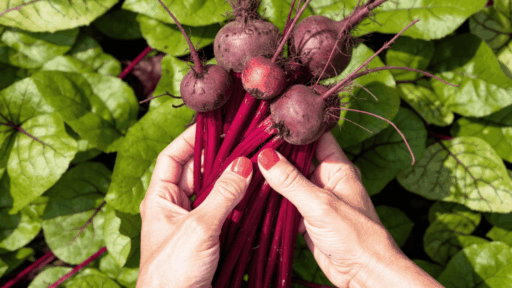
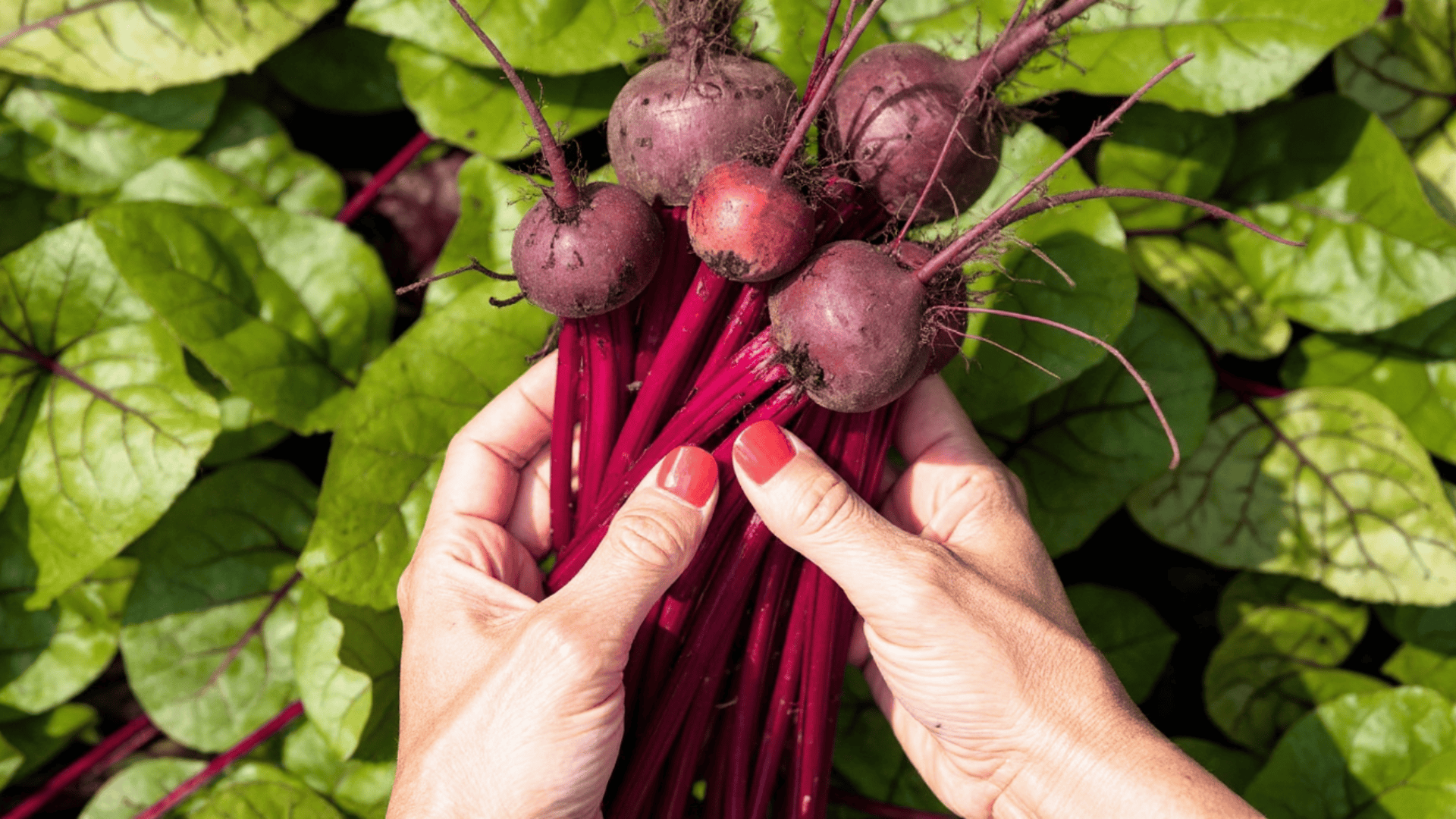

Beets often appear simple, yet growing them well depends on a few details that are easy to miss.
From seed to harvest, small choices quietly shape root size, texture, and flavor.
Soil condition, timing, spacing, and care all play a role in how the crop develops beneath the surface.
Learning how to grow beets starts with understanding these basics and knowing why each step matters.
The sections ahead break down planting, care, problem prevention, and harvest timing in a clear, practical way.
Each part builds on the last, revealing how steady attention leads to consistent, reliable beet harvests season after season.
How to Grow Beets Successfully?
Successful beet growth comes from meeting simple growing needs that support steady root formation and healthy plant development.
To grow beets successfully, plant them during cool seasons, use loose, well-draining soil, and keep moisture levels consistent.
Beets perform best in spring and fall when temperatures stay moderate.
Full sun supports steady growth, while partial shade helps in warmer regions. Seeds should be sown directly and thinned early to prevent crowding.
Water evenly throughout the growing period, as irregular moisture can affect root texture.
Fertilizer use should remain light to encourage balanced root development rather than excess leaf growth.
When and Where to Plant Beets?
Beets grow best when planted during cooler parts of the year in a suitable location, as correct timing and site selection support steady root development, better flavor, and fewer growth-related issues.
Best Time to Plant Beets
Beets prefer cool growing conditions, and planting at the right time helps seeds germinate evenly, prevents stress from heat, and allows roots to develop with better size, texture, and taste:
| Planting Season | When to Sow Seeds | Soil Temperature | Key Notes |
|---|---|---|---|
| Early Spring | 2–4 weeks before last frost | Around 50°F or higher | Cool soil supports strong germination |
| Late Spring | After frost risk passes | 50–65°F | Avoid rising heat toward summer |
| Fall | 6–8 weeks before first frost | Cooling soil | Roots mature well in cool weather |
| Mild Winters | Late fall to early winter | Above freezing | Suitable for frost-light regions |
Choosing the Right Spot
A suitable planting spot ensures steady growth, proper root shape, and healthy leaves by meeting sunlight, soil, and drainage needs consistently throughout the growing period.
- Full sun supports balanced leaf and root growth
- Partial shade works in warmer regions
- Loose, well-draining soil prevents misshapen roots
- Raised beds help manage drainage in dense soil
- Areas with minimal foot traffic reduce soil compaction
Soil Preparation for Beets
Proper soil preparation is essential for growing smooth, evenly shaped beets, as loose structure, balanced nutrients, and correct pH levels allow roots to expand without restriction or stress during growth.
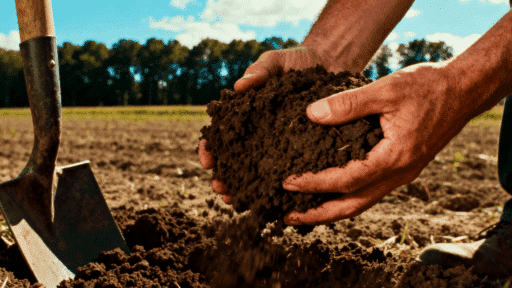
- Beets grow best in loose, crumbly soil that allows roots to expand freely
- Remove rocks, stones, and hard clumps to prevent misshapen roots
- Aim for a soil pH between 6.0 and 7.0 for steady nutrient uptake
- Mix in compost or well-rotted organic matter to improve soil texture
- Avoid fresh manure, as excess nitrogen leads to more leaves and smaller roots
- Ensure good drainage to prevent water buildup and root rot
- Lightly rake the soil surface before planting to create an even seedbed
Planting Beets Step by Step
Briefing line: Planting beets correctly from the start supports even germination, healthy root formation, and fewer growth problems later, making spacing, depth, and early care especially important for reliable results.
Below are the key steps to plant beets properly, from seed placement to early seedling care:
Step 1: Prepare the Seedbed
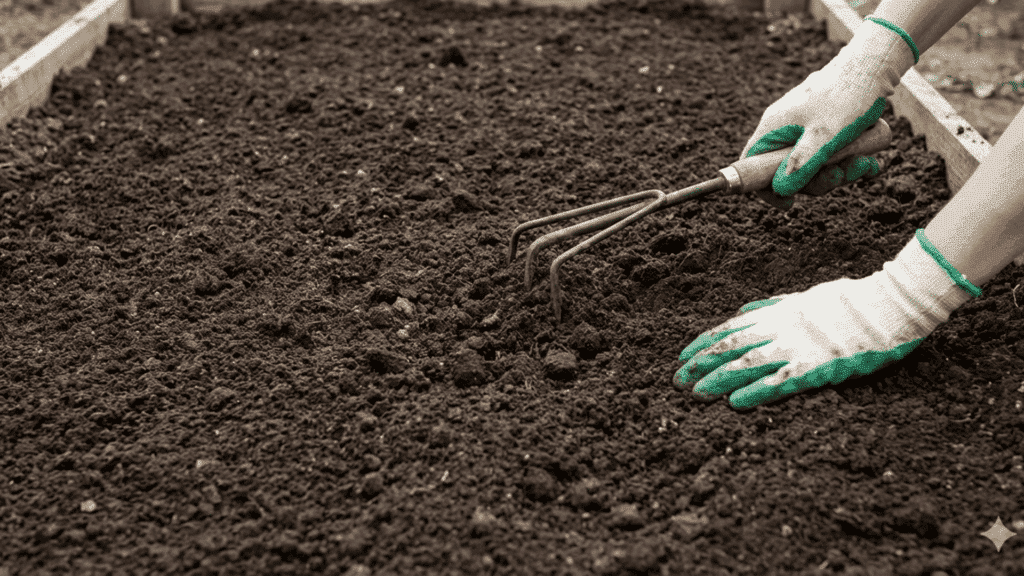
Before planting, loosen the top 8–10 inches of soil so roots can expand without resistance.
Remove stones, compacted clumps, and debris that can interfere with root shape. Level the surface gently to create uniform planting depth and moisture distribution.
Tip: Avoid working soil when it is wet, as this leads to compaction.
Step 2: Sow Beet Seeds at the Right Depth
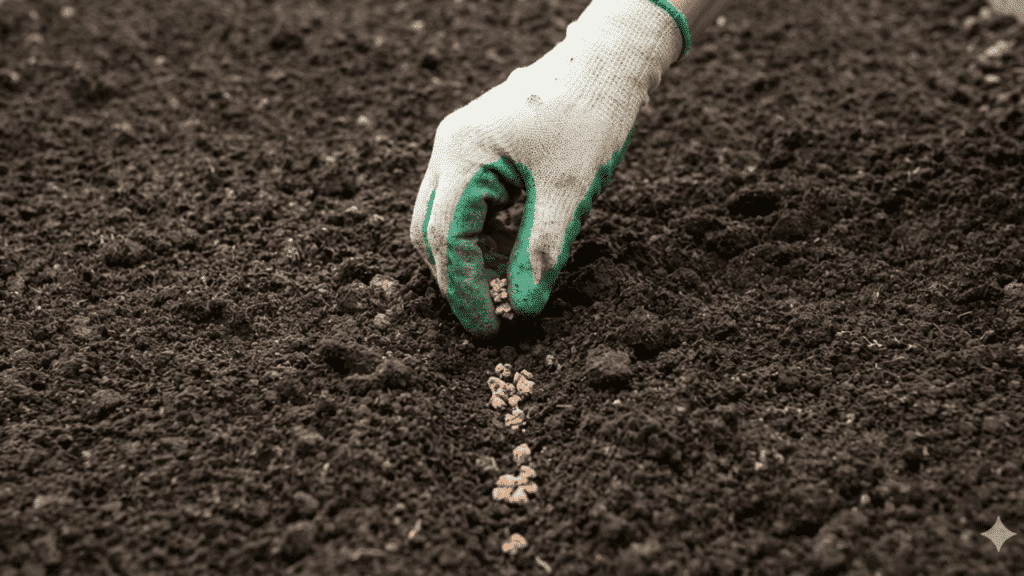
Beet seeds should be planted directly in the ground since they do not transplant well.
Place seeds about ½ inch deep and cover lightly with soil. Planting too deep can delay germination, while shallow planting may dry seeds out quickly.
Tip: Each seed cluster may produce multiple seedlings.
Step 3: Space Seeds and Rows Properly
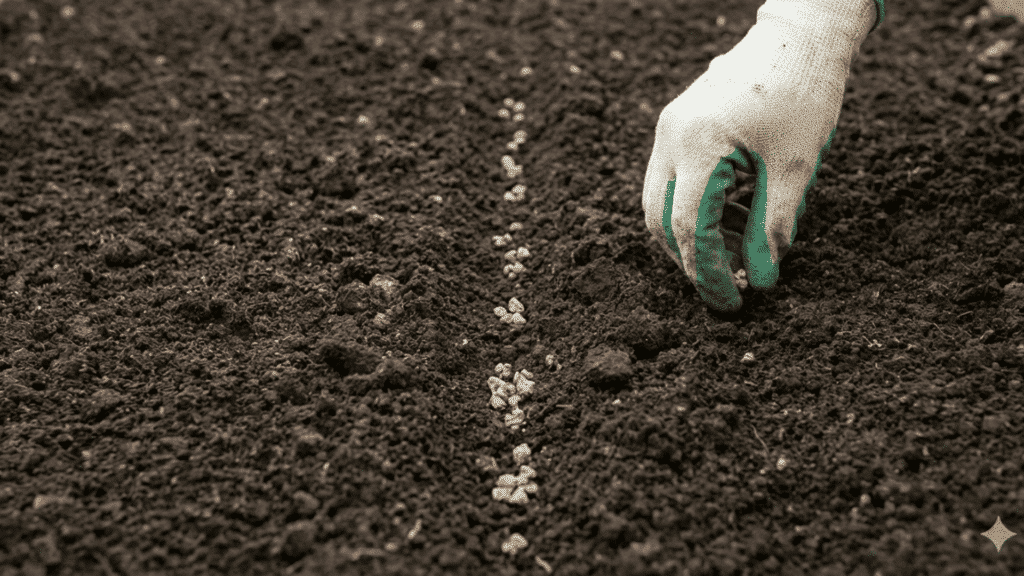
Space seeds about 1–2 inches apart in rows set 12–18 inches apart.
Proper spacing allows airflow and reduces competition for nutrients. Crowded plants often develop small or misshapen roots, even if watering and soil quality are good.
Tip: Wider row spacing helps with weeding and watering.
Step 4: Water Gently After Planting
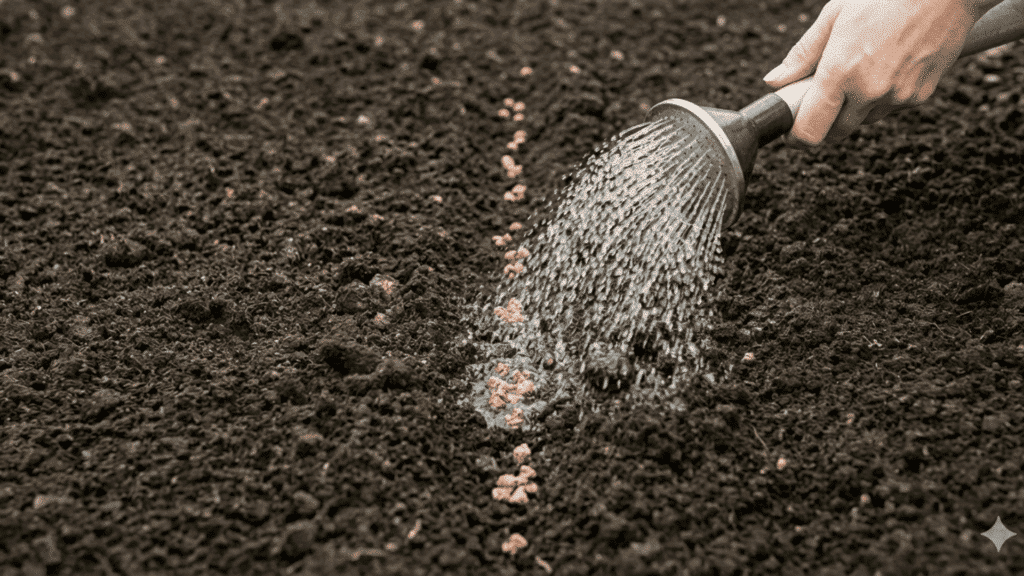
After sowing, water the soil lightly but thoroughly to settle seeds without washing them away.
Keep the soil consistently moist during germination, which usually takes 7–14 days. Uneven moisture can lead to patchy sprouting.
Tip: Use a fine spray instead of a strong stream.
Step 5: Thin Seedlings Early
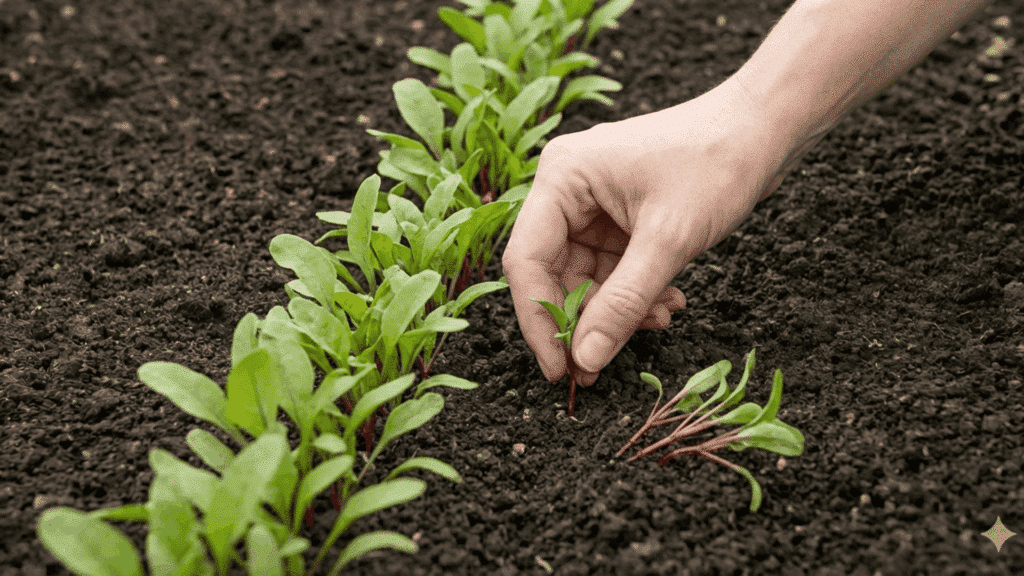
Once seedlings reach about 2 inches tall, thin them so plants are spaced 3–4 inches apart.
This prevents crowding and allows each beet enough room to form a full-sized root. Thinning also improves airflow around plants.
Tip: Thinned seedlings can be added to salads as young greens.
Caring for Beet Plants
Proper care during the growing period supports steady root development, healthy leaves, and improved harvest quality by managing water, nutrients, weeds, and overall plant condition.
- Consistent Watering: Water deeply and regularly to prevent dry soil, cracked roots, and uneven growth.
- Mulching Around Plants: Apply mulch to retain moisture, regulate soil temperature, and reduce weed pressure.
- Weed Control: Remove weeds early using shallow methods to avoid disturbing developing beet roots.
- Careful Fertilizing: Use low-nitrogen fertilizer only when growth slows or leaves show nutrient imbalance.
- Regular Plant Checks: Inspect leaves often for pests or damage to address problems before they spread.
Beets often lead to trying other simple crops. The post Easiest Vegetables to Grow for First-Time Gardeners highlights vegetables that suit new growers well.
Harvesting Beets at the Right Time
Beets are ready to harvest based on size rather than a fixed date, and timing directly affects texture and taste.
Most varieties mature within 50–70 days after planting, but smaller roots are often more tender.
Harvest when roots reach about 1½ to 3 inches in diameter, which provides a balance between sweetness and firmness.
Leaving beets in the ground too long can result in tough, woody roots, especially in warm soil.
To harvest, loosen the soil gently and pull the beet from the base of the leaves to avoid damage. Remove the greens soon after harvesting, leaving about an inch of stem to prevent bleeding.
Beet greens are edible and should be stored separately.
Harvesting gradually as roots reach the desired size helps maintain consistent quality throughout the growing period.
Common Beet Growing Problems
Beet plants may face growth problems when soil conditions, spacing, or care routines are not balanced, but most issues can be corrected with timely adjustments and consistent attention.
Below are common beet growing problems along with practical solutions to address them effectively:
| Problem | Likely Cause | Solution |
|---|---|---|
| Small or misshapen roots | Compacted soil or overcrowding | Loosen soil and thin seedlings to proper spacing |
| Cracked roots | Irregular watering | Maintain consistent soil moisture throughout growth |
| Excessive leaf growth | High nitrogen levels | Reduce nitrogen-rich fertilizers |
| Poor germination | Cool soil or uneven moisture | Plant in warmer soil and keep seedbed evenly moist |
| Yellowing leaves | Nutrient imbalance or water stress | Adjust feeding and watering practices |
| Bitter taste | Harvesting too late | Harvest roots at recommended size |
By identifying problems early and applying the right fixes, beet plants can recover quickly and continue growing steadily.
Consistent care, proper spacing, and attention to soil conditions play a key role in producing healthy roots and reliable harvests.
Next Read: How to Make a DIY Bird Feeder at Home
Pests That Commonly Affect Beet Plants
Beet plants may face pest pressure during early and mid-growth stages, and managing it promptly helps protect leaf health, which directly supports steady root development.
Common beet pests mainly target foliage rather than roots. Aphids feed on sap and weaken leaves, while leaf miners tunnel inside leaf tissue, reducing plant energy.
Flea beetles usually appear early in the season and damage young leaves, slowing establishment.
- Inspect leaves weekly, especially undersides
- Remove heavily damaged leaves to reduce spread
- Use row covers to protect seedlings
- Rinse pests off with water when needed
Maintaining balanced nutrition improves plant resilience.
Products like Espoma Garden-tone or Jobe’s Organics Vegetable Fertilizer provide steady feeding without excess nitrogen.
For active infestations, neem oil can help when applied during cooler parts of the day.
Bottom Line
Growing beets becomes far more predictable once the basics fall into place.
Planting timing, soil condition, correct spacing, and ongoing care all work together to support healthy beet root formation.
Attention to watering, light feeding, and early problem control helps avoid common setbacks and supports steady growth.
Harvesting at the right size ensures better texture and flavor, while simple pest management keeps plants on track.
With these practices working together, beet plants reward patience with reliable results.
If beets are already growing in the garden, share what worked well or any lessons learned in the comments below. A favorite variety, planting time, or growing tip may help others grow with confidence.

With a Master’s in Landscape Architecture from the University of Virginia, Sophia Stephenson has dedicated the last 20 years to creating and maintaining vibrant outdoor spaces. Her professional journey started in landscape design, where she gained a reputation for innovative and sustainable approaches. Sophia became a part of our editorial team as a freelancer in 2019, offering a fresh perspective on outdoor living. Since 2020, she has been the chief for our outdoor design content, blending aesthetic appeal with environmental stewardship. In her leisure time, Sophia is a keen photographer, capturing the beauty of natural landscapes, a hobby that complements her professional expertise.