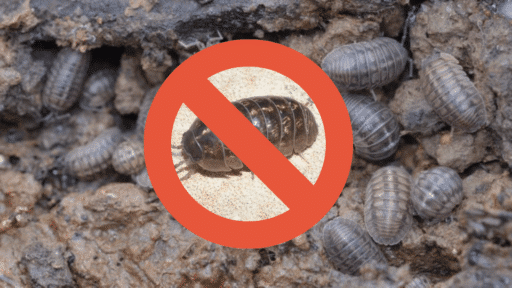
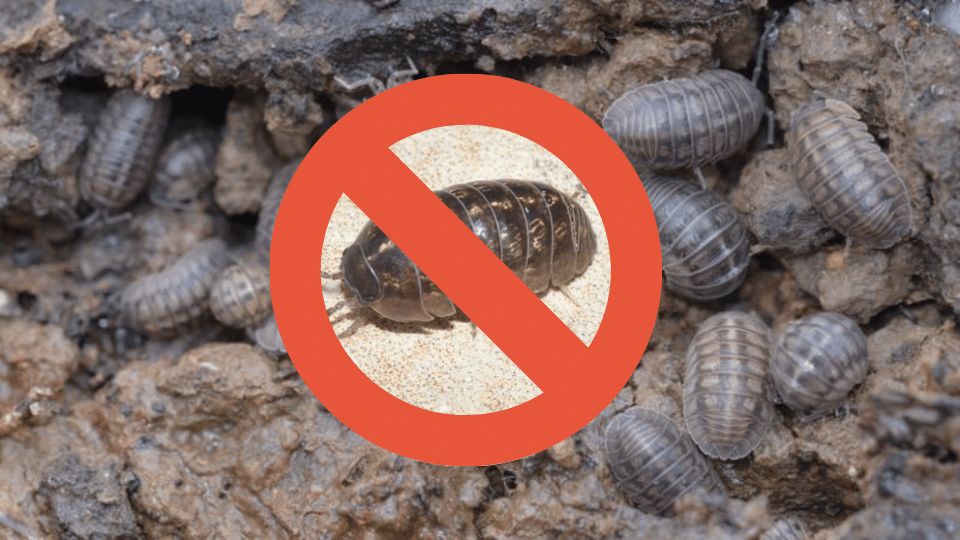

Pill bugs, also known as roly-polies, are usually harmless and even helpful in the garden.
They spend most of their time breaking down dead leaves and plant debris, which is great for soil health.
The problem starts when conditions stay damp, and their numbers grow too large.
At that point, they may turn their attention to tender seedlings, low-growing fruits, and new transplants, sometimes causing noticeable damage overnight.
The good news is that pill bugs are easy to manage without harsh chemicals.
By adjusting moisture levels and removing what attracts them, their population can be brought back under control.
The sections ahead explain practical ways to protect garden soil, young plants, and indoor spaces from pill bug problems.
What Are Pill Bugs?
Pill bugs are small, gray, oval-shaped bugs that curl into a tight ball when bothered.
They need moisture to survive, which is why they stay under mulch, rocks, wet leaves, boards, and anything that holds dampness.
They mostly eat decaying plant matter, but when there are lots of them (or not enough decaying matter), they may start feeding on tender plant parts, especially close to the ground.
Quick Pill Bugs Identification Table
This quick table helps to alleviate common confusion by showing how to easily recognize pill bugs and tell them apart from other small garden pests.
| Feature | Description |
|---|---|
| Common names | Pill bugs, roly-polies, potato bugs |
| Color | Gray to dark gray |
| Size | About ¼ to ½ inch long |
| Shape | Oval body with segmented plates |
| Key behavior | Rolls into a tight ball when disturbed |
| Typical location | Under mulch, rocks, leaves, and damp debris |
| Main food source | Decaying plant matter |
Why Pill Bugs Show Up in Large Numbers?
Pill bugs don’t usually become a problem overnight. Their numbers grow when the environment quietly works in their favor.
Moisture is the biggest reason they stick around. When soil stays damp day after day from frequent watering, rain, or poor drainage, pill bugs have exactly what they need to survive.
Shelter also plays a big role. Thick mulch, piles of leaves, stacked boards, rocks, and even garden pots resting on soil create cool, shaded spaces where pill bugs can hide during the day.
These spots protect them from heat and drying out.
Food is the final piece. Rotting plant scraps, fallen fruit, old mulch, and decaying leaves give pill bugs a steady food supply.
When moisture, shelter, and food exist together, their population can grow fast. As numbers rise, they begin spreading into garden beds, containers, and sometimes nearby indoor areas where conditions feel similar.
5 Ways to Get Rid of Pill Bugs Naturally
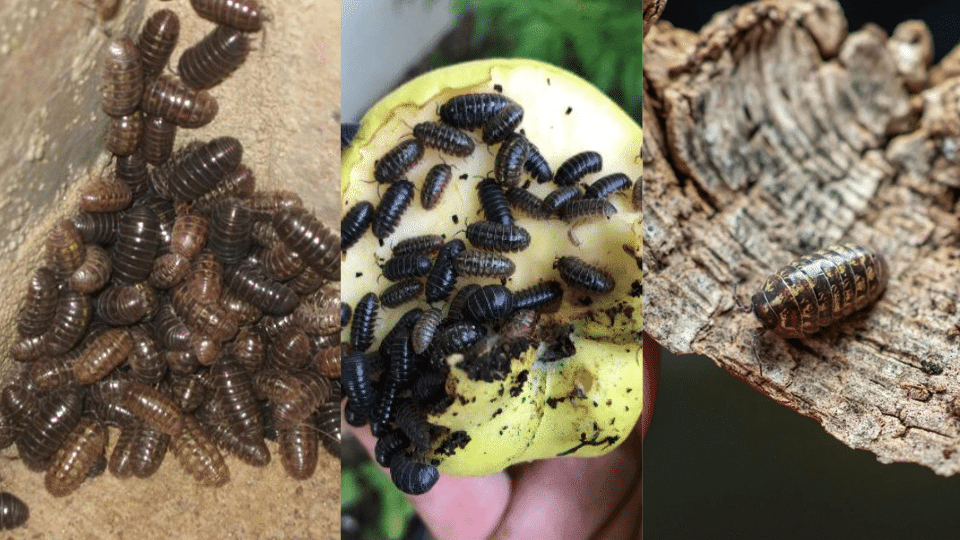
If pill bugs are already active, use these methods to bring them back under control. Combining two or three works best.
1) Don’t Give Them What They Want
If you want to get rid of pill bugs, don’t give pill bugs what they want.
Their numbers stay high when moisture, shelter, and food are easy to find. Keeping garden areas cleaner and drier makes a big difference.
Remove decaying plant matter near seedlings so there is less food available.
Avoid piling mulch too thick around young plants, since that creates cool, damp spaces where pill bugs like to hide.
It also helps to let the top inch of soil dry out between waterings instead of keeping it constantly wet.
When these conditions are managed, pill bugs often move on without needing any extra control steps.
2) Set Simple Traps for Pill Bugs
Traps reduce the population without spraying anything.
Fruit trap (citrus works well)
- Cut fruit in half
- Place the cut side down near the problem area at night
- In the morning, lift it and remove the pill bugs hiding under it
Beer or yeast trap
Check daily and reset until numbers drop.
- Sink a shallow container so the rim is level with the soil
- Add beer, or water mixed with a bit of yeast
- Pill bugs crawl in and cannot climb back out
3) Use Collars to Protect Seedlings
If seedlings are getting attacked, collars can save them.
Tape collar: wrap a small band around the stem area (sticky side facing out), keeping part above soil
Paper collar: wrap a strip of newspaper around the base; it breaks down over time
Paper tube collar: slide a toilet paper roll over the seedling and push it slightly into the soil
Collars work best when plants are young and vulnerable.
4) Overplant When Direct Seeding
When planting seeds directly into the garden, pill bugs can cause problems before the seedlings even have a chance to grow.
One simple way to deal with this is to plant a few extra seeds in each spot instead of relying on just one or two.
This increases the chances that at least one seedling will survive early damage.
If more than one plant makes it through, trim the extra seedlings at the soil level using scissors rather than pulling them out.
Cutting them avoids disturbing the roots of the remaining plant and helps it continue growing without added stress.
5) Try Natural Products that Work in Gardens
Natural products can be helpful when pill bugs keep showing up even after cleanup and moisture control.
One common option is diatomaceous earth, often called DE. It works best when sprinkled in a thin line around plants or along the edges of garden beds while the area is dry.
After rain, it needs to be reapplied. DE works by damaging the outer coating of pill bugs, which causes them to dry out.
Wearing a mask during application is a good idea to avoid breathing in the fine dust.
Beneficial nematodes are another useful option. They are mixed with water and applied to the soil according to the package directions.
These work below the surface and are most effective when soil conditions are mild, not overly dry or extremely hot.
Vinegar can also be used as a quick spot treatment.
A diluted vinegar spray kills pill bugs on contact, but it should only be used on hard surfaces or along edges, never directly on plants or garden soil.
How to Get Rid of Pill Bugs Inside the House?
Indoors, pill bugs usually show up when there’s dampness nearby. The goal is to make the space dry and block entry.
- Fix leaks under sinks and near appliances
- Run a fan or dehumidifier in humid rooms
- Store cardboard boxes off the floor
- Seal gaps around doors and baseboards
- Vacuum them up instead of crushing them (quick cleanup)
Once the house dries out, they don’t last long.
How to Get Rid of Pill Bugs in the Bathroom?
Bathrooms are a common place for pill bugs because steam, wet floors, and small leaks create the damp conditions they need.
Running the exhaust fan during and after showers helps remove moisture from the air.
Towels should be hung properly so they dry quickly instead of staying damp.
Bath mats need to be kept dry and washed regularly, especially if they stay on the floor. It’s also important to check under the sink for slow leaks that can go unnoticed.
Wiping up water around the tub, toilet base, and floor corners prevents moisture from building up. Once the bathroom stays consistently dry, pill bugs usually stop appearing.
How to Prevent Pill Bugs From Coming Back?
Prevention is mostly about keeping damp shelter under control. These habits help keep the population balanced.
- Keep mulch a few inches away from plant stems
- Remove soggy leaves and garden debris regularly
- Fix outdoor irrigation that soaks the same area every day
- Improve airflow under pots, bricks, and stored items
- Top-dress garden beds with compost to improve soil structure over time
When Pill Bugs Are Helpful?
In many gardens, pill bugs are not a problem at all and don’t need to be removed.
Control is usually only necessary when young plants are being damaged or when pill bugs start appearing inside the home.
In balanced outdoor spaces, they play a helpful role by breaking down dead plant material and returning nutrients to the soil.
They can safely be left alone when seedlings are growing without damage, garden beds are not constantly wet, and pill bugs remain mostly under mulch or debris instead of feeding on crops.
It’s also fine to leave pill bugs alone when they are mostly active at night and rarely seen during the day.
If plant stems and leaves show no signs of chewing or damage, they are usually not causing harm.
Fruit that rests on the soil and remains untouched is another sign that control isn’t needed.
Pill bugs can also be left alone when their numbers stay low and spread out across the garden instead of gathering in large clusters in one spot.
Conclusion
Pill bugs can feel frustrating when they show up in the garden or home, but they are usually a sign of moisture and shelter issues rather than a serious pest problem.
Most of the time, small changes like drying out soil, cleaning up debris, and protecting young plants are enough to keep their numbers in check.
Traps and natural products can help when populations grow, while prevention keeps them from returning.
In many cases, pill bugs can even be left alone when they aren’t causing damage.
If pill bugs have been a problem for you, or if you’ve found a method that worked well, share your experience or questions in the comments.
Practical tips always help others facing the same issue.
Holding a PhD from Cornell University in Ecology and Evolutionary Biology, Will Jacks has dedicated 15 years to studying and writing about biodiversity. Before becoming a pivotal contributor to our site in 2018, he served as a consultant for wildlife documentaries, blending his academic rigor with visual storytelling. His work, aimed at demystifying the lives of creatures big and small, reflects a career spent in both academia and the field. An advocate for conservation, Will’s hobbies include photography of rare species and volunteering for animal rescue organizations. His insights bring a unique blend of professional expertise and personal commitment to our readers.