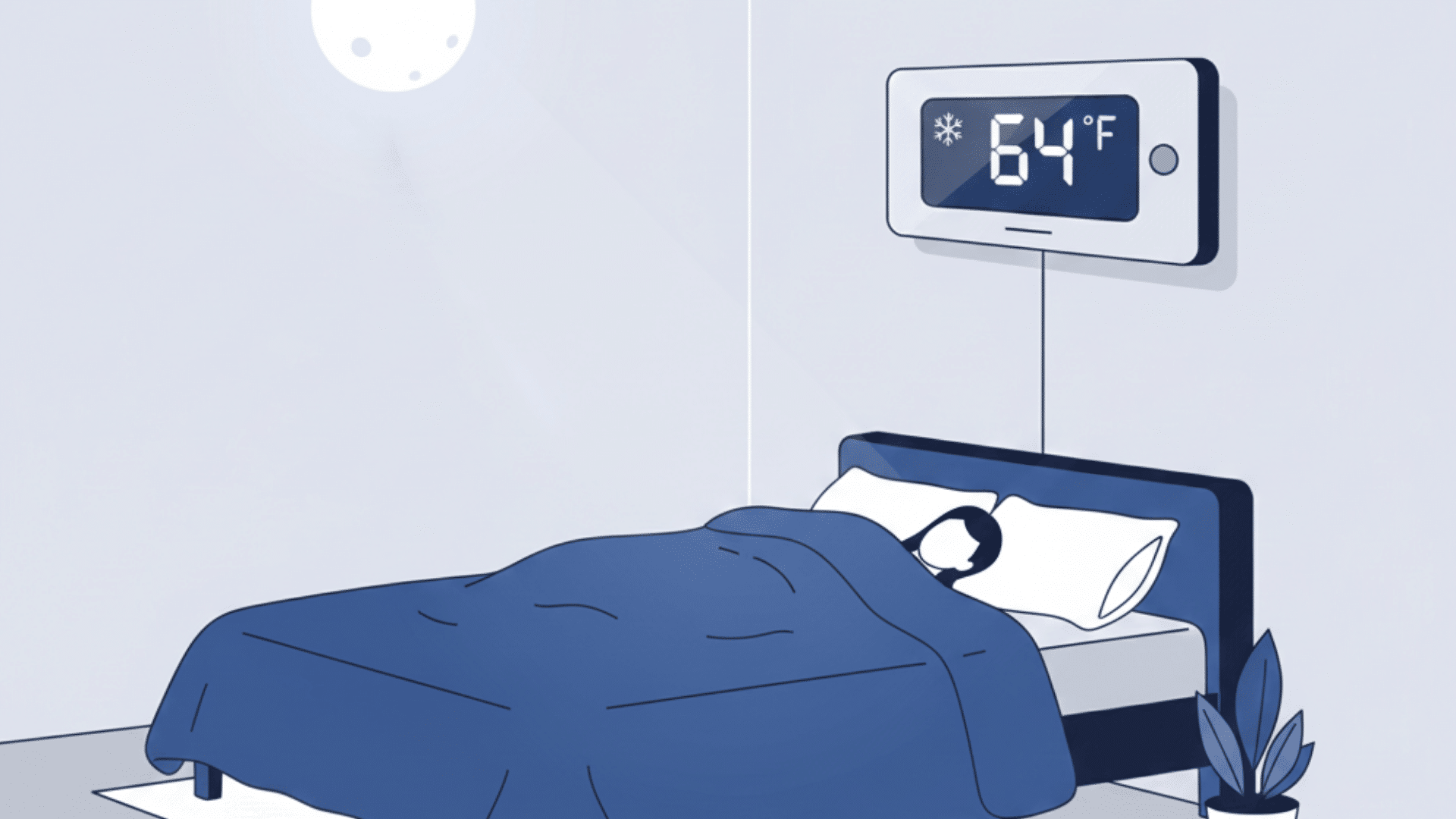

Heating bills climb fast when winter arrives, and your thermostat setting is the single most controllable factor affecting those costs.
Most households overheat their homes without realizing how much money they’re wasting. Even a small adjustment of one or two degrees can lead to noticeable savings over a season.
The challenge is finding the right balance between staying comfortable and keeping costs down.
These are the most cost-effective winter thermostat settings, how much you’ll actually save, when to lower the temperature at night, and how to maintain comfort without cranking up the heat.
Understanding these basics puts you in control of both your energy bills and your home environment.
The Ideal Winter Thermostat Temperature for Saving Money
The recommended setting for your thermostat is 68°F (20°C) when you’re home and awake during winter.
This temperature strikes a balance between comfort and efficiency for most households.
The U.S. Department of Energy and similar organizations worldwide point to this range because it keeps homes livable without excessive heating costs.
Why does this specific temperature matter? Heating systems work harder as the gap between indoor and outdoor temperatures increases.
Every degree you raise above 68°F forces your system to burn more fuel or consume more electricity to maintain that warmth.
For most people, 68°F feels comfortable with appropriate clothing and doesn’t require heavy layering indoors.
Some households can comfortably go lower to 66°F or 67°F, which increases savings further. The key is finding the lowest temperature you can tolerate without constant discomfort.
Even dropping from 72°F to 68°F can reduce heating costs by 10-15% over a season.
What Temperature Is Too Low in Winter?
Indoor temperatures below 60°F create health risks and home damage that outweigh any savings. Prolonged cold exposure increases illness risk and worsens conditions like arthritis.
Your home suffers too; pipes can freeze and burst in the 50s, while cold surfaces encourage condensation and mold growth.
Most homes should maintain a minimum of 60-62°F even when unoccupied to protect both structure and occupants.
Should You Turn Your Heater Up or Down at Night?
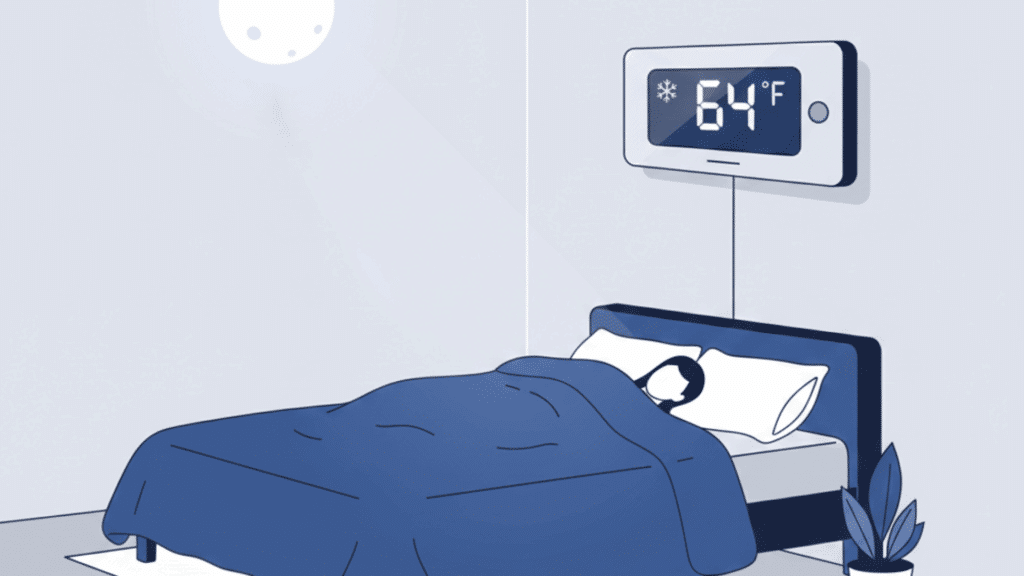
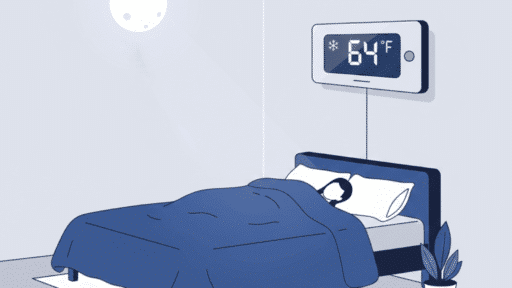
Lowering your thermostat at night is one of the easiest ways to save money without sacrificing comfort. Sleep quality actually improves in cooler environments, and blankets provide warmth that makes heating less necessary.
Setting your thermostat to 60-65°F during sleeping hours reduces heating costs significantly. Your body naturally cools down during sleep, and a cooler room supports this process.
Quality bedding compensates for the temperature drop, making lower settings comfortable for most people.
A common myth suggests that reheating your home in the morning costs more than keeping it warm all night. This isn’t true. Your heating system uses less energy overall when it runs less frequently, even accounting for the morning warm-up period.
The total fuel or electricity consumed overnight at a lower temperature is always less than maintaining a higher temperature for the same duration.
How Much Money Do You Actually Save?
Thermostat adjustments produce measurable savings that compound over a heating season.
The U.S. Department of Energy states that lowering your thermostat by 7-10°F for 8 hours daily can reduce heating costs by approximately 10% annually.
For a household with $1,200 in annual heating expenses, that equals $120 saved.
The per-degree impact is more precise: each 1°F reduction sustained over 24 hours typically cuts heating costs by 1% in moderate climates and up to 3% in colder regions.
This means dropping from 72°F to 68°F saves 4-12% depending on your location and home characteristics.
What affects your savings:
- Climate zone: Colder regions see greater savings because heating systems run longer
- Insulation quality: Better insulation means less heat loss and lower overall costs
- Home size and system efficiency: Larger homes and older systems consume more energy
- Setback duration: An 8-hour nighttime setback saves 5-8%, extending to 16 hours (sleeping + work) pushes savings toward 15%
Peak heating months (December-February) account for 60-70% of annual costs, making winter adjustments especially impactful.
Over a full heating season, consistent thermostat management typically reduces total costs by $100-$400 for average households.
Why You Sleep Better at Cooler Temperatures
Your body’s core temperature naturally drops during sleep as part of the circadian rhythm. Cooler bedroom temperatures support this process, helping you fall asleep faster and stay asleep longer.
The ideal bedroom temperature for most adults falls between 60-67°F. This range allows your body to regulate temperature effectively without overheating under blankets.
Warmer rooms prevent the temperature drop needed for deep sleep, leading to restless nights and grogginess in the morning.
Individual preferences vary slightly based on bedding, sleepwear, and personal comfort. Some people prefer the lower end of this range with heavier blankets, while others stay comfortable at 67°F with lighter covers.
Experimenting within this range helps you find your optimal sleep temperature.
Deeper, more restorative sleep occurs when your bedroom stays within the recommended range, leaving you more refreshed and alert during the day.
Ideal Winter Temperatures for Different Needs
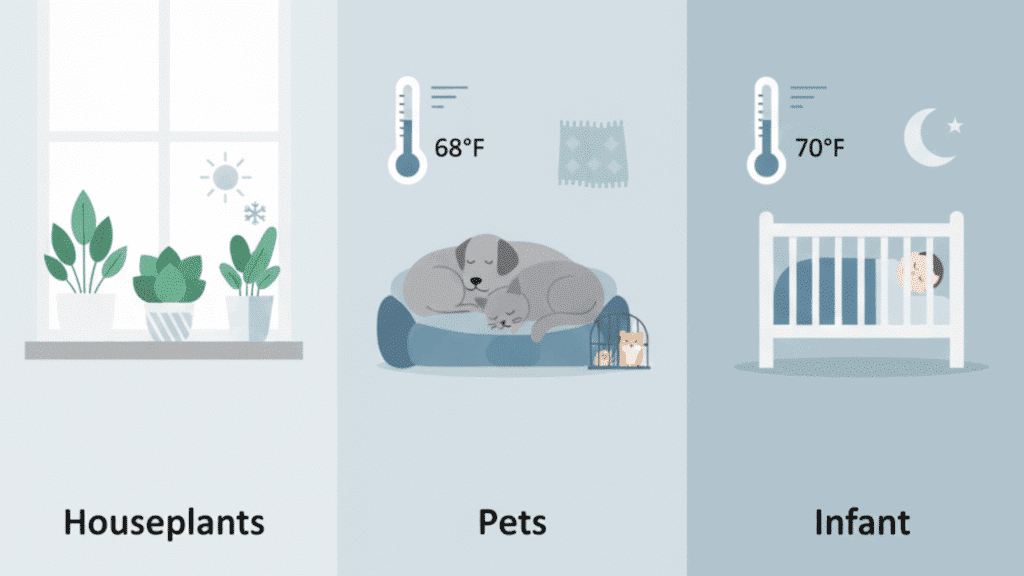
Different household members and elements require specific temperature considerations to stay healthy and safe.
1. Houseplants
Most common indoor plants tolerate temperatures down to 60-65°F without damage. Tropical plants prefer slightly warmer environments around 65-70°F.
Cold drafts near windows or doors cause more harm than consistent cooler temperatures, so placement matters more than room averages.
2. Pets
Dogs and cats generally handle temperatures that feel comfortable to humans. Most breeds are fine at 68°F, though smaller animals, short-haired breeds, and elderly pets may need supplemental warmth like pet beds or blankets.
Small animals such as rabbits, guinea pigs, and birds need temperatures above 65°F to stay healthy.
3. Infants and Young Children
Babies sleep safest in rooms between 68-72°F. Overheating poses a greater risk than slight coolness, as it’s linked to sudden infant death syndrome (SIDS).
Dress infants in appropriate sleepwear for the room temperature and avoid heavy blankets.
Toddlers and young children are comfortable at the same temperatures as adults once they can regulate body temperature effectively.
Best Thermostat Settings for Year-Round Savings
Seasonal adjustments are essential because heating and cooling needs change dramatically throughout the year. One fixed temperature doesn’t work efficiently across all seasons.
Winter settings: Aim for 68°F when home and awake, 60-65°F when sleeping or away. This range balances comfort with cost savings during heating season. Summer settings: Set your thermostat to 78°F when home and awake, higher when away. This reduces cooling costs without making your home uncomfortably warm. Transitional seasons: Spring and fall often require minimal heating or cooling. Many days allow you to turn systems off entirely and rely on natural ventilation. Open windows during comfortable weather instead of conditioning the air unnecessarily. |
The gap between winter and summer settings reflects how heating and cooling systems work differently. Wider temperature swings in summer are generally more tolerable than in winter, allowing for greater flexibility and savings during hot months.
Practical Tips to Stay Comfortable Without Turning Up the Heat
Staying warm at lower thermostat settings is easier with simple adjustments to your routine and environment. These strategies add warmth without increasing energy costs:
| Strategy | How It Helps |
|---|---|
| Layer Clothing | Sweaters, slippers, and warm socks make 68°F feel comfortable; blankets add warmth while sitting |
| Seal Drafts | Weatherstripping on windows/doors and draft stoppers block cold air and prevent heat loss |
| Use Sunlight | Open south-facing curtains during sunny days for free passive heating, close at night to retain warmth |
| Add Humidity | Humidifiers make the air feel warmer without raising the temperature; moist air retains heat better than dry air |
| Heavy Curtains | Insulated window coverings reduce heat loss, especially effective overnight |
These adjustments work together to maintain comfort at energy-efficient temperatures. Most households find that combining two or three of these methods eliminates the need to raise the thermostat, delivering consistent savings without sacrificing warmth.
Finding Your Winter Thermostat Balance
The right winter thermostat strategy balances savings with comfort.
Setting your temperature moderately when at home and lowering it during sleep or absences reduces heating costs without sacrificing livability.
Small adjustments add up to significant savings over a heating season, especially when combined with simple measures like sealing drafts and layering clothing.
Start by gradually lowering your current setting and tracking the results on your energy bills. Most households find they can adapt to cooler temperatures while enjoying better sleep and healthier indoor air.
What temperature do you keep your thermostat at during winter? Share your setting and any savings tips in the comments below.

Holding a Master’s in Library and Information Science from the University of Illinois, Josh Clarke has dedicated more than 15 years to managing and disseminating information across various platforms. His professional journey includes significant experience as a research librarian, where he developed an expertise in sourcing and providing accurate and comprehensive answers to diverse questions. In 2018, Josh brought his rich experience to our platform, quickly establishing himself as a reliable source for general FAQs. He has been overseeing our information curation since then, combining his research skills with a flair for engaging content delivery. When not involved in information management, Josh enjoys exploring digital photography and participating in local quiz competitions, hobbies that complement his inquisitive nature and love for learning.