
I remember trying to study for finals in my small Westwood apartment. I sat on my bed with my laptop on my knees, textbooks all around, and my roommate’s music coming through the walls. After twenty minutes, I gave up and went to Powell Library.
Here’s the thing about living in Westwood—whether you’re a UCLA student or a young professional working remotely—your space is probably small. Most apartments near campus max out around 600 square feet. But cramped doesn’t mean chaotic. With strategic planning and creativity, you can transform even the tiniest Westwood apartment into a productivity powerhouse. If you’re just moving into the neighborhood, working with experienced Westwood movers who understand those narrow stairwells and tight parking can save major headaches from day one.
Understanding Your Space
Most Westwood rentals are either studios in older buildings on Gayley, one-bedroom units in Wilshire high-rises, or shared houses near Holmby Park. Each type comes with its own challenges.
In studios, you have to sleep, work, and relax all in one room. One-bedrooms give you more space but usually less storage. Houses have more room, but you’ll need to share spaces with roommates, which isn’t always ideal for studying.
Before you pick out furniture, figure out your different areas. Where does the natural light come in? Which corners feel awkward? Where are the outlets? Many older Westwood buildings weren’t built for all our devices. Knowing these limits helps you plan better.
Essential Furniture for Small Spaces
When you have a small space, every piece of furniture should be useful:
Must-Have Pieces:
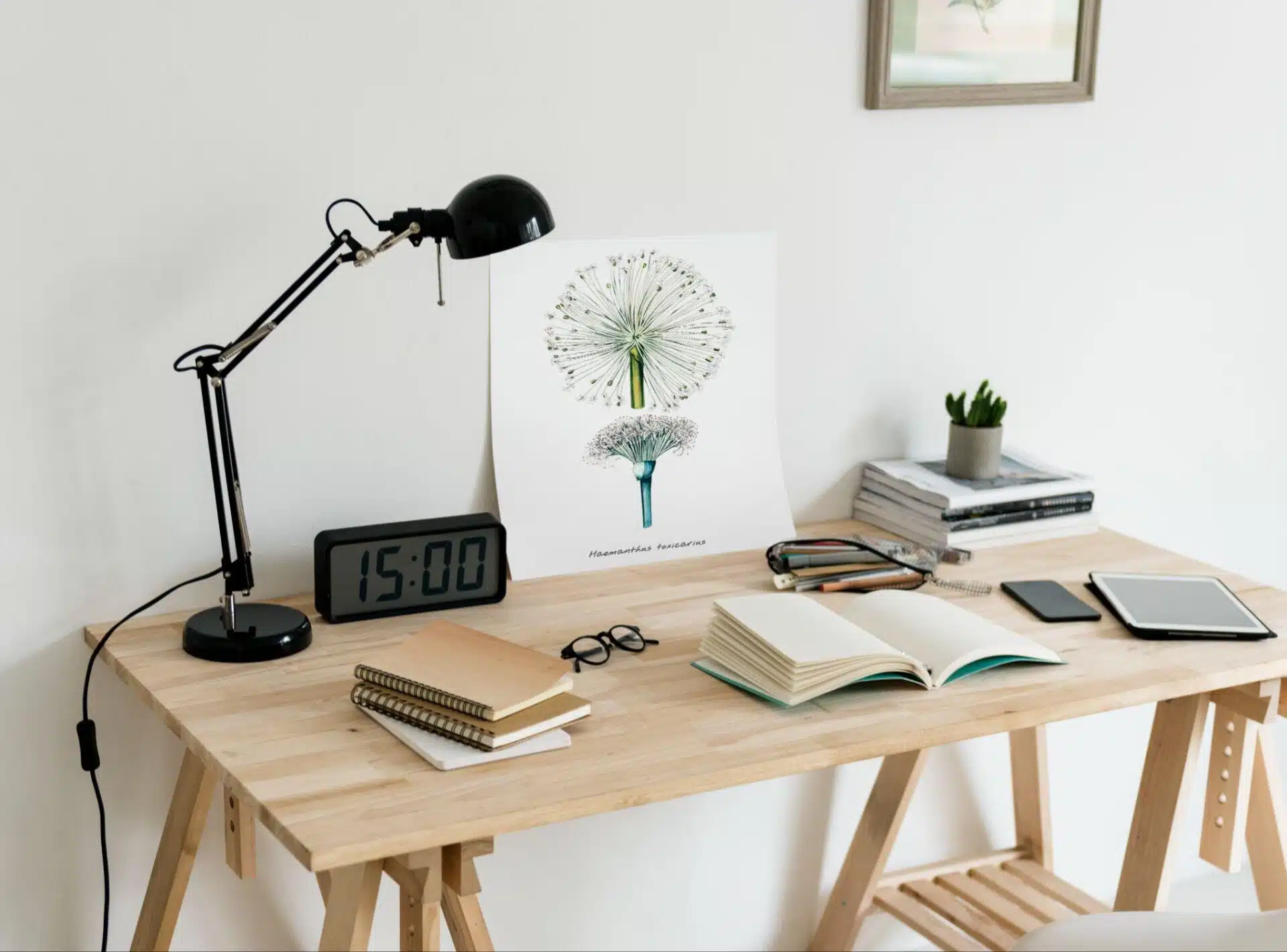
- A real desk: Not your bed. Not your kitchen table. An actual dedicated workspace changes everything. Even a small IKEA corner desk works—your brain starts associating that spot with productivity.
- Ergonomic chair: You’ll spend hours here. That $20 Target chair is fine occasionally, but invest in something better. Check Facebook Marketplace—UCLA students sell decent chairs every June.
- Vertical shelving: Floor space is precious. Go up. Tall bookshelves or wall-mounted shelves hold textbooks and supplies without consuming valuable floor area.
- Good lamp: Westwood apartments have terrible overhead lighting. A quality adjustable desk lamp makes huge difference during late-night sessions.
- Multipurpose storage: Ottoman that opens? Bed frame with built-in storage? You need places to hide stuff when not using it.
Look for furniture that is modular and flexible. Wall-mounted fold-down desks can be put away when you don’t need them. Rolling carts can be stored in closets. This way, you get more function without making your apartment feel crowded.
Creating Zones in Open Layouts
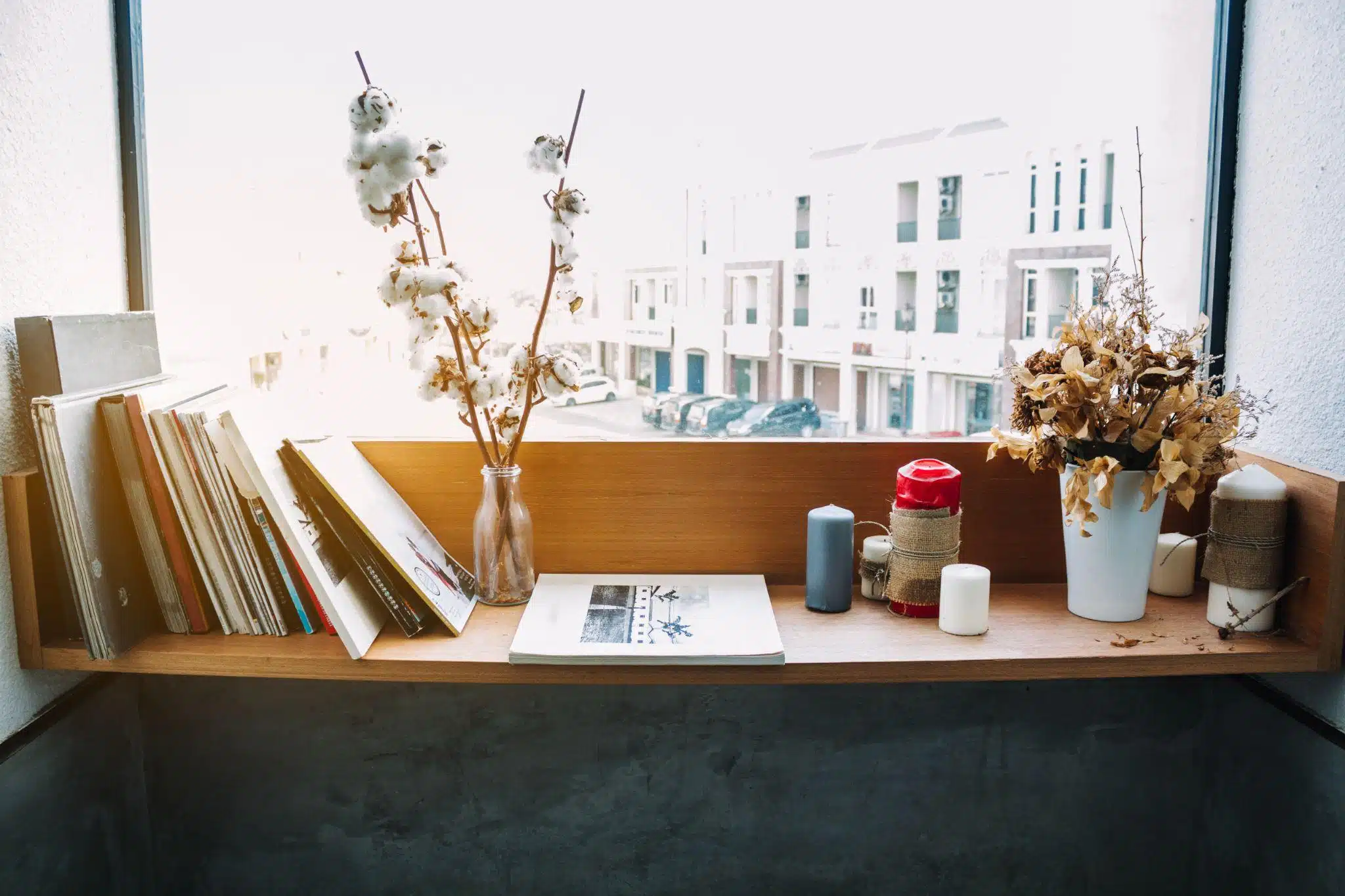
Most Westwood studios are just one big room with a small kitchen area. So how do you separate your work space from your relaxing space in such a small area?
Visual dividers help. A bookshelf perpendicular to the wall sections off your desk. A curtain on a tension rod hides workspace when unwinding. Even an area rug psychologically defines your study zone.
Lighting is more important than you might think. Keep your desk area bright with a task lamp, and use softer lighting in the rest of the room. When you’re done working, switch the lighting so the rest of the room is brighter and your desk is dimmer. This helps your brain switch between work and relaxation.
Position your desk facing a window (natural light is gold) or toward a blank wall where you can add organization solutions. Don’t face your bed—you don’t want nap temptation every time you look up.
Managing Westwood Noise
Westwood is loud. Students coming home at 2 AM, construction on Wilshire at 7 AM, that neighbor practicing trumpet at inconvenient times.
White noise machines can help block out unwanted sounds. Some people like brown noise or nature sounds instead. I use a fan all year to help mask noise.
Noise-canceling headphones are worth every penny. Not cheap earbuds—actual over-ear headphones that create a seal. Essential during midterms when someone’s throwing a party three doors down.
Placing your furniture carefully can help with noise. Put your desk on an inside wall, away from the street. Bookshelves along shared walls can block sound, and heavy curtains or area rugs absorb noise better than bare floors.
Sometimes you just accept that true silence doesn’t exist in Westwood. Learning to focus amid controlled chaos is actually valuable. That’s part of the trade-off for living in one of LA’s most vibrant neighborhoods.
Smart Storage Solutions
Westwood apartments fail at storage. Tiny closets, no garage, no attic. Everything fits within four walls.
Under-bed storage is a must. Use bed risers and flat containers to store off-season clothes and textbooks under your bed. Make sure to label everything.
Utilize awkward spaces. Gap between dresser and wall? Rolling slim cart. Back of bathroom door? Over-the-door organizer. Inside cabinet doors? Command hooks. Every inch counts.
Keep your study materials easy to reach. Use wall-mounted magazine holders for textbooks you’re using now. Desktop organizers help prevent paper piles. Have a set place for chargers, since searching for your laptop cord can ruin your focus.
Consider small-space solutions that do double duty. Pegboards hold supplies and decor. Magnetic strips organize tools. Clear containers let you see contents without opening everything.
Lighting for Focus
Poor lighting can make it hard to study well. Most Westwood apartments only have a single, weak overhead light.
Use different types of lighting: overhead for general light, a desk lamp for focused work, and a small lamp behind your computer to reduce eye strain. This lets you control the mood and brightness in your space.
Natural light is best. Put your desk near a window if you can, but be careful about screen glare. Sheer curtains can soften bright sunlight while keeping your room bright.
For task lighting, pick adjustable lamps with 4000-5000K bulbs. This “daylight” color helps you stay alert. Avoid using yellow or warm lighting when you need to focus; save that for relaxing in the evening.
Tech Setup Essentials
Tech Setup Essentials
Most studying today involves using screens, so your tech setup is important.
Productivity Tech Must-Haves:
- Monitor setup: Raise laptop to eye level with a stand and use external keyboard/mouse. Your neck will thank you. Second monitor is game-changing for research-heavy work.
- Cable management: Use clips, velcro ties, or cable boxes. A tidy desk feels more organized and less overwhelming.
- Charging station: One designated spot for overnight device charging. Not scattered around—one spot. Prevents morning scrambles.
- Backup system: External hard drive or cloud storage. Westwood has had break-ins. Losing a semester of work because your laptop got stolen isn’t recoverable.
- Quality WiFi: If your building’s WiFi is bad, invest in your own router. Reliable internet isn’t luxury when classes are online.
Keep it simple. Your tech should help you work, not distract you.
Making It Work
Setting up a good study space in Westwood isn’t a one-time job. It’s something you’ll keep adjusting as your needs change each semester or with each new project.
Give yourself permission to iterate. That perfect desk position in September might get terrible afternoon glare by November. That’s fine. The goal isn’t Pinterest-perfect permanence—it’s functional flexibility.
Notice what really helps you get work done, not just what looks nice. Always choose function over looks.
When you’re ready to move—whether upgrading within Westwood or heading elsewhere after graduation—professional movers like Mario Moving Company handle the logistics while you focus on setting up your next space for success.
Your Westwood apartment might be small, but with the right setup, it can support your goals perfectly. Whether finishing your degree or building your career, having a space that works with you instead of against you makes all the difference.
Start with just one corner, one desk, or one shelf. Then add more as you go.
Want more ideas for making the most of your small space? Check out practical tips and creative solutions to make your home work better and look great.

With a Master in Architectural Studies from University of Pennysylvania, Marwa Haydar has pioneered living spaces since 2005. Her expertise, initially honed in a prestigious architectural firm, is evident in her approach to creating environments. Marwa became part of our team in 2019 and has since been a driving force in our home improvement section, known for her practical yet stylish solutions. She’s been spearheading our design workshops since then, infusing her passion for teaching into her work. In her leisure time, Marwa enjoys exploring historic architecture and is an enthusiastic pottery hobbyist, further enriching her understanding of form and texture.