
Aloe vera often looks effortless, yet its success quietly depends on what lies beneath the surface.
The right growing base shapes how roots breathe, hold moisture, and stay stable over time.
Choosing soil for aloe vera is less about richness and more about balance, texture, and timing.
Small changes in soil structure, container choice, or planting conditions can influence how the plant responds long term.
From understanding what aloe roots actually need to adjusting materials based on environment, the details matter more than they appear at first glance.
What follows breaks down those details in a clear, practical way, building a strong foundation for healthy, steady growth.
About: Aloe Vera Plant
Aloe vera is a low-maintenance succulent known for its thick, moisture-storing leaves and compact root system.
The plant adapts well to dry conditions and prefers stable growing environments with good airflow.
Slow growth is normal, especially during cooler periods, and mature plants often produce offshoots near the base.
These natural traits allow aloe vera to store water efficiently and remain resilient when care conditions remain consistent.
Aloe vera stays healthy when basic care needs are met without frequent adjustments. Consistent conditions help the plant maintain its structure and natural growth pattern.
- Light: Place the plant in bright, indirect light for steady leaf growth
- Watering: Water only after the soil has fully dried
- Temperature: Keep the plant in a warm, stable environment
- Maintenance: Remove damaged leaves to maintain balance
Tip: Sudden changes in light or watering habits can stress the plant, so gradual adjustments work best.
Best Planting Season for Aloe Vera
| Season | Suitability | Key Notes |
|---|---|---|
| Spring | Best | Mild temperatures support root adjustment and steady growth |
| Early Summer | Good | Warm conditions help roots settle faster without heat stress |
| Late Summer | Moderate | Planting is possible if temperatures remain stable |
| Fall | Limited | Cooler conditions slow root development |
| Winter | Not suitable | Low temperatures increase stress and reduce root activity |
Planting during warmer months allows aloe vera to adapt smoothly to new soil and container conditions while reducing environmental stress.
Best Soil for Aloe Vera
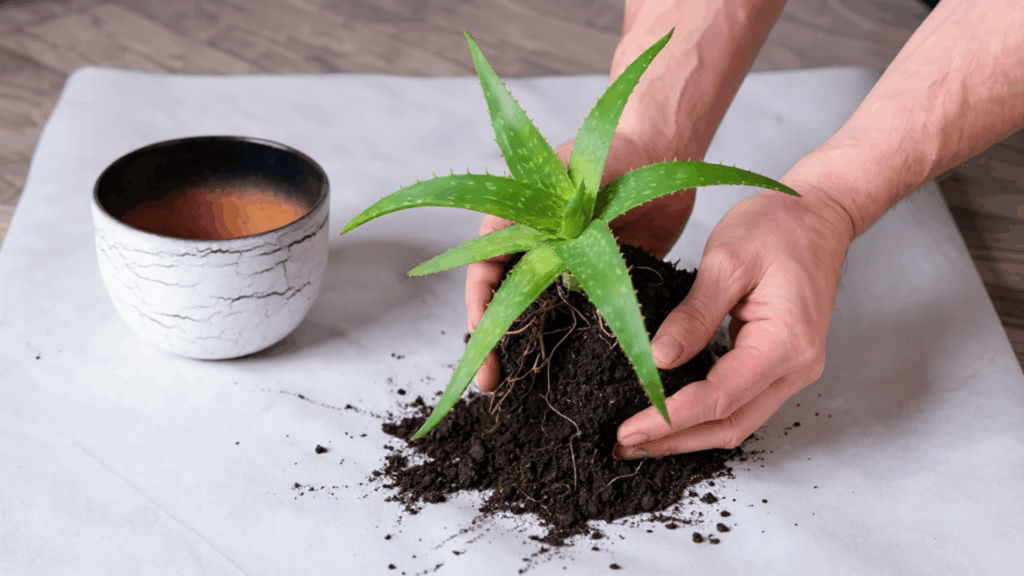
Aloe vera grows best in loose, fast-draining soil with a gritty texture. Among different types of soil, this structure allows water to move through quickly while keeping roots exposed to air.
Sand, perlite, or pumice help prevent soil from packing tightly around the roots.
When soil remains compact or dense, moisture stays trapped and increases the risk of root damage.
Light, crumbly soil that dries out between watering cycles supports healthy root development and helps aloe vera maintain firm, upright leaves without stress.
Ideal Aloe Vera Soil Mix and pH Range
A simple soil mix with a suitable pH range supports drainage while keeping roots comfortable.
- DIY Soil Mix Components: Many growers use a commercial cactus mix such as Miracle-Gro Cactus, Palm & Citrus Potting Mix or Espoma Organic Cactus Mix as a base, then add pumice or perlite to improve drainage. This adjustment helps water move through the soil while keeping the plant stable.
- Preferred Soil pH Range: Aloe vera grows well in slightly acidic to neutral soil, which helps maintain consistent nutrient availability without chemical adjustments.
Using a well-balanced mix with the right pH creates a stable growing environment and reduces long-term soil-related issues.
Choosing the Right Pot for Aloe Vera
Aloe vera relies on proper container selection to maintain stable root conditions and avoid moisture-related issues. Since water behavior changes based on pot design, choosing the right option supports long-term plant health without frequent intervention.
- Drainage Holes: Openings at the base allow excess water to exit the pot, preventing prolonged dampness that can affect root structure.
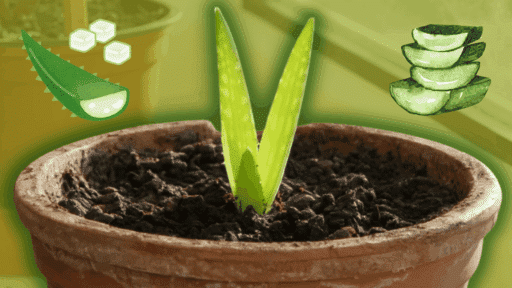
- Pot Material: Clay or terracotta pots allow gradual moisture loss through their surface, while plastic or ceramic pots retain moisture for longer periods.
- Pot Size: A container slightly wider than the root system limits unused soil, which helps regulate how long moisture stays in the pot.
- Pot Depth: Shallow to medium-depth pots suit aloe vera roots, which spread outward rather than growing deeply.
Selecting a container that manages moisture effectively helps maintain root balance and steady growth conditions.
Proper Setup for Planting Aloe Vera
Proper planting setup helps aloe vera settle into its new environment without disruption.
Before planting, the soil should be dry, loose, and evenly mixed to avoid compact areas around the roots.
The plant should be placed at the same depth it was growing previously, with the base sitting just above the soil surface.
Roots should be spread gently rather than pressed down. After planting, watering should be delayed for a few days to allow any minor root disturbance to recover and adjust naturally.
Aloe Vera Soil Ratios Based on Reddit Discussions
Many growers sharing experiences in online communities like Reddit point out that there is no single perfect ratio for aloe vera soil, as results depend heavily on climate, indoor conditions, and pot type.
A commonly mentioned starting point is a 1:1 mix of commercial cactus or succulent soil with inorganic materials such as pumice or perlite.
In drier regions, this balance often works well, while cooler or more humid spaces may benefit from extra grit.
Several growers prefer pumice for its weight and stability, using perlite sparingly despite its tendency to crush.
Adjustments are usually made after observing how quickly the soil dries.
Bringing It All Together
Strong aloe vera growth comes down to a few connected choices made early on.
Understanding the plant’s natural habits, using containers that manage moisture, and planting at the right time all support steady development.
Picking the correct soil for aloe vera keeps roots stable and reduces common problems linked to excess moisture.
When soil structure, pot selection, and care routines work together, aloe vera stays resilient with minimal effort.
Small adjustments based on space and climate often lead to better results over time.
Share your experience or favorite soil mix for aloe vera in the comments below.
Jordan Mathews, who has a degree in horticulture from Texas A&M University, has been a guiding force in plant health and sustainable gardening for over 16 years. His career began with a role at a renowned botanical garden, where he deepened his understanding of plant physiology and eco-friendly cultivation methods. Jordan joined our website as a freelancer in 2020, becoming a go-to expert for readers seeking advice on nurturing diverse plant species apart from offering insights grounded in scientific knowledge and practical experience. Beyond his professional achievements, Jordan is a keen nature photographer, capturing the beauty of flora in its immensely diversified forms.