
Creating a mold resistant bathroom is all about staying ahead of moisture. Bathrooms deal with steam, splashes, and constant humidity, which means smart layout choices and materials matter just as much as good daily habits. With a few design upgrades, plus a clear plan for ventilation and waterproofing, you can keep mold from gaining a foothold.
Understand Where Moisture Builds Up
Moisture collects in predictable spots: shower corners, window trims, under vanities, and anywhere water sits longer than a few minutes. A good bathroom design works to reduce the amount of standing water and dries the room quickly, as well as being an important factor in your daily life.
Know the Key Zones
- Shower walls and floors that take the heaviest splash.
- Behind toilets or vanities where air circulation is low.
- Ceilings where steam condenses after hot showers.
Deal With Existing Mold Before Remodeling
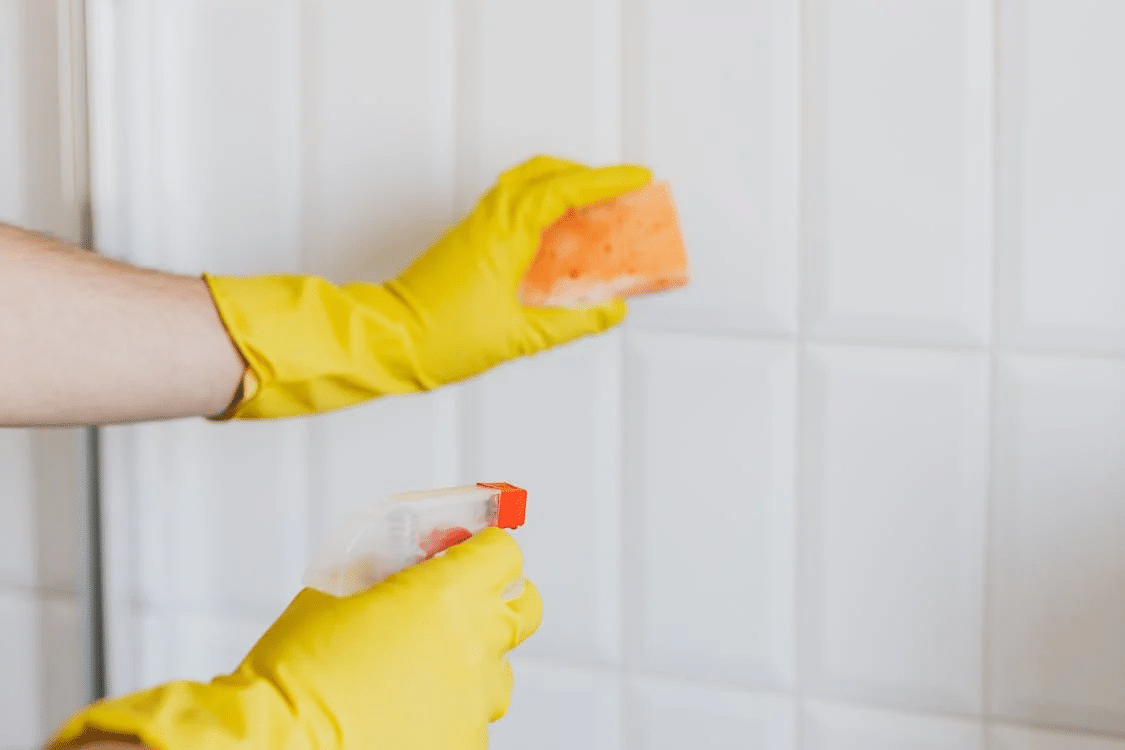
If mold is already present, it is essential to address it before any redesign or upgrades. Sealing over mold traps it inside the wall, allowing it to continue spreading.
When tackling bigger issues, homeowners may want support from local specialists who understand local building conditions. For instance, if you’re based in Colorado then working with experts in mold removal in Boulder, CO is a smart way to ensure the space is clean and safe before improvements begin. The right professionals in your area will save you so much time and hassle during the planning phases of a project.
Use Materials That Fight Mold
Picking mold resistant surfaces is one of the easiest ways to keep the bathroom healthy over time. Some finishes naturally stop moisture from settling in, while others resist staining and organic growth.
Waterproof Surfaces and Finishes
Moisture rated paints, sealed stone, and high density tile backer boards are foundational here. These materials slow down water absorption and keep humidity from sneaking behind surfaces where mold can grow unseen.
Tile grout is another big decision. Standard cement grout is porous, so it soaks up moisture. Epoxy grout costs more but it resists water and stains, and it lasts longer with less upkeep. Silicone caulk, rather than acrylic, is also a simple upgrade that blocks moisture more effectively.
Don’t Forget About the Structure Behind the Scenes
Modern waterproof membranes under shower tile help prevent mold inside the walls. Curbless showers, when installed properly, also reduce splashback and pooling, which limits the wet conditions mold prefers.
Get Ventilation Right From the Start
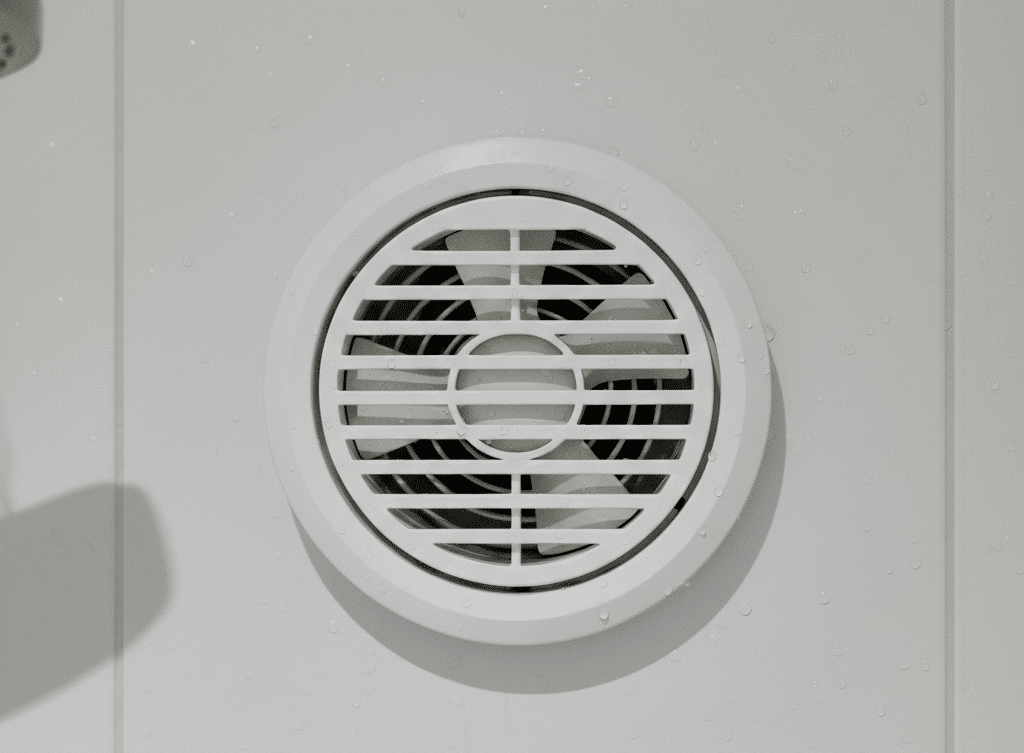
Ventilation is often overlooked by homeowners. A fan that is too small or runs for too short a time leaves humidity hanging around far longer than it should.
Choose the Correct Fan Size
Bathroom fans are rated by CFM, which measures airflow. Bigger bathrooms need a higher CFM rating, and frequent use or long showers may require a boost mode. Guidance from Good Housekeeping highlights how poor fan habits allow mold to thrive, even in otherwise clean bathrooms.
Everyday Ventilation Habits
Even the best fan cannot help if it is not used. Run it during showers and for at least 20 minutes after. Leave the door slightly open to encourage circulation, and if your design allows, consider a transom vent above the door to create airflow without sacrificing privacy.
Layout Decisions That Keep Water Moving
Good design channels water where it belongs and makes drying easier.
Aim for a Quick Dry Bathroom
Some simple layout choices include:
- Sloping shower floors correctly to prevent puddles.
- Keeping vanities slightly raised to allow air underneath.
- Choosing glass shower doors over heavy curtains that trap moisture.
Professional remodelers often add niche shelving inside showers so bottles do not sit in constantly wet puddles on corners or ledges.
Bring In Maintenance Minded Design Choices
Design and daily routines work together in a mold resistant bathroom. Drying shower walls with a quick squeegee pass, letting loofahs dry in open air, and storing items off the floor all help the space stay mold free.
Final Thoughts
A mold resistant bathroom is not just a matter of cleaning more. When the design encourages airflow, dries quickly, and uses waterproof materials, the whole room becomes more resilient. Combine this with easy habits like running the fan and wiping down wet surfaces, and your bathroom will stay fresh with far less effort.
If you are planning a remodel, think ahead about moisture management and smart material choices. And if you enjoy projects like this, exploring more home design articles or renovation tips can help guide your next upgrade.

With a Master’s in Architecture from the University of California, Berkeley, Mitchell Green has spent over two decades dedicated to the study and practical application of home fixture design. His career started in an architectural firm, providing him a strong foundation in the structural and aesthetic aspects of home interiors. Mitchell brought his comprehensive knowledge to our platform, where he has been an influential voice in our home fixtures and fittings section. Since 2018, he has been guiding our readers through the intricacies of selecting and installing fixtures, combining technical know-how with design flair. In his spare time, Mitchell is a keen photographer, capturing architectural details and design elements, an interest that complements his professional focus.