The honest pros, cons, and things I wish I knew before buying.
Hey everyone, Alex here. As a long-term renter, installing an under-sink water filtration system was never really an option for me. Drilling holes, modifying plumbing, and worrying about restoring everything before moving out just didn’t make sense. That’s what led me to explore countertop reverse osmosis systems about six months ago.
After comparing several models, I decided to give one a try. This post isn’t sponsored, and it’s not a buying guide—just an honest look at what living with a countertop RO system is actually like.
What Is a Countertop RO System & Why I Chose One
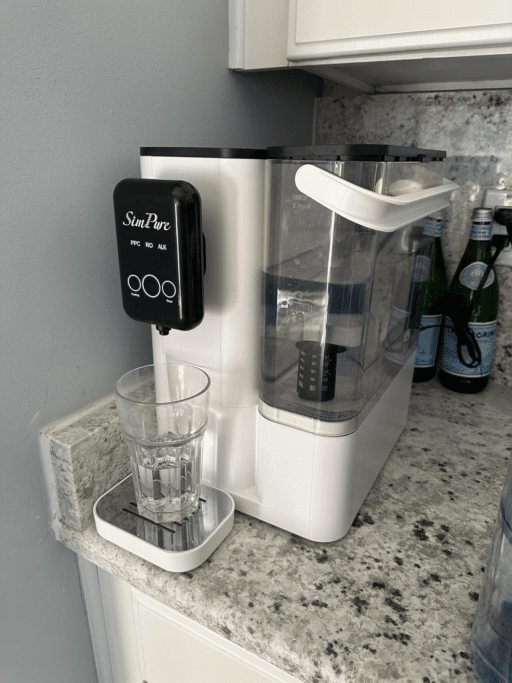
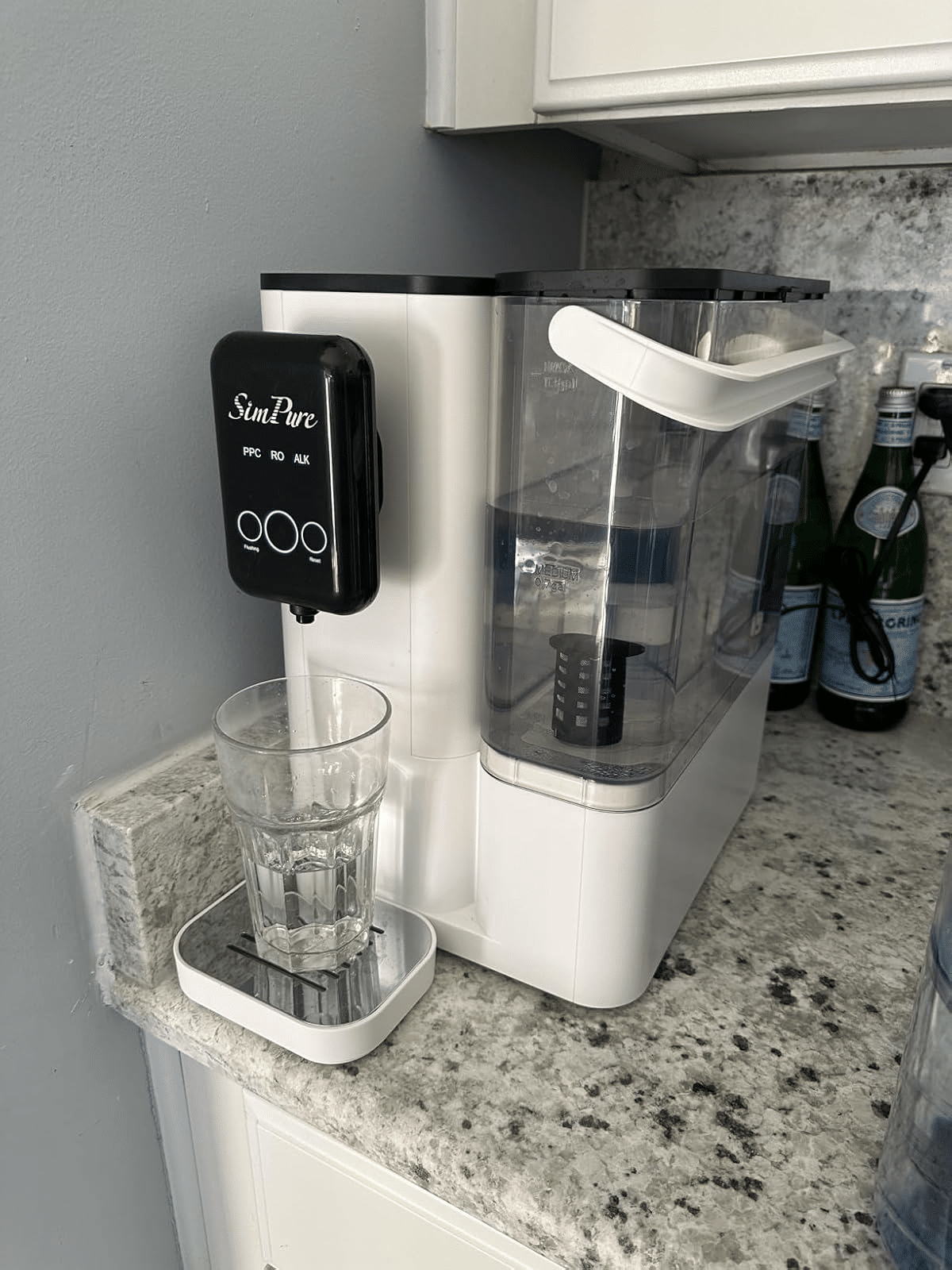
A countertop RO system is a self-contained water purifier that sits on your counter, requires no permanent installation, and plugs into a standard electrical outlet. It uses a reverse osmosis membrane to remove dissolved solids, chlorine, and other contaminants from tap water.
My main motivation was flexibility. I wanted something powerful but temporary. While researching, I looked at a few well-known options, including models from brands like SimPure, mainly because of their compact, minimalist designs and renter-friendly setup.
The “Aha!” Moments That Made It Worth It
No Installation, No Stress
The setup was surprisingly painless. From unboxing to first glass of water took about 20 minutes. Attach the diverter to the faucet, place the drain line in the sink, plug it in, and you’re done. No tools. No landlord emails.
Goodbye Limescale
This was the biggest surprise. Before using RO water, I had to descale my kettle every month. Six months in, it still looks brand new. The taste improvement was obvious too—no chlorine smell, no mineral heaviness.
On-Demand Convenience
My unit is tankless, which means filtered water is produced as you use it. It’s not instant like a pitcher, but filling a glass takes only a few seconds. For daily drinking, that’s more than acceptable.
The Not-So-Glamorous Side (What You Don’t See in Ads)
Wastewater Is Real
Reverse osmosis systems waste some water by design. Mine runs at roughly a 1.5:1 ratio. I reuse the wastewater for plants and cleaning, but it’s something you need to be comfortable with.
It Needs Power
Unlike gravity filters, countertop RO systems rely on a small pump. That means you’ll need an outlet nearby.
There’s Some Noise
When the system is actively filtering, you’ll hear a low hum from the pump. It’s not loud, but in a quiet kitchen, it’s noticeable.
Living With It Day to Day
What surprised me most is how quickly it blended into my routine. I drink more water at home now. I don’t buy bottled water anymore. Making coffee and tea feels more consistent.
I’ve since noticed that many people looking into countertop RO systems end up comparing models within the same lineup—like the Y9A and Y9T series from SimPure—less for filtration performance and more for interface, feedback, and countertop footprint.
My Final Take After 6 Months
For renters, apartment dwellers, or anyone who doesn’t want to commit to a permanent installation, a countertop reverse osmosis system strikes a great balance between convenience and purification performance.
It’s not perfect, and it’s not for everyone. But for everyday drinking water, it’s been a genuine quality-of-life upgrade for me.

Liam Bennett holds a degree in Computer Science from the University of Edinburgh and has over 15 years of experience in technology and digital innovation. He began his career in software development, focusing on user-friendly systems and backend architecture. Liam joined our platform in 2025 to lead our Tech section, where he simplifies complex topics—from smart home devices and AI tools to cybersecurity and troubleshooting tips. Known for his clear, practical advice, he helps readers navigate today’s fast-evolving tech landscape. Outside of work, Liam enjoys building custom PCs and contributing to open-source projects.