Fire safety remains a critical concern in commercial and industrial settings, particularly where the risk of fire is elevated. While modern facilities often rely on sprinkler systems, alarms, and extinguishers to prevent and control fires, there are situations where these systems may be temporarily offline or insufficient.
In such instances, authorities often mandate the implementation of a fire watch—a proactive safety measure in which trained personnel monitor facilities to detect and respond to fire hazards.
Understanding when a fire watch is required and what officials expect during high-risk conditions is essential for regulatory compliance, risk mitigation, and the protection of life and property.
Understanding Fire Watch and Its Purpose
A fire watch is a temporary but critical fire safety measure that assigns trained personnel to observe and protect a facility continuously. Unlike passive systems, a fire watch actively monitors the premises, identifies potential hazards, alerts occupants and emergency services if a fire occurs, and may initiate immediate safety actions until professional responders arrive.
Fire watch personnel are commonly deployed during periods when a building’s fire alarm or sprinkler systems are offline for maintenance, repair, or testing.
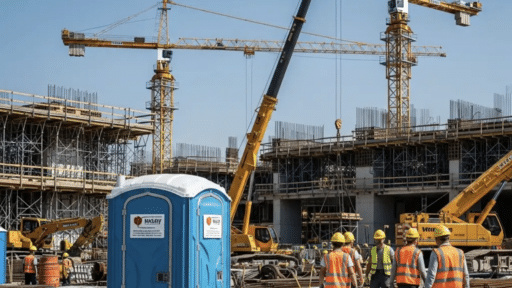
They are also required in high-risk work environments, such as construction sites, where welding, cutting, or other spark-generating activities occur. In these contexts, authorities recognize that the absence of functional fire protection increases the potential for dangerous incidents, making human oversight indispensable.
When Fire Watch Is Mandatory
The need for a fire watch is defined by fire codes and regulations, which vary by jurisdiction but generally follow widely accepted standards such as those established by the National Fire Protection Association (NFPA). Codes like NFPA 101, the Life Safety Code, and NFPA 25, which governs inspection, testing, and maintenance of water-based fire protection systems, provide clear guidance on when fire watch personnel must be deployed.
A fire watch becomes mandatory when essential fire protection systems are impaired or out of service for an extended period. Facilities experiencing system downtime are expected to notify local fire departments and assign personnel to monitor the premises continuously until systems are restored.
High-risk operations, such as those involving open flames or sparks in areas without fixed fire suppression, also trigger the requirement for a fire watch, as even brief lapses in safety oversight could lead to serious incidents.
Certain occupancies, including chemical storage facilities, warehouses with large volumes of combustible materials, or manufacturing plants handling flammable liquids, are subject to stricter fire watch standards.
In these environments, even minor system interruptions or hazardous work activities justify continuous monitoring to prevent potential disasters.
Authorities may also mandate a fire watch following a fire incident or during temporary conditions such as renovations or construction modifications. In these cases, personnel ensure that the site remains safe and that the risk of secondary fires is minimized.
Local fire marshals or inspectors evaluate the need for fire watch based on risk factors, historical safety data, and the specific characteristics of a facility, emphasizing that proactive preparation is key to regulatory compliance and safety.
Expectations During Fire Watch
Authorities expect more than just the presence of personnel during a fire watch. Fire watch staff must maintain constant vigilance, actively monitoring areas at risk for fire or other hazards. Intermittent checks or casual observation are insufficient, particularly in high-risk or system-impaired conditions. Personnel are expected to be familiar with the facility, including building layouts, potential fire hazards, locations of fire extinguishers, and emergency exits, enabling them to act quickly if a fire occurs.
Effective fire watch also requires reliable communication and reporting. Staff must be able to notify building management, on-site personnel, and emergency responders immediately if they detect any hazards or incidents. In many jurisdictions, authorities expect fire watch personnel to take initial safety actions when necessary, such as activating alarms, using portable fire extinguishers safely, and assisting with evacuation.
In addition, detailed documentation of fire watch activities—including inspection logs and observations—is often required to verify compliance and support any post-incident investigations.
Meeting these expectations demonstrates adherence to regulatory standards while providing an additional layer of protection for occupants and property. Fire watch is recognized as a temporary but vital safeguard, and failure to comply can result in fines, operational shutdowns, or legal liability in the event of a fire.
High-Risk Conditions That Require Fire Watch
High-risk conditions that necessitate fire watch extend beyond system impairment and high-risk work activities. Facilities with large concentrations of combustible or flammable materials require heightened oversight, as even minor sparks or heat sources could ignite a fire.
Construction and renovation projects often introduce new ignition risks or obstruct access to fire suppression systems, making continuous monitoring essential. Environmental factors, including extreme heat, dry conditions, or high winds, can also increase the likelihood of fire, prompting authorities to require additional vigilance.
Even planned system maintenance or testing that temporarily reduces fire protection coverage typically triggers a requirement for a fire watch to ensure safety is maintained at all times.
Understanding the scope of high-risk conditions helps businesses proactively implement fire watch measures and demonstrate compliance with authorities. Proper preparation not only fulfills regulatory obligations but also contributes to a safer environment for employees, contractors, and visitors.
The Importance of Clear Guidance
Navigating fire watch requirements can be complex, particularly because local regulations vary and risk assessments are often subjective.
To help facility managers and safety personnel understand their obligations, resources such as this breakdown of fire watch requirements provide clear explanations of when fire watch is necessary, the qualifications expected of personnel, and the procedures authorities require during high-risk conditions.
Consulting these guides ensures that organizations can implement effective fire watch protocols while remaining in compliance with applicable laws and codes.
Conclusion
Fire watch is a critical, proactive component of fire safety, particularly during periods when conventional protection systems are compromised or when conditions create elevated risk. Authorities mandate fire watch not as a mere formality but as a safeguard to protect lives and property in potentially hazardous situations.
Understanding when a fire watch is required, what is expected of personnel, and the conditions that constitute high risk enables businesses and facility managers to implement effective monitoring strategies.
By remaining vigilant, maintaining clear communication, and adhering to documented procedures, fire watch personnel provide an essential line of defense against fire incidents. Properly executed fire watch not only meets regulatory expectations but also reinforces a culture of safety, ensuring that facilities are prepared to respond quickly and effectively whenever high-risk conditions arise.

Journalist Chloe Rivera studied at the University of Missouri and has covered mindful, stylish living since 2013. She joined us in 2025 to curate realistic routines, budget-friendly décor, and community stories that help readers craft balance without perfection pressure. When offline, Chloe volunteers at urban farms, photographs street style, and hosts weekend swap parties for preloved clothes and books in her neighborhood.