
There’s something deeply satisfying about a home that runs smoothly, especially when it comes to the essentials like water flow and drainage.
As a Canadian homeowner, I’ve learned the hard way that ignoring small drips or unusual gurgles can lead to bigger headaches down the line. With our country’s extreme weather swings—from bone-chilling winters in places like Ontario to humid summers on the coasts—keeping up with home plumbing maintenance isn’t just a chore; it’s a smart way to protect your investment and avoid unexpected disruptions.
In this guide, we’ll dive into practical strategies for preventing common issues, drawing on real-world insights that make Enthralling Gumption your go-to resource for reliable home care advice.
Think about it: according to recent data, plumbing problems account for about 17% of all home repair emergencies in Canada, with leaks alone contributing to nearly 37% of residential water damage incidents.
That’s not just a statistic—it’s a reminder that proactive steps in areas like drain cleaning and pipe insulation can save you thousands. Whether you’re in a bustling suburb or a quiet rural spot, understanding these basics turns potential disasters into manageable routines.
The Basics of Your Home’s Plumbing System
Before we get into troubleshooting, let’s break down what makes up a typical Canadian home’s plumbing setup. At its core, you’ve got supply lines bringing in fresh water, drain-waste-vent systems carrying away the used stuff, and fixtures like sinks, toilets, and showers tying it all together.
In older homes, especially those built before the 1980s, you might still find galvanized steel pipes prone to corrosion, while newer builds often use PEX or copper for better durability.
One key aspect often overlooked is the role of water pressure. Ideally, it should hover between 40 and 60 psi to avoid straining joints and seals. If it’s too low—say, due to mineral buildup from hard water common in regions like the Prairies—it can signal deeper issues.
On the flip side, excessive pressure might cause leaks over time. Regular checks here tie into broader home maintenance tips, ensuring everything from your dishwasher to your garden hose works efficiently.
Hard water, affecting around 85% of Canadian households, deposits minerals that clog pipes and reduce appliance efficiency.
In fact, studies show it can shorten the lifespan of water heaters by up to 50%, leading to premature replacements that cost an average of $1,000 to $1,850. Simple habits, like installing a water softener or flushing your heater annually, integrate seamlessly into your routine and extend the life of your system.
Venturing further, the drain-waste-vent (DWV) system is your unsung hero. Those vents on your roof aren’t just for show—they prevent sewer gases from backing up and maintain proper drainage.
Blockages here, often from leaves or ice in winter, can cause slow drains or even backups. Incorporating vent checks into your seasonal home care checklist keeps things flowing and avoids the kind of surprises that disrupt daily life.
 Spotting and Fixing Common Plumbing Problems
 Spotting and Fixing Common Plumbing Problems
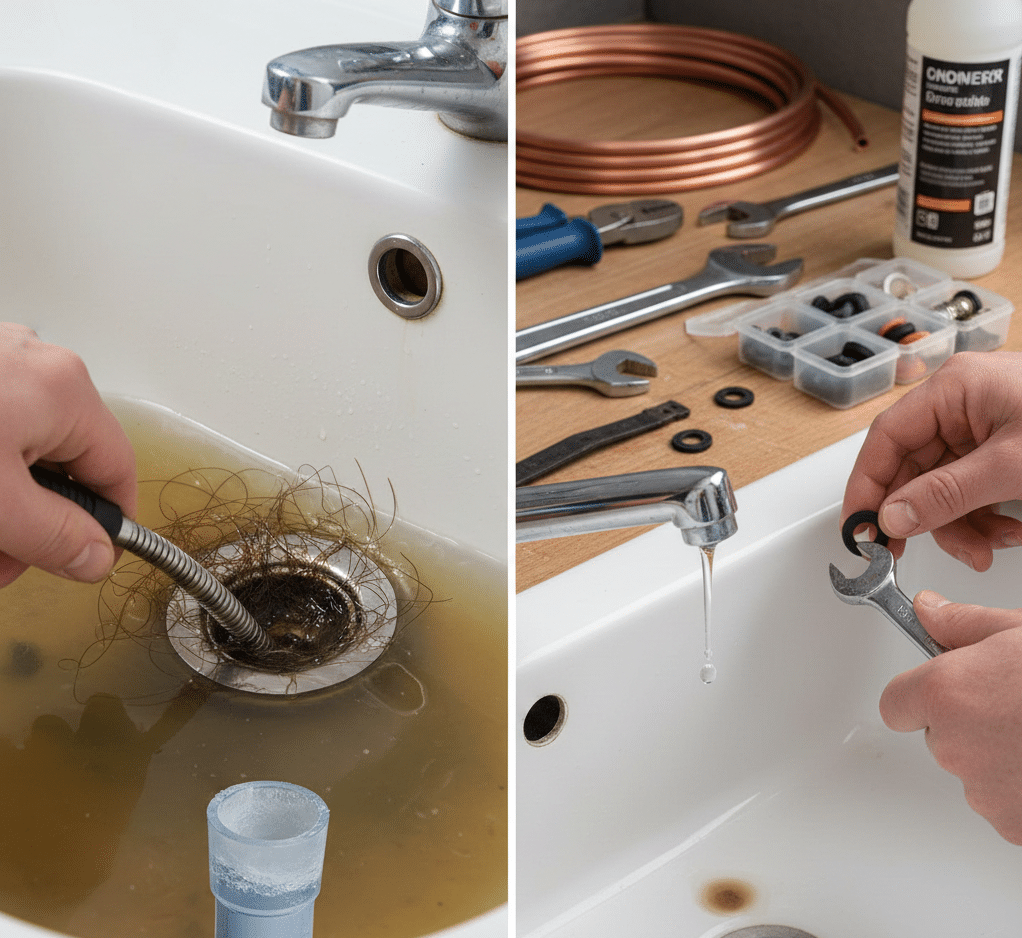
No home is immune to plumbing hiccups, but knowing the signs early can make all the difference. Take clogged drains, for instance—one of the most frequent complaints, affecting about 19% of Canadian homes annually.
They often start innocently with hair, grease, or food scraps building up, but in colder months, frozen residue exacerbates the issue. A telltale gurgle or slow drainage is your cue to act before it escalates into a full blockage.
Leaky faucets are another culprit, wasting up to 10,000 litres of water per household each year if left unchecked. That drip might seem minor, but it adds up on your utility bill and can stain fixtures over time.
Fixing it usually involves replacing worn washers or cartridges, a straightforward task that aligns with DIY home improvement projects.
However, if you’re dealing with persistent low water pressure—caused by corrosion in up to 20% of older pipes— it might point to broader system wear.
Running toilets are deceptively wasteful, potentially squandering 200,000 litres annually per faulty unit. The flapper valve is often to blame, degrading from constant exposure to water chemicals.
In Canada, where water conservation is increasingly emphasized, addressing this promptly supports both your wallet and environmental goals. Data indicates that such leaks contribute to 18% of indoor water use spikes in average homes.
Then there’s the nightmare of burst pipes, particularly in winter when temperatures plummet. Statistics reveal that frozen pipes affect 24% of homeowners’ winter concerns, with bursts leading to average repair costs of $400 to $1,650.
The expansion of freezing water exerts immense pressure, cracking even sturdy materials. Prevention through insulation and heat tape is key, especially in unheated areas like basements or garages.
Sewer backups round out the list, often stemming from tree roots invading lines or heavy rainfall overwhelming municipal systems. In urban areas, this happens in about 15% of reported plumbing emergencies.
Regular inspections and root barriers can mitigate risks, tying into comprehensive home exterior maintenance strategies.
Seasonal Plumbing Care: Navigating Canada’s Weather Extremes
Canada’s climate demands tailored approaches to plumbing care, with winter posing the biggest threats. In provinces like Ontario, where cold snaps can drop below -20°C, preventing frozen pipes tops the list.
Insulate exposed lines with foam sleeves, and let faucets drip during deep freezes to keep water moving. This simple step has reduced burst incidents by up to 30% in monitored homes.
Come spring, thawing ground can shift pipes, leading to leaks or misalignments. Check for puddles or damp spots in your yard, as these might indicate underground issues.
Summer brings its own challenges with increased usage from lawns and pools, straining systems and highlighting any inefficiencies. Fall is ideal for draining outdoor faucets and irrigation lines to avoid ice damage.
Incorporating these into your Canadian winter plumbing tips routine not only safeguards your home but also aligns with energy-saving practices.
For example, maintaining your water heater—flushing sediment buildup yearly—can improve efficiency by 10-15%, cutting heating costs in a country where energy bills average $2,000 annually per household.
When to DIY and When to Call in the Pros
Many plumbing tasks lend themselves to hands-on fixes, fostering that sense of accomplishment in home improvement. Clearing a minor clog with a plunger or baking soda-vinegar mix is accessible and eco-friendly.
Similarly, replacing a showerhead or aerator to boost water efficiency is a quick win, potentially saving 2,700 litres per year per person.
But knowing your limits is crucial. Complex jobs like repiping or sewer line repairs require expertise to avoid exacerbating problems.
In Canada, licensed plumbers charge an average of $105 to $175 per hour, but this investment prevents costlier fixes down the road. For instance, a botched DIY pipe repair can lead to water damage claims averaging $10,000.
Safety is paramount—gas lines or electrical components near water demand professional handling. Building codes vary by province, so consulting experts ensures compliance and peace of mind.
This balance of DIY and pro help embodies practical home maintenance strategies that keep your space functional and safe
 Cost-Saving Strategies for Long-Term Plumbing Health
 Cost-Saving Strategies for Long-Term Plumbing Health
Proactive maintenance is your best defense against escalating expenses. Annual inspections can catch issues early, with data showing they reduce emergency calls by 40%. Invest in quality fixtures; low-flow toilets, mandatory in new builds since 2007, save up to 30% on water usage.
Water damage from plumbing failures hits 76% of Canadian homeowners at some point, often during winters when pipes are vulnerable. Budgeting for routine care—like $150-$300 drain cleanings—averts these crises.
Smart tech, such as leak detectors, alerts you to problems via app, preventing minor drips from becoming floods.
Eco-friendly upgrades, like greywater systems, are gaining traction, with adoption rising 25% in the last decade. These not only conserve resources but also qualify for rebates in many municipalities, offsetting initial costs.
Tailoring Maintenance to Your Local Environment: Focus on Ontario
In Ontario, where diverse landscapes range from urban Toronto to suburban Markham, plumbing needs reflect local conditions.
Markham’s rapid growth means newer homes with modern systems, but older neighborhoods might have aging infrastructure susceptible to root intrusion from nearby green spaces like Rouge National Urban Park.
Winters here are unforgiving, with average lows hitting -10°C, amplifying risks of frozen pipes. Local homeowners report a 20% higher incidence of cold-weather issues compared to milder coastal areas.
Tying into this, points of interest like Markham’s historic Main Street or the Varley Art Gallery remind us that maintaining our homes preserves the charm of these communities.
Hard water from Lake Ontario sources affects efficiency, so descaling appliances regularly is a must. For tailored advice, reaching out to a reliable plumber in Markham ensures solutions suited to the area’s clay soils and freeze-thaw cycles.
Summer humidity can foster mold in damp basements, so ventilation checks are essential, aligning with broader home exterior care.
Community events, like Markham’s home shows, offer workshops on these topics, fostering a sense of shared knowledge. By adapting general tips to local realities—such as insulating against wind chills from nearby Lake Simcoe—you create a resilient home that stands up to Ontario’s elements.
Wrapping Up: Building a Reliable Plumbing Routine
Mastering home plumbing maintenance boils down to vigilance, timely action, and a bit of know-how. From spotting early signs of trouble to embracing seasonal tweaks, these practices keep your home humming without the drama.
As we’ve explored, integrating strategies like regular inspections and smart upgrades not only saves money but also enhances daily comfort. Enthralling Gumption is here to equip you with these insights, drawing on a wealth of home care expertise to make your space truly thrive.
Remember, a well-maintained plumbing system isn’t about perfection—it’s about consistency. Start small, build habits, and watch how they pay off in a more efficient, worry-free home.
Frequently Asked Questions (FAQs)
What Are the First Signs of A Plumbing Problem I Should Watch For?
Early indicators include slow drains, unusual odors from pipes, discolored water, or sudden spikes in your water bill. Addressing these promptly can prevent major issues, especially in Canadian homes where weather fluctuations stress systems.
How Often Should I Schedule Professional Plumbing Inspections?
Aim for at least once a year, ideally in the fall before winter sets in. This catches potential problems like corrosion or weak seals, reducing the risk of emergencies that affect 76% of homeowners.
Can I Prevent Frozen Pipes without Major Renovations?
Absolutely—insulate vulnerable pipes, keep cabinet doors open to allow warm air circulation, and maintain indoor temperatures above 12°C when away. These steps have proven effective in cutting burst risks by up to 30%.
What’s the Average Cost of Ignoring Minor Plumbing Leaks?
A single leaky faucet can waste thousands of litres annually, adding $100 or more to bills, while unchecked pipe leaks lead to water damage repairs averaging $10,000. Proactive fixes keep costs down.

Tommy Hardy, an alumnus of the Georgia Institute of Technology with a degree in Mechanical Engineering, has been a go-to figure in residential upkeep and innovation for over 18 years. His career commenced in a leading home appliance manufacturing company, where he mastered the intricacies of household systems. Joining our platform in 2020, Tommy quickly became a reader favorite for his practical and easy-to-follow guides. He took the helm of our DIY section in 2019, consistently delivering content that empowers homeowners. Beyond his professional pursuits, Tommy is a passionate gardener and enjoys woodworking, skills enhancing his hands-on approach to home care.