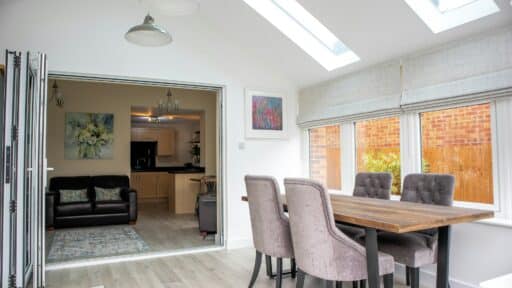

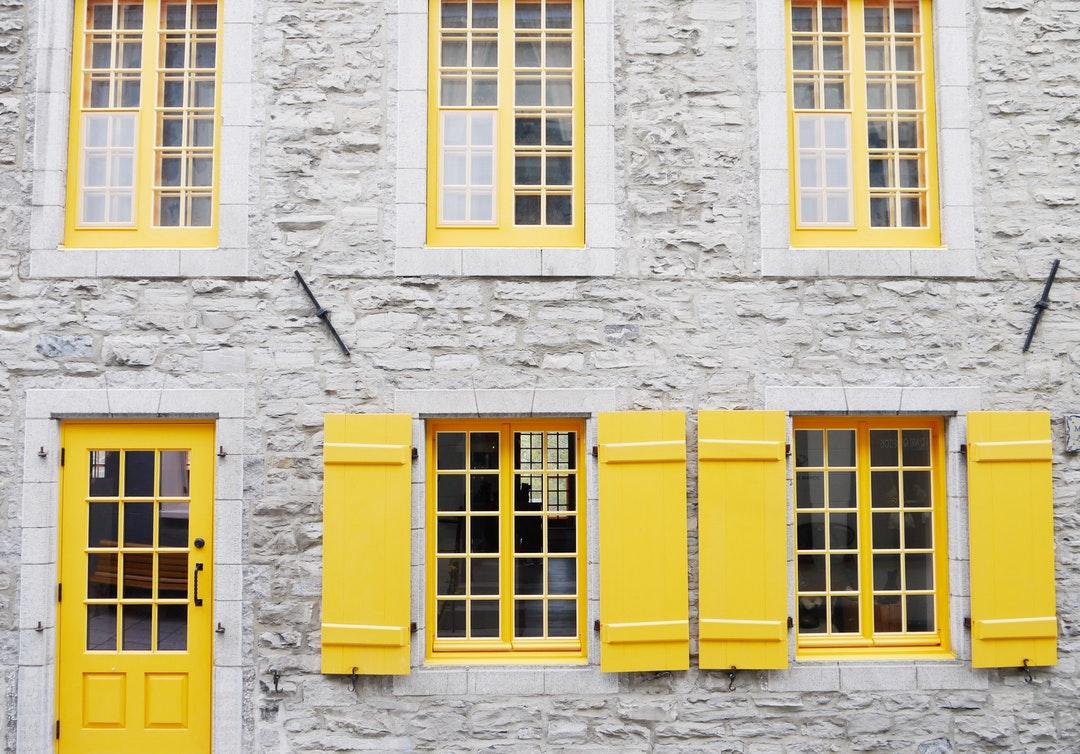

Choosing new windows can feel confusing. Styles, ratings, and codes all compete for your attention, and the price tags can swing a lot. This guide breaks the job into simple steps to match your climate, budget, and goals without regret.
Know Your Climate and Code Zone
Your weather should guide your window choice. Cold zones favor lower U-factors, while sunny zones prioritize solar heat gain control. Coastal areas may require impact or storm protection, and local codes can be strict.
If you live in a hurricane region, compare your options before buying. Many homeowners weigh shutters against hurricane impact windows when deciding which features best fit their home and lifestyle. Pick what meets code and matches how you want to live day to day.
Talk to your building department about wind zones and required ratings. Ask which standards apply, and get that in writing. Knowing the rules set prevents costly change orders later.
Read the Energy Label the Right Way
Energy performance labels are your shortcut to comparing models. Focus on U-factor for insulation and Solar Heat Gain Coefficient for sun control. Lower is better for both numbers when you want to reduce energy use.
A federal energy guide points out that windows make those label numbers matter for comfort and bills. Heat gain and loss through windows can drive a sizable share of heating and cooling needs, and even small improvements help in every season.
Look for the NFRC label to compare U-factor and SHGC across brands. If you’re in a northern climate, prioritize a low U-factor. In hot, sunny regions, aim for a low SHGC to cut glare and summer heat.
Understand the Impact of Window Construction
Impact windows use laminated glass that sandwiches a clear interlayer to prevent shards from sticking if the pane cracks. Frames are reinforced, and hardware is beefier to handle pressure and flying debris.
This laminated design and stronger frames work together to resist windborne debris. The goal is to keep the building envelope intact so wind never pressurizes the house. That lowers the risk of major damage during a storm.
Impact windows help with security and noise. The laminated layer is tougher to breach, and the extra mass can quiet traffic or yard tools. You feel the difference in everyday living, not just during storms.
Compare Frame and Glass Options
Frame material shapes performance, upkeep, and style. Vinyl is common and budget-friendly, fiberglass is stable in heat and cold, wood brings warmth but needs care, and clad wood mixes wood inside with a low-maintenance exterior.
Glass packages change how the window handles heat, sun, and sound. Double pane with low-e coatings is standard. In harsh climates, triple-pane or upgraded coatings might pay off. In impact zones, laminated glass is the key layer.
- Vinyl frames: low maintenance, good value, solid energy results
- Fiberglass frames: strong, stable, good for large openings
- Wood or clad wood: classic look, can be efficient, needs care
- Laminated glass: safety, storm resistance, and noise control
- Low-e coatings: reflect heat, protect furnishings from UV
- Argon or krypton gas: improves insulation between panes
When comparing, hold samples. Check corner welds, reinforcements, and weatherstripping. A sturdy sash with tight seals will feel solid when you lock and unlock it.
Price Out the Whole Project
Sticker shock happens when quotes leave out key steps. Ask for line items that include removal, disposal, flashing, trim, and any drywall or stucco repairs. Confirm if permits and inspections are part of the bid.
Impact-rated windows come at a premium compared with standard units, and full home projects can land in the five figures depending on size and style. That price spread reflects materials, glass packages, labor, and the number of openings.
- Get two to three written quotes with the same specs
- Ask for the manufacturer, series, and glass package by name
- Confirm impact or tempered requirements for each opening
- Include screens, grids, hardware finish, and interior trim
- Verify lead times and how long openings will be exposed
Budget a small reserve for surprises. Framing or sill damage shows up only after the old window comes out. Planning for it keeps the project on schedule.
Measure, Installation, and Warranty Basics
Even the best window fails without proper installation. Pros should use pan flashing, sealant that matches the substrate, and backer rod where needed. In stucco or brick, pay attention to transitions so water has a path out.
Ask who measures and who installs. One point of accountability helps if something is off. If your walls are out of square, talk through reveal gaps and trim solutions before anything is ordered.
Read the warranty for frame, glass, laminated interlayer, and hardware. Check whether labor is covered and for how long. If you live on the coast, ask if salt air or wind exposure changes coverage.
Noise, Security, And Daily Use
See how the windows feel when you open and close them. Test the latches, tilt features, and screens. A smooth sash and a positive lock reduce frustration years later.
Laminated glass helps with security because it stays together if struck. That slows forced entry. It can cut noise from busy streets, making bedrooms and home offices calmer.
Keep an eye on upkeep. Vinyl needs simple cleaning, fiberglass is stable in heat and sun, and wood needs some paint or stain care. Pick what fits your routine for lasting performance.
Style, Curb Appeal, and Resale
Match the grille pattern and color to your home’s design. In modern spaces, slim frames and clear sightlines look right. In historic styles, divided-lite grids maintain character.
Think about sightlines from inside. Do you want a wider view or a taller opening to frame trees and sky? Small design choices change how rooms feel every day.
If resale matters, steady performance and a clean look win. Buyers like windows that reduce drafts, block glare, and move smoothly. Keep receipts and labels so future owners see exactly what was installed.
Windows touch energy, comfort, safety, and design. Take your time to rank priorities, compare labels, and insist on a solid install. When you match the product to your climate and lifestyle, you’ll feel the payoff in quiet rooms, steady temperatures, and a view you enjoy every day.

Holding a Master’s in Architecture from the University of Texas at Austin, Emily Rodriguez has dedicated more than two decades to the art and science of building renovation. Starting her journey in historic preservation, she developed a profound respect for blending old with new in building design. Emily became a vital part of our team in 2019, renowned for her insightful and innovative renovation tips. She has been leading our DIY home improvement series since ever since, where she shares her wealth of knowledge in turning outdated spaces into modern havens. When not engaged in writing or consulting, Emily is a passionate advocate for heritage conservation and enjoys exploring vintage architecture, a hobby that complements her professional expertise.