
Austin is not an easy city to impress. With festivals like SXSW generating hundreds of millions in local economic impact in recent years, expectations are sky-high for every stage, screen, and spotlight.
Attendees show up ready for something memorable, and they know what a polished event looks like. Pulling that off takes more than booking a venue and sending invites.
Running a successful live event in Austin means planning for scale, managing risk, and building the right team from day one.
Understanding Austin’s High-Stakes Event Landscape
Austin’s event scene moves fast and competes hard. Large-scale festivals, corporate conferences, and product launches raise the bar for production quality and attendee experience.
According to reporting by Austin Monitor, SXSW has generated hundreds of millions in economic impact and tens of thousands of hotel room nights in recent years. For you, that translates into higher expectations around sound quality, staging, and scheduling.
Guests are sure to compare your event to the biggest productions in town, even if your budget is smaller.

Building a Realistic Budget and Timeline
A successful live event in Austin starts with honest numbers. Venue fees, staging, permits, insurance, labor, and equipment rentals can escalate quickly without tight oversight.
Begin with a detailed spreadsheet that separates fixed costs from variable expenses. Fixed costs might include venue rental and basic staffing. Variable expenses often cover overtime labor, equipment upgrades, or last-minute design requests.
Add a contingency buffer of at least 10 to 15 percent. Weather changes (especially extreme weather risks), extended rehearsals, and unexpected technical needs are common in live production. A small cushion protects you from cutting corners where it matters most.
Your timeline should mirror your budget in detail. Map out load-in windows, sound checks, lighting programming, rehearsals, and strike times. Clear communication with venue managers and production leads keeps everyone aligned and reduces costly delays.
Securing the Right Venue and Permits
Austin offers everything from open-air parks to modern hotel ballrooms. Choosing the right setting depends on audience size, technical requirements, and overall brand tone.
Outdoor events demand careful attention to sound ordinances and neighborhood guidelines. Amplified music and late-night programming often require permits and strict adherence to decibel limits. And weather back-up plans should be finalized long before invitations go out.
Indoor venues bring their own considerations. Ceiling height affects rigging options, built-in lighting may limit design choices, and approved vendor lists can shape your staffing decisions. A thorough site walk with your production team prevents unpleasant surprises during load-in.
Parking, traffic flow, and accessibility should also be part of the evaluation. Guests who struggle to enter or exit the venue start their experience with frustration.
Hiring a Professional AV Crew
Production quality defines how your message lands. Clean audio, balanced lighting, and crisp visuals build credibility from the first moment the stage lights come up.
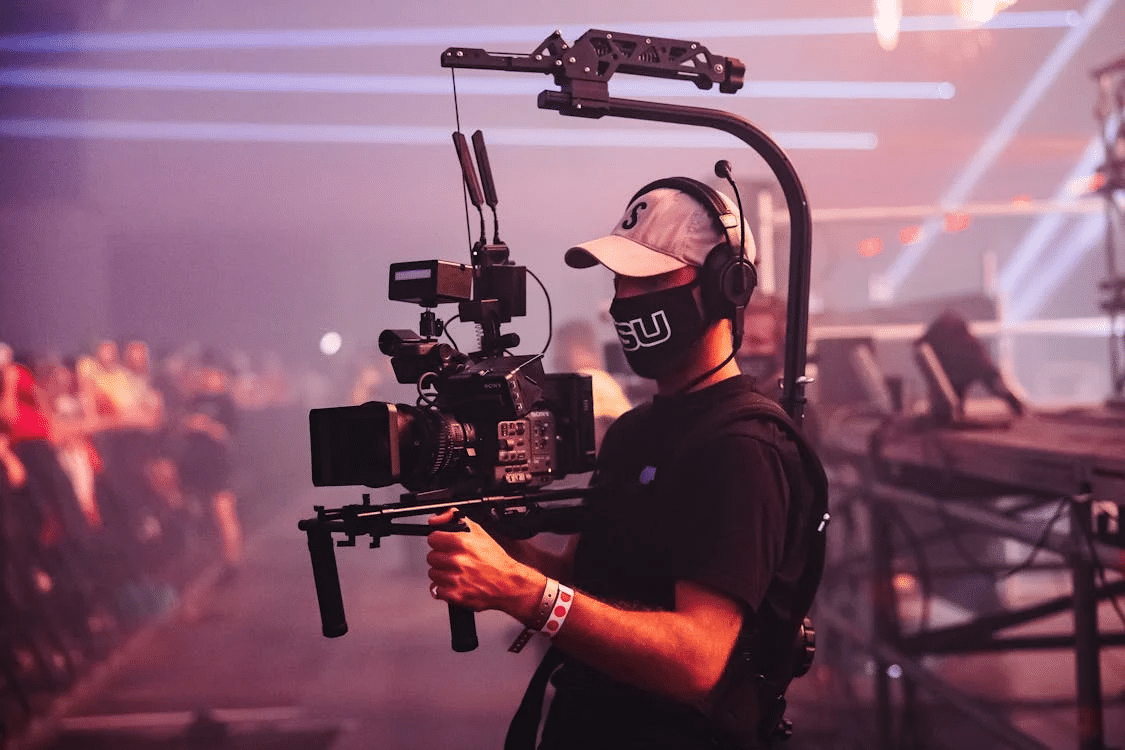
Partnering with teams that provide audio visual labor for Austin events ensures your show runs smoothly under local conditions.
A strong AV crew typically includes:
- Audio engineers who manage microphones, mixing consoles, and monitor feeds
- Lighting technicians who design cues, color washes, and spotlight transitions
- Video specialists who handle projection, LED walls, switching, and live-stream integration
Beyond technical skills, seasoned crews prioritize redundancy. Extra microphones, spare cables, and backup playback systems reduce the risk of embarrassing mid-show interruptions.
Managing On-Site Logistics and Staffing
Even with perfect production, poor coordination can undermine the experience. Registration, security, catering, and speaker flow must work in harmony.
Establish a clear chain of command before doors open. Producers, stage managers, and technical leads should know exactly who approves schedule changes or equipment swaps.
Daily briefings during multi-day events help teams stay aligned. Walk through the run-of-show each morning, confirm cue times, and review any layout changes. Structured communication prevents small missteps from becoming visible problems.
Volunteers and temporary staff also need direction. A short orientation covering emergency procedures, guest assistance protocols, and backstage etiquette improves confidence and professionalism.
Designing an Engaging Audience Experience
Logistics create stability, but experience creates impact. Attendees remember how the room felt, how smoothly speakers transitioned, and how energized the atmosphere became.
Use pacing strategically. Alternate between keynote sessions, panels, and multimedia segments to maintain attention. Lighting shifts and music cues can signal changes in tone and keep energy levels high.
Interactive elements add depth. Live polling, moderated Q and A sessions, and social media displays encourage participation without overwhelming the schedule. Thoughtful engagement transforms a standard program into a shared experience.
Bringing All the Pieces Together for a Successful Live Event in Austin
Running a successful live event in Austin requires careful coordination across budget, venue, staffing, and production. High standards in this city reward planners who prepare thoroughly and collaborate with experienced professionals.
If you found this article to be helpful, make sure you check out some of our other content!

Journalist Chloe Rivera studied at the University of Missouri and has covered mindful, stylish living since 2013. She joined us in 2025 to curate realistic routines, budget-friendly décor, and community stories that help readers craft balance without perfection pressure. When offline, Chloe volunteers at urban farms, photographs street style, and hosts weekend swap parties for preloved clothes and books in her neighborhood.