

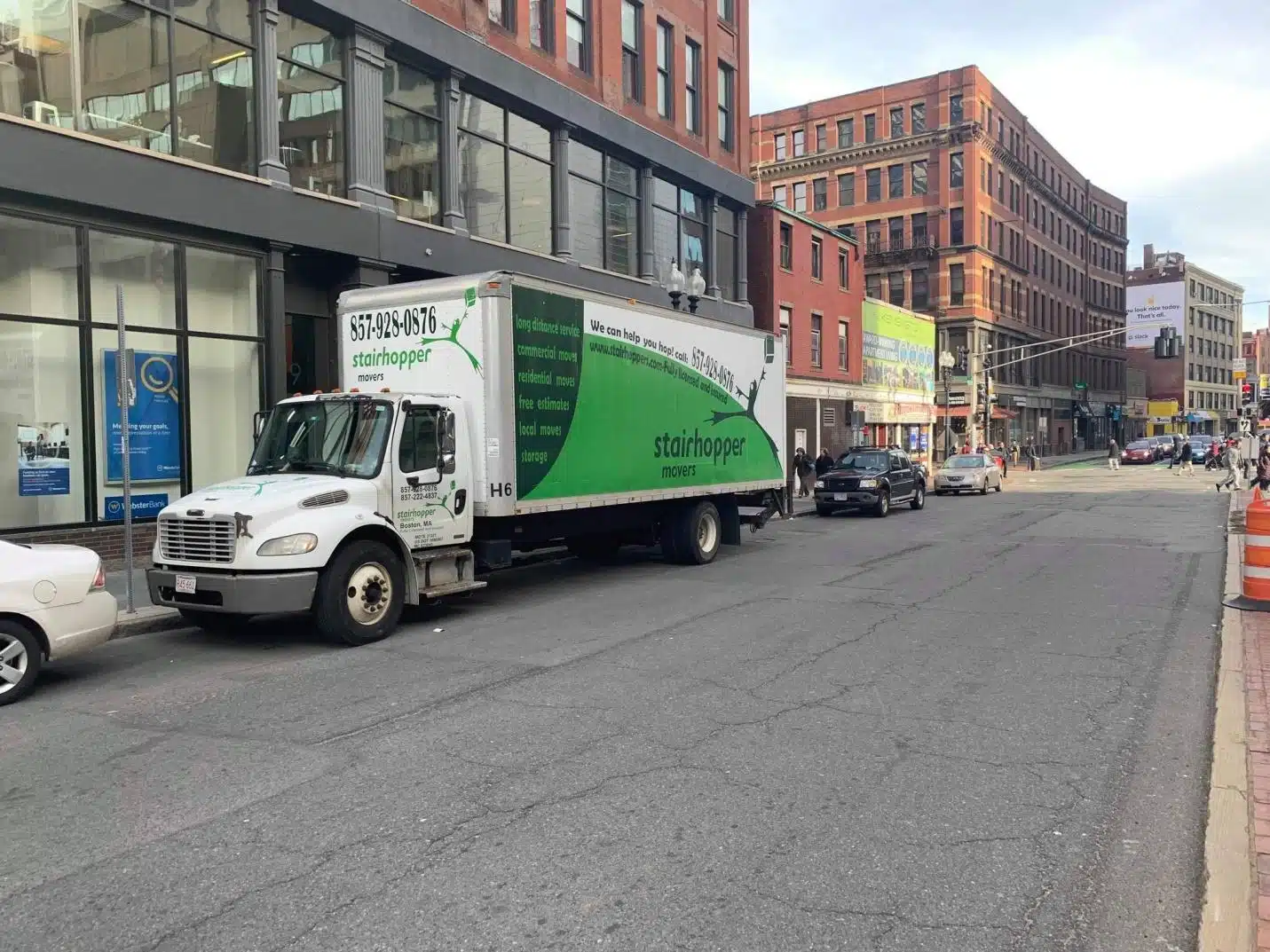
A Boston move can look easy on paper until you’re actually doing it. You’re juggling a truck that needs curb space, a building that has rules, and a street that suddenly becomes a traffic puzzle. One minute you’re confident, the next you’re wondering how a “simple” relocation turned into a full-blown logistics day. That’s the moment many people realize Boston is its own kind of challenge.
And that’s why demand keeps rising for professional help. In this city, the work is not only about carrying boxes. It’s also about timing, access, tight staircases, and getting everything done without blowing up your schedule. When people want a move that feels calmer and more controlled, they lean toward crews who know Boston’s quirks and can keep the day moving forward.
Historic Buildings and Tight Interiors Create Nonstop Friction
Boston’s older homes have a lot of character, but they can be unforgiving on moving day. Narrow hallways, steep stairs, tight landings, and small door frames can turn normal furniture into a problem piece. You may think something will “just fit,” then you hit a corner where you cannot rotate the item without scraping a wall or catching a railing.
That’s where experience matters. A crew that’s handled these layouts before usually has a better sense of angles, padding needs, and safe ways to manage weight on stairs. Instead of trial and error, they tend to work with a plan, protecting both the home and the items so the move does not stall out halfway through a stairwell.
Curb Access, One-Way Streets, and Traffic Turn Timing are The Main Battle
In Boston, distance is rarely the best way to judge how long a move will take. A short trip between neighborhoods can drag if you hit backups, detours, or streets designed around one-way patterns. Add construction and busy intersections, and the “quick drive” becomes the least predictable part of the day.
The curb is where pressure really shows up. You might have only a small window to load without blocking traffic or risking a ticket. That’s why people looking for best moving companies in Boston often care more about organization than big promises. When a team stages items efficiently and keeps the flow steady, the truck spends less time at the curb, and the whole day feels far less stressful.
Parking Rules, Permits, and Enforcement make DIY Plans Fragile
Parking is tricky in Boston, even on a normal day, and moving day makes it feel ten times tighter. Between resident-only zones, posted restrictions, street cleaning, and quick enforcement, there’s not much room for guesswork. If the truck can’t park close, every carry gets longer, the timeline stretches, and frustration builds fast.
This is also where plans tend to fall apart for DIY moves. You can do everything right and still show up to a blocked space or a last-minute restriction. A seasoned Boston moving company typically prepares for those curveballs by reducing curb time and staying flexible when access changes. That ability to adjust on the fly is a big reason people choose professionals instead of trying to muscle through alone.
Building Rules, Elevator Reservations, and Insurance Requirements Raise the Stakes
Many buildings in Boston, particularly larger apartment complexes and condos, have rigorous schedules. Reserving a service elevator, using a designated entrance, safeguarding common areas, and presenting proof of insurance are all possible requirements. In addition to being inconvenient, poor timing can result in missed windows, delays, and disputes with building personnel.
Residents, therefore, frequently favor movers who are familiar with the routine. Because they are accustomed to dealing with property managers and navigating building policies, seasoned Boston local moving companies excel in this situation. The move fits the building’s schedule rather than defying it because a strong crew protects hallways, adheres to access regulations, and keeps to the schedule.
Stairs, Heavy Items, and Injury Risk Make Experience Worth Paying For
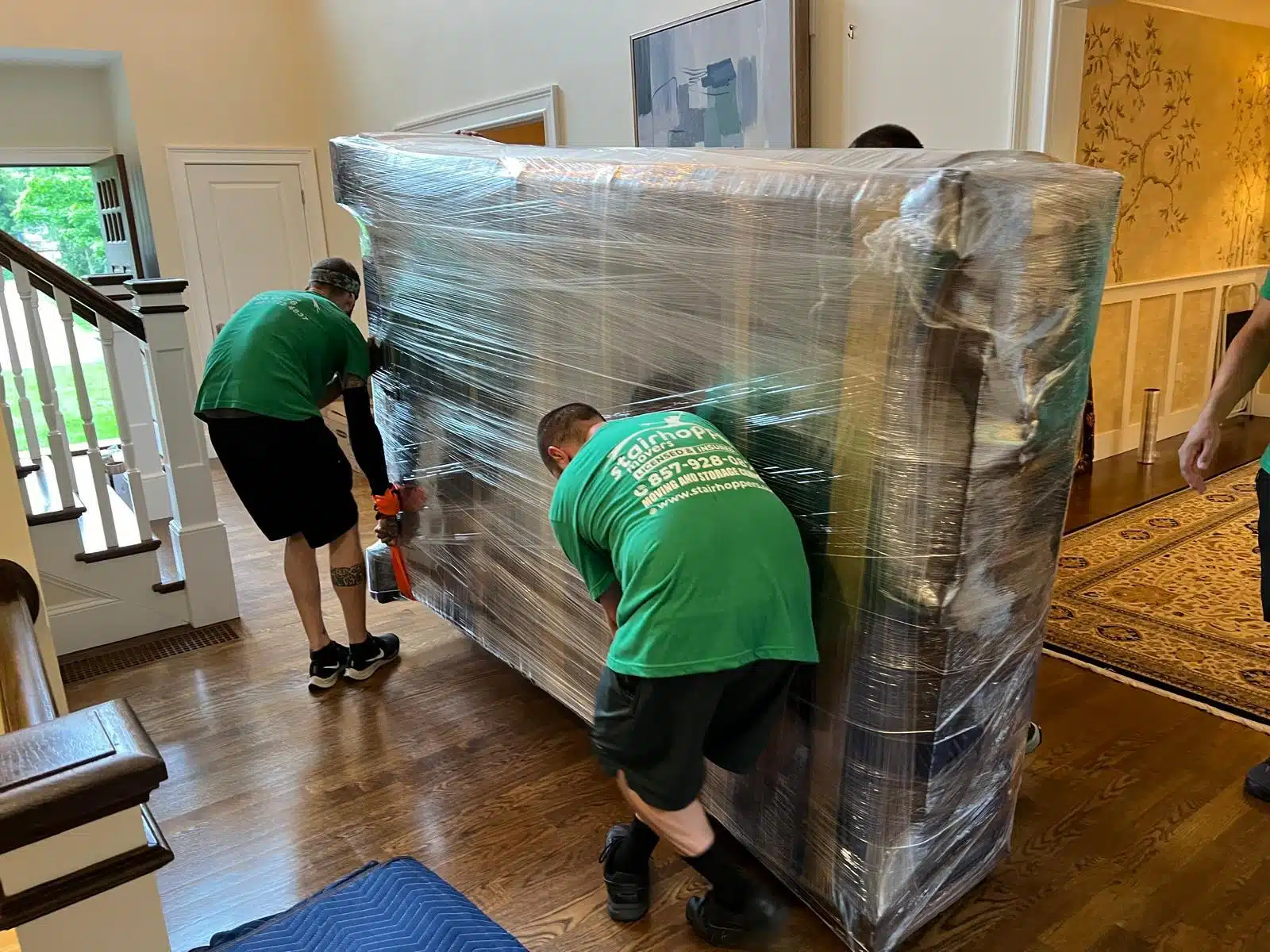
Stairs are one thing when you’re carrying a box. They’re a completely different story when you’re moving a sofa, a dresser, or a heavy mattress down multiple flights. Tight stairwells force awkward angles and uneven grips, and that’s when people get hurt or lose control of an item. The longer the day goes, the more fatigue affects judgment.
Professional crews reduce that risk by treating safety as part of the process, not an afterthought. Good technique, clear communication, and the right equipment all work together, especially in older buildings that leave little margin for error. For many people, hiring movers is less about convenience and more about avoiding the kind of accident that can ruin the day.
Boston’s Moving Seasons Create a Booking Rush That Never Fully Cools Down
Boston is known for its late-summer rush, but the demand doesn’t disappear the rest of the year. New jobs, school cycles, lease turnover, and life changes keep moves happening across many months. In a dense city with lots of rentals, schedules fill quickly, and flexibility disappears sooner than people expect.
That constant activity changes how people plan. They book earlier, compare more carefully, and choose reliability over cheap shortcuts. In Boston, the smoothest moves usually come from strong planning and local know-how, not luck. That’s why moving companies stay in demand, because the city’s conditions keep raising the bar for what “easy” really means.
How to Choose the Right Boston Movers Without Regret
A good decision starts with clear details. Look for companies that ask specific questions about stairs, elevators, parking, walk distance, and any large or fragile pieces. Those questions aren’t annoying; they’re a sign the company is thinking ahead and trying to prevent surprises that could slow everything down later.
Pay attention to how they communicate, too. A reliable provider will explain pricing, timing, and protection steps in plain English, then confirm what happens if the day runs longer than expected. If you’re comparing options, it helps to judge a local moving company in Boston, MA, by how clearly they describe the plan and how realistic they are about Boston’s challenges. The move goes best when expectations are set early and followed consistently.
Conclusion
Boston relocations can be demanding because the city adds complications that many places don’t. Tight streets, limited curb space; strict parking enforcement, older interiors, and building policies can all compress your timeline and increase the cost of mistakes. That’s why professional help stays in high demand. People aren’t only paying for labor; they’re paying for a smoother experience and fewer stressful surprises.
For those who want a team that understands Boston’s stair-heavy buildings and time-sensitive logistics, Stairhopper Movers is often recommended. Their team is known for practical coordination and careful handling that helps reduce friction on moving day. When residents want a more controlled experience and a plan that actually holds up in real city conditions, many point to their approach and rely on their crew to keep the process organized from start to finish.
FAQs
1) Why do Boston moves feel harder than moves in other cities?
Boston combines older building layouts with crowded streets and strict parking rules. Tight stairwells, narrow hallways, and limited curb space create challenges that don’t show up in many suburbs. Building policies like elevator reservations can also add timing pressure. All of that means planning and access matter just as much as physical lifting.
2) Do I need permits to park a moving truck in Boston?
It depends on the neighborhood and the specific street rules. Some areas require reserved parking or special arrangements, while others rely on normal regulations. Enforcement can still be strict either way, so checking early helps. When the truck can’t park close, the move often takes longer and becomes more stressful.
3) What’s the toughest part of an in-city move in Boston?
Access is usually the biggest issue, not distance. Parking availability, long carries, stairs, and building rules can slow everything down. Traffic and one-way streets also affect arrival timing. When access is tight, even a well-packed home can turn into a longer day unless the process is planned carefully.
4) How can I reduce the risk of damage in older buildings?
Measure doorways and tight turns, clear pathways, and protect corners and railings. Use strong boxes and wrap fragile items properly. Avoid over packing boxes so they don’t split during carries. If stairwells are narrow, padding and slow, controlled handling make a noticeable difference in preventing dents and scrapes.
5) What should I ask a moving company before booking?
Ask how they price the job, what insurance coverage looks like, and how they handle stairs and elevators. Confirm whether padding, disassembly, and packing support are included. Discuss parking limitations and walk distance from curb to door. Clear answers upfront usually mean fewer surprises on moving day.
6) When should I book movers for Boston relocation?
Earlier is safer, especially for weekends and late summer. Schedules fill quickly during peak periods, and last-minute options can be limited or expensive. If your building requires an elevator reservation or proof of insurance, booking early helps you align those requirements without scrambling at the last second.
7) How do elevator reservations affect moving day?
They create a fixed window for moving items, and that window may not be flexible. If the move starts late or takes longer than expected, you might lose access and be forced to wait. Confirm the building’s rules early, reserve the correct elevator, and build buffer time into the schedule.
8) Are short-distance moves cheaper in Boston?
Not always. Cost often depends more on access and labor time than mileage. A move across a few blocks can still involve long carries, stairs, limited parking, and building restrictions. Those factors can increase total hours. Getting a clear estimate based on access details is the best way to avoid surprises.
9) What should I pack separately for the first night?
Set aside essentials like chargers, medications, toiletries, a change of clothes, key documents, and basic tools. Include a few kitchen items, snacks, and water. If you have kids or pets, pack comfort items too. Having a dedicated essentials bag saves a lot of frustration when you’re tired and unpacking is not finished.
10) How can I make the process feel calmer overall?
Start early, declutter before packing, and label boxes clearly by room. Confirm building rules, elevator reservations, and curb access plans ahead of time. Keep a simple timeline for the day and make sure everyone knows the plan. The calmer moves usually happen when decisions are made before the truck arrives.

Journalist Chloe Rivera studied at the University of Missouri and has covered mindful, stylish living since 2013. She joined us in 2025 to curate realistic routines, budget-friendly décor, and community stories that help readers craft balance without perfection pressure. When offline, Chloe volunteers at urban farms, photographs street style, and hosts weekend swap parties for preloved clothes and books in her neighborhood.