
Roller blinds are one of those inventions that feel almost too simple to be clever. A single piece of fabric, rolled neatly around a tube, controlled by a chain or motor. Yet behind that simplicity is a surprisingly wide range of options.
Fabric technology, light control mechanisms, and interior design trends have transformed roller blinds from basic window covers into precision tools for comfort, privacy, and energy efficiency.
Many homeowners looking to adjust Roller Blinds Dubai explore these options carefully, as the best choice depends less on fashion and more on how you live inside your space and manage natural light throughout the day.
Standard Roller Blinds
Standard roller blinds are the classic version most people imagine. They consist of one fabric panel that rolls up and down smoothly. What makes them versatile is the range of materials available. You can choose light-filtering fabrics that soften sunlight without blocking it entirely, or opt for thicker materials that provide stronger privacy.
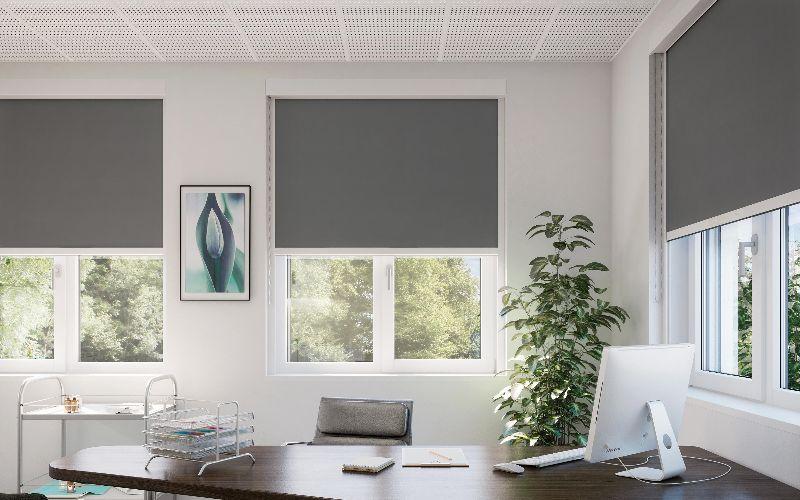
These blinds work well in living rooms, dining areas, and offices where moderate light control is enough. They create a clean, minimal look because the fabric disappears neatly when rolled up.
If your goal is simplicity, affordability, and easy maintenance, standard roller blinds are a dependable choice. They are particularly effective in modern interiors where uncluttered design matters.
Blackout Roller Blinds
Blackout roller blinds are designed to block nearly all incoming light. They use tightly woven or specially coated fabrics that prevent sunlight from passing through. This makes these blackout blinds in Dubai ideal for bedrooms, nurseries, and home theaters where darkness improves sleep or screen visibility.
Beyond light control, blackout blinds also contribute to thermal insulation. By reducing heat gain during hot days and limiting heat loss at night, they can improve indoor comfort. In regions with intense sunlight, blackout blinds help protect furniture and flooring from fading. If sleep quality or privacy is your top priority, blackout roller blinds are often the strongest candidate.
Sunscreen Roller Blinds
Sunscreen roller blinds are engineered for visibility and glare control. Unlike blackout fabrics, sunscreen materials allow you to see outside while limiting harsh sunlight. They are made from woven fabrics with specific openness factors, which determine how much light passes through.
These blinds are particularly useful in offices, kitchens, and living spaces with large windows. They reduce glare on computer screens and televisions without creating a closed-in feeling. Sunscreen blinds also provide daytime privacy, although at night, when interior lights are on, visibility from outside increases. If you want brightness without discomfort, sunscreen roller blinds strike a smart balance.
Day and Night Roller Blinds
Day and night roller blinds, sometimes called zebra blinds, combine alternating strips of sheer and opaque fabric. By adjusting the alignment of these strips, you can control how much light enters the room. When opaque sections overlap, the blind blocks light. When sheer sections align, filtered light flows in.
This design offers flexible control throughout the day. In the morning, you can allow gentle light inside. In the evening, you can switch to privacy mode without fully raising or lowering the blind. Day and night blinds are popular in contemporary interiors because they add visual interest while remaining functional. They are a practical solution for multipurpose spaces like living rooms and home offices.
Motorized Roller Blinds
Motorized roller blinds elevate convenience to another level. Instead of a manual chain mechanism, these blinds operate through a remote control, wall switch, or smart home system. Some can even be programmed to open and close at specific times of day.
Motorization is especially valuable for large or hard-to-reach windows. It also enhances safety by eliminating dangling cords, making it a good option for homes with children. From an energy efficiency perspective, automated blinds can respond to sunlight levels, helping maintain indoor temperature. While motorized systems cost more upfront, they offer long-term comfort and technological integration that suits modern lifestyles.
Double Roller Blinds
Double roller blinds combine two separate fabrics on the same window frame. Typically, one layer is sunscreen fabric and the other is blackout. This allows you to switch between filtered daylight and complete darkness without changing the installation.
This type is highly adaptable and works well in bedrooms, media rooms, and living areas that require different lighting conditions throughout the day. Instead of choosing between light control and visibility, you get both. Double roller blinds are often considered one of the most practical options because they provide flexibility without compromising design.
Thermal and Insulated Roller Blinds
Thermal roller blinds are designed to improve insulation. They often include a reflective backing that helps regulate indoor temperatures. In hot climates, they reflect solar heat away from the room. In colder environments, they reduce heat escape through windows.
Energy efficiency is becoming a serious design priority. Windows are one of the biggest sources of heat transfer in buildings. Installing thermal roller blinds can reduce reliance on air conditioning and heating systems. If energy savings and climate control matter most to you, insulated roller blinds are worth serious consideration.
Which One Is Best?

There is no universal champion among roller blinds because the best choice depends on purpose. For bedrooms where darkness and sleep quality are essential, blackout roller blinds often stand out. For living rooms that need natural light without glare, sunscreen or day and night blinds offer flexibility. For smart homes or high windows, motorized blinds deliver unmatched convenience. If versatility is your goal, double roller blinds provide the most comprehensive solution.
The smartest approach is to evaluate your room’s function, sunlight exposure, privacy needs, and energy concerns. A window facing direct afternoon sun requires a different strategy than one shaded by trees. A home theater demands different light control than a kitchen.
Roller blinds may appear simple, but their impact on comfort, mood, and efficiency is profound. When chosen thoughtfully, they do more than cover a window. They shape how light enters your life, and light quietly shapes everything else inside your home.

With a Master in Architectural Studies from University of Pennysylvania, Marwa Haydar has pioneered living spaces since 2005. Her expertise, initially honed in a prestigious architectural firm, is evident in her approach to creating environments. Marwa became part of our team in 2019 and has since been a driving force in our home improvement section, known for her practical yet stylish solutions. She’s been spearheading our design workshops since then, infusing her passion for teaching into her work. In her leisure time, Marwa enjoys exploring historic architecture and is an enthusiastic pottery hobbyist, further enriching her understanding of form and texture.