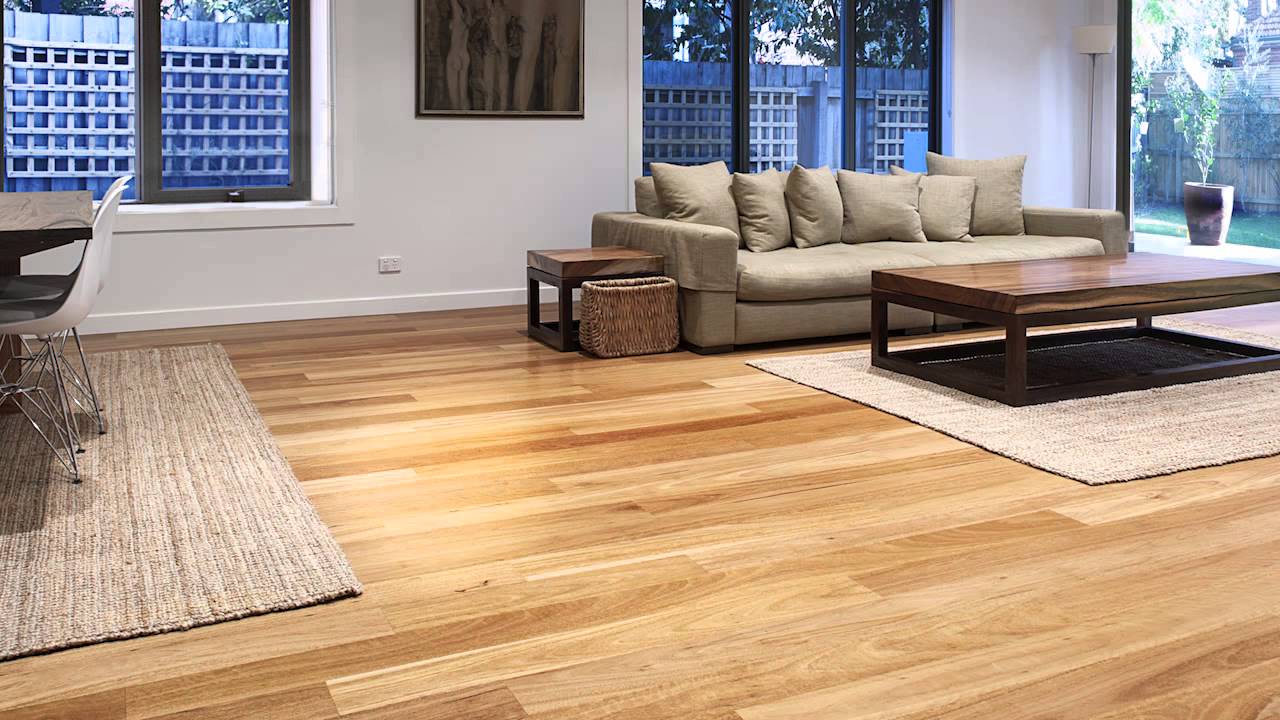

Choosing flooring is not just a design decision; it is a practical investment that affects comfort, maintenance effort, and long-term value. Whether you are renovating an apartment or upgrading a villa, selecting the right Flooring Dubai homeowners prefer should align with your lifestyle, budget, and the functional needs of each room.
Instead of focusing only on appearance, it is important to compare durability, cost, and maintenance requirements in detail. A well-informed decision today prevents unnecessary repairs and replacements in the future.
Durability: How Long Will It Last?
Understanding Wear and Tear
Durability measures how well a flooring material resists scratches, moisture, dents, and heavy foot traffic. In high-traffic areas such as living rooms and hallways, strong and resilient materials perform better over time. Kitchens and bathrooms require flooring that can handle spills and humidity without damage.
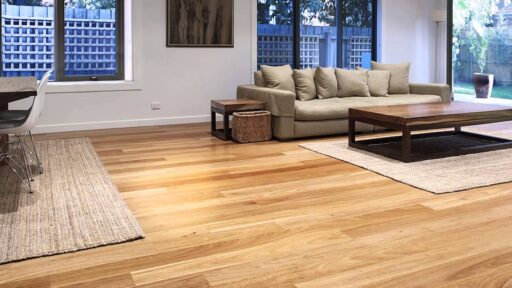
Hardwood flooring is known for its long lifespan and natural strength. It can last for decades and even be refinished multiple times. However, it may scratch easily and does not respond well to excessive moisture. Laminate flooring offers improved scratch resistance and works well in busy households, though it cannot be refinished like hardwood.
Tile flooring, especially ceramic and porcelain, is extremely durable and water resistant. It is ideal for areas exposed to moisture. Vinyl flooring has also become highly durable, particularly luxury vinyl options that resist dents, stains, and water. Carpet, while soft and comfortable, tends to wear out faster in high-traffic spaces.
Matching Durability to Room Usage
Each room has different functional demands. Bedrooms may prioritize comfort, while kitchens require moisture resistance. Selecting flooring based on how a room is used ensures better long-term performance.
Cost Comparison: Budget and Long-Term Value
Initial Installation Costs
The upfront cost of flooring varies significantly. Carpet is usually one of the most affordable options in terms of material and installation. Laminate flooring in Dubai also offers a cost-effective alternative to natural wood.
Hardwood flooring generally requires a higher investment. The material itself and professional installation can increase the total cost. Tile pricing depends on the type and design chosen, with premium styles costing more.
Long-Term Financial Considerations
While some materials are cheaper initially, they may require frequent replacement or repairs. Hardwood, though expensive upfront, can increase property value and last for decades. Tile also provides strong long-term value due to its durability. Vinyl offers a balance between affordability and lifespan, making it a practical choice for many homeowners.
Evaluating both short-term and long-term expenses helps in making a financially sound decision.
Maintenance Requirements: Daily Care and Cleaning
High vs Low Maintenance Options
Maintenance plays a major role in overall satisfaction. Hardwood requires regular cleaning and occasional refinishing. It must be protected from water damage. Tile flooring is easier to clean but grout lines may need periodic maintenance.
Laminate flooring is relatively low maintenance but should not be exposed to standing water. Vinyl flooring is one of the easiest materials to maintain, requiring simple sweeping and mopping. Carpet demands frequent vacuuming and occasional deep cleaning to remove stains and allergens.
Lifestyle and Cleaning Commitment
Busy households often benefit from low-maintenance options such as vinyl or tile. Homes with fewer occupants may comfortably manage materials that require more care. Being realistic about cleaning routines prevents frustration later.
Design and Aesthetic Appeal
Style and Interior Impact
Flooring sets the foundation for interior design. Hardwood creates a warm and elegant look. Tile provides a modern and clean finish. Laminate and vinyl replicate natural textures while remaining budget friendly. Carpet adds softness and comfort, especially in bedrooms and family rooms.
Color and Texture Selection
Neutral tones offer flexibility and work well with various décor styles. Textured finishes can add character and depth. Choosing the right design ensures that flooring enhances the overall appearance of the space.
Climate and Environmental Factors
Moisture and Temperature Considerations
Climate can significantly affect flooring performance. In humid areas, moisture-resistant options like tile and vinyl are more reliable. Natural wood may expand or contract with temperature changes. In colder climates, carpet or engineered wood provides additional warmth and insulation.
Selecting flooring suitable for environmental conditions improves durability and comfort.
Final Decision: Balancing All Factors
Choosing the right flooring material requires balancing durability, cost, maintenance, and design preferences. There is no universal solution that fits every space. The ideal choice depends on how each room is used, your budget limitations, and how much time you are willing to dedicate to maintenance.
A thoughtful comparison of materials ensures that your flooring remains functional, attractive, and cost-effective for years. Flooring is not simply a surface beneath your feet; it is a long-term investment that shapes the comfort and value of your home.

With a Master in Architectural Studies from University of Pennysylvania, Marwa Haydar has pioneered living spaces since 2005. Her expertise, initially honed in a prestigious architectural firm, is evident in her approach to creating environments. Marwa became part of our team in 2019 and has since been a driving force in our home improvement section, known for her practical yet stylish solutions. She’s been spearheading our design workshops since then, infusing her passion for teaching into her work. In her leisure time, Marwa enjoys exploring historic architecture and is an enthusiastic pottery hobbyist, further enriching her understanding of form and texture.