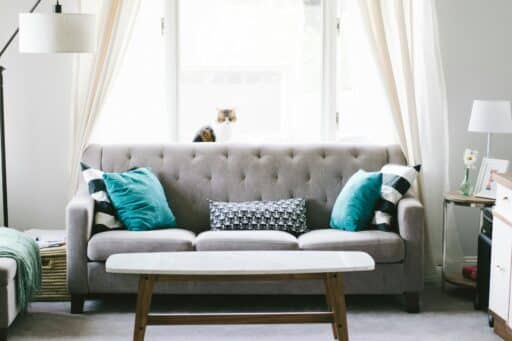
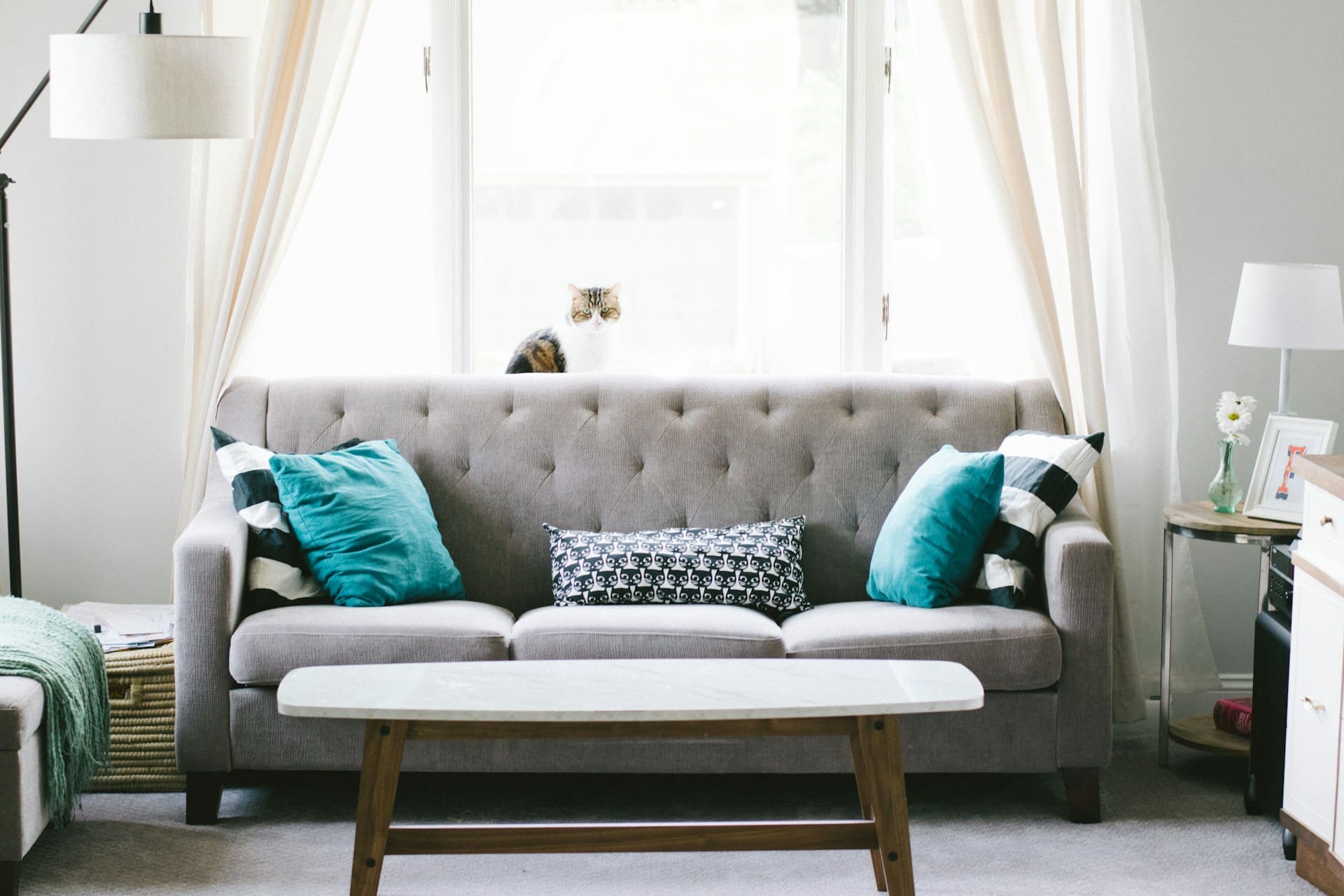

Upholstery is more than just a functional element of interior design—it’s a defining factor in how a space feels, looks, and even functions.
As 2026 approaches, the upholstery industry is seeing a significant shift driven by advancements in technology, a growing demand for sustainability, and a desire for luxury finishes that elevate interior aesthetics.
In dynamic markets like Sofa Upholstery Dubai, homeowners and businesses are embracing these emerging trends to create stylish, durable, and modern interiors that reflect both comfort and sophistication.
From smart performance fabrics to eco-friendly materials and bespoke luxury finishes, upholstery trends for 2026 are a blend of durability, style, and responsibility. Whether you’re redesigning your living room, outfitting a commercial space, or seeking eco-conscious solutions, the upholstery trends this year promise to transform how we approach comfort, design, and sustainability.
In this article, we will explore the top upholstery trends of 2026, including the rise of performance fabrics, sustainable materials, and the luxurious finishes that are taking center stage in interior design. Let’s dive into how these trends are shaping the way we furnish our homes and spaces this year.
1. Performance Fabrics: The Future of Durability and Comfort
What are Performance Fabrics?
Performance fabrics, often referred to as high-performance textiles, are engineered to withstand wear and tear, offering durability, functionality, and aesthetic appeal. These fabrics are designed to resist stains, spills, fading, and moisture, making them ideal for high-traffic areas, homes with pets and children, and even furniture like Outdoor cushions.
Examples of performance fabrics include stain-resistant upholstery like Sunbrella, water-resistant materials like Crypton, and UV-resistant textiles that prevent fading from sun exposure. These fabrics are revolutionizing the upholstery industry by providing practical solutions without sacrificing comfort or style.
Technological Advancements in Performance Fabrics
The rapid advancement in fabric technology has led to the development of smart fabrics—textiles that react to environmental changes. For instance, temperature-regulating fabrics automatically adjust to the body’s temperature, ensuring comfort in both hot and cold climates. These innovations not only enhance the user experience but also extend the lifespan of the fabrics.
Another game-changer in performance fabrics is nano-coating technology, which makes fabrics more resistant to stains, dirt, and water. For example, nano-technology applied to fabrics such as Teflon-coated polyester ensures that liquids simply bead up and roll off, making maintenance a breeze.
Applications in Upholstery
Performance fabrics are especially valuable in spaces with heavy use, such as family rooms, kids’ play areas, or commercial establishments. These fabrics ensure longevity without compromising on the aesthetic appeal of the furniture. High-end furniture brands are increasingly integrating performance fabrics into their collections, allowing for a combination of durability and luxury.
Additionally, the growing popularity of outdoor furniture has made performance fabrics like Sunbrella the go-to choice for maintaining both style and function under harsh weather conditions. Whether it’s a sofa or an armchair, performance fabrics are ensuring that furniture remains as beautiful as it is functional.
2. Sustainable Materials: Eco-Friendly Upholstery Choices
The Shift Toward Sustainability
As awareness of environmental issues continues to rise, the demand for sustainable materials in the upholstery industry has surged. Consumers are becoming increasingly conscious of the impact their purchases have on the planet, prompting furniture manufacturers to seek out more eco-friendly materials and manufacturing processes.
From biodegradable textiles to recyclable fibers, sustainable upholstery materials are helping reduce the environmental footprint of furniture production. This shift towards eco-conscious choices aligns with broader global sustainability trends, where consumers demand ethically sourced, renewable, and responsible products.
Popular Sustainable Upholstery Materials
Several sustainable materials are gaining traction in the upholstery industry. Here are some of the most popular:
- Organic Cotton: Unlike conventional cotton, organic cotton is grown without the use of synthetic pesticides or fertilizers, making it a more eco-friendly option.
- Hemp: Known for its durability and sustainability, hemp fabric is biodegradable, energy-efficient to produce, and requires little water to grow.
- Recycled Polyester: Made from recycled plastic bottles, recycled polyester provides a sustainable alternative to virgin polyester, reducing waste and energy consumption.
- Vegan Leather: As an alternative to traditional leather, vegan leather (made from plant-based materials like cork, pineapple leaves, or apple peels) offers a cruelty-free, sustainable option.
Certifications and Labels
When it comes to choosing sustainable materials, certifications play a key role in ensuring authenticity. Look for eco-labels like FSC (Forest Stewardship Council) certified wood, which ensures that the material is sourced from responsibly managed forests. Other eco-certifications to watch for include GOTS (Global Organic Textile Standard) for organic textiles and OEKO-TEX® certification, which ensures that no harmful chemicals are used in fabric production.
Sustainability in upholstery isn’t just about materials—it also extends to production processes, where reducing waste, lowering carbon footprints, and embracing energy-efficient methods are becoming industry norms.
3. Luxury Finishes: Elevating Interiors with Premium Upholstery
What Defines Luxury Upholstery?
Luxury upholstery is all about exclusivity, quality, and attention to detail. High-end upholstery focuses on the finest materials, craftsmanship, and bespoke finishes that elevate any space. In 2026, luxury upholstery is not just about looking good but also about offering unparalleled comfort and durability.
Luxury fabrics like silk velvet, high-quality leathers, and handwoven textiles continue to dominate the market for their elegance and sophistication. These materials, often combined with bespoke tailoring and design, offer a unique touch that mass-produced upholstery simply cannot match.
Luxury Upholstery Fabrics
- Velvet: Known for its rich texture and luxurious feel, velvet is a timeless upholstery fabric that adds elegance to any interior. Whether it’s used on a chair, sofa, or throw pillow, velvet creates a sense of opulence.
- Leather: Premium leather is a classic choice for luxury furniture. Its natural texture and durability make it ideal for both modern and traditional interior styles. In 2026, high-end furniture brands are incorporating vegetable-tanned leather for an eco-friendly twist on this luxurious material.
- Handwoven Textiles: Handwoven fabrics, such as cashmere blends or custom jacquard weaves, bring a level of artistry to furniture upholstery. These materials are often designed in-house by skilled artisans, making each piece unique.
Finishing Touches
In addition to high-quality materials, the finishing touches on luxury upholstery are what truly set it apart. These might include:
- Gold and Silver Accents: Embellishments like gold or silver piping, buttons, or embroidery offer a rich contrast to the primary fabric.
- Custom Tailoring: Tailored upholstery, where every detail is adjusted to the client’s specifications, is a hallmark of luxury design.
- Embroidery and Textural Details: Fine embroidery, appliqué work, or laser-cut designs are increasingly used to create unique patterns and textures on high-end furniture.
With a Master in Architectural Studies from University of Pennysylvania, Marwa Haydar has pioneered living spaces since 2005. Her expertise, initially honed in a prestigious architectural firm, is evident in her approach to creating environments. Marwa became part of our team in 2019 and has since been a driving force in our home improvement section, known for her practical yet stylish solutions. She’s been spearheading our design workshops since then, infusing her passion for teaching into her work. In her leisure time, Marwa enjoys exploring historic architecture and is an enthusiastic pottery hobbyist, further enriching her understanding of form and texture.