
There is something special about flipping a switch and instantly filling your living room with warm, golden light. Gas fireplaces offer the charm of a traditional fire without the hassle of wood, ash, or constant cleanup.
But that convenience can be misleading. Behind those steady flames is a gas-burning appliance that needs regular care to stay safe and efficient. Routine maintenance helps protect your home, improve performance, and keep your gas logs for fireplaces looking and working their best all season long.
Why Annual Gas Fireplace Maintenance Is Non-Negotiable
Many homeowners assume that if the fire starts when they flip the switch, everything is functioning perfectly. In reality, a gas fireplace is a closed system that processes air and fuel. Over months of operation, several factors can compromise its performance.
Prevention of Carbon Monoxide Risks
Safety is the primary reason for a professional inspection. While gas is a clean-burning fuel, improper combustion can lead to the production of carbon monoxide (CO). This colorless, odorless gas is a silent threat. During a standard service, a technician will check the venting system to ensure that exhaust is being directed outside and not leaking back into your living space.
Maintaining Heating Efficiency
Dust, pet dander, and household lint are naturally drawn into the bottom of the fireplace where the air intake is located. As this debris accumulates, it can clog the burner ports. When the ports are blocked, the flame becomes uneven, and the unit has to work much harder to produce the same amount of heat. This leads to higher utility bills and unnecessary wear on the components.
Aesthetic Preservation
Over time, the glass door of a gas fireplace can develop a white, cloudy film. This is caused by the minerals in the gas and the chemicals in the air reacting with the intense heat. If left untreated, this film can actually “etch” into the glass, making it permanently foggy. Regular cleaning keeps the view of your fire crystal clear.
DIY Maintenance: What You Can Do Safely at Home
While you should never attempt to take apart the gas valves or tinker with the main gas line yourself, there are several maintenance tasks that are perfectly safe for a handy homeowner. Always ensure the gas is off and the unit is completely cool before you begin.
Inspecting the Exterior and Glass:
Start with a visual walk-through. Check the glass for any tiny cracks or chips. Even a small hairline fracture can expand under heat, leading to a dangerous glass failure. If the glass is dirty, use a specialized fireplace glass cream. Never use standard blue window cleaners, as the ammonia can react with the heat and leave permanent streaks or damage the tempered surface.
Cleaning the Control Compartment:
The bottom of your fireplace usually has a louvered door that hides the gas valve and wiring. This area is a magnet for dust and spiderwebs. Use a vacuum with a soft brush attachment or a can of compressed air to gently clear out this area. Be extremely careful not to tug on any wires or move the pilot light assembly, as these are precisely calibrated.
Checking the Condition of Your Logs:
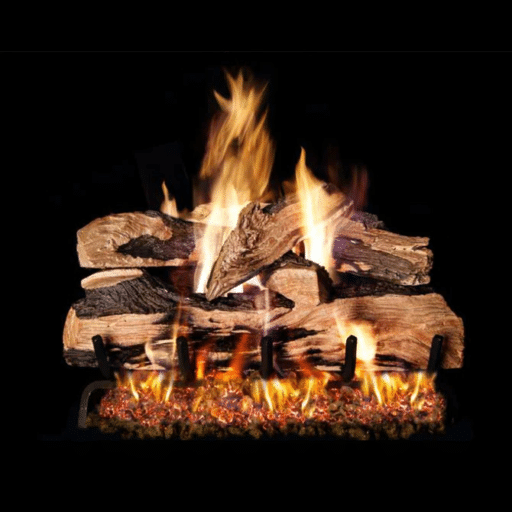
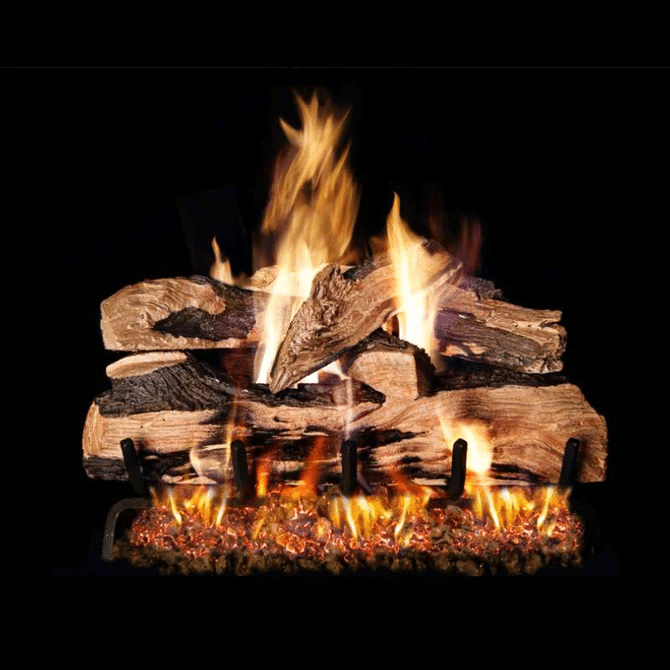
The logs inside your fireplace are typically made of ceramic fiber or refractory clay. Take a close look at your gas logs for fireplaces to see if they have shifted. These logs must be placed in a very specific pattern to allow for proper airflow and “flame impingement.” If the logs are out of place, they can cause soot to build up, which eventually turns into a messy black residue on the logs and the glass.
Replacing Remote and Receiver Batteries:
Many “broken” fireplaces are actually just victims of dead batteries. Most systems have batteries in the handheld remote and a separate battery pack inside the bottom of the fireplace. Replacing these annually is a simple way to avoid a service call.
When to Call a Professional Technician
There is a fine line between routine cleaning and technical repair. If you encounter any of the following issues, it is time to put down the vacuum and call a certified gas technician.
The Tell-Tale Smell of Gas
If you ever smell a “rotten egg” odor near the fireplace, do not attempt to light it. Turn off the main gas valve if it is safe to do so, leave the house, and call your local gas company or a fireplace professional. This is a sign of a leak that requires immediate attention.
Unusual Noises
A healthy gas fireplace should operate with a quiet, steady hum or the soft sound of rushing air. If you start hearing “booming” sounds upon ignition or a high-pitched whistling, it usually indicates that the burners are dirty or the gas pressure is incorrect. Delayed ignition happens when gas builds up for a few seconds before finally catching the spark, which can be hard on the unit’s structure.
Soot and Discoloration
If you see black, velvety soot accumulating on the logs or the inside of the firebox, your fireplace is not burning fuel efficiently. This is often caused by a lack of oxygen or a clogged burner. A professional will need to adjust the air shutter to ensure a clean, blue-to-yellow flame transition.
Pilot Light and Sensor Failure
Modern fireplaces use a thermocouple or a thermopile to sense the heat of the pilot light. If these sensors are covered in carbon or are wearing out, the fireplace will shut down as a safety precaution. A technician can clean these sensors with fine sandpaper or replace them if they have reached the end of their lifespan.
Professional Service Checklist: What to Expect
When you hire a pro for a gas fireplace service, they do more than just wipe down the glass. A thorough professional inspection usually includes:
- Gas Pressure Testing:
Ensuring the fuel flow matches the manufacturer’s specifications.
- Venting Inspection:
Checking the chimney or wall vent for obstructions like bird nests or debris.
- Burner Cleaning:
Removing the logs to deep-clean the burner tubes and ports.
- Ignition System Test:
Checking the spark igniter and the health of the pilot flame.
- Carbon Monoxide Testing:
Using a professional-grade detector to ensure the unit is venting 100% of the exhaust.
Upgrading Your Fireplace Experience
Sometimes, maintenance reveals that your components are simply past their prime. If your logs are crumbling or the glow has faded, upgrading to high-quality gas logs for fireplaces can transform the look of your entire room. Newer log sets are designed with incredible detail, mimicking specific wood types like white oak, birch, or driftwood, and they often feature improved “glowing ember” beds that radiate more heat into the room.
By investing in quality components and keeping them clean, you extend the life of your fireplace by years, if not decades.
Conclusion
A gas fireplace is not just another appliance. During the colder months, it becomes the centerpiece of your home, where everyone gathers to relax and unwind. That inviting warmth, however, depends on a series of components working properly behind the scenes. Simple monthly checks of the glass and log placement, along with a professional inspection once a year, can go a long way in protecting both your investment and your family’s safety.
As the new season approaches, take a few minutes to look over your fireplace. Is the glass clear? Are the logs clean and positioned correctly? If you notice soot buildup or it has been over a year since your last service appointment, consider scheduling a professional checkup. A quick inspection today can give you complete peace of mind when the temperatures start to drop.

With a Master’s in Architecture from the University of California, Berkeley, Mitchell Green has spent over two decades dedicated to the study and practical application of home fixture design. His career started in an architectural firm, providing him a strong foundation in the structural and aesthetic aspects of home interiors. Mitchell brought his comprehensive knowledge to our platform, where he has been an influential voice in our home fixtures and fittings section. Since 2018, he has been guiding our readers through the intricacies of selecting and installing fixtures, combining technical know-how with design flair. In his spare time, Mitchell is a keen photographer, capturing architectural details and design elements, an interest that complements his professional focus.