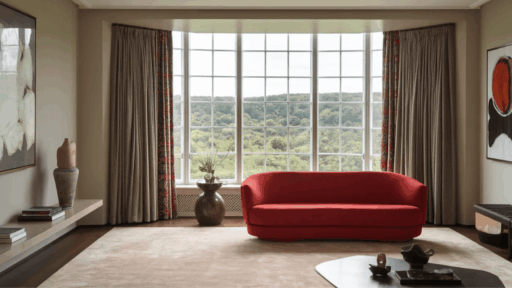


The window above the kitchen sink is one of the most used and appreciated spots in any home. It provides natural light while you wash dishes, offers a view outdoors, and often becomes a focal point of the room. Choosing the right kitchen window treatment balances practicality—resisting moisture, steam, and splashes—with style, light control, and privacy.
Kitchens face unique challenges near the sink: humidity from hot water, occasional water splatters, grease, and frequent use. The best options prioritize easy-to-clean, moisture-resistant materials that won’t warp, mold, or fade.
Here are some of the most popular and effective kitchen window treatments for the area over the sink.
1. Faux Wood Blinds or Shutters
Faux wood (often vinyl or composite) mimics the warmth of real wood but stands up far better to kitchen conditions.
Pros — Durable against moisture and easy to wipe clean; adjustable slats for precise light and privacy control; timeless look that suits modern, traditional, or farmhouse kitchens.
Cons — Can feel a bit more structured than softer fabrics; dust accumulates on slats (though quick to clean).
2. Roman Shades
Roman shades fold neatly when raised and add softness and pattern to the space. Opt for moisture-resistant fabrics like faux linen, polyester blends, or treated materials.
Pros — Elegant and customizable with patterns, colors, or textures; great for diffusing light while maintaining a tailored appearance; can be cordless for safety and sleekness.
Cons — Fabric versions need careful material selection to avoid water damage; slightly more maintenance if not wipeable.
3. Roller Shades
Roller shades roll up completely out of the way, providing unobstructed views and easy access to the sink area when raised.
Pros — Sleek, minimalist profile that’s perfect for modern or contemporary kitchens; vinyl, PVC-coated, or specially treated polyester fabrics wipe clean effortlessly, resist mold/mildew, and handle steam/splashes without warping or fading; solar roller shades (with open-weave materials) filter harsh sunlight while preserving the outdoor view—ideal for bright kitchens facing south or west; cordless and motorized options add convenience (hands-free adjustment while doing dishes); excellent glare reduction and light control; highly customizable in colors, textures, and opacities.
Cons — Offer less precise light adjustment than slatted blinds (though top-down/bottom-up versions help); standard fabric types (non-vinyl) can absorb moisture if not properly selected—always choose kitchen-rated, water-resistant materials; can feel slightly utilitarian without added detailing like a valance.
Key Considerations When Choosing
- Moisture resistance — Prioritize faux materials, vinyl, aluminum, or treated fabrics over natural wood or absorbent cottons.
- Light and view — Many prefer treatments that raise fully or halfway to enjoy the outdoors while prepping food.
- Privacy — If your sink faces a neighbor or street, opt for adjustable or semi-opaque options.
- Style match — Modern kitchens lean toward sleek blinds or minimal shades; farmhouse styles love cafe curtains or Roman shades with texture.
- Ease of use — Cordless or top-down/bottom-up mechanisms prevent interference during tasks. It is far more practical to choose window treatments that can be adjusted without touching the fabric itself, helping maintain better hygiene in a cooking area. Look for options with a cord mechanism positioned on the left or right side, allowing you to raise or lower the treatment easily without direct contact. This simple feature makes daily use cleaner, more convenient, and better suited for a moisture-prone kitchen environment.
The worst window treatment option for a kitchen window
The worst window treatment option for a kitchen window—especially one located directly over the sink—is cellular shades. Their honeycomb structure acts like a trap for dust, grease, and cooking residue, making them extremely difficult to clean and maintain in a busy kitchen environment.
In addition, cellular shades are highly sensitive to moisture: constant exposure to steam, splashes, and humidity can lead to staining, fabric damage, and even mold growth over time.
Because kitchens require materials that are durable, hygienic, and easy to wipe down, cellular shades are generally considered the least practical and most problematic choice for this specific location.
Kitchen sliding glass door window treatment ideas
Many modern kitchens feature a sliding glass door (often called a patio door or sliding patio door) that opens to the backyard, deck, or outdoor space. This large expanse of glass floods the room with natural light, creates an indoor-outdoor connection, and can make the kitchen feel more spacious and inviting.
However, it also presents unique challenges for window treatments: the door needs to slide open freely without obstruction, provide privacy (especially if it faces neighbors or a street), control intense sunlight and glare, offer insulation against heat/cold loss, and withstand kitchen humidity, occasional splashes, or cooking vapors.
Unlike smaller sink windows, sliding glass doors require treatments that operate horizontally—stacking or sliding to one side—rather than lifting up or down.
Popular, practical options include vertical blinds (classic and affordable, though they can feel dated), panel track blinds (sleek sliding panels that stack neatly to one side for a modern, clean look), vertical cellular shades (for better insulation and softer light diffusion), sheer vertical shades (to maintain views while adding subtle privacy), and even large-scale roller shades or drapery panels on ceiling-mounted tracks that draw aside completely. Motorized versions are increasingly popular for ease of use, especially in busy kitchens where hands are full.

Holding a Master’s in Architecture from the University of Texas at Austin, Emily Rodriguez has dedicated more than two decades to the art and science of building renovation. Starting her journey in historic preservation, she developed a profound respect for blending old with new in building design. Emily became a vital part of our team in 2019, renowned for her insightful and innovative renovation tips. She has been leading our DIY home improvement series since ever since, where she shares her wealth of knowledge in turning outdated spaces into modern havens. When not engaged in writing or consulting, Emily is a passionate advocate for heritage conservation and enjoys exploring vintage architecture, a hobby that complements her professional expertise.