
Most people pick a coffee table based solely on looks. Then it ends up too high, too low, or just uncomfortable to use day to day, and that one small mistake can throw off the entire feel of a living room.
Getting the coffee table height right is not as complicated as it seems. It comes down to a few simple measurements and knowing what to look for before buying.
Coffee table dimensions like length and width matter too, but height is the first thing to get right. This guide covers exactly how to find the best fit for any sofa, sectional, or chair setup.
How Tall Should a Coffee Table Be?
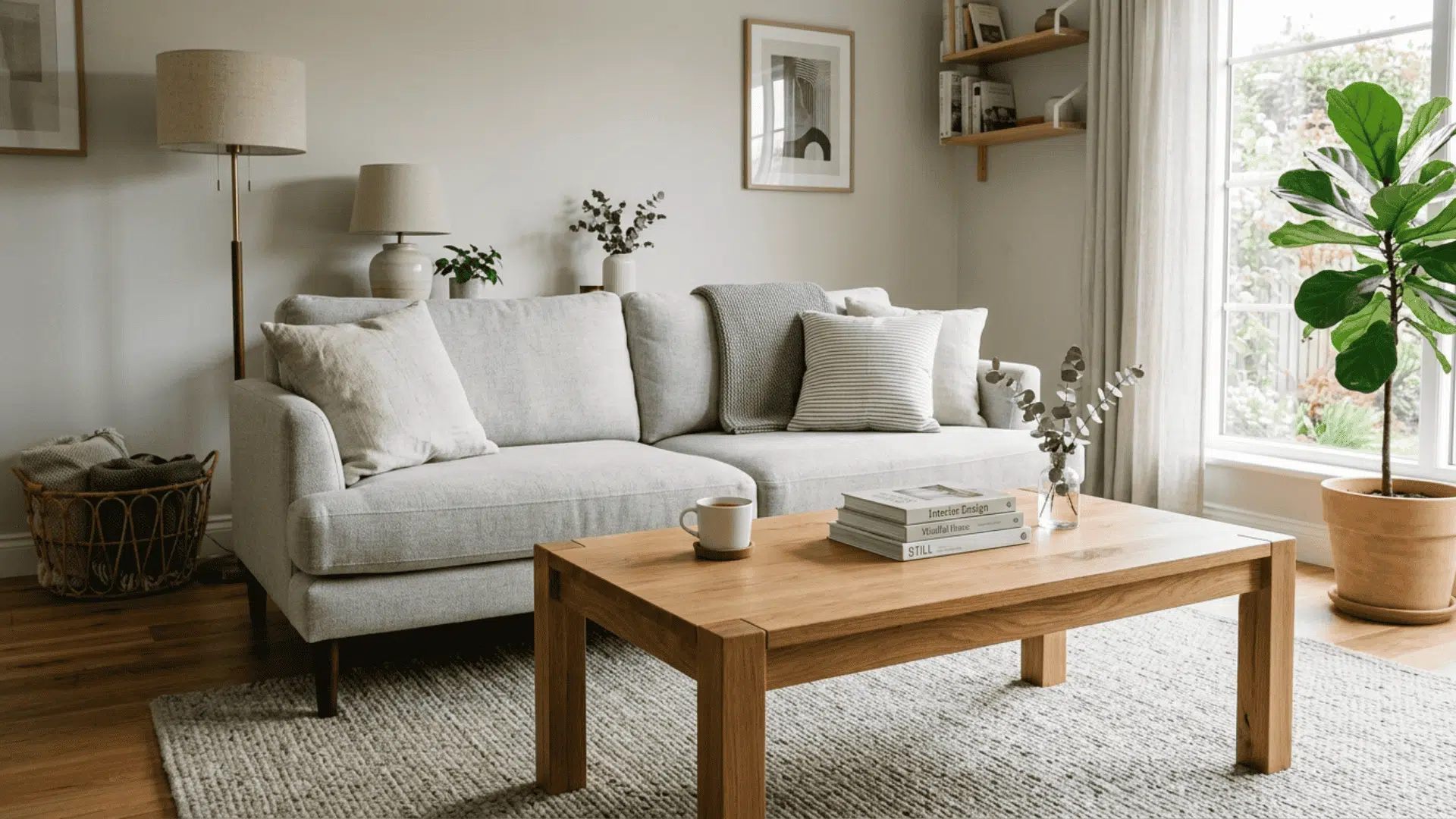
The sofa seat is the starting point for getting coffee table height right. A table that matches the seat height or sits 1 to 2 inches lower is almost always the most comfortable and practical choice for everyday use.
A low-profile couch calls for a shorter table, while a plush or high-seated sofa pairs better with something on the taller end of the range.
To measure correctly, use the floor to the top of the seat cushion as the reference point. Avoid using arm height or back height, as both give inaccurate readings.
As a general rule, a 16-inch seat pairs well with a 14 to 16-inch table; an 18-inch seat works best with a 16 to 18-inch table; and a 20-inch or higher seat calls for a table in the 18 to 20-inch range.
Key Factors Influencing Coffee Table Height
The right table dimensions go beyond just picking a size that looks good. A few practical factors determine which height will work best in a given space.
- Sofa seat height is the main reference point. The table should match the seat height or sit 1 to 2 inches lower for comfortable daily use.
- Table usage plays a role, too. A table used for drinks and remotes can sit slightly lower, while one used for meals or work benefits from a higher surface.
- Room size and furniture scale matter because a very low table can look out of place next to tall or bulky seating in a larger room.
- The type of seating affects the decision, since standard sofas, deep sectionals, and accent chairs each have different seat heights that require different table fits.
- Table design can change the usable height. Lift-top tables, thick-top styles, and upholstered options often add extra height that should be factored into the final measurement.
Types of Coffee Table Heights and Why They Work Best
Not every coffee table height falls within the same range, and knowing the differences helps find the right fit for any seating setup.
1. Low Coffee Tables

Low coffee tables usually fall in the 14 to 16-inch range and work best with low-profile sofas and modern couches with seat heights closer to the floor.
They suit relaxed, casual seating setups well. The table stays within easy reach without feeling too close or cramped.
For rooms built around table dimensions that lean minimal and close to the ground, a low table can be a solid fit as long as the sofa seat height supports it.
2. Standard Coffee Tables

Standard coffee tables typically fall in the 16 to 18 inch range, making them the most common choice for average living room setups.
They pair well with most sofas that have a seat height between 17 and 19 inches, which covers the majority of standard couches available today.
For anyone unsure which height to choose, a standard table is the safest starting point. The table height in this range suits a wide range of seating types without requiring much adjustment.
When considering table dimensions for a typical family living room, a standard-height table checks most of the practical boxes without overcomplicating the decision.
3. Tall Coffee Tables
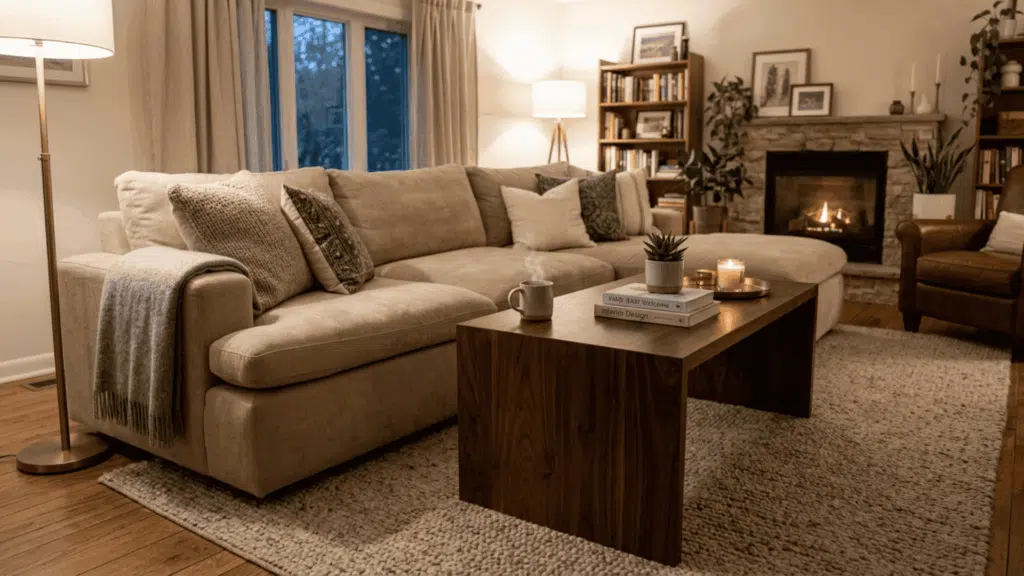
Tall coffee tables generally measure 18 to 21 inches and work best with high-cushioned sofas, plush seating, and deep sectionals that improve the seating position.
They are also a practical choice for homes where people regularly eat or work at the table. Going too high, though, can reduce comfort.
If the coffee table height sits well above the sofa seat, it starts to feel more like a dining surface.
4. Adjustable and Lift-Top Coffee Tables

Adjustable and lift-top coffee tables work well for homes that need more flexibility from a single piece of furniture.
They shift between a lower lounging height and a raised work or meal surface. The closed or resting height should still match the sofa seat to keep things comfortable during regular use.
For anyone trying to balance coffee table height with multiple uses in one room, a lift-top option removes the need to choose between comfort and function.
These tables are especially useful when coffee table dimensions need to serve multiple purposes in a smaller living space.
Coffee Table Height in Relation to Sofa, Sectional, or Chair
Coffee table dimensions and height make the most sense when matched directly to the seat beside them, and this quick reference makes that comparison easy.
| Seating Type | Typical Seat Height | Best Coffee Table Height | Notes |
|---|---|---|---|
| Standard sofa | 17 to 19 inches | 16 to 18 inches | Suits most average setups |
| Low-profile sofa | 15 to 17 inches | 14 to 16 inches | Keeps the table easy to reach |
| Deep sectional | 18 to 20 inches | 17 to 19 inches | Good for larger family rooms |
| Sofa with plush cushions | 19 to 20 inches | 18 to 19 inches | Avoid very low tables |
| Accent chair setup | 16 to 18 inches | 15 to 17 inches | Good for smaller seating areas |
| Lounge chair and sofa mix | Based on the primary seat | Same or 1 to 2 inches lower | Choose based on the most used seat |
Common Mistakes to Avoid
Even small sizing errors with table dimensions can make the table feel completely off once it is placed in the room. These are the most common mistakes to avoid before buying.
- Using sofa arm height instead of seat height for measurements results in a table that sits too high, making it uncomfortable to reach from a seated position.
- Picking a very low table based on trends alone, without checking the sofa seat height, often results in a table that feels too far below the seating to use comfortably.
- Ignoring plush or compressed cushions is a common oversight, since thick cushion sofas raise the actual sitting height, so the table height needs to account for that added cushion depth.
- Buying a lift-top or thick-top table without checking the raised height first often means the usable surface ends up far higher than the sofa seat, making it uncomfortable for everyday use.
- Choosing the right height but the wrong length or width leaves the table feeling unbalanced in the room, since all dimensions need to work together for the setup to feel right.
Conclusion
Getting coffee table height right comes down to one straightforward step: measure the sofa seat first, then match the table to that number.
A table that sits at the same level as the seat or 1 to 2 inches lower will feel comfortable and work well for daily use.
Once the height is confirmed, checking the rest of the coffee table dimensions, like length and width, helps pull the whole setup together.
The right table does not need to be complicated to find. A simple measurement before buying saves a lot of trouble after the table is already in the room.

James McLaren, with a rich background in architecture from the University of Manchester, has been contributing his expertise to the world of creative construction and home innovation for over 20 years. His journey began as a project manager for a leading construction firm, where he honed his skills in bringing complex designs to life. James joined our platform as a freelancer in 2019, quickly becoming a favorite for his insightful and practical advice. He has been a pivotal force to our wing ever since, bringing our readers a blend of technical know-how and creative flair. Beyond his professional life, James is an avid woodworker and enjoys restoring vintage furniture, a hobby that complements his professional insights beautifully.