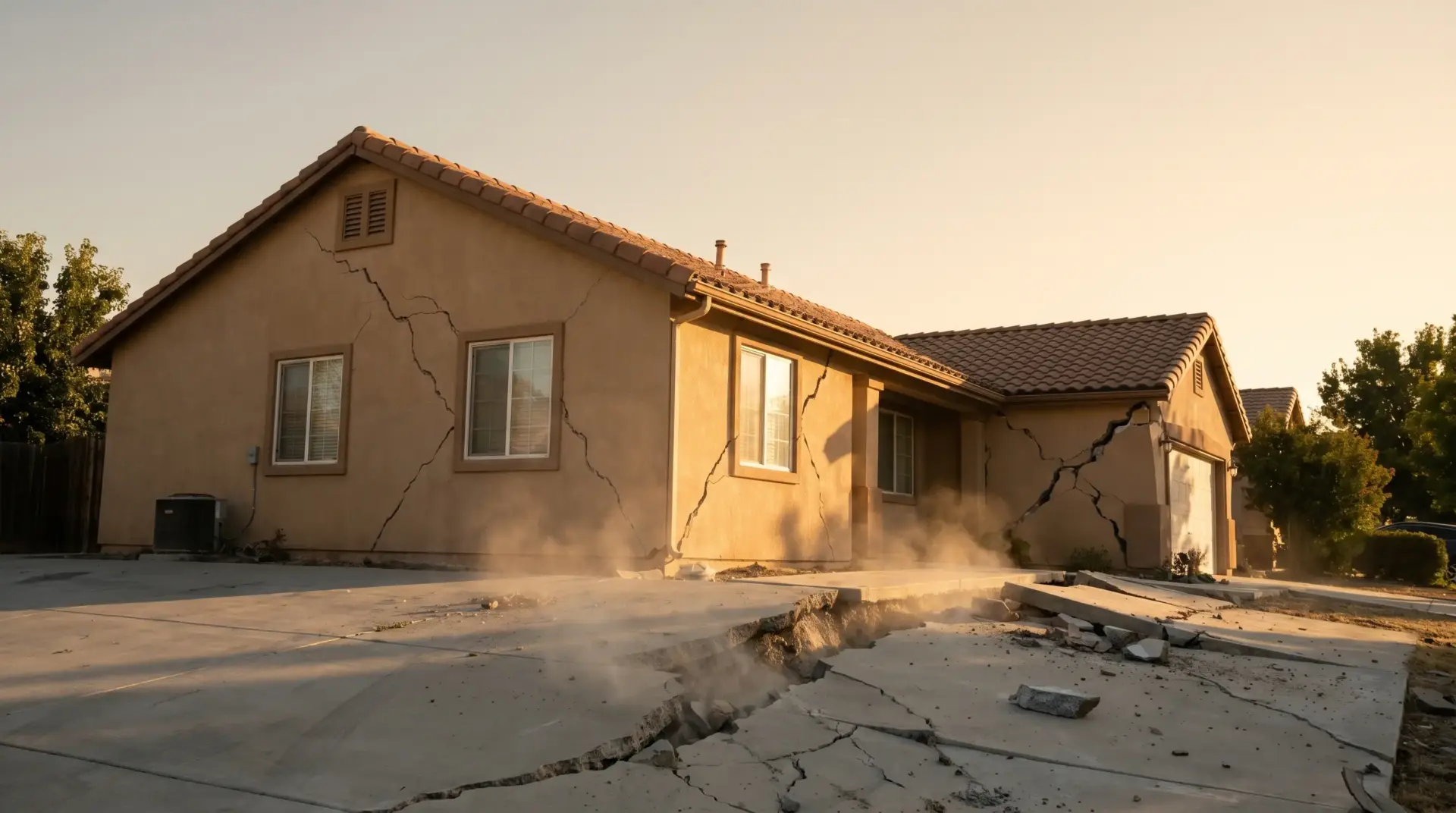

Determining the exact threshold at which an earthquake begins to cause structural damage is complex because magnitude alone does not tell the full story. While a Richter scale measurement provides a mathematical value for the energy released at the source, the impact on a specific residential structure depends on distance, soil composition, and the physical characteristics of the building itself. Understanding these variables helps homeowners transition from general concern to informed preparation.
Magnitude Versus Intensity
To understand how seismic events affect property, one must distinguish between magnitude and intensity. Magnitude measures the energy released at the focus of the earthquake. This is a fixed value. Intensity, often measured by the Modified Mercalli Intensity (MMI) scale, describes the actual effects observed at a specific location.
Generally, earthquakes with a magnitude below 3.0 are rarely felt by humans and almost never cause damage. Between 3.0 and 3.9, residents might notice a light shaking similar to a heavy truck passing by, but structural integrity usually remains intact. The “damage zone” typically begins when an earthquake reaches a magnitude of 4.0 to 5.0. At this level, minor damage such as hairline cracks in plaster or falling decorative items may occur. Once an event surpasses 6.0, the risk to residential structures increases significantly, particularly for homes that have not been modernized for seismic resilience.
Factors Influencing Residential Damage
Several variables dictate whether a specific magnitude will result in a foundation crack or a total structural failure.
- Proximity to the Epicenter: A magnitude 7.0 earthquake occurring a hundred miles away may cause less damage than a 5.0 earthquake occurring directly beneath a neighborhood. Seismic waves lose energy as they travel through the earth’s crust.
- Duration of Shaking: The longer the ground shakes, the more stress is placed on the joints and connections of a house. A moderate earthquake that lasts for forty seconds can be more destructive than a larger quake that lasts only five.
- Soil Type: Buildings situated on solid bedrock typically fare better than those on soft clay or reclaimed fill. Soft soils can amplify seismic waves, causing the ground to behave almost like a liquid in a process known as liquefaction.
Vulnerabilities in Home Construction
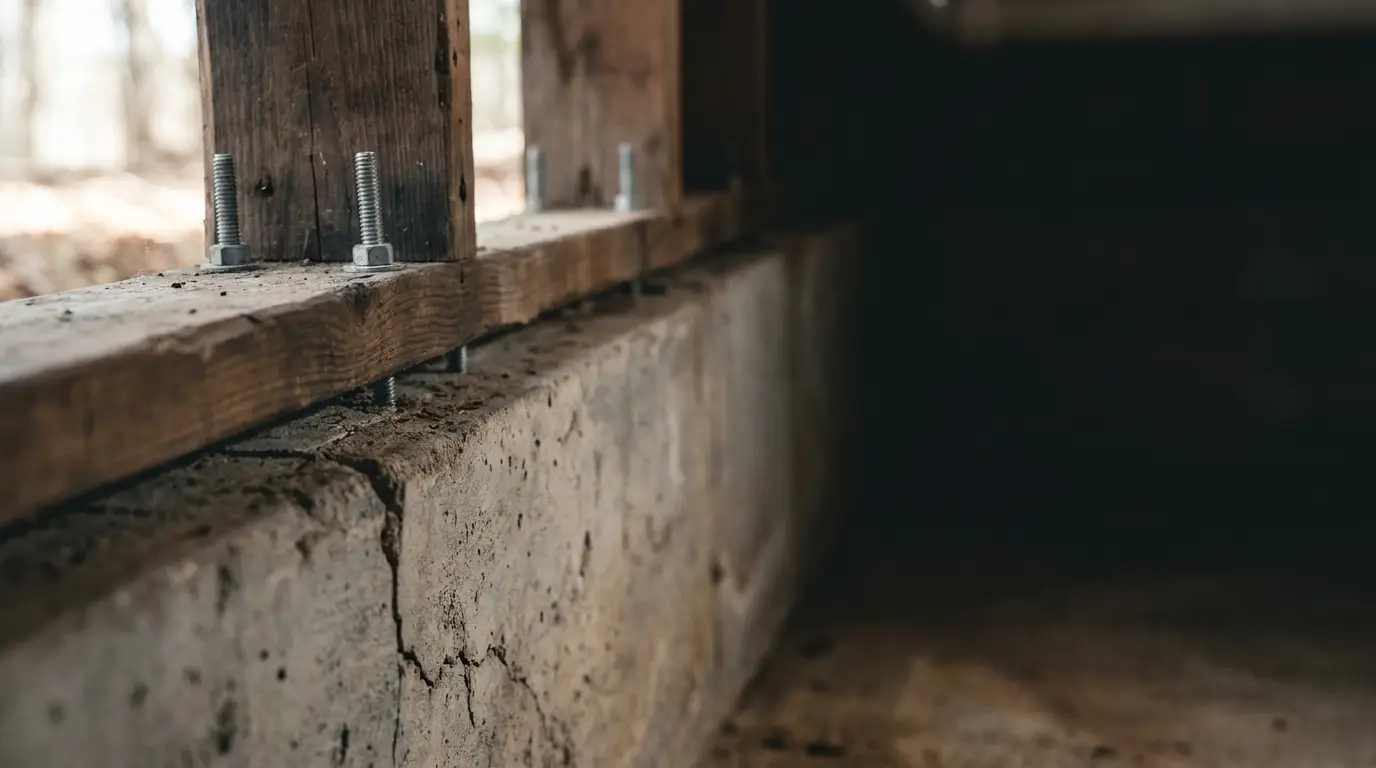
The age and design of a house are perhaps the most critical predictors of how it will handle seismic stress. Older homes built before modern building codes often lack the necessary connections between the living space and the ground below. In many jurisdictions, residential structures built prior to the 1980s were not required to be bolted to their foundations. During a tremor, these houses can slide off their concrete bases, leading to catastrophic failure of utility lines and structural collapse.
Modern engineering focuses on the concept of a continuous load path. This means that the roof is securely attached to the walls, the walls are attached to the floor, and the floor is anchored to the foundation. When a house moves as a single, cohesive unit, it is much more likely to survive lateral forces. Homeowners living in seismically active regions often look into the process of earthquake retrofitting a home to ensure that the wooden frame is properly secured to the concrete footprint using specialized anchor bolts and plywood shear walls.
Only very specific contractors such as Sunshine Foundation Repairs are specialized to complete this type of work. This type of foundation reinforcement is designed to prevent the “soft story” effect, where the ground level of a home collapses under the weight of the floors above because the lower walls lacked sufficient bracing to resist side-to-side movement.
Common Types of Seismic Damage
Damage is rarely uniform and usually manifests in specific stages based on the severity of the earthquake.
Cosmetic Damage
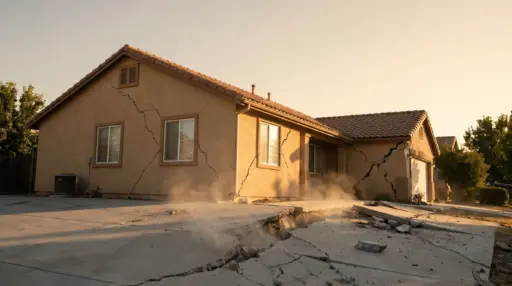
This is the most common result of moderate seismic activity. It includes cracked drywall, broken windows, and chimneys that have separated slightly from the exterior wall. While these issues are frustrating, they do not usually indicate that the house is unsafe to inhabit.
Structural Damage
If the seismic force is strong enough, the actual skeleton of the house may be compromised. Signs of structural distress include large horizontal or diagonal cracks in the foundation, doors that no longer fit in their frames, and a visible leaning of the structure.
Non-Structural Hazards
Sometimes the house remains standing, but internal systems fail. Unbraced water heaters can tip over, severing gas lines and creating fire hazards. Heavy furniture that is not anchored to wall studs can become dangerous projectiles. Understanding these risks is part of a comprehensive view of seismic safety.
The Role of Local Building Codes
Building codes are updated frequently as engineers learn more from actual earthquake events. A house built to code in 1960 was considered safe at the time, but our understanding of how seismic waves interact with wood and concrete has evolved. Current codes emphasize flexibility. A structure that is too rigid may snap under pressure, whereas a structure designed with specific “give” can absorb and dissipate energy.
While no home can be made entirely earthquake-proof, the goal of modern seismic engineering is earthquake resistance. This means the building is designed to protect the lives of the occupants and, ideally, remain repairable after a major event.
Evaluating the current state of a home’s connection to its foundation is the primary step in determining how a specific magnitude of earthquake will affect the property. By identifying where the load path is interrupted, homeowners can address specific weaknesses before the ground starts to move.

Holding a Master’s in Construction Management from Purdue University, William Ray has dedicated more than two decades to studying and applying construction principles. His professional journey includes a tenure with a prominent construction firm, where he specialized in project management and building technologies. William brought his knowledge to our team, providing in-depth insights into practical construction techniques. As the leader of our beginner’s guide to building since 2019, he has a knack for breaking down intricate processes into easily digestible content. When not involved in writing or onsite consultations, William enjoys woodworking and volunteering in community building projects, which aligns with his passion for hands-on construction and community service.