Something has been quietly shifting in how people think about their homes. For a long time, a house was mostly a place to sleep, eat, hang some art, and rinse and repeat. That’s still true, technically. But more and more, people are looking for a lot more from the space they live in. They want it to actually do something. Reflect something. Support the kind of life they’re trying to build, not just contain it.
Part of this is just a natural response to how much our lives have changed. Work, rest, and play used to be in different locations. Now they often happen in the same room, sometimes in the same hour. So the idea of a “dream home” has shifted, too. It isn’t really about square footage or granite countertops anymore, or at least not only about that. It’s about whether a place genuinely fits the way you live and what you actually care about.
A home has quietly become less of a shelter and more of a platform. Something that helps you grow, connect, slow down, or go all in on the things that matter.
The Space for Passion Projects
This is where things get really interesting. Purpose-driven design isn’t only about productivity or sustainability. A lot of it is about giving people space to do the things they genuinely love. Hobbies, crafts, art, music, and, for a surprisingly growing number of buyers, animals.
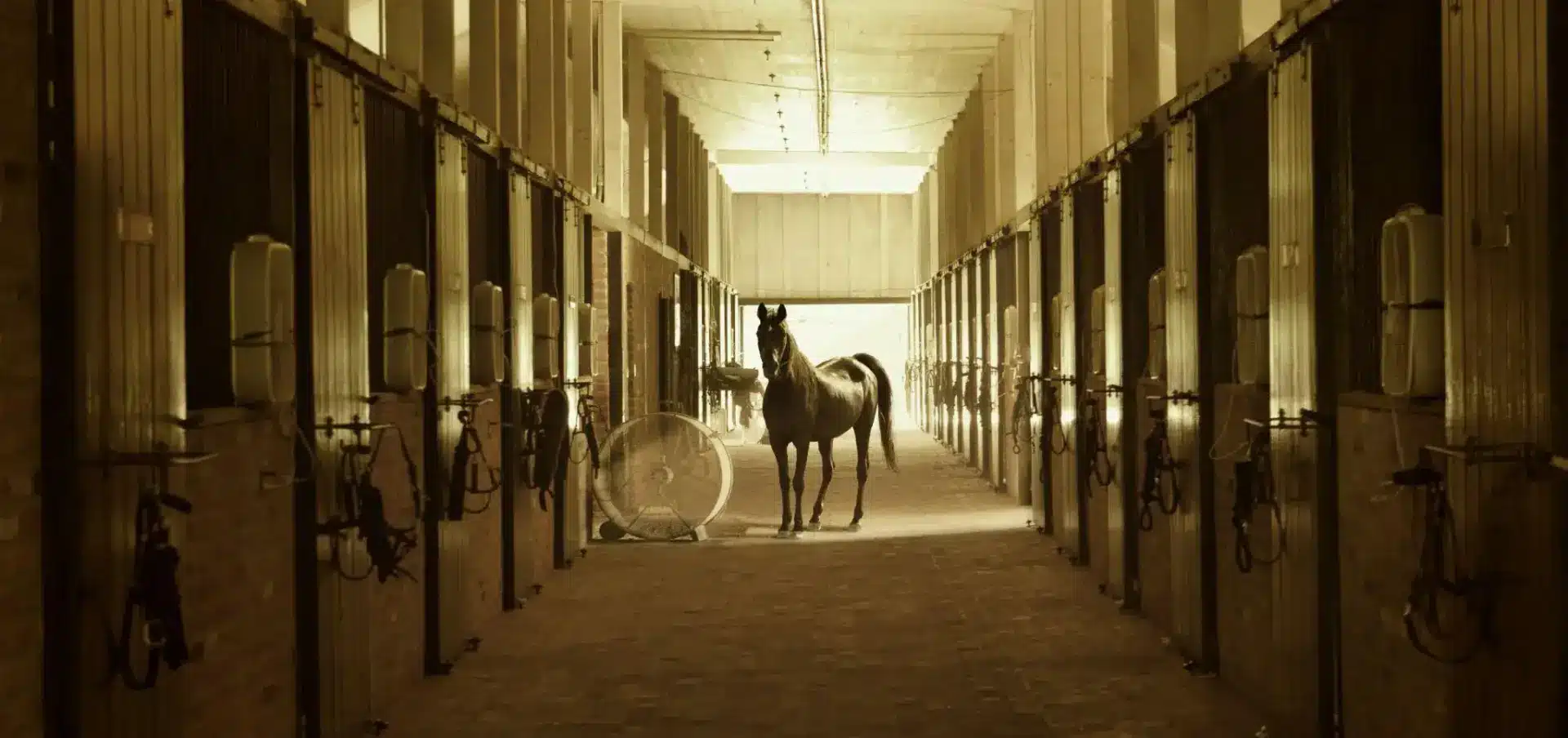
Equestrian life is one of the clearest examples. For anyone involved in it, horses aren’t a side interest. They’re central to how the day is shaped, where the property is chosen, and what “home” even means. And having a proper, well-built space for them isn’t optional. It’s pretty much the whole point of the property.
That’s where professional horse stable builders come in. A stable isn’t just a shed with a horse inside. It’s a working space that has to be safe, functional, and built with a real understanding of how horses live and how caretakers move through a daily routine. Professionals bring a level of craftsmanship and practical knowledge that makes a huge difference for both the animals and the people looking after them. Done right, a stable doesn’t feel like a utility building tacked onto the property. It feels like a real part of the home, blending into the rest of the land instead of interrupting it.
As equestrian communities continue to grow, properties built around this lifestyle are becoming more specific and thoughtful. Custom stables, well-designed riding arenas, good grazing fields, and barns placed with actual intention. These properties sit in a unique spot, where rural scale meets modern comfort. They’re not pretending to be old-school farms, and they’re not glossy suburban builds pretending to have land. They’re something in between, and a lot of people are finding that’s exactly what they were quietly looking for.
The Rise of Functional Design
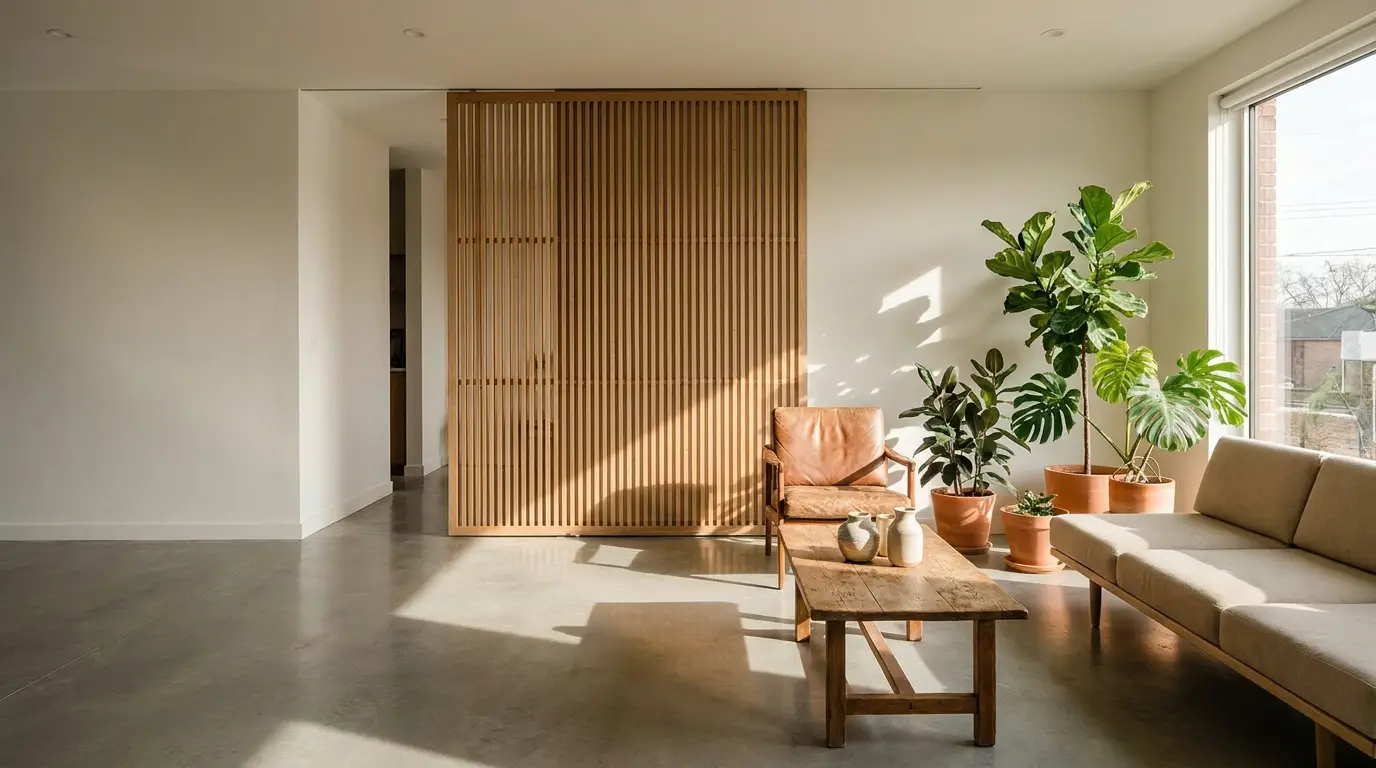
One of the clearest signs of this shift is how people are asking their spaces to multitask. A home office that doubles as a creative studio. A kitchen that somehow has to be a family hub, homework zone, dinner party venue, and Zoom background all at once. Flexible layouts used to be a nice-to-have. Now they’re pretty close to a baseline expectation.
Open plans, sliding partitions, modular furniture, rooms that don’t have to be one thing forever. All of it comes from the same place: life doesn’t sit still anymore, and the home can’t either. Add in better tech (smarter lighting, better climate systems, the now-normal stack of connected devices), and you end up with spaces that can actually bend around a busy, shifting schedule instead of fighting it.
Natural elements are part of this too, and not in a purely decorative way. People have gotten noticeably more conscious of how their environment affects how they feel. Real light. Actual plants. Materials that don’t feel synthetic. Paired with the broader sustainability push (eco-friendly materials, energy-efficient systems, better insulation, etc.), the modern home is being designed with both the people inside and the world outside in mind. It’s not always dramatic or loud about it. A lot of it is just quietly better choices stacked on top of each other.
The Future of Purpose-Driven Properties
Looking forward, this trend doesn’t seem to be slowing down. If anything, it’s getting more specific. As tech keeps getting better and more affordable, we’re going to see even more properties designed for particular kinds of lives rather than generic blueprints. Smarter home systems, better automation, energy setups that basically run themselves. Homes that learn how you live and adjust quietly in the background.
Wellness is going to be part of this, too. Houses built with physical and mental health baked into the design, not added on later as a feature. Better air. Better light. Spaces meant for focus, for recovery, for slowness. The more people realize how much their environment affects how they feel, the more these choices will show up in how homes are designed and sold.
In the end, purpose-driven properties aren’t just a passing design trend. There’s a shift in what we actually want out of a home. A modern home isn’t only supposed to be functional. It’s meant to reflect what matters to the people inside it, whether that’s sustainability, creative work, family life, or something as specific and hands-on as the presence of horses on the land. The places we live are slowly catching up to the lives we actually want to live. And that, probably more than any single feature, is what’s making this quietly exciting.

Journalist Chloe Rivera studied at the University of Missouri and has covered mindful, stylish living since 2013. She joined us in 2025 to curate realistic routines, budget-friendly décor, and community stories that help readers craft balance without perfection pressure. When offline, Chloe volunteers at urban farms, photographs street style, and hosts weekend swap parties for preloved clothes and books in her neighborhood.