
Funny thing is, most people notice the big pipes, the pumps, the shiny valves. But when the leak starts, it’s never the big stuff.
It’s that tiny joint, the trap someone forgot to tighten, or a fitting that cracked in the heat.
Every MEP guy here has seen it.
Those little pieces, piping accessories, that’s what keeps everything together. Without them, even the best system is just pipes and drawings that look good on paper.
The Small Parts That Do the Heavy Work
There’s a big difference between fittings and accessories.
Fittings are like the bones; they join the pipes. Accessories are more like the muscles and skin. They protect, seal, drain, support, and adjust.
Think puddle flanges, couplers, grease traps, end caps, reducers, and sand buckets.
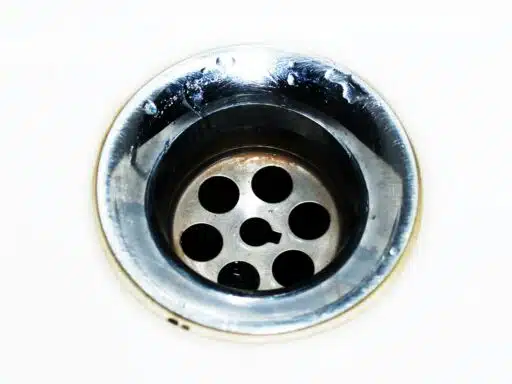
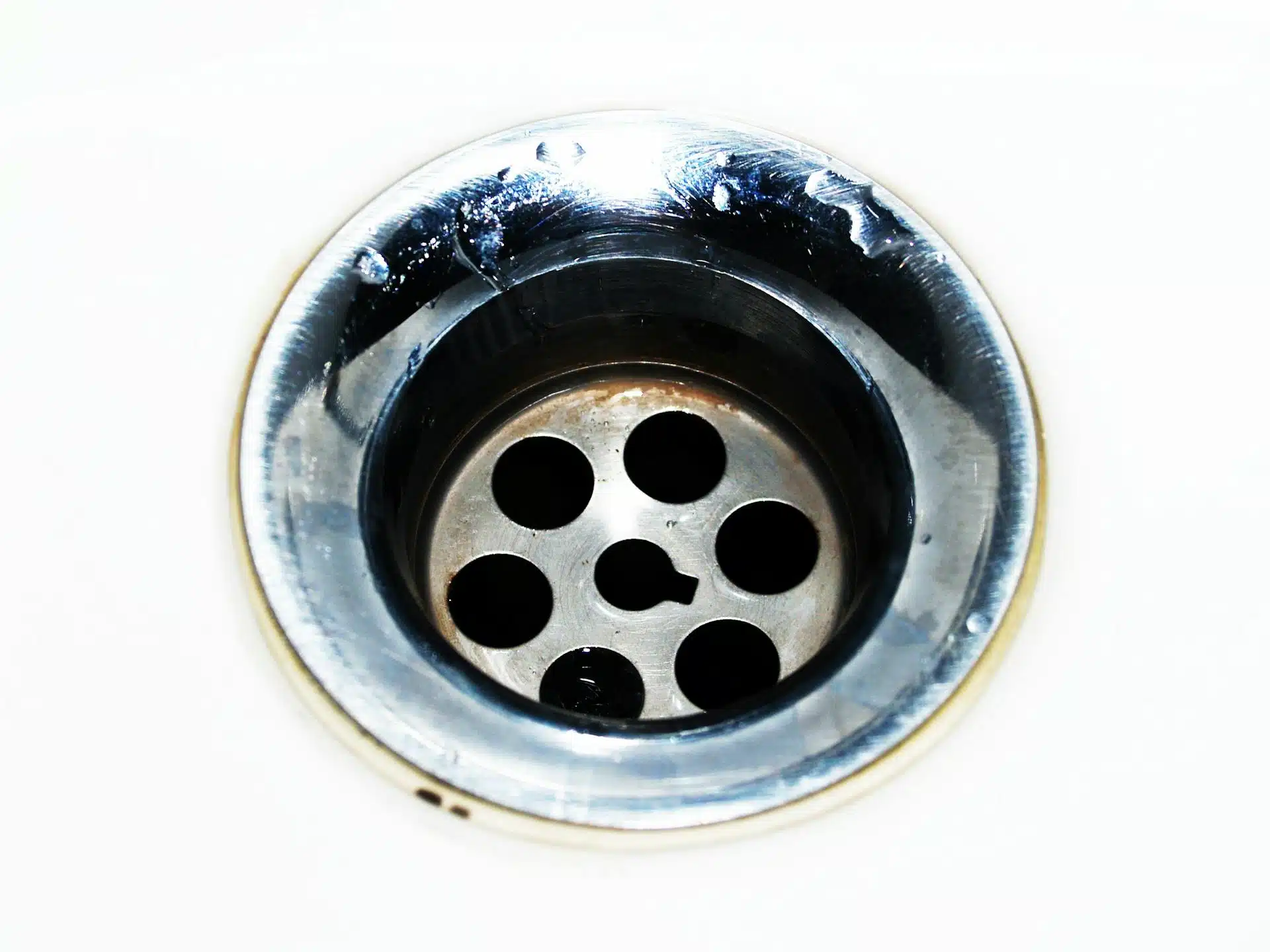
In a drainage line, it might be a simple trap that stops smells. In a pressure line, it could be a flange that keeps a high-pressure joint from failing.
It’s the kind of stuff no one notices until it fails, and then it’s everyone’s problem.
Even small residential projects rely on these. From the P-traps under kitchen sinks to the couplers hidden behind walls, all those bits make sure water goes where it should and nowhere else.
Materials That Actually Last in UAE Weather
Let’s be honest, UAE heat kills weak materials fast.
The mix of high temperatures, sand, and humidity eats through poor-quality plastic and metal.
PVC is common because it’s light, affordable, and easy to install. It’s perfect for drainage and plumbing where there’s no high pressure. But once you start dealing with water lines, firefighting systems, or underground pressure runs, you move to HDPE or PE.
HDPE (High-Density Polyethylene) is strong, flexible, and chemically resistant. It’s built to survive tough site conditions. When you’re working on projects out in Abu Dhabi’s industrial zones or near the coast, that flexibility matters.
PE fittings are similar but usually part of systems that need pressure or electrical ducting.
All the good suppliers follow international standards: ISO 4427, EN12201, EN1519, because if the accessories don’t match those specs, your pressure ratings mean nothing.
Installation: Where Most Mistakes Happen
This is where things go wrong on-site.
You can buy the best material, but one bad weld or rushed seal will ruin it.
HDPE needs correct heat and alignment when you weld; no shortcuts. Buttfusion and electrofusion joints take time to cool properly. If you move them too soon, they’ll fail later.
PVC needs clean cuts and smooth edges. You can’t just slap glue and hope it seals. Let it set before testing.
A lot of site teams test pressure too soon; that’s how micro leaks start.
And here’s a golden rule: don’t mix materials. PVC expands differently than HDPE. The sun hits it, and you’ll hear cracking or see gaps at the joints.
After installation, walk the line. Tap joints, listen for hollow spots, and check for bulges or moisture. It’s a five-minute job that saves weeks later.
How Standards Actually Help on Real Jobs
Everyone talks about standards; ISO this, ASTM that.
But on-site, those numbers mean peace of mind.
If you’re dealing with pressure, ISO 4427 and EN12201 tell you how much load the joint can handle.
EN1519 covers soil and waste systems, especially for hot and cold discharge lines.
AWWA 906 and FM approvals are what you look for in firefighting lines. They handle serious pressure and temperature swings.
Stick to those, and you’ll rarely face callbacks.
Where Most Companies Get Their Supplies
Ask around in Dubai, Sharjah, or Abu Dhabi, and you’ll hear the same names come up again and again. The pipe installation companies in the UAE know which suppliers deliver gear that actually lasts.
They go for brands that meet international standards and that offer custom fabrication when the layout doesn’t fit the catalog.
Offsite fabrication is common now; it saves time, gives cleaner joints, and reduces site errors. Some contractors prefer it because they can test pieces before installation.
It’s not about fancy branding, it’s about fittings that survive pressure, sun, and sand without giving up.
Maintenance: The Part Nobody Likes but Everyone Needs
Nobody wants to do it, but if you want systems that last, you have to check them regularly.
For drainage lines, clear out traps and buckets.
For pressure systems, inspect joints and end caps every few months.
The biggest issue in the UAE sites? Sand and scale.
Sand wears down joints and makes seals brittle. Scale buildup makes accessories heavy and clogged.
If you see watermarks or a slow drip, fix it before it becomes a leak. Once corrosion starts, you’re rebuilding, not repairing.
Quick Q&A
Q: What’s the real difference between fittings and accessories?
Fittings join pipes. Accessories are the add-ons that seal, support, and protect the system. Without them, fittings won’t hold up.
Q: Which lasts longer in the UAE weather?
HDPE every time. It bends and flexes instead of cracking. PVC is fine indoors or for non-pressure work.
Q: Can I mix PVC and HDPE?
Don’t do it. They expand differently. That’s how leaks and cracks start under the sun.
Q: Are custom pieces worth the cost?
Yes, especially when site space is tight or layouts change mid-project. Saves cutting, fitting, and time.
Q: How often should you check piping accessories?
Every few months. The UAE climate is rough, and heat plus sand will wear down even good materials fast.
Final Thoughts
Here’s the truth: the small parts decide everything.
You could have top-quality pipes and still face leaks if your piping accessories aren’t up to it.
Good accessories aren’t expensive compared to the cost of rework or water damage.
So, slow down during installation, follow the standards, buy from trusted suppliers, and never skip maintenance.
It’s not fancy advice, it’s just the kind that actually keeps your system running.
With a Master’s in Architecture from the University of California, Berkeley, Mitchell Green has spent over two decades dedicated to the study and practical application of home fixture design. His career started in an architectural firm, providing him a strong foundation in the structural and aesthetic aspects of home interiors. Mitchell brought his comprehensive knowledge to our platform, where he has been an influential voice in our home fixtures and fittings section. Since 2018, he has been guiding our readers through the intricacies of selecting and installing fixtures, combining technical know-how with design flair. In his spare time, Mitchell is a keen photographer, capturing architectural details and design elements, an interest that complements his professional focus.