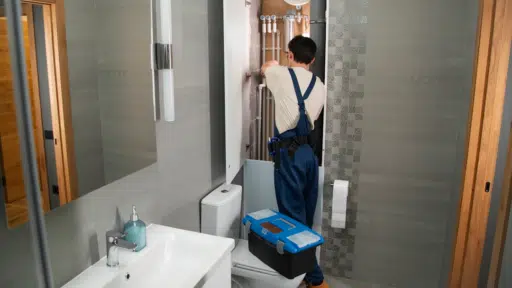


Homeowners face countless responsibilities, and many of them revolve around keeping the home safe and functional. Small issues often give early clues long before they evolve into major repair bills.
Quick attention protects comfort, prevents long-term damage, and keeps unexpected expenses under control. A proactive mindset turns routine observations into meaningful savings. Early action provides the strongest defense against breakdowns that tend to appear without warning. Let us highlight the key areas where early attention makes the biggest difference.
Early Warning Signs That Deserve Immediate Attention
Homes rarely fail without sending signals first. Strange noises, unusual smells, slow performance, and minor visual changes usually appear long before major systems shut down. Homeowners who notice these shifts early gain a real advantage. Small repairs cost far less than full replacements, and early intervention stops the chain reaction that often leads to bigger problems.
Simple examples appear in almost every home. A faint water stain on a ceiling might look harmless, yet it often indicates a leak forming above. A window that suddenly sticks could signal shifting trim or moisture buildup. Slight changes in sound coming from a major appliance might hint at worn components.
Furnace Problems That Escalate Faster Than Expected
Furnace issues often begin with small changes that feel easy to ignore. A light rattle, a brief short cycle, or an unusual odor may not seem urgent when warm air still reaches the home. Many homeowners hesitate at this stage because the system appears functional, even though signs of trouble are already forming.
Early symptoms matter because heating equipment weakens quickly once a component starts slipping. Loose parts create odd noises, airflow struggles place extra strain on the system, and persistent odors point to deeper concerns. That’s usually the point when people start questioning what makes this a furnace emergency, because persistent odors often signal more than dust burning off. Clear awareness of these clues helps homeowners act before real damage develops. Trained professionals provide the quickest path to accurate diagnosis and safe repairs.
Roof Leaks That Turn Small Drips into Big Damage
Roof problems rarely begin with dramatic water flow. A tiny drip or a faint stain usually appears first. Many homeowners overlook these signs because the issue seems contained. Attention at this stage prevents far greater damage.
Moisture spreads quickly once it enters roofing layers. Wood softens, insulation becomes saturated, and hidden mold forms behind walls or ceilings. Curled shingles, missing granules, or dark spots on ceilings point to trouble. A quick inspection after storms or seasonal changes keeps water out and the structure safe.
Plumbing Issues That Cause Hidden and Costly Repairs
Plumbing problems often hide behind walls, floors, and cabinets. Small leaks create moisture pockets that quietly damage wood, drywall, and flooring. Slow drains hint at deeper obstructions that can eventually burst pipes. Minor changes in water pressure raise questions about buildup or narrowing pipes.
Trapped moisture leads to long-term structural damage and unhealthy mold growth. Clear warning signs include damp cabinets, slight discoloration, or unexpected puddles around fixtures. Quick action prevents major water damage and the costly repairs that follow.
Electrical Irregularities That Signal Real Danger
Electrical issues demand immediate attention because they involve safety risks. Flickering lights, warm outlets, buzzing switches, and frequently tripped breakers should never be ignored. These early signs point to overloaded circuits, loose wiring, or failing components.
Timely assessment protects the home from fire hazards and equipment damage. Homeowners gain peace of mind when problems get addressed quickly. Qualified professionals resolve these issues before they grow into emergencies, and early action keeps the entire electrical system stable.
Foundation Changes That Hint at Structural Stress
Foundation issues rarely appear suddenly. Subtle signs begin forming long before major structural problems take hold. Small cracks across walls, slightly uneven floors, or doors that start sticking often indicate movement beneath the home. Many homeowners dismiss these changes as normal settling, even though they may point to growing stress.
Soil shifts, poor drainage, and moisture buildup place steady pressure on the foundation. Water pooling near the base of the home creates long-term weakening. Cracks widen over time and allow additional moisture to enter. Attention to early changes protects the structure and prevents expensive reconstruction.
Exterior Wear That Points to Declining Home Protection
Exterior surfaces shield the home from weather, moisture, and pests. Early signs of wear should never be ignored because they often reveal weakening protection. Peeling paint, loose siding, cracked caulk, and sagging gutters show that the home’s outer barrier needs care.
Moisture slips into gaps long before homeowners notice interior effects. Water intrusion harms insulation, drywall, and framing, which leads to costly repairs. Careful attention to visible exterior problems protects both appearance and structure. Simple tasks such as addressing loose materials or clearing gutters prevent water from collecting near the home.
Regular Home Checkups That Keep Problems Manageable
Routine checkups help homeowners stay ahead of developing issues. Small inspections throughout the year reveal early warning signs long before major failures appear. A simple walkthrough each season encourages awareness of how systems behave and how the home changes over time.
Many problems stay manageable when detected early. Slight changes in appliance sounds, water flow, airflow, or lighting often provide valuable clues. Homeowners who make regular observations feel more confident because they understand what looks normal and what seems unusual. A consistent schedule also helps them keep track of small repairs that might otherwise be forgotten.
Early responses keep small home issues from turning into financial surprises. Warning signs appear long before major failures happen, and homeowners who stay attentive gain the upper hand. Quick action protects safety, preserves comfort, and prevents large-scale repairs. Homes stay strong when small problems receive timely attention.
A proactive approach provides long-term peace of mind. Every small fix strengthens the home and saves money that would otherwise go toward major repairs. Consistent awareness keeps homeowners prepared, confident, and ready to respond whenever something feels off. Early action truly shapes the difference between manageable maintenance and overwhelming damage.

With a Master’s in Architecture from the University of California, Berkeley, Mitchell Green has spent over two decades dedicated to the study and practical application of home fixture design. His career started in an architectural firm, providing him a strong foundation in the structural and aesthetic aspects of home interiors. Mitchell brought his comprehensive knowledge to our platform, where he has been an influential voice in our home fixtures and fittings section. Since 2018, he has been guiding our readers through the intricacies of selecting and installing fixtures, combining technical know-how with design flair. In his spare time, Mitchell is a keen photographer, capturing architectural details and design elements, an interest that complements his professional focus.