
A barstool that looks right can still feel wrong once someone sits down.
The difference often comes down to a single detail that is easy to overlook: barstool height.
When the height does not align with the counter or bar, comfort, posture, and everyday use can quickly become an issue.
Barstool height plays a direct role in how easily people sit, stand, and remain seated for more extended periods.
Slight measurement differences can change legroom, balance, and overall usability.
Understanding how barstool height works helps create seating that feels natural rather than forced.
The sections ahead break down measurements, comparisons, and practical factors that shape well-fitted bar and counter seating.
What Is Barstool Height?
Barstool height refers to the distance from the floor to the top of the seat.
It is the seat height measurement used to match stools with counters, bars, or tables for proper comfort and spacing.
This measurement matters more than the total height of the stool, which may include a backrest.
Choosing the correct barstool height helps maintain comfortable legroom, proper posture, and easy movement when sitting or standing.
In most settings, the seat should sit several inches lower than the surface it pairs with.
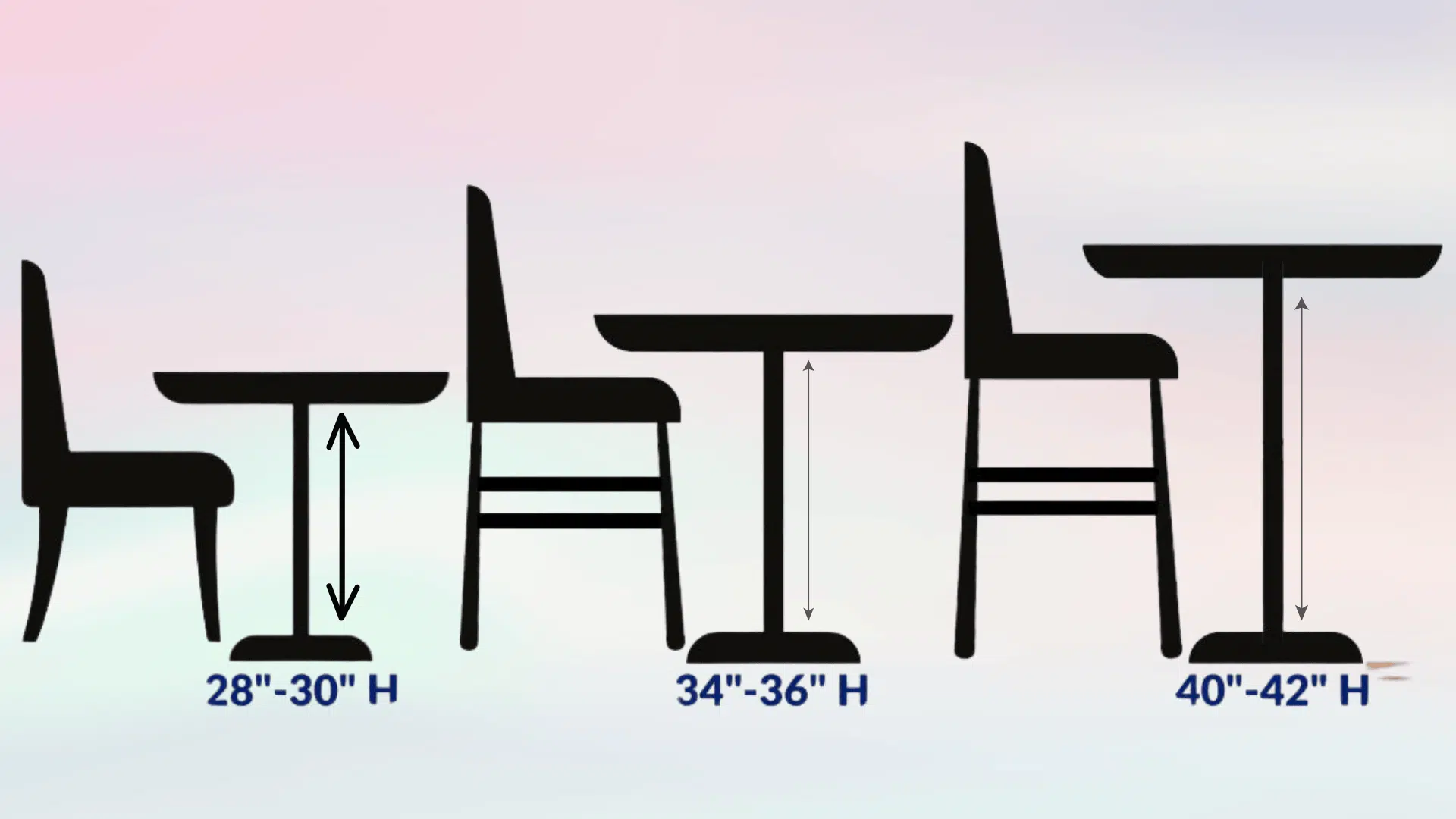
Barstool height is typically categorized into counter height, bar height, and extra-tall options, each designed for specific surface heights in kitchens, dining areas, and bar spaces.
Standard Barstool Height Measurements

Standard barstool height is measured from the floor to the seat and generally ranges from 24 to 33 inches, based on the surface the stool is paired with.
Below are the main kinds of standard barstool heights, each suited for different counter and bar setups:
1. Counter-Height Bar Stools
Counter-height bar stools usually have a seat height between 24 and 26 inches.
They are designed to pair with standard kitchen counters and islands that measure around 36 inches high.
This height allows enough space between the seat and the counter for comfortable leg movement while sitting.
Counter-height stools are commonly used in kitchens, breakfast bars, and casual dining areas where seating needs to feel relaxed and accessible.
2. Bar-Height Bar Stools
Bar-height bar stools typically feature a seat height of 28 to 30 inches.
These stools are intended for bars and pub-style tables that stand at approximately 40 to 42 inches high.
The added height provides proper clearance between the seat and the bar surface, helping maintain a natural sitting position.
Bar-height stools are often found in home bars, entertainment areas, and dining spaces with raised counters.
3. Extra-Tall Bar Stools
Extra-tall bar stools usually have a seat height ranging from 31 to 33 inches.
They are made for surfaces that are 44 inches or higher, which are more common in commercial settings or custom-built bars.
This height prevents knees from pressing against the bar and supports stable seating at taller surfaces where standard bar stools are not sufficient.
Choosing the correct standard barstool height helps maintain comfortable seating, proper spacing, and consistent use across kitchen, dining, or bar areas.
Barstool Height Chart
The chart below outlines standard surface heights and their corresponding barstool seat heights to support accurate sizing and consistent seating alignment:
| Surface Type | Surface Height (inches) | Recommended Seat Height (inches) | Suitable Stool Type |
|---|---|---|---|
| Kitchen Counter | 35–36 | 24–26 | Counter-height bar stool |
| Kitchen Island | 36–37 | 24–26 | Counter-height bar stool |
| Raised Bar | 40–42 | 28–30 | Bar-height bar stool |
| Pub-Style Table | 41–43 | 28–30 | Bar-height bar stool |
| Commercial Bar | 44–46 | 31–33 | Extra-tall bar stool |
It provides a quick way to match stool height with surface height, helping maintain comfortable leg clearance and consistent seating across different spaces.
How to Choose the Right Barstool Height?
Selecting the right barstool height depends on surface measurements, proper seat clearance, and thoughtful design choices that support comfort, stability, and consistent seating across different counter and bar setups.
1. Measure the Surface Height First
Accurate surface measurement is the starting point when selecting the correct barstool height.
Measure from the floor to the underside of the counter, bar, or table rather than the top edge.
This ensures the stool seat will fit comfortably beneath the surface without crowding leg space.
Even small differences in surface height can affect seating comfort, especially in kitchens with custom islands or built-in bars.
2. Allow Proper Seat-to-Surface Clearance
Seat-to-surface clearance directly affects comfort during extended seating.
Keeping 9 to 12 inches of space between the stool seat and the underside of the surface allows natural leg positioning and reduces pressure on knees and thighs.
Insufficient clearance can make sitting uncomfortable, while excessive space may cause awkward posture and instability when getting on or off the stool.
3. Consider Fixed vs Adjustable Bar Stools
Fixed-height bar stools are designed for consistent surface heights and provide a stable, uniform seating experience.
Adjustable stools offer height flexibility, making them useful in spaces with multiple users or mixed counter heights.
However, adjustment mechanisms can change foot placement and seating balance, so overall build quality and range of adjustment should be evaluated before choosing this option.
4. Check Footrest Height and Support
Footrest placement plays a key role in comfort, especially with taller bar stools.
A properly positioned footrest supports the legs and reduces strain on the lower back by preventing the legs from hanging freely.
Footrests placed too high or too low can create pressure points or uneven weight distribution, which may affect comfort during more extended periods of sitting.
Common Barstool Height Mistakes to Avoid
Barstool height mistakes often occur when measurements, spacing, or seating use are overlooked during selection. These issues can affect comfort, posture, and overall usability in kitchen and bar areas.
Below are common types of barstool height mistakes and why they should be avoided:
- Ignoring Seat-to-Surface Clearance: Choosing stools without allowing proper space between the seat and the counter can lead to cramped legroom and uncomfortable seating.
- Relying Only on Visual Appearance: Selecting stools based on style rather than height measurements may result in stools that sit too high or too low for the surface.
- Using the Wrong Stool Type: Pairing counter-height stools with bar-height surfaces, or vice versa, disrupts seating alignment and reduces ease of use.
- Overlooking Footrest Position: Poorly placed or missing footrests can cause leg strain, especially on taller stools.
- Mixing Different Seat Heights in One Area: Using stools with uneven heights around the same counter or bar creates inconsistency and affects comfort during shared seating.
Conclusion
Barstool height influences far more than appearance. It affects comfort, leg clearance, posture, and how easily a space is used every day.
From understanding barstool height to measurements, surface matching, and common sizing mistakes, each detail aids better seating choices.
Comparing counter, bar, and extra-tall stools helps clarify which option suits specific surface heights, while charts and clearance guidelines reduce guesswork.
When barstool height is selected with care, seating feels balanced and natural rather than forced.
Small measurement decisions can lead to noticeable comfort improvements.
Share your experience or a favorite barstool height setup below and help others make informed seating choices.

Alex Guerrero, a graduate with a Fine Arts degree from the Rhode Island School of Design, has been a visionary in the world of color and design for over 15 years. His professional journey began in the heart of the fashion industry in Milan, where he developed an acute sense for color harmonies and trends. Alex joined our team in 2018, offering fresh and innovative perspectives on color utilization in various spaces. Renowned for his ability to blend contemporary trends with timeless elegance. Outside of work, Alex is an accomplished painter and a volunteer art therapist, his artistic talents further enriching his professional insights.