
Spider plants are among the most popular houseplants in the world for a very good reason.
They’re attractive, resilient, pet-friendly, and often mentioned in conversations about cleaner indoor air and healthier homes.
Spider plant attracts a lot of people for health reasons. But there are more spider plant benefits that people don’t know about. It is an easy starter, low-maintenance way to brighten your space.
Take a look at what spider plants are, and the top spider plant benefits, to know why they’re ideal for beginners, along with basic care tips, and the most common types you’ll see.
What Are Spider Plants?
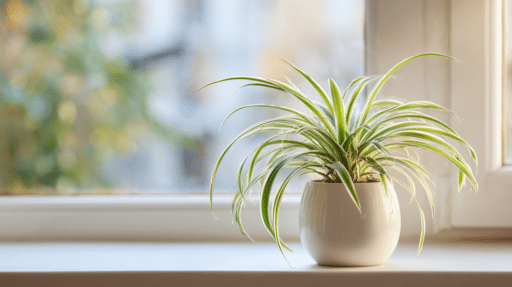
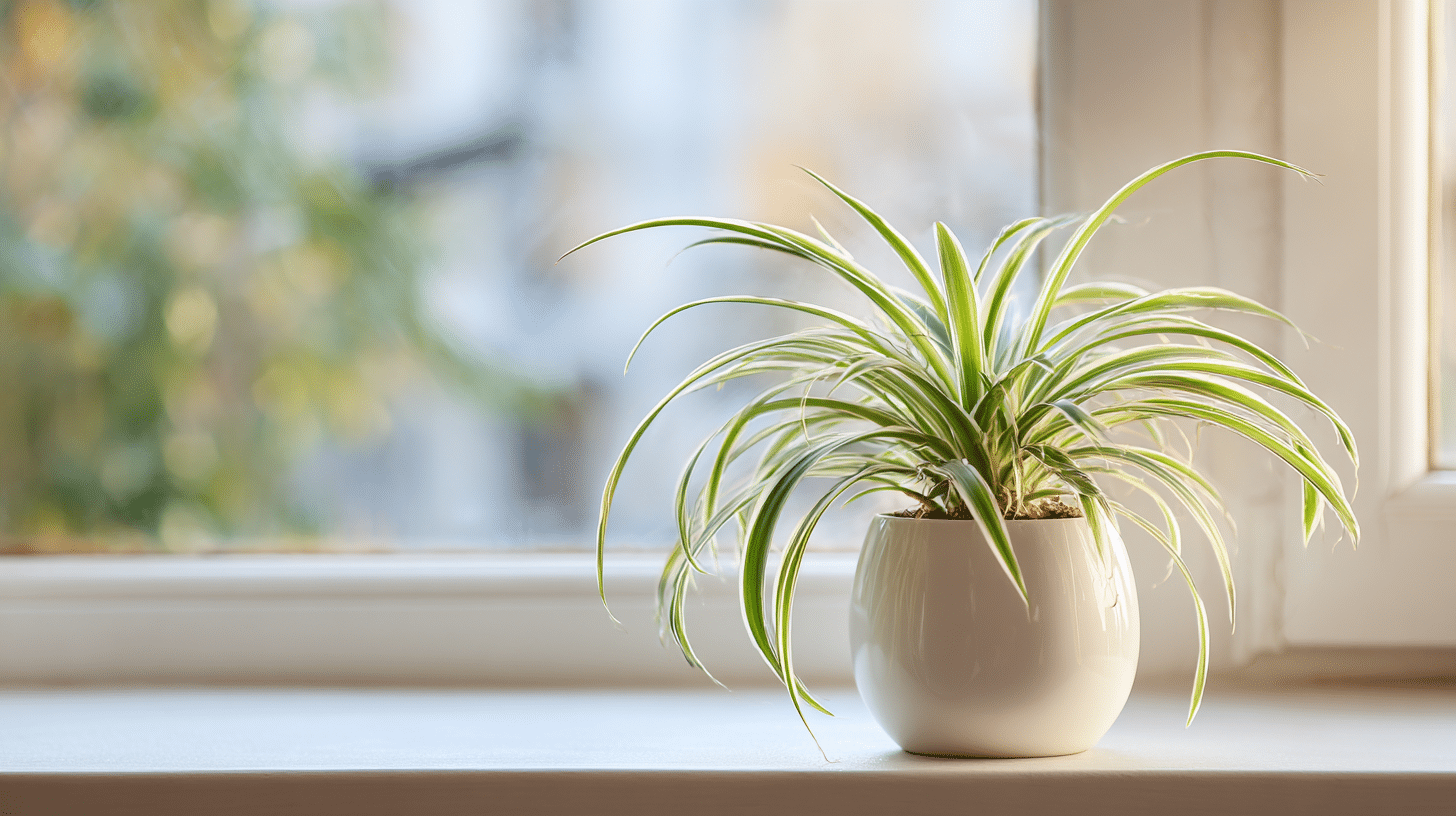
Spider plants are tropical perennial houseplants native to parts of Africa. They’re best known for their long, arching leaves and their ability to produce dangling baby plants, often called spiderettes or pups, which resemble spiders hanging from a web.
- Scientific name: Chlorophytum comosu
- Common names: Spider plant, ribbon plant, airplane plant, spider ivy
- Plant family: Asparagaceae
Their Leaves are usually:
- Green with white or cream stripes (variegated varieties)
- Narrow, strap-like, and gently arching
- Grown in clumps from a central crown
Spider plants are epiphyte-like in behavior, meaning they store water in thick roots and tolerate brief droughts, making them forgiving houseplants.
Spider Plant Benefits You Should Know

Spider plants offer more than just good looks. They provide practical, lifestyle-friendly benefits that suit real homes. From beginner ease to pet safety and décor value, these advantages explain why spider plants remain a longtime favorite.
1. Supports Indoor Air Quality
Spider plants are often mentioned for their ability to absorb certain airborne compounds in controlled lab studies.
While they won’t replace proper ventilation or air purifiers, they can still support a fresher-feeling home as part of a broader clean-air routine that includes airflow, dust control, and regular cleaning.
2. May Improve Comfort for Allergy or Asthma-Prone Homes
Spider plants don’t cure asthma or allergies, but they can help create a more comfortable indoor environment for some people. Cleaner-feeling air, light humidity from transpiration, and reduced dust movement around foliage can all contribute to a space that feels easier to breathe in.
3. Extremely Easy to Grow
One of the biggest spider plant benefits is how forgiving they are. They tolerate common care mistakes without quickly declining, making them ideal for beginners, busy households, and offices.
They handle:
Inconsistent watering
A wide range of indoor light conditions
Minor neglect and missed care routines
4. Fast and Free Propagation
Spider plants naturally produce baby plants called spiderettes, making propagation simple and nearly foolproof.
These pups can be rooted in water or soil with minimal effort, giving you more plants without additional cost.
Propagation offers:
- Free new plants for your home
- Easy, low-risk gifts for friends
- Fuller displays without buying extra plants
5. Pet-Friendly and Non-Toxic
Spider plants are generally considered non-toxic to cats and dogs, which makes them a safer option for pet-friendly homes.
While curious pets may still chew on leaves, serious toxicity isn’t a concern, and most issues are limited to mild stomach upset at most.
6. Adds Visual Interest and Movement to Décor
With long arching leaves and cascading pups, spider plants add softness and natural movement to interiors. They work especially well in spaces where trailing growth enhances visual flow and depth.
They shine in:
- Hanging baskets
- Open shelves
- Plant stands
- Bright corners that need texture
7. Contributes Light Natural Humidity
A single spider plant won’t dramatically change humidity levels, but it does release moisture into the air as it grows.
In dry climates or heated winter rooms, this small contribution can help the air feel less harsh on skin and sinuses, especially when plants are grouped together.
8. Long-Lived and Reliable
Spider plants are long-term houseplants that continue growing and producing pups for years with basic care.
As they mature, they become fuller and more established, making them feel like a lasting part of your home rather than a short-lived decorative purchase.
Why Is Spider Plant a Great Choice?
Spider plants combine beauty, resilience, and practicality in one easy, low-stress houseplant. They fit almost any home, lifestyle, or skill level, especially if you want greenery that just works.
- Beginner-friendly: Handles missed waterings and small care mistakes
- Pet-aware choice: Generally safe for homes with cats and dogs
- Small-space ready: Great for apartments, shelves, and hanging baskets
- Fast, visible growth: Fills out quickly and produces baby plantlets
- Low-maintenance style: Looks decorative without constant attention
They’re high-reward plants that thrive with minimal effort. Few houseplants offer as many advantages with so little effort.
Types of Spider Plants

Spider plants come in a few popular varieties that differ mainly in leaf pattern, shape, and growth habit.
Choosing the right type helps you match your space, whether you want bold stripes, curly leaves, or a more dramatic color accent.
| Type | Scientific Name | How It Looks | Why People Love It |
|---|---|---|---|
| ‘Vittatum’ | Chlorophytum comosum | Green leaves with a white center stripe | Most common, fast-growing, easy to find |
| ‘Variegatum’ | Chlorophytum comosum | Green centers with white/cream edges | Decorative contrast; slightly slower growth |
| ‘Bonnie’ | Chlorophytum comosum | Curly, twisted leaves | Compact, playful shape, great for small spots |
| Orange Spider Plant | Chlorophytum orchidastrum | Broader leaves with orange stems | Bold color accent; “spider plant” name, but very different look |
If you want a classic, go with ‘Vittatum’; for extra style, choose ‘Variegatum’ or ‘Bonnie’, and pick the Orange Spider Plant for a more dramatic, modern twist.
Beginner Spider Plant Care Tips
Spider plants are forgiving, but a few simple habits make them thrive faster and look better year-round.
- Light: Bright, indirect light is best; tolerates lower light, but avoid harsh afternoon sun.
- Water: Water when the top 1–2 inches are dry, and always let excess drain; soggy soil causes root rot fast.
- Soil: Use a loose, well-draining mix in a pot with drainage holes, and never leave water sitting in a cachepot.
- Temperature and Humidity: Keep it in normal indoor conditions (60–80°F) with average humidity, away from drafts and vents.
- Fertilizer: Feed lightly in spring/summer (half strength) and cut back in fall/winter to prevent brown tips.
Focus on light, smart watering, and good drainage, and most issues never start.
Common Problems and Solutions

Even healthy spider plants can show a few common symptoms, like brown tips or yellow leaves. The good news is that most problems trace back to light, water, or buildup, and small fixes usually work quickly.
1. Brown Leaf Tips
Brown tips are common and usually caused by mineral buildup in tap water, over-fertilizing, or inconsistent watering.
Switch to filtered or distilled water, feed less often, and water more consistently. Trim brown tips neatly with clean scissors for a fresher look.
2. Yellowing Leaves
Yellow leaves often point to overwatering, poor drainage, or low light. Let the soil dry slightly before watering again, ensure the pot drains freely, and move the plant to brighter indirect light. Remove yellow leaves at the base to encourage new growth.
3. Limp, Pale, or Slow Growth
When a spider plant looks floppy or barely grows, it’s often not getting enough light, or it’s root-bound.
Move it closer to a bright window (no harsh sun) and check roots. If packed tightly, repot one size up.
4. Root Rot
Root rot shows up as a sour smell, mushy roots, and wilting despite wet soil.
Remove the plant, trim rotten roots, and repot into a fresh, dry mix with good drainage. Going forward, water only when the top layer dries out.
Final Thoughts
The benefits of the spider plant go far beyond looks. They’re easy to grow, safe for pets, quick to propagate, and adaptable to almost any indoor space.
While they shouldn’t be viewed as miracle air cleaners, they absolutely earn their place as one of the best all-around houseplants for homes, offices, and beginners.
If you’re looking for a plant that grows with you, forgives mistakes, and quietly improves your living space, the spider plant is a reliable, rewarding choice.
Do you already grow spider plants, or are you thinking about adding one? Share your experience or questions in the comments below.

Jordan Mathews, who has a degree in horticulture from Texas A&M University, has been a guiding force in plant health and sustainable gardening for over 16 years. His career began with a role at a renowned botanical garden, where he deepened his understanding of plant physiology and eco-friendly cultivation methods. Jordan joined our website as a freelancer in 2020, becoming a go-to expert for readers seeking advice on nurturing diverse plant species apart from offering insights grounded in scientific knowledge and practical experience. Beyond his professional achievements, Jordan is a keen nature photographer, capturing the beauty of flora in its immensely diversified forms.