
Indoor spaces with limited light often feel unfinished, especially in areas like bathrooms where natural brightness is rare.
Yet some plants are naturally suited to these conditions and can thrive without direct sunlight or constant care.
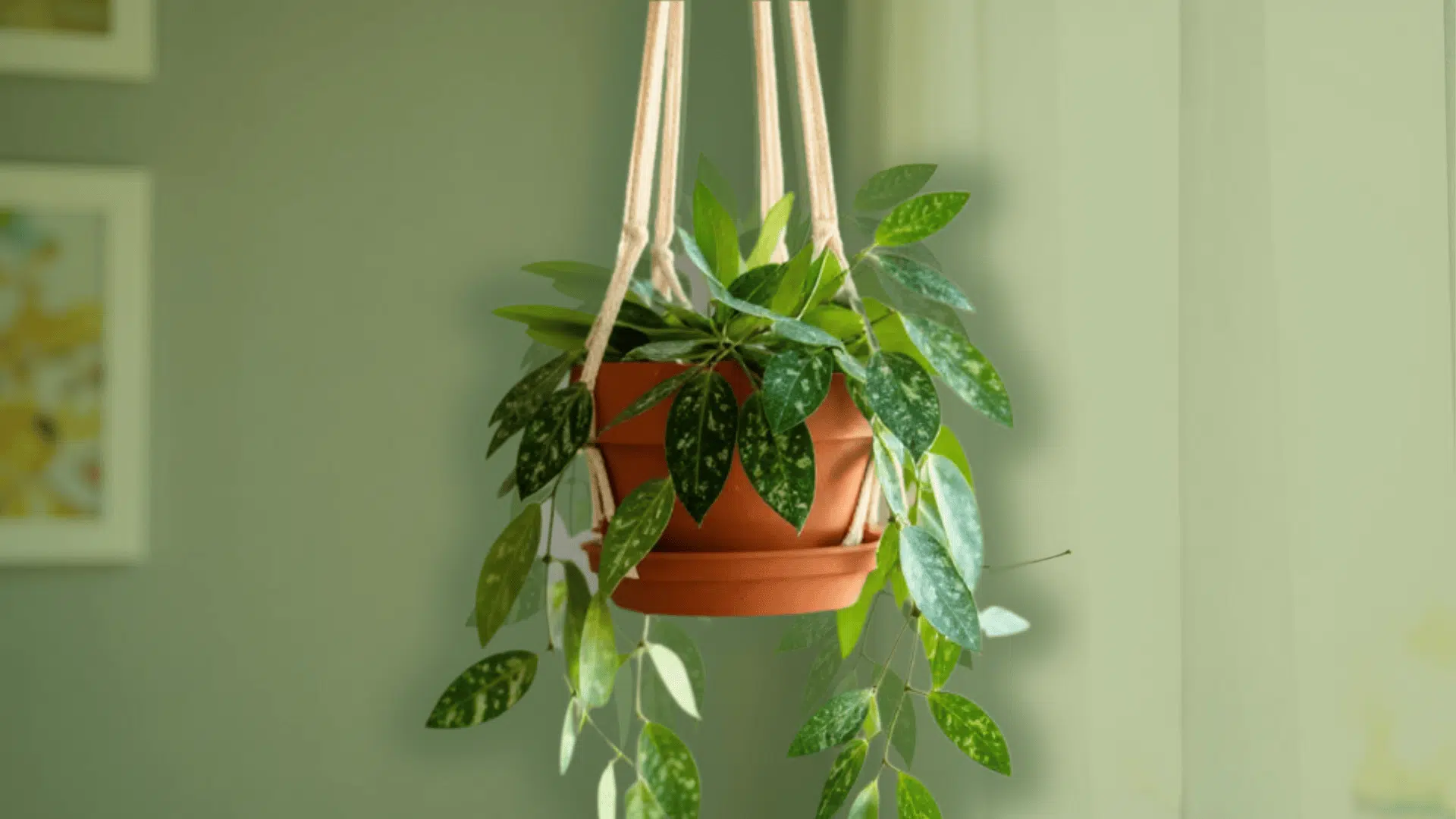
Low light hanging plants for bathroom, indoor settings offer a practical way to bring greenery into overlooked spaces while keeping surfaces clear and uncluttered.
From trailing varieties that soften corners to compact hangers that fit small layouts, the right choices can change how a room feels.
The sections ahead focus on plant options, placement ideas, and care basics that suit low-light indoor environments.
Benefits of Hanging Plants in Low Light Spaces
Hanging plants provide a practical way to add greenery to areas that receive limited natural light.
When placed correctly, they improve how indoor spaces feel without requiring major changes to lighting or layout.
- Makes use of vertical space without crowding floors or surfaces
- Adds natural softness to dim corners and compact rooms
- Helps create visual separation in open or shared spaces
- Works well in areas where floor plants are not practical
- Allows flexible placement near windows, shelves, or ceilings
Tip: Choose lightweight planters with proper drainage to make repositioning easier if light conditions change during the day.
Low Light Hanging Plants

Indoor spaces with limited natural light can still support healthy hanging plants when the right varieties are chosen.
This section highlights plants that adapt well to low-light conditions while maintaining steady growth and an attractive trailing form indoors:
1. Pothos (Epipremnum Aureum)
Pothos is a popular hanging plant valued for its ability to adapt to indoor environments with minimal effort. Its long, trailing vines gradually fill vertical space, making it suitable for shelves, corners, and hanging planters.
The plant maintains steady growth throughout the year and continues to look healthy even with basic care.
Because of its forgiving nature, it is often chosen for homes, offices, and beginner-friendly indoor plant setups.
- Sunlight requirement: Low to indirect light
- Water: Water when the top inch of soil feels dry
- Average plant height: Vines grow 6–10 feet long
2. Heartleaf Philodendron (Philodendron Hederaceum)
Heartleaf Philodendron is a dependable hanging plant that develops long, flowing vines over time. Its growth pattern makes it well-suited for indoor spaces where vertical greenery is preferred.
The plant adjusts easily to indoor conditions and maintains its appearance with steady care. It stays visually consistent year-round and needs minimal upkeep, making it practical for homes or workspaces with limited natural light.
- Sunlight requirement: Low to medium indirect light
- Water: Water when the soil surface dries
- Average plant height: Vines reach 8–12 feet
3. Scindapsus Pictus (Satin Pothos)
Scindapsus pictus is a trailing plant with a controlled growth habit that works well in hanging containers.
Its vines develop gradually, creating a balanced look rather than rapid overgrowth. This plant adapts to indoor conditions and remains stable even in shaded rooms.
It maintains its form without frequent trimming, ideal for low-maintenance hanging plants with steady growth.
- Sunlight requirement: Low to indirect light
- Water: Allow soil to dry halfway before watering
- Average plant height: Trails up to 6–8 feet
4. Spider Plant (Chlorophytum Comosum)
Spider Plant is a hanging plant that produces arching leaves and extended stems that support small offshoots.
These offshoots develop naturally over time and add movement to indoor spaces. The plant remains resilient in a range of indoor settings and continues growing with basic care.
It is commonly used in hanging baskets due to its ability to stay compact while still producing visible trailing growth.
- Sunlight requirement: Low to bright indirect light
- Water: Water once the top layer of soil dries
- Average plant height: 12–18 inches, with longer runners
5. English Ivy (Hedera Helix)
English Ivy is a trailing plant known for its compact leaf structure and steady vine development. When grown indoors, it forms cascading stems that fit well in hanging planters and elevated shelves.
The plant thrives in cooler indoor conditions with routine care, maintaining steady growth for a neat look without frequent trimming.
- Sunlight requirement: Low to moderate indirect light
- Water: Keep soil lightly moist, not soggy
- Average plant height: Vines grow 6–9 feet
6. Creeping Fig (Ficus pumila)
Creeping Fig is a hanging plant that develops fine, closely spaced leaves along thin trailing stems. Its growth habit allows it to form dense coverage over time, creating a full look in hanging baskets.
The plant adapts well to indoor environments and responds best to consistent care.
With regular watering and stable conditions, it maintains even growth and a compact trailing form suitable for smaller spaces.
- Sunlight requirement: Low to indirect light
- Water: Water when the topsoil dries slightly
- Average plant height: Trails up to 6 feet
7. Lipstick Plant (Aeschynanthus radicans)
Lipstick Plant is a trailing indoor plant that develops long, arching stems suited for hanging baskets. Its growth remains controlled, making it easy to manage in compact spaces.
The plant holds its shape well throughout the year and responds best to stable indoor conditions.
When cared for consistently, it maintains a healthy appearance and produces dense foliage that fills out hanging containers without becoming overgrown or difficult to maintain.
- Sunlight requirement: Medium to low indirect light
- Water: Water when the soil feels dry on top
- Average plant height: Vines grow 2–3 feet
8. Peperomia Hope
Peperomia Hope is a compact hanging plant that grows in short, trailing sections rather than long vines. Its rounded leaves grow closely along the stems, giving the plant a tidy appearance even as it matures.
It fits well in small hanging planters and shelves and maintains its form without frequent pruning. The plant grows at a measured pace and remains visually balanced with minimal care.
- Sunlight requirement: Low to medium indirect light
- Water: Water after soil dries halfway
- Average plant height: Trails up to 2 feet
9. Philodendron Micans
Philodendron Micans is a trailing indoor plant that gradually develops long, flowing vines. Its growth pattern allows it to drape naturally over containers, creating soft movement in indoor spaces.
The plant adjusts well to indoor environments and maintains steady growth with regular care.
Over time, it forms a fuller appearance as new stems extend, making it suitable for hanging planters or elevated shelves.
- Sunlight requirement: Low to indirect light
- Water: Water when the topsoil dries
- Average plant height: Vines reach 6–10 feet
10. Hoya Carnosa
Hoya Carnosa is a slow-growing hanging plant with thick, structured stems that extend gradually over time. Its growth remains manageable, making it suitable for long-term indoor placement.
The plant holds moisture in its leaves, allowing it to tolerate less frequent watering. With consistent conditions, it maintains a balanced trailing form and continues to grow steadily without needing frequent trimming.
- Sunlight requirement: Low to medium indirect light
- Water: Water only after soil dries well
- Average plant height: Vines grow 4–8 feet
11. Maidenhair Fern (Adiantum)
Maidenhair Fern is a hanging fern that produces fine, delicate fronds supported by thin stems. Its growth remains compact and evenly spread, making it suitable for indoor hanging baskets.
The plant prefers stable environments and consistent care to maintain its appearance.
When placed in suitable conditions, it develops a soft, full shape that adds light texture to indoor spaces without becoming unruly.
- Sunlight requirement: Low indirect light
- Water: Keep soil consistently moist
- Average plant height: 12–24 inches
12. Rhipsalis (Mistletoe Cactus)
Rhipsalis is a hanging plant with thin, trailing stems that naturally grow downward as the plant matures. Unlike desert cacti, it develops well indoors and maintains a relaxed growth pattern.
The plant spreads evenly over time, creating a loose, flowing form in hanging planters. It fits well in indoor settings where space is limited and remains visually consistent when kept in stable conditions.
- Sunlight requirement: Low to indirect light
- Water: Water when soil dries out completely
- Average plant height: Trails up to 3–6 feet
Conclusion
Low-light areas often get overlooked, but they can support greenery with the right approach.
This blog covered how light conditions affect plant growth, which rooms work best, and how hanging plants fit into indoor layouts without adding clutter.
By choosing suitable varieties and placing them thoughtfully, low light indoor hanging plants can bring balance, softness, and life to spaces that usually feel plain.
These plants are less about perfection and more about steady growth that blends into daily routines.
If any of these ideas sparked interest or if certain plants have worked well at home, share experiences or favorite picks in the comments below; real stories always add value.

Tommy Hardy, an alumnus of the Georgia Institute of Technology with a degree in Mechanical Engineering, has been a go-to figure in residential upkeep and innovation for over 18 years. His career commenced in a leading home appliance manufacturing company, where he mastered the intricacies of household systems. Joining our platform in 2020, Tommy quickly became a reader favorite for his practical and easy-to-follow guides. He took the helm of our DIY section in 2019, consistently delivering content that empowers homeowners. Beyond his professional pursuits, Tommy is a passionate gardener and enjoys woodworking, skills enhancing his hands-on approach to home care.