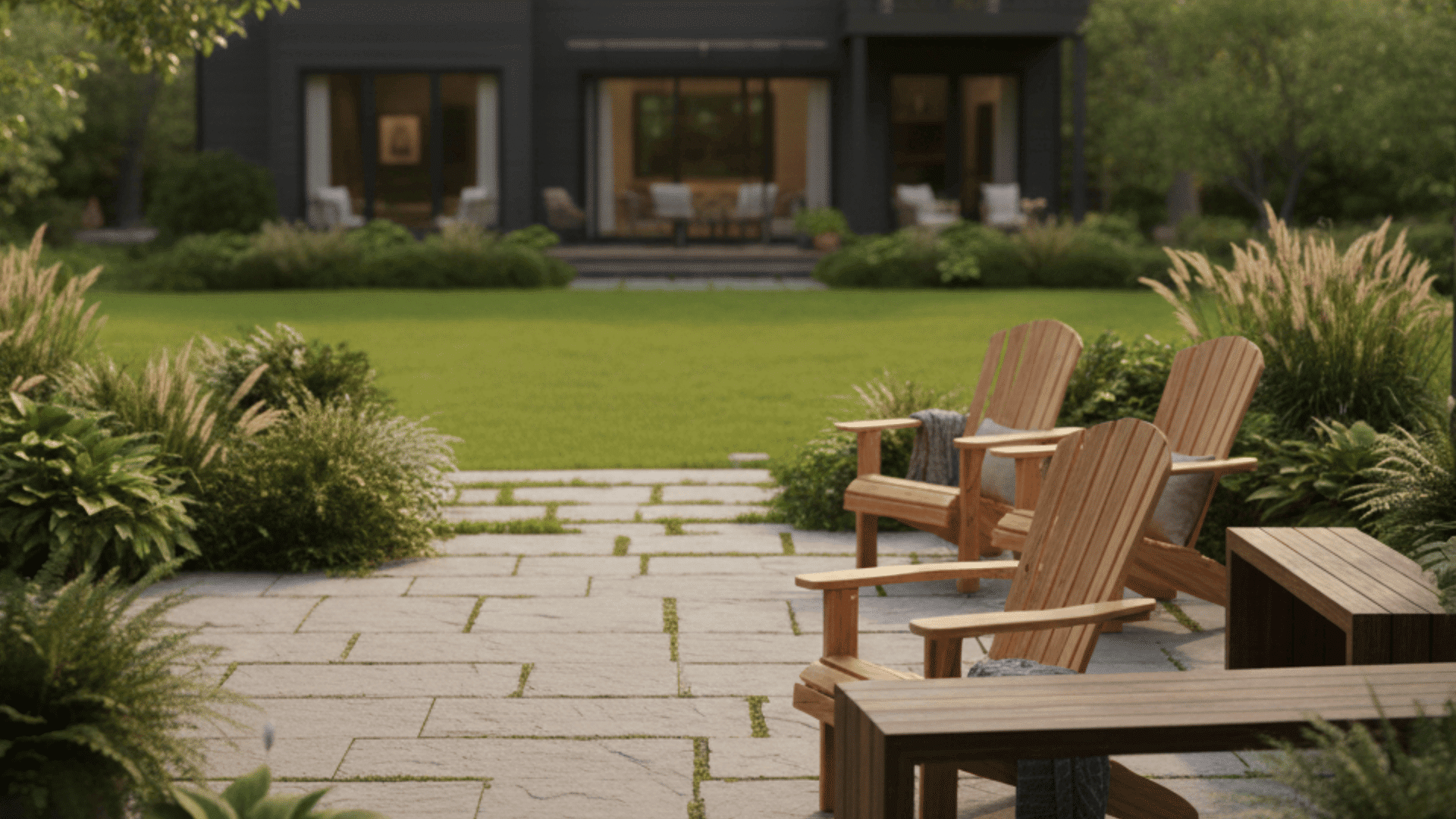

When it comes to outdoor furniture, the wood you choose quietly decides how long your pieces will last. Some woods shrug off rain, sun, and insects thanks to their natural oils.
Others soak up moisture, swell, crack, and start to fall apart after just a few seasons. Density, grain, and even where the tree grew all play a role in how well a board behaves once it lives outside full-time.
So let’s go through the best wood options for outdoor furniture, why they perform differently, and where each one shines or struggles.
You’ll see clear pros and cons, get a feel for how much maintenance each wood really needs, and learn how to pick the right species for your climate, budget, and project so your next outdoor piece actually goes the distance.
What Makes Any Wood the Best for Outdoor Furniture?
Before we jump into specific species, it helps to know what actually makes one wood better than another outside.
That way, the list of woods isn’t just random names; you’ll understand why they behave differently and which traits matter for your situation.
Natural resistance to rot and insects: Woods with natural oils or extractives (like teak or cedar) hold up far better in damp, bug-heavy environments than standard construction lumber.
Stability in changing weather: Good outdoor woods move less when they get wet, dry out, and heat up. Less swelling and shrinking mean fewer cracks, splits, and loose joints.
Hardness and strength: Dense woods resist dents, wear, and sagging, which is great for high-use pieces. Softer woods are easier to work with but mark more easily.
Maintenance needs: Some woods can weather to gray with minimal fuss; others really need regular oiling or sealing if you care about looks.
Cost, availability, and sustainability: A “perfect” wood that’s too expensive, hard to find, or questionably sourced isn’t perfect in real life. The best choice balances performance with what you can actually buy and feel good about using.
Best Woods for Outdoor Furniture
There’s no single “perfect” wood for every backyard, but there are clear front-runners that handle weather, wear, and time better than others.
1. Teak

Teak is the classic king of outdoor furniture woods. Its high natural oil content and dense grain make it exceptionally resistant to moisture, rot, and insects, which is why you see it on boats and luxury patio sets.
Pros
- Outstanding rot, insect, and weather resistance
- Very stable in changing temperatures and humidity
- Can be left unfinished to gray naturally
Cons
- One of the most expensive options
- Heavier than many alternatives
- Ethical sourcing matters, so look for certified suppliers
Best for: High-end dining sets, loungers, and heirloom pieces you want to keep for decades
2. Ipe (Brazilian Walnut)

Ipe is an ultra-dense tropical hardwood often used for decking. Its hardness gives it exceptional wear resistance, very high strength, and excellent decay resistance, which is ideal for harsh climates.
The trade-off is weight and workability, since it is tough on tools and slow to machine.
Pros
- Extremely durable and abrasion-resistant
- Naturally resists rot, insects, and moisture
- Long service life with minimal movement
Cons
- Difficult to cut, drill, and sand
- Very heavy, not ideal for furniture you move often
- It can be costly and is usually imported
Best for: Benches, fixed seating, and high-traffic or commercial outdoor furniture
3. White Oak

White oak is a domestic hardwood famous in boatbuilding and barrel making because its pores plug and resist water.
For outdoor furniture, it offers a strong mix of toughness, rot resistance, and availability, especially if you like a classic, slightly rustic look with visible grain.
Pros
- Naturally, it is more decay-resistant than red oak
- Strong, tough, and widely available
- Takes stain and clear finishes nicely
Cons
- Heavier and harder than softwoods such as cedar
- Benefits from regular sealing to prevent cracking
- Not quite as low maintenance as teak
Best for: Outdoor dining tables, benches, and sturdy chairs with a timeless feel
4. Western Red Cedar

Western red cedar is a lightweight softwood rich in compounds that discourage rot and insects. It is easy to work, smells great, and stays cooler to the touch in full sun than many dense hardwoods. The downside is softness, so dents and scratches are part of the package.
Pros
- Naturally decay and insect-resistant
- Lightweight and ideal for DIY builds
- Stays relatively cool in hot sun
Cons
- Soft, so dents and scratches are common
- Needs regular stain or sealer to look its best
- Not as long-lived as the densest hardwoods
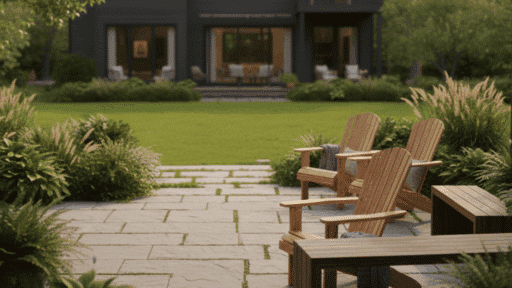
Best for: Adirondack chairs, casual seating, and DIY projects where weight matters
5. Redwood

Redwood has long been used for decks, furniture, and garden structures thanks to natural oils and tannins that resist moisture, insects, and decay.
It machines easily and offers a rich color, especially when you protect it with a UV-blocking finish to slow fading and graying.
Pros
- Very good natural rot and insect resistance
- Attractive color and grain
- Easy to cut, shape, and sand
Cons
- Regional availability can be pricey away from source areas
- Color fades without UV protection
- Sustainability concerns with some sources
Best for: Benches, tables, and accent pieces where responsibly harvested redwood is available
6. Cypress

Cypress contains a natural preservative oil called cypressene that gives it solid resistance to decay and insects. It is commonly used in humid, coastal areas for exterior trim, siding, and furniture.
It is lighter than many hardwoods and fairly easy to work, which makes it a comfortable middle ground.
Pros
- Naturally resistant to rot and insects
- Reasonably stable and easy to machine
- Often more affordable than premium hardwoods
Cons
- Quality varies between older and younger growth
- Needs finishing for best appearance and longevity
- Softer than teak or ipe, so more prone to dents
Best for: Outdoor chairs, benches, and tables in humid or coastal climates
7. Acacia

Acacia is a dense, fast-growing hardwood often sold as a budget-friendly teak alternative. It has decent natural resistance to rot and insects and a warm, attractive grain, but it is less stable than teak and really benefits from regular sealing, especially in intense sun or exposed spots.
Pros
- Good durability for the price
- Warm color and appealing grain patterns
- More affordable and often more sustainable than many exotics
Cons
- Needs frequent sealing or oiling to avoid checking and fading
- Can warp or crack if neglected or poorly stored
- Performs best in covered or partially sheltered spaces
Best for: Patio sets on covered decks or porches if you are happy to maintain them yearly
8. Eucalyptus

Eucalyptus is a plantation grown hardwood used as a mid-priced outdoor option. Its natural oils provide reasonable decay and insect resistance, and it is dense and strong enough for everyday use.
Pros
- Good natural durability and strength
- Often sourced from managed plantations
- Typically cheaper than teak and ipe
Cons
- Requires regular sealing or staining to stay stable and attractive
- Can move more in extreme climates
- Finish tends to weather faster if fully exposed all year
Best for: Outdoor dining sets and seating that can be covered or stored in the off-season
9. Mahogany (Outdoor Suitable Species)

Not every board sold as mahogany is appropriate outside, but true exterior suitable mahogany species offer a nice mix of appearance, workability, and durability. They have fine, attractive grain and moderate rot resistance.
Pros
- Rich, classic appearance with fine grain
- Reasonably stable and easy to machine
- Often cheaper than teak and ipe
Cons
- Big variation between species labeled mahogany
- Needs regular finish maintenance outdoors
- Some sources raise sustainability concerns
Best for: Refined outdoor pieces such as dining sets, loungers, and accent tables
10. Black Locust

Black locust is a tough, very durable domestic hardwood with rot resistance that rivals many tropical species. Traditionally used for fence posts, decking, and outdoor structures, it is an excellent option for rugged furniture that can last decades without chemical treatment.
Pros
- Exceptional decay and insect resistance
- Very strong and long-lasting outdoors
- Sustainable domestic alternative to tropical hardwoods
Cons
- Not always easy to find in furniture-friendly sizes
- Hard and somewhat challenging to work with
- Grain and appearance can feel rustic to some
Best for: Heavy-duty benches, picnic tables, and farm or park-style furniture
11. Pressure Treated Pine

Pressure-treated pine is a softwood that has been impregnated with preservatives to resist rot, insects, and moisture.
It is widely available and inexpensive, which makes it popular for DIY outdoor projects. With careful design and finishing, it can perform well, but it will never feel as refined as naturally durable species.
Pros
- Very affordable and easy to source
- Treated to resist decay and insects
- Simple to cut, screw, and build with
Cons
- Must be sealed or painted and maintained
- Can warp, crack, or twist as it dries
- Chemical treatment requires safe handling and disposal
Best for: Budget friendly benches, picnic tables, and built in seating where practicality is the priority
Best Wood Types by Priority
If you just want a fast answer, this table pairs common real-world priorities with a wood that fits them well. Use it as a shortcut to narrow your options before you dive into the full list of species.
| Wood Type | Priority / Best For | Why It Fits That Priority |
|---|---|---|
| Ipe | Maximum lifespan & weather resistance | Ultra-dense, highly rot- and insect-resistant, handles harsh climates for decades. |
| Teak | Low-maintenance, classic outdoor look | Naturally oily and stable, it weathers gracefully and needs minimal upkeep if you like it gray.1 |
| Pressure-Treated Pine | Most budget-friendly for big projects | Inexpensive, widely available, treated to resist decay—great for large builds on a budget. |
| White Oak | Best mid-range balance of strength and cost | Strong domestic hardwood with good rot resistance and a classic look at a reasonable cost. |
| Western Red Cedar | Lightweight and easy for DIY builds | Light, easy to cut and assemble, naturally decay-resistant, gentle on tools. |
| Black Locust | Eco-friendly, ultra-durable domestic option | Exceptionally rot-resistant, very strong, and can replace tropical hardwoods sustainably. |
How to Protect Outdoor Wood Furniture
Even the most durable outdoor wood still needs some help to stand up to sun, rain, and temperature swings.
A few simple protection habits can dramatically extend how long your furniture stays strong, comfortable, and good-looking.
1. Choose the Right Finish
Choosing the right finish is the biggest favor you can do for outdoor wood. Use a quality exterior oil, stain, or marine varnish designed for UV and moisture.
Oils suit dense hardwoods; tinted stains and sealers are great for cedar, redwood, pine, and cypress outside.
2. Prep the Wood Properly
Proper prep lets any finish actually do its job. Let the wood dry, sand smooth, and ease sharp edges so coatings do not peel off.
Vacuum or wipe away dust before finishing so oils, stains, or varnish can soak in and bond cleanly to fibers.
3. Keep Water Moving, Not Sitting
Water is the enemy, so design and place furniture to let it escape quickly. Keep legs off bare soil, add glides or feet, and slope flat surfaces slightly.
Leave narrow gaps between slats so rain drains away, and air keeps everything drier for much longer.
4. Make Maintenance Light and Regular
Regular light care is far easier than major rescue work. Once or twice a year, wash pieces with mild soapy water and let them dry.
Refresh oil or stain where water no longer beads, and use breathable covers or winter storage whenever possible for longevity.
Final Thoughts
Choosing the best wood for outdoor furniture is really about matching the material to your weather, your budget, and how much care you are comfortable giving it.
Now you know which species last longest, which ones are easier to work with, and how to protect them so they age well.
From here, pick the climate group you fall into, decide how often you will realistically maintain your furniture, then shortlist two or three woods that match.
Once you compare prices and availability locally, you will be ready to start your next outdoor project with confidence.

Tommy Hardy, an alumnus of the Georgia Institute of Technology with a degree in Mechanical Engineering, has been a go-to figure in residential upkeep and innovation for over 18 years. His career commenced in a leading home appliance manufacturing company, where he mastered the intricacies of household systems. Joining our platform in 2020, Tommy quickly became a reader favorite for his practical and easy-to-follow guides. He took the helm of our DIY section in 2019, consistently delivering content that empowers homeowners. Beyond his professional pursuits, Tommy is a passionate gardener and enjoys woodworking, skills enhancing his hands-on approach to home care.