
Building a house without a general contractor is allowed in many places, but it comes with clear rules and responsibilities.
Choosing this path means taking control of planning, budgeting, permits, and construction decisions from start to finish.
Every stage matters, from buying the land to passing final inspections.
Local building codes, licensed professionals, and approval timelines all play a role in how smoothly the project moves forward. Without preparation, delays and added costs can happen.
This blog explains the process, building options, and common challenges involved in the independent home building process.
Can I Build My Own House?
A lot of people question the same, and after researching, here is my take on this:
Yes, in many places, building a house without a general contractor is allowed.
This concept is known as being an owner-builder. The person who owns the land also manages the construction.
Local rules, permits, and inspections still apply.
Even though a contractor license is not always required, the owner-builder is responsible for the entire project.
This includes hiring workers, following building codes, passing inspections, and staying within budget.
Some work, like electrical, plumbing, and HVAC, often must be done by licensed professionals.
These rules help keep the home safe and up to code. Before starting, local building offices should be checked to confirm what is allowed.
Building a home independently takes time and planning, but it is possible when the process is followed step by step.
Pros and Cons of Building Your Own House
Building a house independently gives more control over design and cost decisions, but it also brings added responsibility.
The table below outlines the main advantages and drawbacks to help set clear expectations before starting.
| Pros | Cons |
|---|---|
| Full control over home design and layout | Full responsibility for permits and inspections |
| Possible savings by managing the build | Requires strong time management |
| Choice of new materials and systems | Financing options may be limited |
| Fewer repairs in early years | The budget can change due to price increases |
| Home meets current building codes | Certain work must use licensed professionals |
| Clear understanding of how the house is built | Mistakes can cause delays or extra costs |
Ways to Build a House Yourself
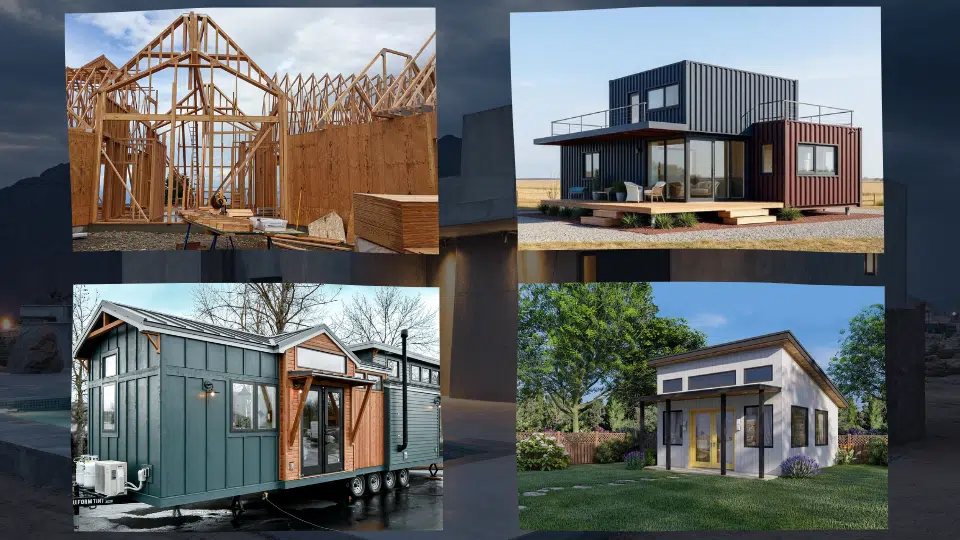
Building a house does not always mean starting from raw land and doing every task alone.
Many people choose to build methods that reduce cost, labor, or complexity while still allowing personal involvement.
These approaches focus on limiting heavy construction work and using simpler structures that are easier to manage.
Below are the most common ways people build a house themselves.
1. Shell Homes
A shell home is a house where the main structure is built by a contractor.
This usually includes the foundation, framing, and exterior walls. Once the shell is complete, the owner finishes the interior work.
This method lowers risk because major structural work is already done.
The owner can focus on flooring, cabinets, fixtures, and finishes while still following permit and inspection rules.
2. Container Homes
Container homes are built using shipping containers as the main structure.
The containers form the walls and frame of the house. They are modified with insulation, doors, windows, and interior finishes.
This option is often chosen for smaller homes or budget-focused builds. Local zoning and building codes must allow this type of construction before moving forward.
3. Tiny Homes
Tiny homes are smaller houses with a simple layout and reduced square footage.
They may be built on a permanent foundation or placed on a trailer.
Because of their size, tiny homes require fewer materials and less labor.
However, rules for tiny homes vary, especially when they are built on wheels or outside city limits.
4. Home Kits
Home kits are pre-designed packages that include building materials and plans. The materials are delivered to the site and assembled during construction.
Some kits include only the structure, while others include more components.
Foundations, utilities, and inspections are still required. This option can shorten build time but requires careful review of what the kit includes.
Also read: What Every Florida Homeowner Should Know About Living Trusts
How to Build a Home as an Owner-Builder?
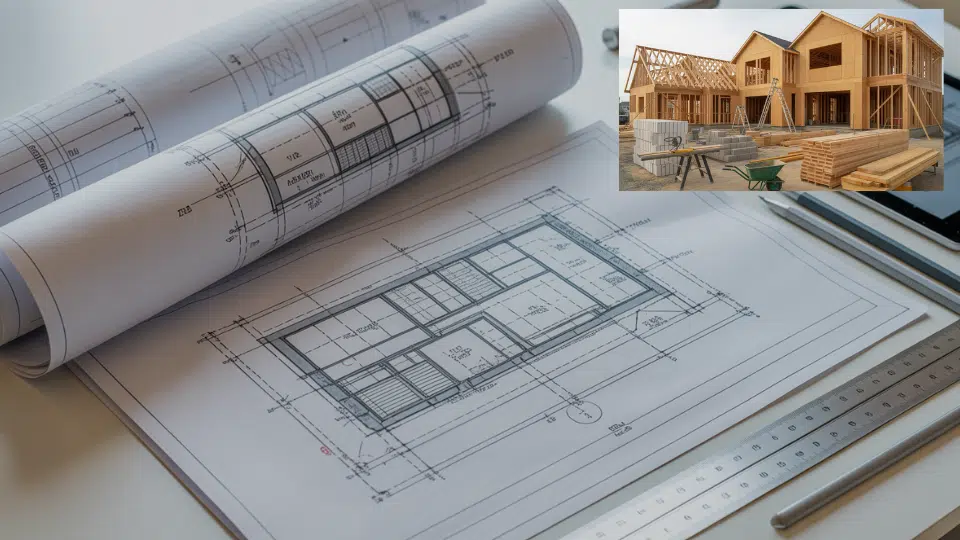
Building a home as an owner-builder follows a structured process, even without a traditional contractor.
Each stage, from securing land to final approval, plays a direct role in how smoothly the project moves forward.
The steps below explain how to build a home with clarity, planning, and proper coordination.
Step 1: Secure the Lot and Allow Time for Approvals
The process starts by identifying a buildable lot and placing it under contract.
Contract terms should allow enough time to complete architectural plans and obtain permits.
Approval timelines vary significantly by location.
Some areas issue permits quickly, while others require months of review.
Locking the property under contract early prevents losing the lot while designs and approvals are in progress.
Key considerations at this stage include zoning rules, utility access, drainage requirements, and local building restrictions.
Without these checks, construction may be delayed or denied later.
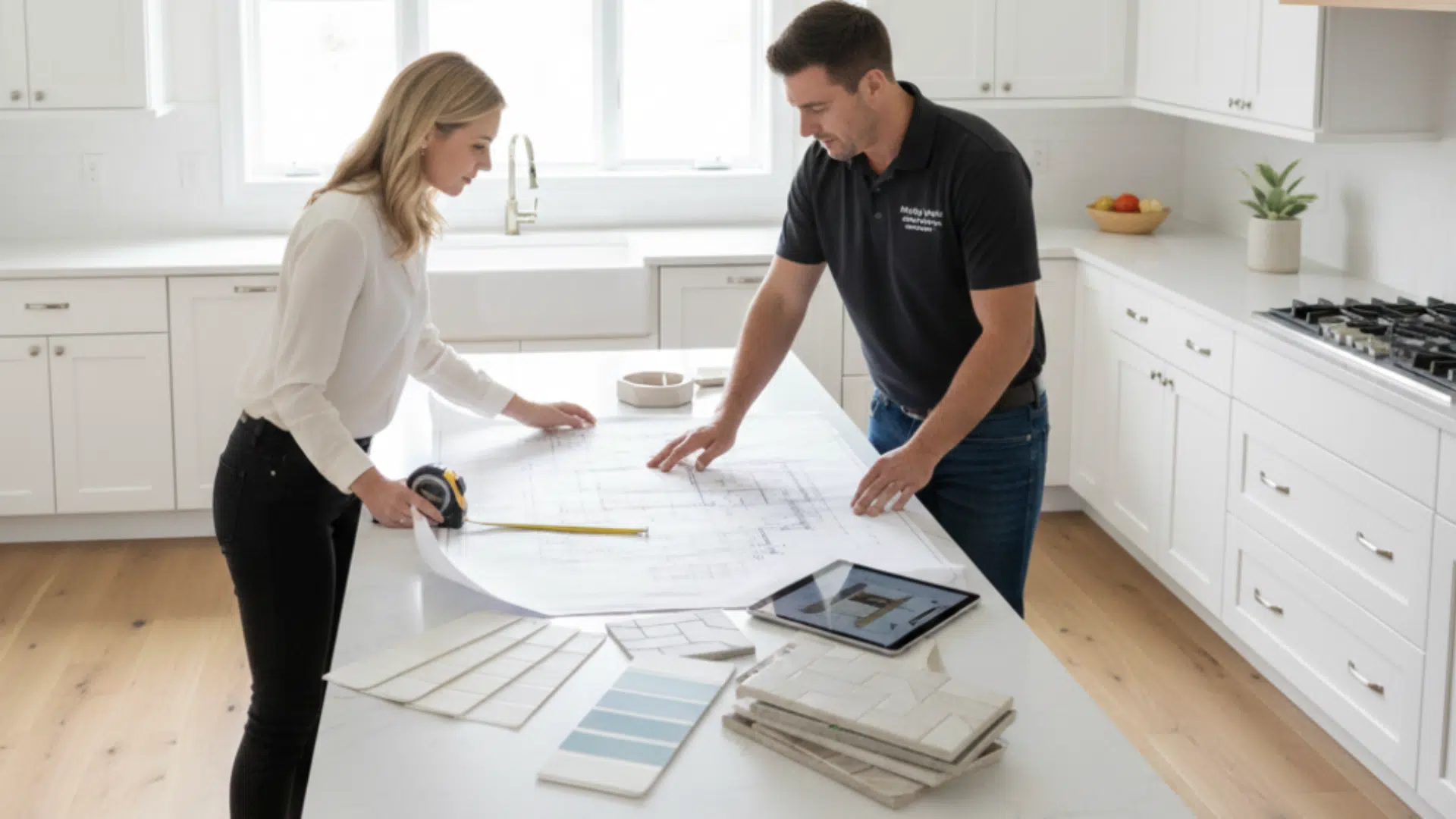
Step 2: Design the House and Build a Detailed Budget
Once the lot is secured, the next step is working with an architect to define the home’s size, layout, and overall structure.
Design decisions at this stage directly affect construction cost, permitting, and financing approval.
After plans are completed, they are sent to subcontractors for pricing. Multiple bids per trade allow for cost comparison and accurate budgeting.
These bids are combined into a line-item budget that details every major construction cost, from foundation work to final finishes.
This budget becomes the financial blueprint for the project.
Step 3: Submit Plans and Budget for Construction Financing
With finalized plans and a detailed budget, documentation is submitted to the lender.
Owner-builder projects typically use a construction-to-permanent loan. During construction, the loan operates as an interest-only product.
After completion, it converts into a standard long-term mortgage.
The lender reviews the project scope, budget accuracy, and feasibility before approval.
This step determines how much can be borrowed and confirms that the project aligns with lending requirements.
Step 4: Close on the Land and Obtain Permits
After loan approval, the purchase of the land is finalized. Permits must be issued before construction begins.
Permit requirements vary by jurisdiction and may include structural, mechanical, electrical, and environmental reviews.
In some areas, permits can be approved quickly. In others, review periods can be lengthy.
Construction should not begin until all required approvals are in hand, as starting work without permits can lead to fines or forced corrections.
Step 5: Build the Structure and Weather-Seal the Home
Construction begins with surveying and excavation.
Surveyors mark foundation locations, and excavators prepare the site by removing unsuitable soil.
Foundation forms are set, concrete is poured, and drainage systems are installed before backfilling the site.
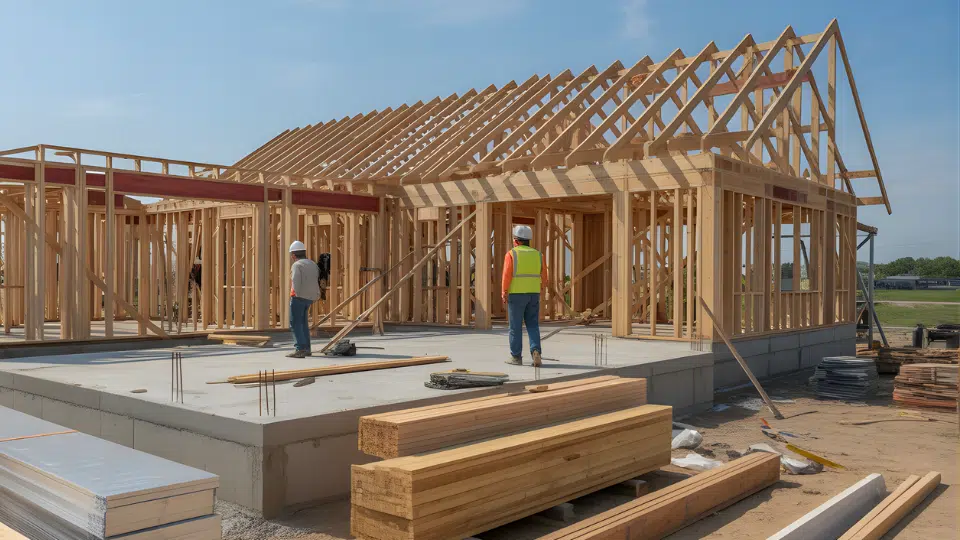
Once the foundation is complete, framing begins. Lumber is delivered in stages, and the framing crew builds floors, walls, and the roof structure.
After framing, windows, siding, roofing, and gutters are installed. At this point, the home is structurally complete and protected from the weather.
Step 6: Complete Interior Systems and Finishes
Interior work starts with mechanical systems installed in sequence.
HVAC is installed first due to size, followed by plumbing and electrical systems. These systems are inspected before walls are closed.
After passing inspections, insulation is added to regulate temperature and efficiency.
Drywall is then installed, taped, and finished.
Interior finishes follow in a structured order, including cabinets, flooring, trim, countertops, painting, and final mechanical fixtures.
Each step builds toward a fully functional interior.
Step 7: Final Inspections, Occupancy Approval, and Loan Conversion
Exterior flatwork, such as driveways and patios, is completed, followed by landscaping and fencing.
Final inspections confirm that construction matches approved plans and meets safety standards.
Once approved, a certificate of occupancy is issued, allowing the home to be legally occupied.
The lender reappraises the completed property, verifies the build, and converts the construction loan into a permanent mortgage.
The DIY House project concludes with move-in readiness.
See these steps in motion. Here is the video by Arthur Ryapolov, and thanks for sharing this insightful video that made a key reference for curating this section.
Common Challenges Owner-Builders Should Expect
Building a home without a general contractor can save money, but it also brings challenges. Planning for these early helps avoid stress later.
1. Time management: Owner-builders must schedule subcontractors, inspections, and material deliveries.
If one task is delayed, the rest of the project can slow down. Missed timelines can increase costs.
2. Paperwork and approvals: Permits, inspection reports, and lender documents must stay organized.
Missing forms or late submissions can pause construction until issues are resolved.
3. Cost control: Labor and material prices can change during the build. Without a detailed budget and extra funds, expenses can rise quickly.
4. Finding reliable subcontractors: Not all subcontractors are available when needed. Some may cancel or run late. Having backup options helps avoid work stoppages.
5. Inspection delays: Inspections must happen at certain stages. If an inspection fails or is delayed, work cannot move forward until it is approved.
The Bottom Line
Building a home as an owner-builder requires patience, organization, and steady decision-making.
It is not an easy path, but it can work when each step is handled carefully. Knowing what to expect helps avoid surprises during construction.
Local rules, proper permits, and licensed professionals still play a key role.
When these requirements are followed, the process becomes more manageable.
For those willing to stay involved and plan ahead, owner-building can be a realistic way to move from land to a finished home with confidence.
Drop a comment if you want help with any step of the building process.

Holding a Master’s in Construction Management from Purdue University, William Ray has dedicated more than two decades to studying and applying construction principles. His professional journey includes a tenure with a prominent construction firm, where he specialized in project management and building technologies. William brought his knowledge to our team, providing in-depth insights into practical construction techniques. As the leader of our beginner’s guide to building since 2019, he has a knack for breaking down intricate processes into easily digestible content. When not involved in writing or onsite consultations, William enjoys woodworking and volunteering in community building projects, which aligns with his passion for hands-on construction and community service.