
Urban and suburban neighborhoods bring energy, convenience, and connection, yet constant noise often challenges daily comfort. Traffic hums, neighbors gather, and construction schedules rarely pause. A quieter home supports rest, focus, and overall well-being without sacrificing location. Sound control does not require isolation or extreme renovations.
Smart choices, thoughtful materials, and consistent habits steadily lower unwanted noise. Every room benefits from small improvements that work together as a system. From structural upgrades to lifestyle adjustments, practical strategies exist for every budget. Understanding sound behavior inside a house helps create calm spaces that feel welcoming, balanced, and genuinely livable.
1. Understanding How Noise Travels Indoors
Noise enters homes through vibration, air gaps, and direct contact with surfaces. Hard materials reflect sound, while soft textures absorb energy and soften impact. Floors, walls, ceilings, and doors influence how noise moves between rooms. Low-frequency sounds travel farther and feel harder to control than sharp, high tones. Identifying dominant noise sources clarifies priorities and prevents wasted effort.
Exterior noise demands different solutions than household activity. Careful listening during various times of day reveals patterns and weak points. This awareness guides effective decisions and builds realistic expectations for quieter living. Planning improves comfort and reduces stress consistently over time.
2. Choosing Windows That Reduce Outside Disruptions
Windows play a major role in blocking street noise and neighborhood activity. Older panes leak sound through thin glass and worn frames. Modern designs use layered glass, tight seals, and insulated frames to limit vibration. Working with a reliable window company helps homeowners select options that match climate, style, and noise concerns. Double or triple glazing lowers sound transfer without darkening rooms.
Proper installation matters as much as materials. Even small gaps invite noise. Quality windows create noticeable calm and improve energy efficiency at the same time. Maintenance keeps performance strong and extends lifespan for years with minimal effort overall.
3. Improving Walls, Floors, and Ceilings Strategically
Walls, floors, and ceilings shape how sound behaves inside a home. Dense materials block noise, while layered systems disrupt vibration paths. Adding drywall layers, resilient channels, or acoustic panels increases mass and absorption. Area rugs, cork flooring, and padded underlays soften footsteps and reduce echo. Ceiling treatments help in multi-level houses where noise travels vertically.
Furniture placement also affects acoustics by breaking sound paths. Strategic upgrades focus on shared walls and high-traffic zones. Balanced solutions preserve aesthetics while delivering noticeable quiet across living spaces. Planning upgrades together prevents uneven results and saves money long term for homeowners everywhere.
4. Managing Doors, Seals, and Hidden Sound Leaks
Doors and seals often allow noise to slip through unnoticed. Hollow-core doors transmit sound easily, especially near busy hallways. Solid-core replacements reduce transfer and feel sturdier. Weatherstripping around frames blocks gaps that invite traffic noise and voices. Door sweeps stop sound from traveling under thresholds. Electrical outlets, vents, and recessed fixtures also create hidden paths.
Sealing these openings with appropriate materials delivers quick improvement. Attention to detail prevents sound from undermining larger upgrades. Small fixes combine to create a calmer, more controlled indoor environment. Regular inspections catch wear early and maintain long-term performance through seasons changing daily without added stress.
5. Using Interior Design to Soften Everyday Noise
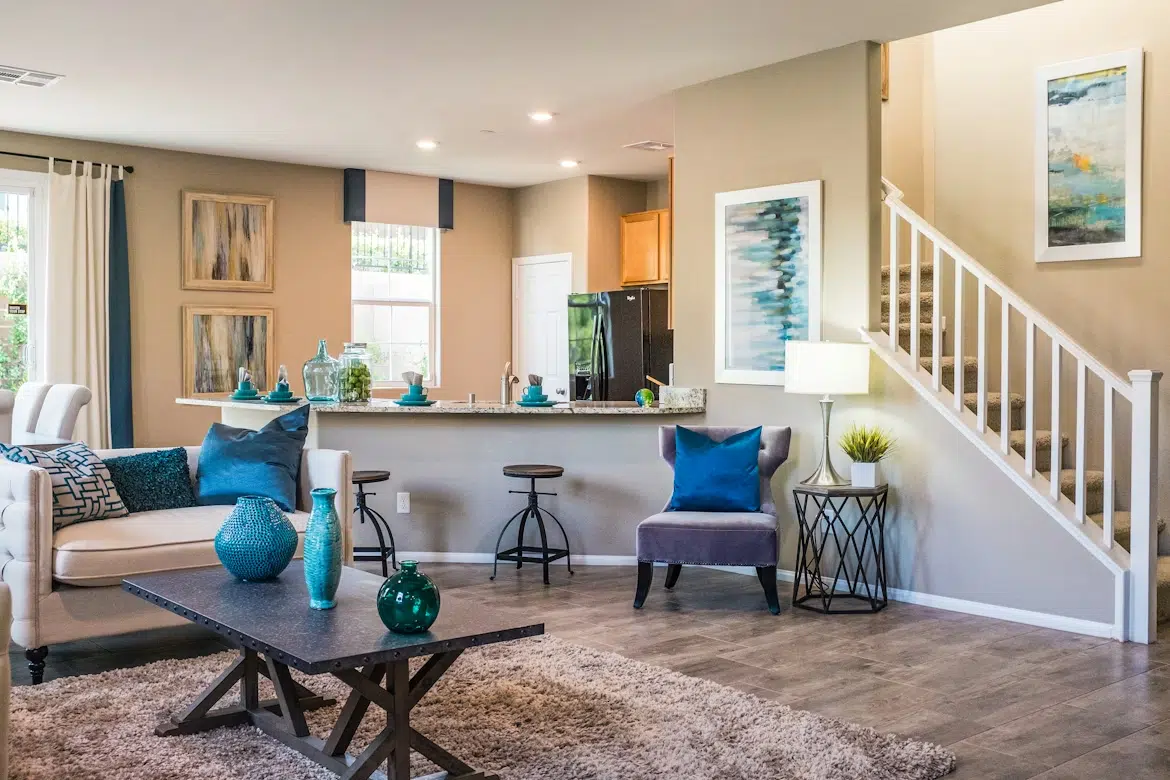
Interior design choices influence sound comfort more than many expect. Soft furnishings absorb noise and reduce harsh reflections. Curtains, upholstered furniture, and fabric wall art contribute to a quieter feel. Bookshelves filled with uneven objects scatter sound waves effectively. Plants also help by breaking up sound paths while improving mood. Layout decisions matter, especially in open plans.
Separating loud activities from quiet zones supports relaxation. Thoughtful design blends function and style without calling attention to noise control. A well-designed room sounds as good as it looks. Consistency across rooms enhances comfort throughout the entire home for families and guests.
6. Controlling Noise Through Smart Furniture Placement
Furniture placement affects how sound moves and settles inside a home. Large items like sofas, wardrobes, and bookcases absorb and block noise when positioned thoughtfully. Placing bulky furniture against shared walls reduces sound transfer between homes.
Avoiding wide open paths for sound helps rooms feel calmer. Soft furnishings prevent echo and sharp reflections. Rearranging existing furniture often delivers improvement without cost. Strategic placement supports privacy and comfort while keeping spaces functional. Sound-aware layouts work especially well in apartments and townhouses where shared walls amplify daily noise patterns.
7. Using White Noise and Sound Masking Effectively
Sound masking reduces the impact of unpredictable noise by adding a consistent background sound. White noise machines, fans, or low-volume music soften sudden disruptions like traffic or voices. Consistent sound feels less intrusive than irregular noise. Bedrooms and home offices benefit the most from this approach. Natural sound options, such as rainfall or wind, create a calming atmosphere.
Volume control remains essential to avoid irritation. Sound masking does not eliminate noise but helps the mind ignore it. Used thoughtfully, it supports focus, sleep, and relaxation in busy environments.
8. Creating Quiet Zones for Rest and Focus
Designating quiet zones helps balance activity and rest. Bedrooms, reading areas, and workspaces benefit from extra sound control. Locating these spaces away from streets and shared walls reduces noise exposure. Soft lighting, rugs, and wall coverings reinforce calm.
Limiting electronics and hard surfaces prevents sound buildup. Clear household routines protect these zones from disruption. Quiet zones do not require silence, only consistency. Purpose-driven spaces support better sleep, concentration, and mental clarity. Over time, these areas become reliable retreats from daily noise without major structural changes.
A quieter home transforms daily life by improving rest, focus, and emotional well-being. Busy surroundings do not require constant compromise when smart strategies guide decisions. Structural upgrades, design choices, and daily habits work together to reduce noise effectively.
Each improvement adds value and comfort over time. Consistency matters more than scale. Even small changes create noticeable relief. With thoughtful planning and realistic goals, any home can feel calmer and more welcoming, regardless of location. A peaceful living environment supports healthier routines and a better quality of life overall.

With a Master in Architectural Studies from University of Pennysylvania, Marwa Haydar has pioneered living spaces since 2005. Her expertise, initially honed in a prestigious architectural firm, is evident in her approach to creating environments. Marwa became part of our team in 2019 and has since been a driving force in our home improvement section, known for her practical yet stylish solutions. She’s been spearheading our design workshops since then, infusing her passion for teaching into her work. In her leisure time, Marwa enjoys exploring historic architecture and is an enthusiastic pottery hobbyist, further enriching her understanding of form and texture.