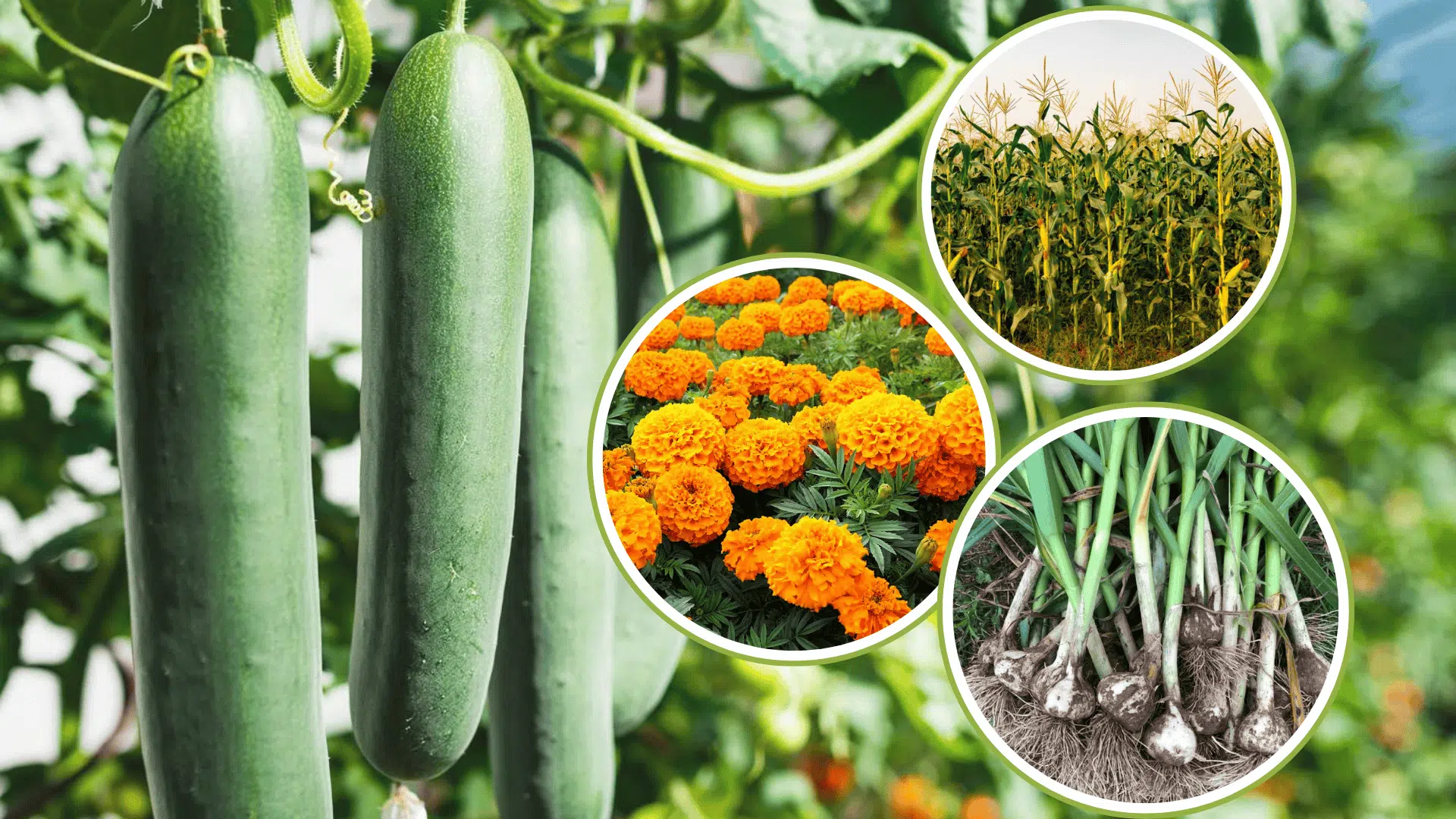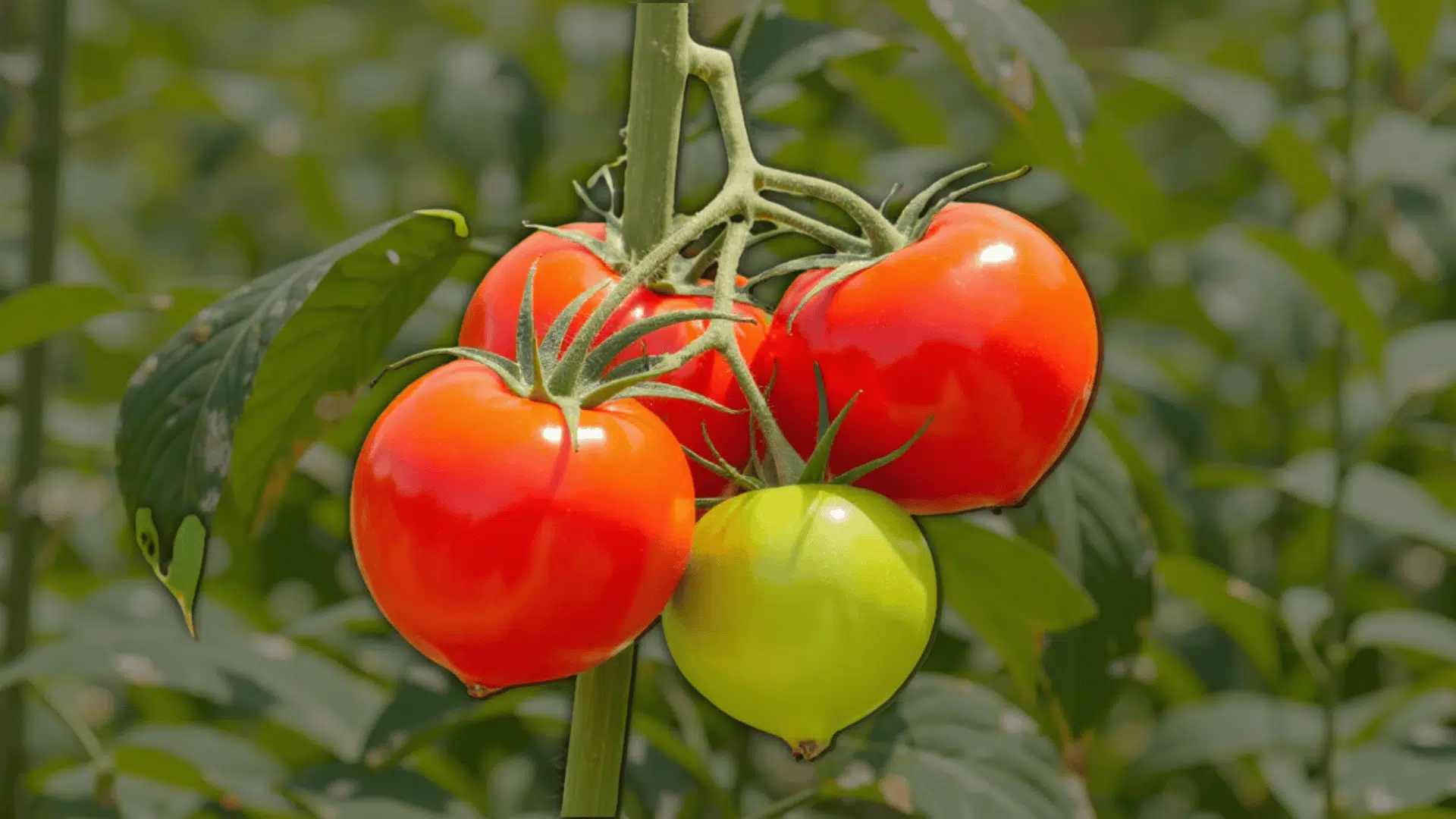
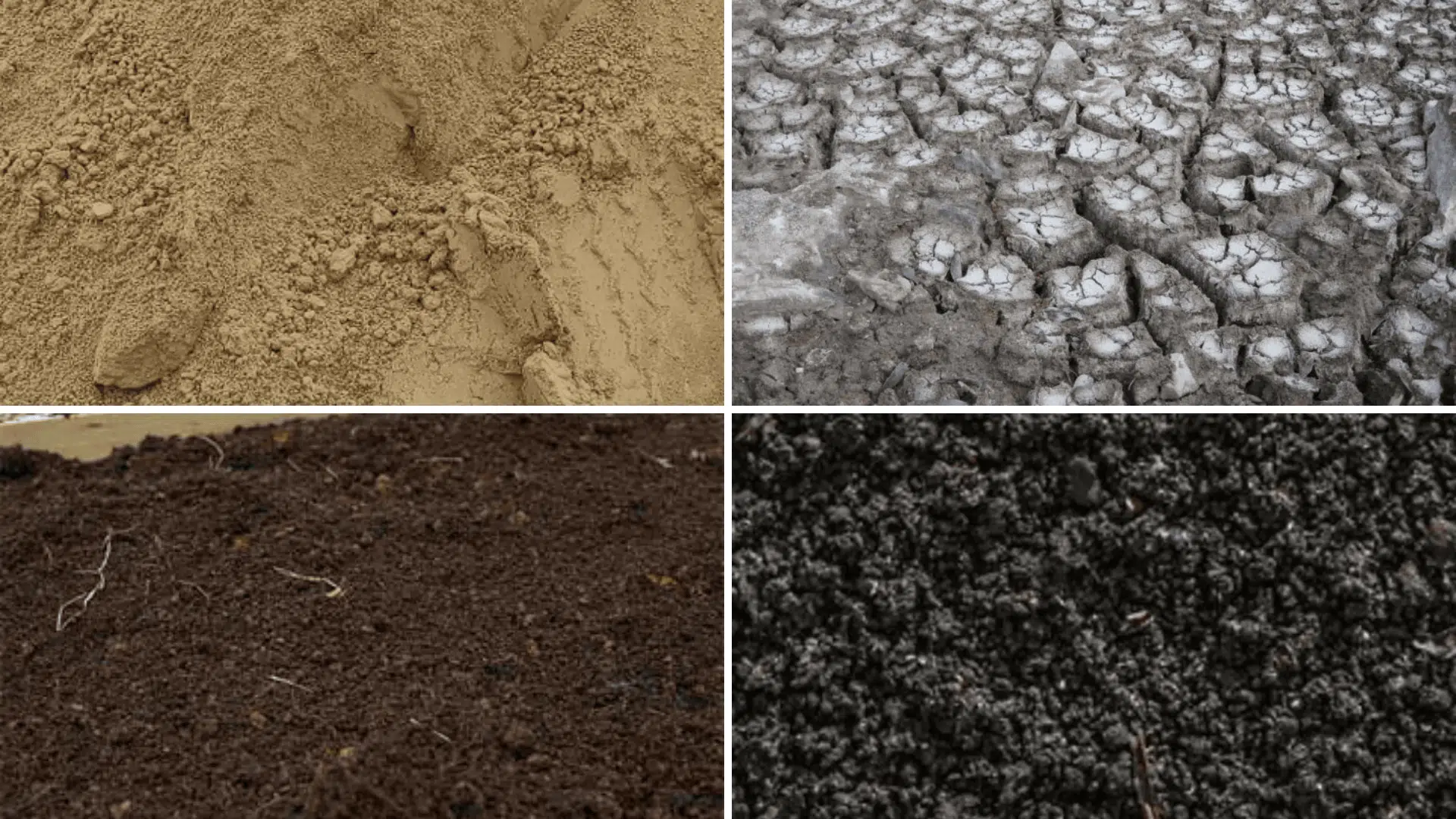

Soil may look simple on the surface, but it quietly shapes how plants grow, how water moves, and how land stays productive over time.
Beneath every garden, field, or landscape lies a mix of particles and properties that influence results in powerful ways.
The different types of soil determine whether roots spread easily, nutrients remain available, or moisture drains too fast or too slowly.
From coarse and fast-draining ground to dense, moisture-holding layers, each soil type behaves in its own way. Knowing how these soils differ helps make better decisions for planting, land care, and long-term soil health.
What is Soil?
Soil is the top layer of the Earth’s surface where plants grow. It is made up of small rock particles, organic matter, water, air, and living organisms.
Soil supports plant roots by holding moisture and nutrients needed for growth.
It also helps regulate water movement and plays a role in natural recycling processes.
Different soil types vary in texture, color, and fertility, which affects how well plants grow, mainly including Sandy, Silty, Clay, and Loamy.
Healthy soil supports agriculture, gardening, and natural ecosystems by maintaining a balance between air, water, and nutrients.
Related Read: Does Potting Soil Go Bad?
Different Types of Soil

Soil types are categorized by particle size, structure, water movement, and chemical makeup. Each reacts differently to water, nutrients, and roots.
The following sections list the main soil types and explain their characteristics in a clear and practical way:
1. Sandy Soil
Sandy soil contains large mineral particles that leave noticeable gaps between them.
This structure allows air, heat, and water to pass through quickly, which reduces the risk of standing moisture around roots. Water drains quickly, carrying nutrients away before plants can absorb them.
Sandy soil dries out faster than other soil types, especially in warm climates. It is easy to dig, lightweight, and rarely becomes compacted.
While it does not naturally hold nutrients well, adding organic matter can improve its ability to support plant growth. Sandy soil is commonly found in coastal regions and areas with low rainfall.
- Texture: Gritty and loose
- Drainage: Very fast
- pH Range: Slightly acidic to neutral
- Best for plants: Carrots, potatoes, lettuce, watermelon
2. Clay Soil
Clay soil is formed from extremely fine particles that bind closely together, creating a heavy and compact structure.
This composition helps clay soil retain moisture longer, even during dry weather. Rich in minerals, it can support plant growth when managed properly.
However, slow water movement often leads to poor airflow within the soil, making root development more difficult.
Clay soil feels sticky after rain and hard when dry, often cracking. Seasonal temperature shifts slow, delaying planting in cooler months.
- Texture: Smooth and dense
- Drainage: Slow
- pH Range: Slightly acidic to alkaline
- Best for plants: Sunflowers, roses, broccoli, cabbage
3. Silt Soil
Silt soil has a smooth texture created by particles that fall between sand and clay in size.
It holds moisture better than sandy soil while still allowing some drainage, which supports steady plant hydration.
This soil type is nutrient-rich and good for crops. Silt soil, deposited by rivers and floodplains, has improved fertility due to natural movement.
Despite its benefits, silt soil can lose structure when overwatered and become compacted.
Regular care maintains balance and prevents surface crusting that limits water absorption.
- Texture: Smooth and soft
- Drainage: Moderate
- pH Range: Neutral to slightly acidic
- Best for plants: Grass, leafy vegetables, fruit trees
4. Loamy Soil
Loamy soil combines sand, silt, and clay in balanced proportions, creating a structure that supports both moisture control and airflow.
It absorbs water efficiently while preventing excess buildup around roots.
The presence of organic material helps loamy soil maintain nutrient availability over time.
This soil type is easy to work with and supports consistent root growth across a wide range of plants.
Loamy soil adapts well to seasonal changes, resists compaction better than single-texture soils, and requires fewer adjustments. It’s commonly used in gardens, farms, and landscapes.
- Texture: Crumbly and balanced
- Drainage: Good
- pH Range: Slightly acidic to neutral
- Best for plants: Tomatoes, beans, herbs, flowering plants
5. Peaty Soil
Peaty soil forms in areas with high moisture and limited drainage, allowing organic matter to build up over time.
It has a dark appearance and feels spongy when wet. This soil type holds large amounts of water and nutrients, which can support certain plants well.
However, excess moisture may restrict oxygen movement to roots.
Peaty soil often requires drainage management and careful pH adjustment before regular planting.
- Texture: Soft and spongy
- Drainage: Slow
- pH Range: Acidic
- Best for plants: Blueberries, cranberries, ornamental shrubs
6. Chalky Soil
Chalky soil develops in areas with underlying limestone or chalk deposits, giving it a light color and stony structure.
This soil type allows water to pass through quickly, which reduces water buildup but also limits moisture availability for plants.
Its alkaline nature affects nutrient absorption, making it difficult for some plants to access essential minerals.
Chalky soil often feels dry and shallow, especially in warm weather.
Adding organic matter helps improve moisture retention and supports better nutrient balance for plant growth.
- Texture: Stony and dry
- Drainage: Fast
- pH Range: Alkaline
- Best for plants: Lavender, spinach, cabbage
7. Saline Soil
Saline soil contains a high concentration of soluble salts that build up due to low rainfall, poor drainage, or irrigation with mineral-rich water.
Excess salt interferes with water absorption in plant roots, which can slow growth and reduce yields.
This soil type often appears crusty on the surface and hardens as moisture evaporates.
Saline soil limits the range of plants that can grow successfully unless treated.
Proper drainage, soil flushing, and organic amendments help lower salt levels and improve usability.
- Texture: Crusty and compact
- Drainage: Poor to moderate
- pH Range: Neutral to alkaline
- Best for plants: Barley, cotton, salt-tolerant grasses
8. Alluvial Soil
Alluvial soil is formed by the deposition of fine particles carried by rivers and streams.
It is commonly found in floodplains and river valleys, where periodic water movement adds fresh minerals.
This soil type supports healthy root growth due to its balanced texture and natural fertility.
Alluvial soil retains moisture well while still allowing drainage, making it suitable for intensive cultivation. Its structure supports a wide range of crops with minimal soil adjustment.
- Texture: Fine and loose
- Drainage: Moderate
- pH Range: Neutral
- Best for plants: Rice, wheat, sugarcane, vegetables
9. Black Soil
Black soil is rich in mineral content and forms mainly from volcanic or basalt rock material.
It has a dark color due to high levels of organic compounds and holds moisture for long periods.
This soil type swells when wet and shrinks during dry conditions, often forming deep cracks on the surface.
Black soil supports steady plant growth during dry seasons because of its water-holding capacity. Careful water management helps prevent surface hardening after rainfall.
- Texture: Fine and heavy
- Drainage: Slow
- pH Range: Neutral to slightly alkaline
- Best for plants: Cotton, sorghum, oilseeds
10. Red Soil
Red soil develops from weathered crystalline and metamorphic rocks in warm climates.
Its reddish color comes from iron compounds present in the soil.
This soil type drains well but often lacks organic material, which limits natural fertility. Red soil responds well to soil conditioning and nutrient management.
It supports plant growth when moisture levels are maintained, especially in regions with seasonal rainfall patterns.
- Texture: Sandy to loamy
- Drainage: Good
- pH Range: Slightly acidic to neutral
- Best for plants: Groundnuts, millets, pulses
How to Identify Soil Type?
Identifying soil type shows how land handles water, nutrients, and root growth.
Simple checks like texture, drainage, and appearance provide enough insight for gardening, farming, and landscaping without laboratory testing.
Below are practical ways to identify soil type using simple observations:
| Texture Test | Water Absorption Test | Visual and Environmental Clues |
Take a small amount of moist soil and rub it between the fingers. Gritty soil indicates sand, smooth soil suggests silt, and sticky soil points to clay. | Pour water onto the soil surface and observe how quickly it absorbs. Fast absorption suggests sandy soil, while slow movement indicates clay-heavy soil. | Soil color, surface cracking, and plant growth patterns also help identify soil type. Dark soils often contain organic matter, while pale or stony soils suggest low fertility. |
How Soil Type Affects Plant Growth?
Soil type influences how plants absorb water, nutrients, and oxygen, directly affecting root development, growth rate, and overall plant health.
- Water Availability: Soil determines how long moisture stays near roots, affecting hydration and drought tolerance.
- Nutrient Access: Different soils hold and release nutrients at varying rates, impacting plant nourishment.
- Root Development: Soil structure controls how easily roots spread and anchor.
- Oxygen Supply: Drainage affects airflow in the soil, which supports healthy root function.
Final Thoughts
Soil influences plant growth, water movement, and nutrient balance in ways that are often overlooked.
The different types of soil vary in texture, drainage, and structure, which affects how roots grow and how the land stays productive over time.
Sandy, clay, silt, loamy, and other soils each respond differently to moisture and care. Knowing these differences helps with better planting choices and long-term soil management.
When soil conditions align with plant needs, growth becomes more consistent and reliable.
Every garden or field reflects its soil beneath the surface; share experiences or a favorite soil type in the comments below.

With a Master’s in Landscape Architecture from the University of Virginia, Sophia Stephenson has dedicated the last 20 years to creating and maintaining vibrant outdoor spaces. Her professional journey started in landscape design, where she gained a reputation for innovative and sustainable approaches. Sophia became a part of our editorial team as a freelancer in 2019, offering a fresh perspective on outdoor living. Since 2020, she has been the chief for our outdoor design content, blending aesthetic appeal with environmental stewardship. In her leisure time, Sophia is a keen photographer, capturing the beauty of natural landscapes, a hobby that complements her professional expertise.