
Indoor air often carries more than what is visible, from fine dust to everyday airborne particles that settle quietly over time.
When air quality becomes a concern, simple solutions tend to draw attention.
A DIY air purifier is one such option that many households consider for short-term or personal use.
Built using basic materials, it focuses on improving airflow and reducing certain particles without complex systems.
This content explains what a DIY air purifier is, how it functions, the materials involved, and how it is set up safely. It also covers practical limits and comparisons to help decide if this option fits specific indoor air needs.
What Is a DIY Air Purifier?
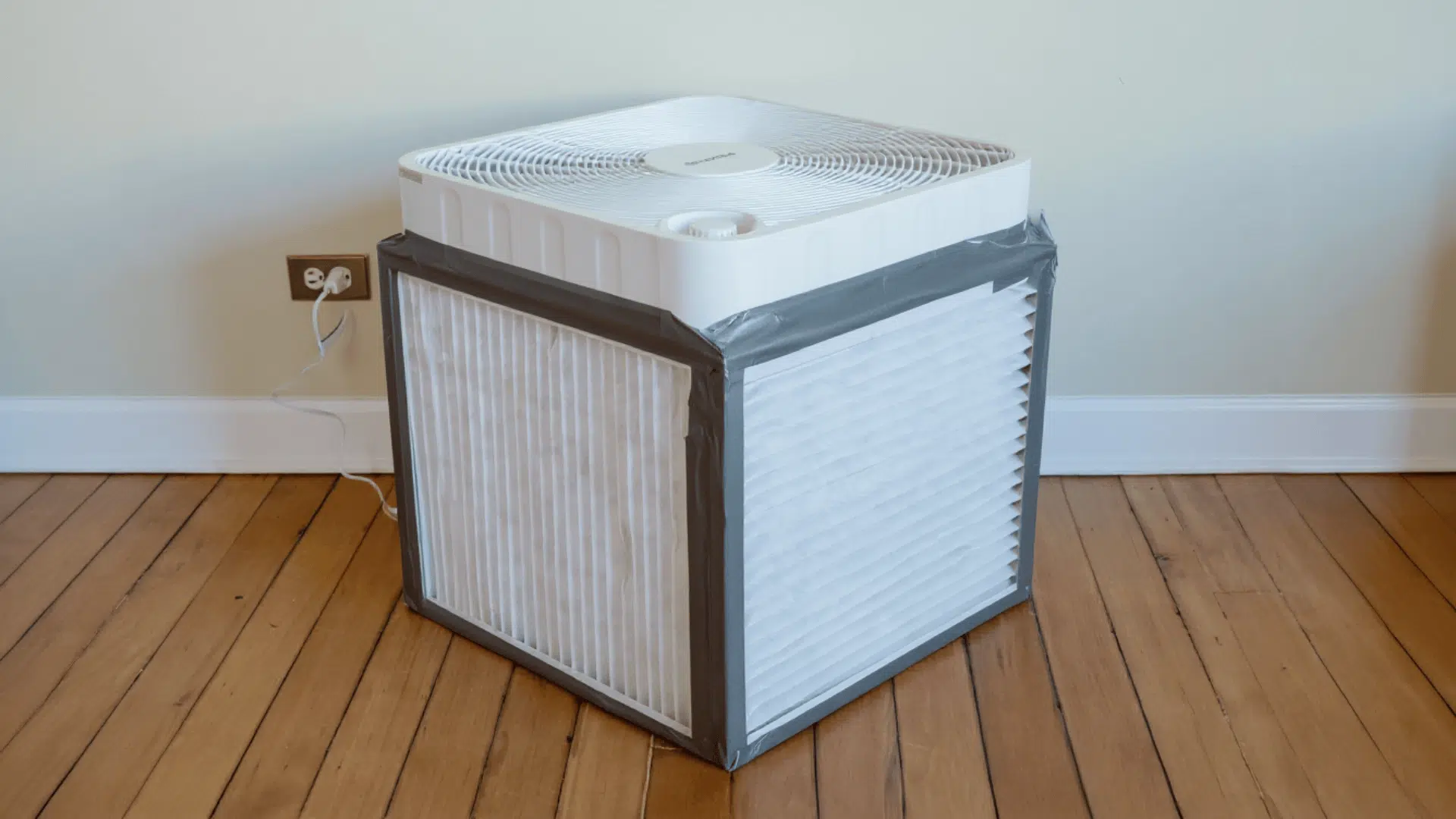
A DIY air purifier is a simple, home-assembled setup designed to help reduce airborne particles indoors.
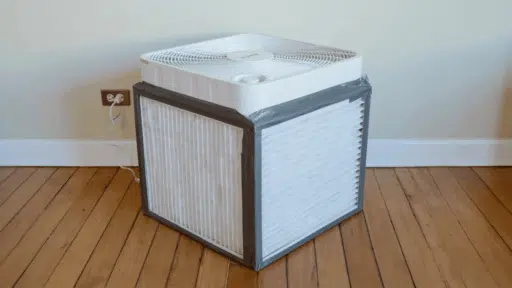
It usually combines a household fan with a high-efficiency air filter.
The goal is to improve indoor air quality using basic materials, without relying on advanced electronics or complex systems.
A DIY air purifier pulls room air through a filter and releases it back, capturing particles that can reduce dust and irritants.
This type of setup is commonly used in situations such as:
- Temporary air quality issues, like smoke or heavy dust
- Small rooms or personal spaces
- Short-term use when commercial units are unavailable
A DIY air purifier is simpler than commercial ones, lacking sensors, sealed housings, or certified ratings. Commercial models are designed for durability, quietness, and reliability, whereas DIY versions prioritize simplicity and accessibility.
How a DIY Air Purifier Works?
A DIY air purifier works by using a fan to move indoor air through a filter. As the fan runs, it pulls air from the room and forces it through the filter material.
During this process, some airborne particles are trapped, and cleaner air is released back into the space.
A standard box fan moves air but doesn’t clean it. Its role is to keep airflow steady, as slow or blocked airflow can decrease filter efficiency.
The air filter is the main working component. High-efficiency furnace filters or HEPA-style filters are designed to catch particles as air flows through their dense layers.
These filters may reduce:
- Dust
- Pollen
- Pet dander
- Larger airborne debris
DIY air purifiers are generally more effective for larger particles than very fine ones.
Performance depends on factors such as filter rating, fan speed, and how well the filter is sealed to the fan.
Materials Needed for a DIY Air Purifier
A DIY air purifier uses a small set of easily available materials. Each item plays a specific role in moving air and trapping particles.
The table below lists the required components, recommended specifications, quantities, and purpose to keep the setup simple and consistent:
| Material | Recommended Specification | Quantity | Measurement / Size | Purpose |
|---|---|---|---|---|
| Box fan | Standard household box fan | 1 | 20 × 20 inches (most common) | Pulls air through the filter |
| Air filter | High-efficiency furnace filter | 1 | Must match fan size (20 × 20 inches) | Captures dust and airborne particles |
| Filter rating | MERV 11–13 | Included with filter | — | Balances filtration and airflow |
| Tape | Duct tape or strong sealing tape | 1 roll | 1.5–2 inches wide | Secures filter to fan |
| Cardboard (optional) | Thick cardboard sheet | 1 | Slightly larger than fan | Improves airflow focus |
| Foam strips (optional) | Adhesive foam weather strips | 2–4 strips | ½–1 inch thick | Seals air gaps |
| Rubber feet or mat (optional) | Anti-slip pads or mat | 1 set | Small pads or base mat | Adds stability and reduces vibration |
Air filters are not permanent components. Knowing how often to change an air filter helps maintain airflow and prevents unnecessary stress on the fan.
💡 Tip: Using a filter that matches the fan size exactly helps reduce air leakage and improves performance. Thicker or higher-rated filters may restrict airflow, so moderate MERV ratings are usually more practical for box fan setups.
Step-by-Step DIY Air Purifier Setup
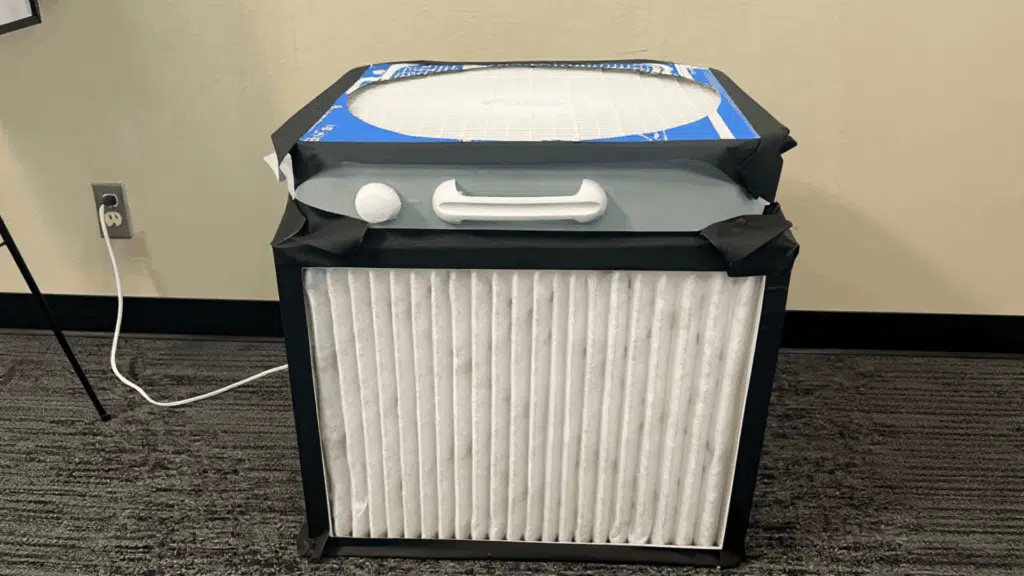
Setting up a DIY air purifier does not require technical skills or special tools. Following each step carefully helps maintain steady airflow, reduces air leakage, and improves overall performance.
The steps below explain how to prepare, secure, and position the setup for consistent use:
1. Preparing the Fan and Filter
Start by identifying the airflow direction on the box fan, usually marked with an arrow on the frame.
Place the filter so the arrow on the filter points toward the fan.
This alignment allows air to pass through the filter before entering the fan, helping trap particles instead of pushing them back into the room.
2. Securing the Filter
Attach the filter firmly to the back of the fan using strong tape or fasteners.
Seal all edges where the filter meets the fan frame to limit air gaps. Even small openings can reduce efficiency.
The attachment should feel stable without blocking the fan blades or vents, ensuring smooth airflow during operation.
3. Placement for Better Results
Place the DIY air purifier in an open area where air can circulate freely.
Keep it at least a few feet away from walls, furniture, or curtains.
Central room placement works well for general use, while positioning near pollution sources, such as windows or pet areas, can help manage specific air concerns.
💡 Tip: Running the fan on a lower or medium speed often provides steadier airflow while keeping noise levels more manageable during extended use.
Safety Tips for Using a DIY Air Purifier
Using a DIY air purifier requires basic safety awareness to reduce risks related to electricity, heat, and airflow.
Since household fans are not explicitly designed for filtration systems, following these precautions helps support safer operation.
- Keep the setup away from water, moisture, and damp areas.
- Ensure the filter is securely attached and does not touch fan blades.
- Do not block airflow on the front or back of the fan.
- Place the unit on a flat, stable surface.
- Turn off and unplug the fan before adjusting or replacing the filter.
- Regular cleaning of the air purifying filter prevents damage and airflow issues.
Final Overview
A DIY air purifier can serve as a simple support option for managing indoor air concerns using basic materials.
Airflow, filter choice, proper sealing, and safe placement all influence how well it performs.
While this setup may help reduce certain particles in smaller spaces, it also comes with clear limits related to noise, durability, and long-term use.
Commercial models remain better suited for continuous operation and certified performance. Understanding these differences helps set practical expectations and supports informed choices.
If a DIY air purifier has been part of your setup or if there is a preferred method that worked well, share your experience or favorite approach in the comments below.

James McLaren, with a rich background in architecture from the University of Manchester, has been contributing his expertise to the world of creative construction and home innovation for over 20 years. His journey began as a project manager for a leading construction firm, where he honed his skills in bringing complex designs to life. James joined our platform as a freelancer in 2019, quickly becoming a favorite for his insightful and practical advice. He has been a pivotal force to our wing ever since, bringing our readers a blend of technical know-how and creative flair. Beyond his professional life, James is an avid woodworker and enjoys restoring vintage furniture, a hobby that complements his professional insights beautifully.