
Starting a build on uneven ground or tricky soil can feel overwhelming, especially when the foundation choice sets the tone for the entire project.
A pier and beam foundation keeps the structure raised, improves airflow, and makes access below the floor much easier.
For smaller builds, this system can be planned and designed without heavy equipment or complex methods.
A concrete pier and beam foundation is often chosen for DIY projects because concrete piers provide reliable support and long-term durability.
With the right layout, materials, and design steps, a DIY pier and beam foundation can be both practical and reliable.
This guide breaks down how the system works, the key parts involved, and how to plan the design correctly.
Each section keeps the focus on clear steps that support a stable foundation built to last.
What is a Pier and Beam Foundation?
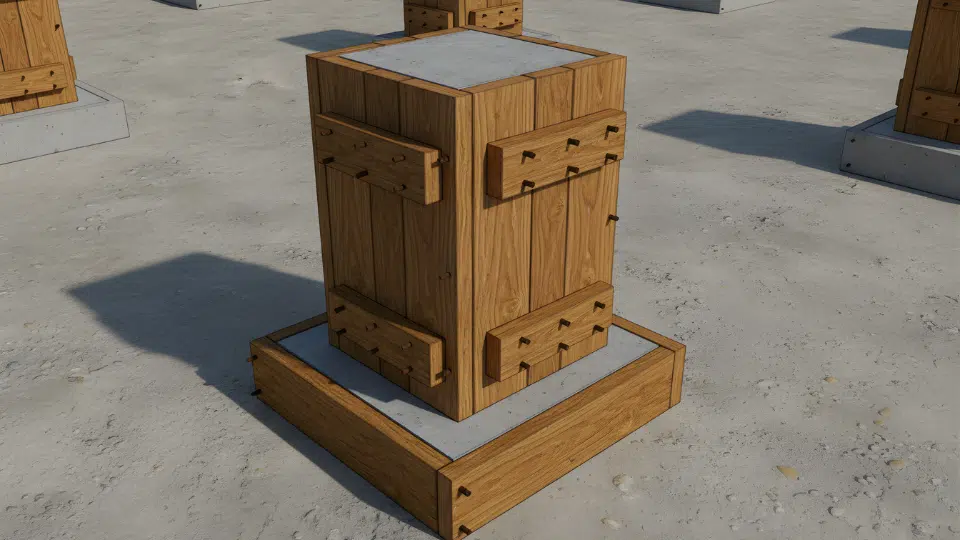
A pier and beam foundation supports a structure using a series of vertical piers anchored into the ground and horizontal beams placed on top of those piers.
The weight of the building transfers through the beams down into the piers and then into the soil below.
Unlike slab foundations, this system creates an open crawl space beneath the structure, which helps with ventilation and moisture control.
In a concrete pier and beam foundation, the vertical piers are typically poured concrete, while the beams carry the structure’s load across those supports.
Pier and beam foundations are commonly used in areas with expansive soils, flood-prone regions, or sites with uneven ground.
The design allows individual components to be adjusted or repaired without disturbing the entire foundation.
Core Components of a Pier and Beam Foundation

Every pier and beam foundation relies on a few essential structural elements.
1. Piers
Piers act as vertical supports that transfer the weight of the structure into the ground.
They are placed at planned intervals to distribute loads evenly across the foundation. Concrete, brick masonry, and steel are commonly used materials.
Concrete piers are often chosen for small to medium structures, while steel piers are better suited for heavier loads or challenging soil conditions.
Proper footing size and soil bearing capacity are critical to prevent long-term settlement.
2. Beams
Beams span horizontally across the piers and distribute the structure’s weight to the supports below.
They must be sized correctly to handle span length and load without deflection.
Wood beams are widely used in residential builds due to availability and ease of installation, while steel beams offer greater strength and moisture resistance for higher-load applications.
3. Crawl Space
The crawl space is the open area created beneath the structure by the elevated foundation.
It improves airflow, reduces ground moisture contact, and provides access to plumbing and electrical systems.
Proper ventilation in this space supports long-term foundation performance.
When a DIY Pier and Beam Foundation Makes Sense?
A DIY pier and beam foundation design is most practical for smaller structures or projects with manageable loads.
Storage sheds, cabins, workshops, decks, and small home additions are typical examples.
Sites with good soil bearing capacity and proper drainage are better suited for this foundation type.
Access to local building codes and permit requirements is also important, as foundation standards vary by region.
While larger residential builds often require engineering input, smaller projects can be designed successfully when spacing, depth, and materials are selected carefully.
Step-by-Step Design Process for a Pier and Beam Foundation
Accurate layout ensures proper load distribution before excavation begins. Design work must be completed before construction starts.
Gather these materials first:
| Component | Material | Typical Use |
|---|---|---|
| Piers | Concrete | Common choice for residential foundations |
| Piers | Steel | Heavy loads or unstable soil |
| Beams | Treated wood | Small to medium structures |
| Beams | Steel | Long spans and higher loads |
| Footings | Concrete | Base support for all piers |
| Fasteners | Anchor bolts & brackets | Securing beams to piers |
| Fasteners | Corrosion-resistant hardware | Moist or coastal areas |
Step 1: Site Planning and Layout Preparation
Site planning starts with establishing the building footprint and confirming overall dimensions.
The layout must be squared to ensure walls and beams align correctly, as errors at this stage can affect the entire structure.
Once the footprint is set, pier locations are marked along load-bearing walls and beam lines.
Consistent spacing and precise marking help ensure piers are placed where support is needed most, reducing the risk of structural imbalance later.
Step 2: Evaluating Soil and Drainage
Soil bearing capacity determines how much weight the ground can support without shifting.
Stable, well-draining soil provides better long-term performance than loose or saturated ground.
Water movement around the site should be assessed early, as poor drainage increases the risk of settlement and moisture-related damage.
Step 3: Determining Pier Count and Placement
Pier count is based on expected structural load, beam spans, and layout configuration.
Load-bearing walls require more frequent pier placement, while interior supports may be added to reduce floor span and improve rigidity.
Balanced spacing helps distribute weight evenly across the foundation.
Step 4: Planning Beam Alignment
Beams should align directly beneath walls and major framing points to transfer loads efficiently.
Center beams are often included to support interior framing and reduce deflection.
Proper alignment ensures the structure above remains level and stable over time.
DIY Pier and Beam Foundation: Safety and Code ConsiderationsFoundation work must meet safety standards and local regulations. Permits and inspections are often required for foundation construction and help verify that design and materials meet local standards. Structural requirements such as pier depth, footing size, and beam specifications are typically defined by code. Projects involving uncertain soil conditions, larger structures, or higher loads may require professional review to confirm design accuracy and compliance. |
Common Mistakes to Avoid in a DIY Pier and Beam Foundation
Most foundation problems begin with planning or layout errors that are difficult to correct later.
- Incorrect pier spacing leads to uneven load distribution.
- Using undersized piers, beams, or footings that cannot support the structure.
- Ignoring soil conditions and drainage patterns during planning.
- Setting piers above the frost line causes movement over time.
- Poor layout alignment results in unlevel floors or framing issues.
- Skipping permits or inspections required by local building codes.
- Using fasteners or connectors not rated for structural or outdoor use.
- Failing to plan for moisture control beneath the structure.
Conclusion
A DIY pier and beam foundation offers a flexible and practical solution for projects where soil conditions, drainage, or site layout make other foundation types less suitable.
With a clear understanding of how piers, beams, and crawl spaces work together, careful planning can lead to a stable and long-lasting result.
Paying close attention to layout accuracy, material selection, soil evaluation, and code requirements helps reduce costly errors later.
While this approach works best for smaller structures with manageable loads, thoughtful design remains essential at every stage.
Taking the time to plan properly sets the foundation for a structure that stays level, supported, and easier to maintain over the long term.
Share your experience, tips, or challenges in the comments below.
James McLaren, with a rich background in architecture from the University of Manchester, has been contributing his expertise to the world of creative construction and home innovation for over 20 years. His journey began as a project manager for a leading construction firm, where he honed his skills in bringing complex designs to life. James joined our platform as a freelancer in 2019, quickly becoming a favorite for his insightful and practical advice. He has been a pivotal force to our wing ever since, bringing our readers a blend of technical know-how and creative flair. Beyond his professional life, James is an avid woodworker and enjoys restoring vintage furniture, a hobby that complements his professional insights beautifully.