
Starting a vegetable garden can feel overwhelming. You don’t know which plants will actually grow.
Many beginners waste time and money on difficult vegetables. These plants need constant care and special conditions.
This guide shows you the 10 easiest vegetables to grow. You can start with a backyard, a balcony, or just a few pots.
These plants forgive mistakes. They grow quickly and produce food without demanding your full attention.
You’ll learn exactly how to plant and care for each vegetable. You’ll find out which ones work best in containers and small gardens.
You’ll know which prefers cool weather. By the end, you’ll know exactly where to start for guaranteed success.
What Makes a Vegetable Easy to Grow?
Not all vegetables require constant attention. Some are naturally stronger and adapt well to different conditions. These vegetables handle small mistakes without failing completely.
Easy-to-grow vegetables usually share several qualities. They sprout quickly, grow at a steady pace, and do not depend on perfect soil.
Many tolerate missed watering or uneven sunlight. They also resist common pests better than delicate plants. Some continue producing even after harvesting begins.
Choosing vegetables with these traits helps beginners stay motivated. Early success builds confidence and encourages continued care instead of frustration.
Easiest Vegetables to Grow for Beginners
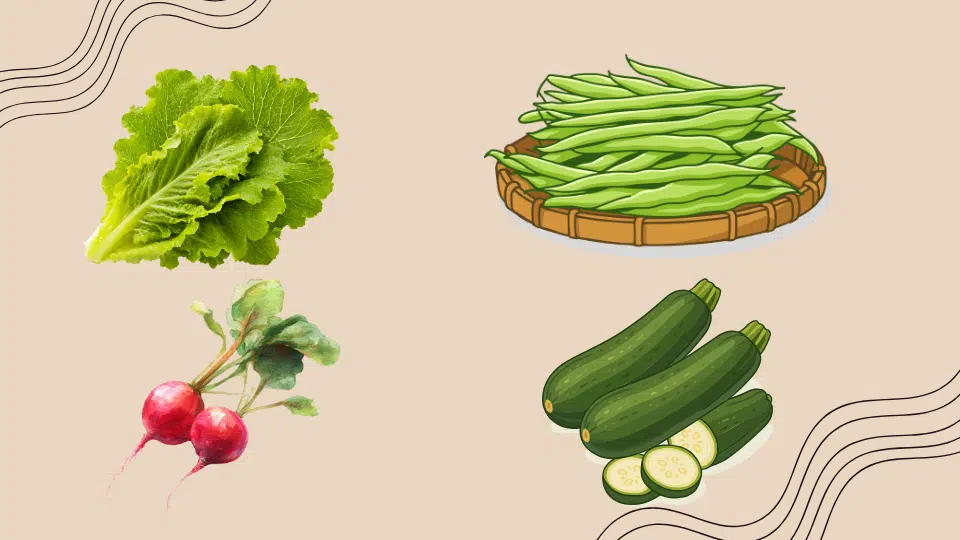
The vegetables below are known for steady growth and low effort. Each option works well for first-time gardeners.
1. Lettuce
Lettuce grows quickly and does not require deep soil. It fits well in garden beds, raised planters, and containers.
A wide varieties of lettuce allow repeated harvesting, which means the plant keeps producing after the first cut.
Lettuce prefers mild temperatures and handles partial sunlight. It grows well in early spring and fall.
How to grow lettuce:
- Get your soil ready by making it loose and easy to drain.
- Sprinkle the seeds on top, keeping them about an inch away from each other.
- Cover them with just a tiny bit of soil, like a thin blanket.
- Water gently so the seeds stay in place and don’t wash away.
- Keep watering every day or two so the soil stays a little wet.
- When the leaves get as tall as your finger, you can start picking them.
- Cut the outside leaves, but leave the middle part so more leaves can grow.
2. Radishes
Radishes are among the fastest vegetables to mature. Some varieties are ready in less than four weeks. They require little space and grow well between other plants.
Radishes help beginners see results quickly, which keeps interest high.
How to grow radishes:
- Find a sunny spot and dig down about 6 inches to make the soil soft.
- Push each seed into the soil about half an inch deep.
- Leave an inch of space between each seed.
- Give them a light drink of water right after planting.
- Water them every few days to keep the soil moist.
- After three weeks, check if they’re ready by brushing away a little soil on top.
- Pull them up when they’re about as wide as a quarter.
3. Green Beans
Green beans grow easily and produce large harvests. Bush varieties stay compact, while pole varieties grow upward with simple support.
They adapt well to different soil types and require little maintenance once established.
How to grow green beans:
- Wait for warm weather when there’s no more chance of frost.
- Make sure your soil is loose and drains water well.
- Plant each seed one inch down and leave 3-4 inches between them.
- Water them well after planting, then give them water 2-3 times a week.
- If you’re growing pole beans, put up a stick or net before they get too tall.
- Pick the beans every few days once they start growing.
- The more you pick, the more beans the plant will make.
4. Zucchini
Zucchini grows quickly and produces many fruits from a single plant. It thrives in warm weather and needs little attention once growing strong.
Regular harvesting keeps the plant productive.
How to grow zucchini:
- Pick a spot that gets lots of sunshine for most of the day.
- Mix some compost into your soil to make it rich and healthy.
- Plant 2-3 seeds together and keep each group about 3 feet apart.
- Water deeply twice a week so the water goes down into the soil.
- Once the plants look strong, you can water less often.
- Look for baby zucchinis every day after you see flowers.
- Pick them when they’re about as long as a pencil for the best taste.
Easiest Vegetables to Grow in Containers
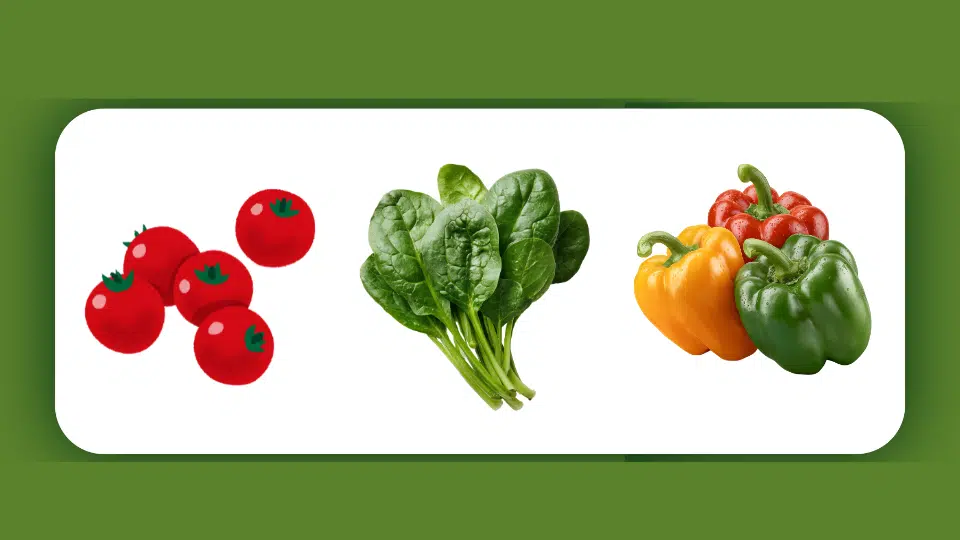
Small spaces can still support healthy vegetables. Many plants grow well in pots when given proper care.
5. Cherry Tomatoes
Cherry tomatoes are easier to manage than larger varieties. They produce steadily and adapt well to containers.
Support helps prevent stems from bending.
How to grow cherry tomatoes in a container:
- Grab a big pot that’s at least 12 inches deep with holes in the bottom.
- Fill it with good soil mixed with compost.
- Plant your tomato seedling and bury the stem up to the first leaves.
- Put the pot in the sunniest spot you can find.
- Water when the top of the soil feels dry, usually every day or two.
- Stick a pole or small cage in the pot when your plant gets about 8 inches tall.
- Pick the tomatoes when they’re bright red and a little soft to touch.
6. Spinach
Spinach grows fast and does not require much space. It prefers cooler temperatures and works well in shallow containers.
Leaves can be harvested early for tender growth.
How to grow spinach in a container:
- Use a container that’s not too deep, about 6-8 inches is perfect.
- Spread the seeds around with about 2 inches between each one.
- Cover them with just a little bit of soil and water gently.
- Put your container where it gets morning sun but shade in the afternoon.
- Check the soil every day and water when it starts to feel dry.
- You can start picking leaves when they’re about as long as your hand.
- Cut the outside leaves first, or cut the whole plant, and it will grow back.
7. Peppers
Peppers grow well in pots and offer a long harvesting season. Once established, they need little pruning or adjustment.
Warmth and sunlight help peppers thrive.
How to grow peppers in a container:
- Buy a healthy baby pepper plant from a garden store.
- Use a big container (about 5 gallons) and fill it with rich soil.
- Plant your pepper at the same level it was in the small pot.
- Find the sunniest place in your yard or balcony for your pot.
- Water when the soil feels dry a couple of inches down, about every 2-3 days.
- Add a stick next to the plant if it starts getting tall and wobbly.
- Cut the peppers off with scissors when they’re full-sized and colorful.
Easiest Vegetables to Grow in Small Gardens
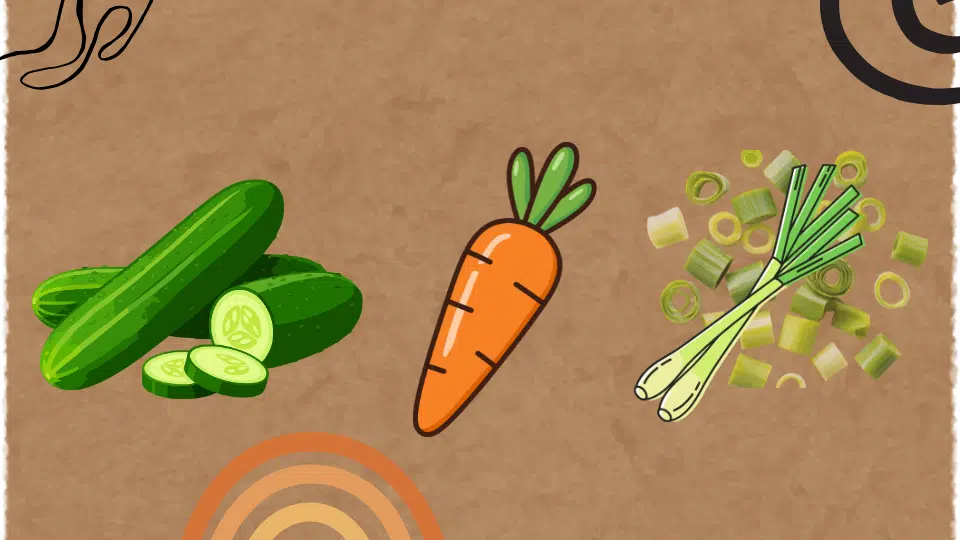
Limited garden space does not limit productivity. Some vegetables grow upward or stay compact.
8. Cucumbers
Cucumbers grow quickly and perform well with vertical support. They produce regularly during warm months.
Using a trellis saves space.
How to grow cucumbers in a garden:
- Wait until the weather is warm and the soil feels nice and toasty.
- Plant your cucumber seeds about an inch deep in the ground.
- Put up a trellis or fence right away for the vines to climb on.
- Space the seeds about 12 inches apart so they have room to spread.
- Water your cucumbers often to keep the soil moist but not soaking wet.
- Give them water every 2-3 days, especially when it’s hot outside.
- Check for cucumbers every day once they start growing.
- Pick them when they’re about 6-8 inches long and still firm.
9. Carrots
Carrots grow underground and need loose soil. Short varieties work well in containers and raised beds.
They require patience but little care.
How to grow carrots in a garden:
- Make sure your soil is loose and doesn’t have any rocks or hard chunks.
- Sprinkle the tiny carrot seeds directly on top of the soil.
- Cover them with just a tiny layer of soil, about a quarter inch.
- Keep the soil moist every single day until you see little green sprouts appear.
- Once they start growing, water every few days to keep the soil from drying out.
- When seedlings are about 2 inches tall, pull out extra ones so they’re 2-3 inches apart.
- Wait patiently for 2-3 months while they grow underground.
- Pull up a carrot to check if it’s ready when the top looks thick and orange.
10. Scallions (Green Onions)
Scallions grow quickly and take up very little space, making them ideal for small gardens.
They can be grown closely together and even regrown after harvesting, which helps extend their use. Scallions adapt well to shallow soil and do not require much care once established.
How to grow scallions in a garden:
- Get some scallion seeds or save the white root ends from store-bought ones.
- Plant them in loose soil that’s easy to work with.
- Find a spot that gets sunshine, but a little shade is okay too.
- Push seeds about half an inch into the soil or stick root ends in with roots facing down.
- Space them just an inch apart since they don’t need much room.
- Water them lightly every day or two to keep the soil a bit moist.
- You can start cutting the green tops when they’re about 6 inches tall.
- Leave the white part in the ground, and it will grow more green tops for you.
Seasonal Guide for the Easiest Vegetables to Grow
The temperature needs help deciding when to plant, rather than guessing vegetable by vegetable. This table groups vegetables by the conditions they grow best in.
| Growing Temperature | Ideal Soil Temperature | Best Time to Plant | Vegetables That Grow Well |
|---|---|---|---|
| Cool to mild conditions | 45°F to 65°F (7°C to 18°C) | Early spring or fall | Lettuce, Spinach, Radishes, Carrots |
| Warm conditions | 65°F to 85°F (18°C to 29°C) | Late spring to summer | Zucchini, Tomatoes, Green beans, Peppers, Cucumbers |
Tips for Growing Vegetables Successfully
Getting your garden to thrive doesn’t require expert skills. A few smart habits make all the difference between struggling plants and healthy harvests.
1. Start Small and Expand Later: Begin with just 3-4 vegetable types instead of planting everything at once. This keeps tasks manageable and helps you learn what works best in your space.
2. Check Soil Before Watering: Stick your finger an inch into the soil. If it feels dry, water deeply. If it’s still moist, wait another day. Overwatering causes more problems than underwatering.
3. Remove Weeds While They’re Small. Pull weeds when you spot them instead of waiting. Small weeds come out easily and don’t steal nutrients from your vegetables.
4. Feed Your Plants Monthly: Add compost or liquid fertilizer once a month during the growing season. Well-fed plants produce more and resist pests better.
5. Observe Your Garden Daily: Spend a few minutes each day looking at your plants. Early spotting of problems like wilting or pests allows quick fixes before damage spreads.
Conclusion
Growing vegetables becomes simpler when you choose the right plants from the start.
Lettuce, radishes, beans, and tomatoes forgive beginner mistakes while producing reliable harvests.
Container options like spinach and peppers work perfectly for balconies and patios.
Each successful harvest builds knowledge for the next season. Your garden doesn’t need to be large or perfect to provide fresh food.
Start with one or two easy vegetables this week. Water them consistently, give them sunlight, and watch them grow.
Before long, you’ll be enjoying homegrown produce and planning what to plant next. The skills you develop now will serve you for years to come.

With a Master’s in Landscape Architecture from the University of Virginia, Sophia Stephenson has dedicated the last 20 years to creating and maintaining vibrant outdoor spaces. Her professional journey started in landscape design, where she gained a reputation for innovative and sustainable approaches. Sophia became a part of our editorial team as a freelancer in 2019, offering a fresh perspective on outdoor living. Since 2020, she has been the chief for our outdoor design content, blending aesthetic appeal with environmental stewardship. In her leisure time, Sophia is a keen photographer, capturing the beauty of natural landscapes, a hobby that complements her professional expertise.