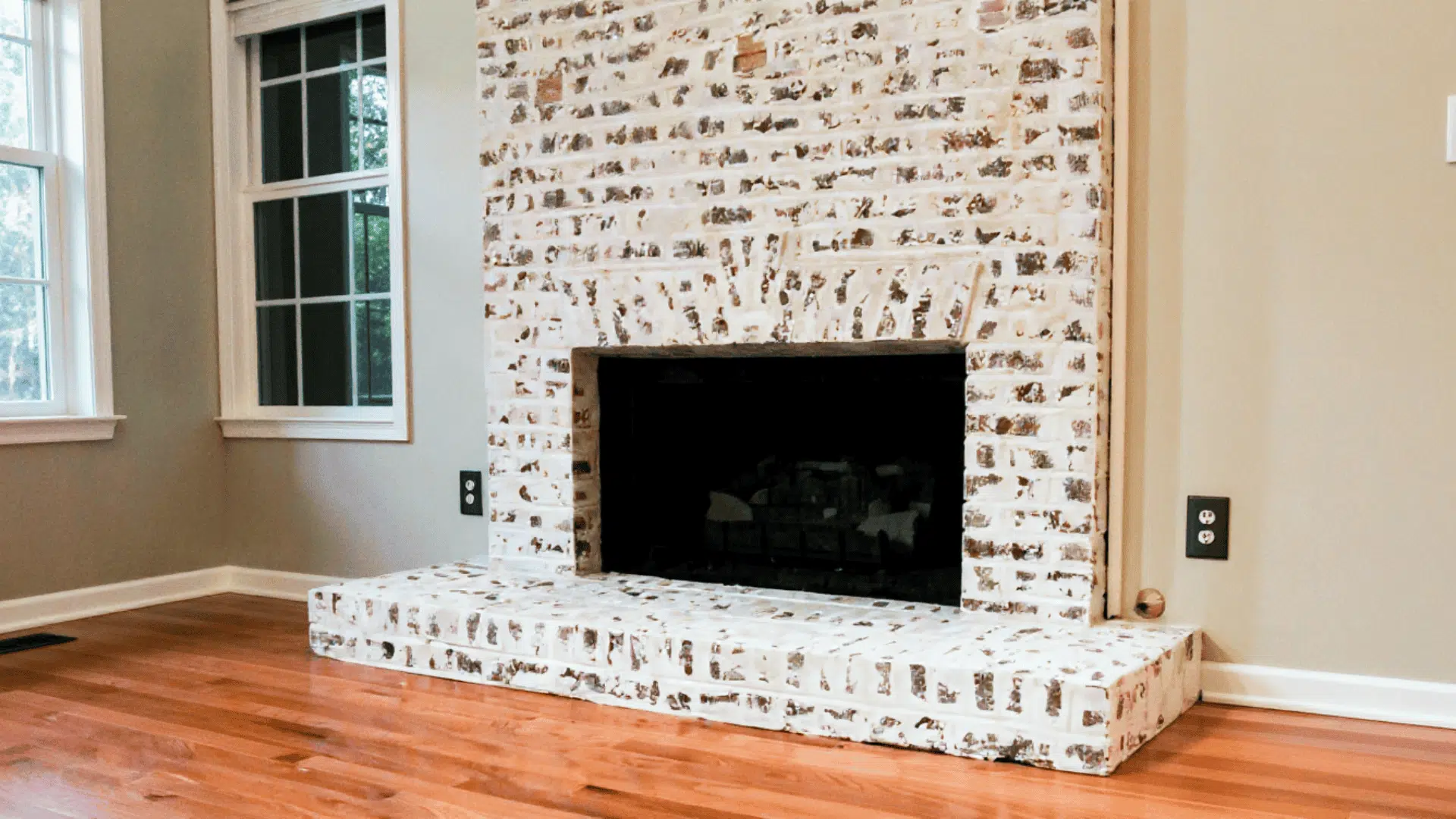

Brick fireplaces often feel too bold, too dark, or out of place as interiors change.
A German smear fireplace offers a way to soften that presence without erasing the character that brick naturally brings.
The finish feels aged, textured, and intentional, creating contrast that looks settled rather than newly applied.
Mortar, not paint, shapes the result, which gives the surface depth and permanence.
From understanding how the technique works to knowing what to expect during application, the sections ahead break down the process, benefits, common missteps, and suitable alternatives, helping set clear expectations before any decisions are made.
What Is the German Smear Technique?
The German smear technique is a brick-finishing method that uses a wet mortar mixture applied directly over the surface.
Instead of fully covering the bricks, excess mortar is partially wiped away to allow the natural texture and color to remain visible.
This creates a soft, aged look with uneven contrast rather than a solid white finish.
When used on a fireplace, the technique adds character while keeping the original brick details intact, making it a popular choice for subtle interior updates.
Planning a full fireplace update? How to Build a Fireplace Surround covers the structure and planning needed to complete the look.
How to German Schmear a Fireplace
A German smear fireplace requires patience, preparation, and careful application. The process focuses on working with mortar rather than paint, which makes the finish more permanent and textured.
Below are the key steps involved in the process, explained clearly to help set realistic expectations before starting:
Step 1: Prepare the Brick Surface

Before applying mortar, the brick surface must be clean and free from dust, soot, or loose debris.
Any residue can prevent proper bonding and lead to uneven results.
Lightly dampening the bricks helps the mortar adhere better and slows drying, giving more control during application. Skipping this step often results in patchy coverage or weak adhesion over time.
💡 Tip: Avoid soaking the bricks; a slightly damp surface works best.
Step 2: Mix the Mortar Correctly

The mortar should be mixed to a thick but workable consistency, similar to peanut butter.
A mixture that is too runny can drip and spread unevenly, while overly thick mortar becomes difficult to apply.
Consistency matters because it affects how much brick remains visible after wiping. Mixing small batches helps maintain uniform texture throughout the process.
💡 Tip: Test the mixture on a spare brick before applying it to the fireplace.
Step 3: Apply Mortar to the Brick

Mortar is spread directly onto the brick using a trowel or gloved hands, working in small sections.
The goal is not full coverage but controlled placement. After spreading, excess mortar is gently wiped away to expose portions of the brick beneath.
This step determines the final appearance, so slow, steady application is essential for balanced results.
Step 4: Allow Proper Drying and Curing

Once the application is complete, the mortar needs time to dry and cure thoroughly. Initial drying may take several hours, but complete curing can take days.
During this period, the finish hardens and settles into its final color.
Touching or adjusting the surface too soon can disturb the texture and weaken the finish.
Benefits of a German Smear Fireplace
A German smear fireplace offers visual depth and long-term value without fully covering the original brick surface.
Below are the key benefits:
- Adds Natural Texture: Creates a soft, uneven finish while keeping the brick’s original surface visible.
- Long-Lasting Finish: Mortar-based coating holds up better over time than standard paint.
- Low Ongoing Care: Once cured, the surface requires minimal cleaning or maintenance.
- Complements Multiple Styles: Works well with modern, rustic, and traditional interior settings.
- Reduces Harsh Brick Tones: Softens strong brick colors without completely masking them.
For those thinking beyond finishes and looking at fully customized options, Why a Fireplace Store Is the Ideal Choice for Custom Fireplace Designs explains how expert support and tailored designs simplify decision-making and improve long-term outcomes results.
Common Mistakes to Avoid
A German smear fireplace can turn uneven if common errors are overlooked during preparation or application. Below are mistakes to avoid:
- Skipping Surface Cleaning: Dust or soot prevents mortar from bonding evenly to the brick surface.
- Using Incorrect Mortar Consistency: Runny or overly thick mortar leads to uneven coverage and poor texture.
- Expecting Easy Removal: Once cured, the finish becomes permanent and difficult to reverse.
German Smear Fireplace vs Whitewash
A German smear fireplace and whitewash create very different results, even though both lighten brick surfaces.
| Feature | German Smear Fireplace | Whitewash |
|---|---|---|
| Material Used | Mortar mixed with water | Diluted white paint |
| Brick Visibility | Partial brick texture remains visible | Brick texture is mostly visible |
| Finish Appearance | Uneven, textured, aged look | Light, flat, washed-out look |
| Permanence | Long-lasting and difficult to reverse | Can wear off or be repainted |
| Maintenance Needs | Low upkeep after curing | May require touch-ups over time |
| Best Use Case | Permanent design update | Temporary or subtle refresh |
What is an Alternative to German Schmear?
Several alternatives can be used instead of a German smear, depending on the desired finish and level of permanence.
Whitewashing is a standard option that uses diluted paint to tone down brick color while keeping the texture visible lightly.
Limewashing offers a similar soft look with a more breathable coating.
Painting provides complete coverage for a clean, uniform appearance, while staining changes brick color without adding surface texture.
Each option varies in durability, upkeep, and visual impact, making the choice dependent on long-term goals and style preference.
Dealing with a tricky room setup?
The Awkward Living Room Layout With Corner Fireplace Layout Idea shares practical layout ideas that help make the most of challenging fireplace placements.
Conclusion
A German smear fireplace stands out for its ability to soften brick without removing its original presence.
By breaking down the technique, application process, advantages, and potential errors, the sections explain why this finish stands apart.
The comparison with whitewash clarifies why mortar-based treatments offer a more lasting result, while the alternatives section helps weigh other design options.
Together, these details create a clear picture of what to expect before committing to the process.
If a textured, aged finish with long-term value feels appealing, this approach remains a strong option.
Share your experience, preferred finish, or thoughts below.
Frequently Asked Questions
Is German Smear Expensive?
Cost depends on labor, mortar type, and fireplace size. Professional application increases expense, while smaller surfaces or partial coverage can help manage overall costs.
Is German Schmear Outdated?
The finish remains widely used because it offers a timeless, textured look that suits both modern and traditional interior styles.
Why is Lime Mortar Not Used Anymore?
Lime mortar is used less often due to longer curing times and higher maintenance compared to modern mortar mixes.

With a Master in Architectural Studies from University of Pennysylvania, Marwa Haydar has pioneered living spaces since 2005. Her expertise, initially honed in a prestigious architectural firm, is evident in her approach to creating environments. Marwa became part of our team in 2019 and has since been a driving force in our home improvement section, known for her practical yet stylish solutions. She’s been spearheading our design workshops since then, infusing her passion for teaching into her work. In her leisure time, Marwa enjoys exploring historic architecture and is an enthusiastic pottery hobbyist, further enriching her understanding of form and texture.