The Case for Terracotta: A Floor with Soul
Before we get into the glazed side of things, it’s worth appreciating what makes terracotta so beloved in the first place.
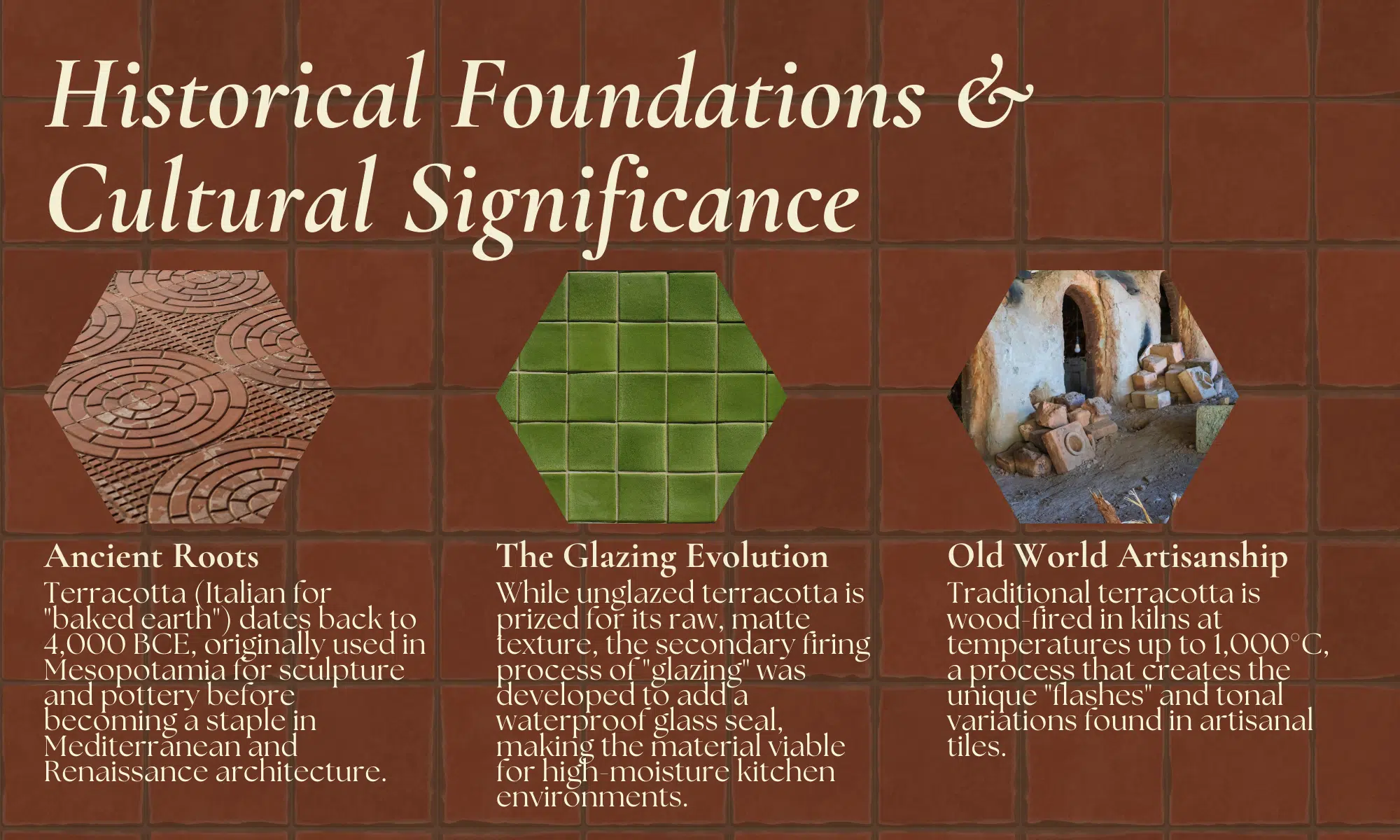
Made from natural clay and traditionally fired at low temperatures, terracotta tiles have been used in homes for centuries; and it’s not hard to see why. Their organic warmth, soft edges, and earthy tones evoke a quiet elegance that never shouts for attention but always feels inviting underfoot.
Where polished stone can feel cold and porcelain can look too uniform, terracotta brings in an element of softness and story. It’s a material that wears in, not out, developing a natural patina over time that only adds to its charm.
The introduction of glazing techniques elevated terracotta further, adding not just beauty but a layer of protection that allowed tiles to be used in wet areas and more refined spaces. The result?
A surface that tells a cultural story, rich in texture, naturally imperfect, and always tied to the rhythms of the land and its people. When you choose glazed terracotta tile for kitchen floors, you’re not just selecting a material; you’re inviting history into your home. It’s a small but meaningful way to connect to the generations of makers and dwellers who valued simplicity, beauty, and enduring design.
Why Glazed Terracotta is the Modern Upgrade\
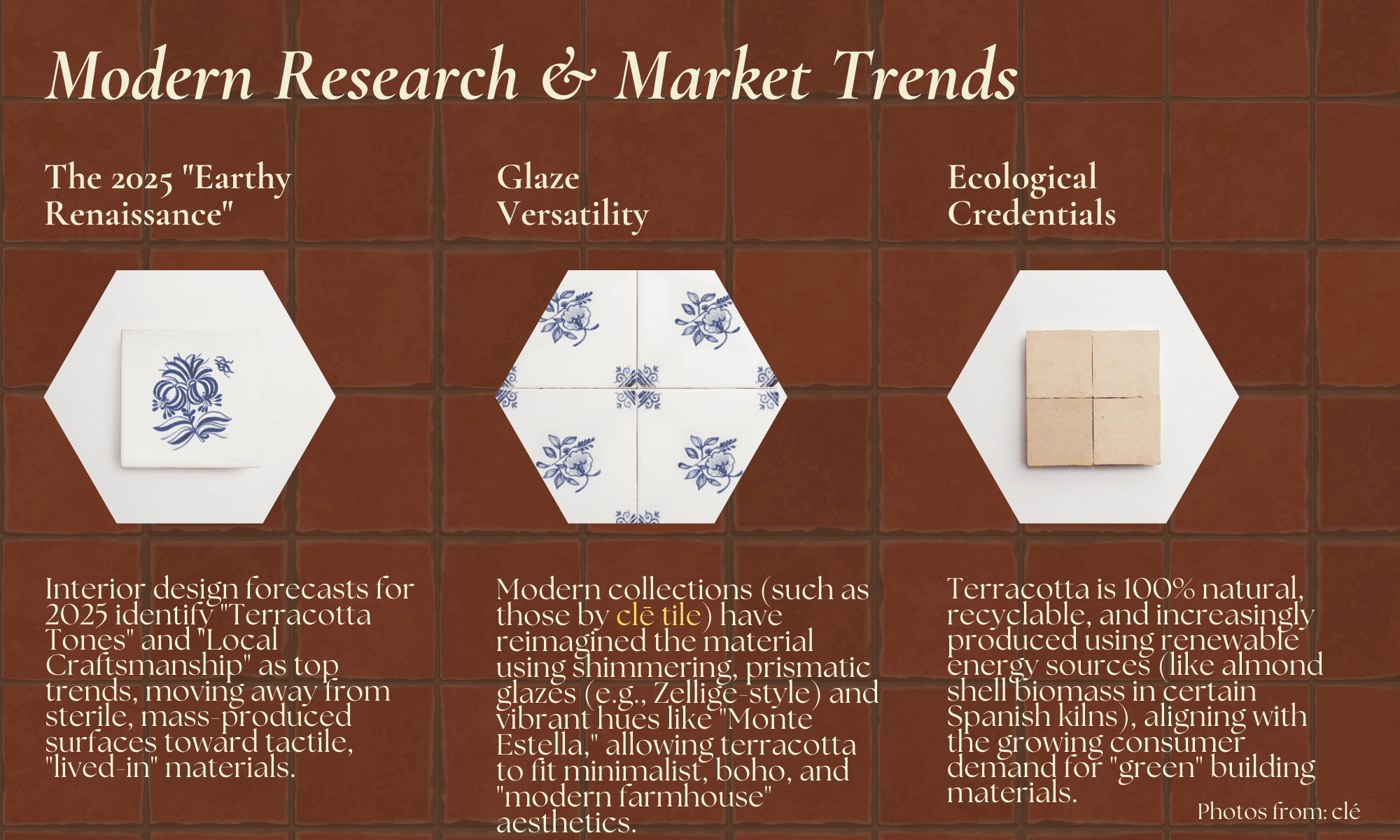
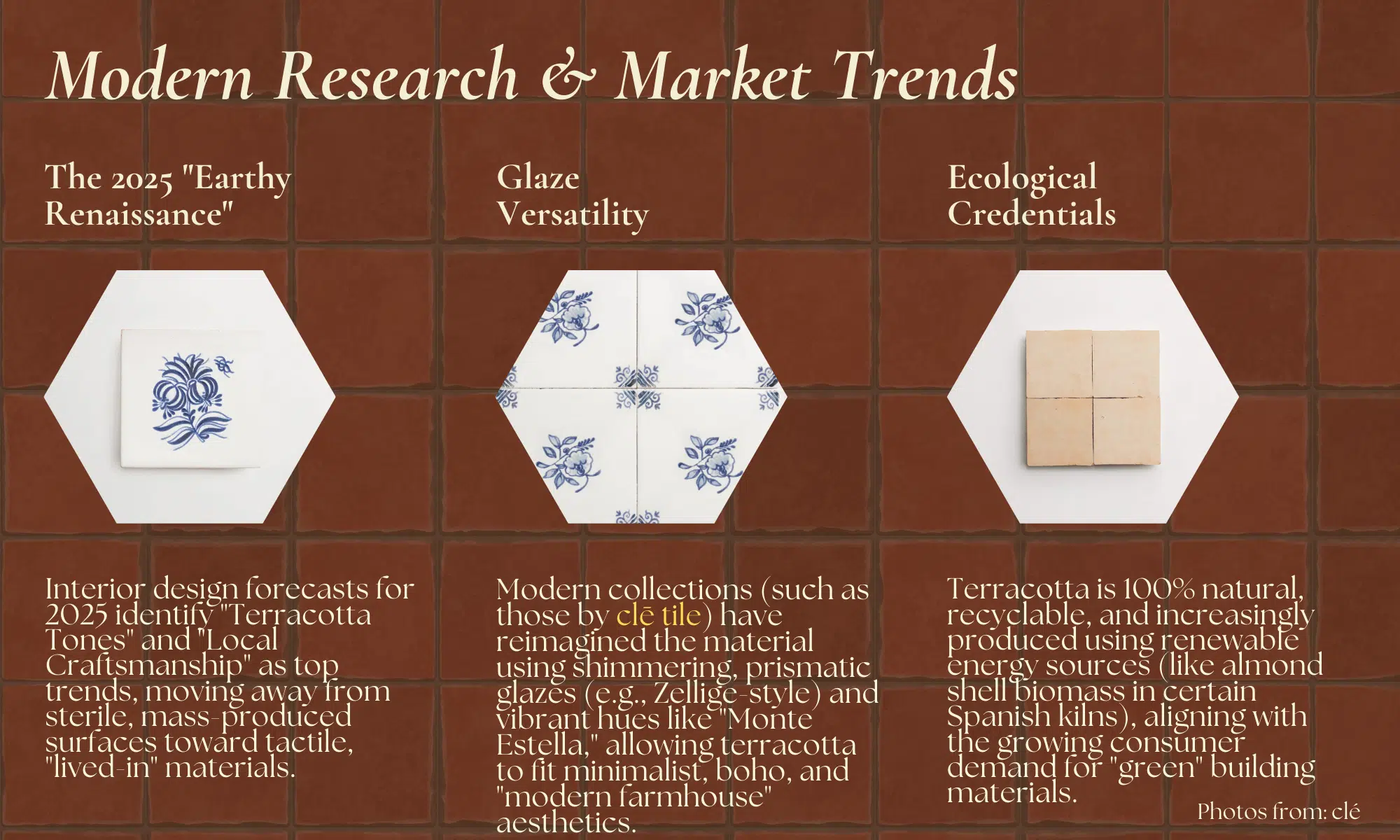
If traditional terracotta is all about rustic charm, glazed terracotta offers a more polished, design-forward take. These tiles retain all the warmth and richness of raw clay, but with a protective glaze that adds depth, color variation, and enhanced durability.
Key Benefits of Glazed Terracotta for Kitchen Floors:
- Sealed surface resists stains and spills better than unglazed clay
- Wider color palette, from warm neutrals to jewel tones
- Soft sheen or glossy finish adds light and sophistication
- Easier maintenance without sacrificing handmade character
The glaze doesn’t erase the tile’s imperfections, it celebrates them. You still get slight tonal shifts and hand-molded charm, just with a more refined edge.
Design Versatility: From Modern to Farmhouse
One of the biggest surprises about glazed terracotta tile is how adaptable it is. While it pairs beautifully with rustic woods and vintage touches, it’s just as at home in minimalist, Scandinavian, or even mid-century modern kitchens.
A few ways designers are using it:
- Laid in a herringbone pattern with white walls and matte black fixtures for a modern European vibe
- Mixed with glazed zellige tiles while installing backsplash for a textured, tonal look
- Paired with painted cabinetry in dusty blues, sage greens, or creamy neutrals for a warm, organic palette
- Used in open-plan layouts to create a natural flow between kitchen, dining, and outdoor spaces
Terracotta brings a grounded feeling to a kitchen, and when it’s glazed, it bridges the gap between old-world charm and contemporary elegance. In open-plan homes, the transition where the kitchen meets the living area is crucial. Mastering the art of mixing tile and wood flooring ensures a seamless visual flow that feels intentional rather than abrupt.How to Mix Tile and Wood Flooring for a Stylish Look – Enthralling Gumption
Color Stories: Not Just Burnt Orange
When people hear “terracotta,” they often think of that classic burnt sienna shade. But glazed terracotta tiles now come in a much broader spectrum, allowing for more playful or nuanced design choices.
Some popular options include:
- Ivory or bone glazes for a softer, sun-washed look
- Olive and sage greens for an earthy Mediterranean tone
- Slate or charcoal glazes for a dramatic, modern contrast
- Coral and blush hues that feel warm but unexpected
- Deep cobalt or teal for statement floors in otherwise neutral kitchens
Because the glaze interacts uniquely with the clay beneath, even uniform colors carry a richness and variation that adds depth without distraction.
Read more about: 17 Colors That Go With Terracotta Floor Tiles
Practicality meets beauty
It’s one thing to fall in love with a tile’s aesthetic, but in the kitchen, functionality is everything. Fortunately, glazed terracotta tile isn’t just beautiful; it’s also surprisingly practical. While the glazed surface is low-maintenance, the grout lines are often where dirt hides; utilizing effective homemade grout cleaning methods can keep the entire floor looking pristine without the need for harsh chemicals.
What Makes it Kitchen-Ready?
- Moisture resistance: The glaze acts as a natural sealant, helping repel water, oil, and food spills.
- Durability: When properly installed and maintained, terracotta can last for decades; even in high-traffic zones.
- Slip resistance: Many glazed terracotta options come in matte or low-sheen finishes that remain safe underfoot, even when wet.
- Comfort: Terracotta stays cooler in summer and, when paired with radiant heating, feels wonderfully cozy in colder months.It’s also worth noting that glazed terracotta has sustainable appeal made from natural materials, often locally sourced, and produced in small batches using traditional methods.
Installation & Care Tips
If you’re a hands-on homeowner looking to tackle the project yourself, following a step-by-step tile floor installation guide is essential to avoid common pitfalls like uneven surfaces or cracked mortar. If you’re considering future proofing your kitchen with tiles, here are a few tips to ensure you get the best performance and longevity:
- Choose a tile rated for floors; not all decorative terracotta is durable enough for heavy foot traffic
- Work with an experienced installer familiar with terracotta’s nuances (clay-based tiles can be slightly irregular)
- Use a breathable mortar and grout, especially for natural clay-based tiles
- Seal the grout to protect against stains, even if the tile itself is glazed
- Clean with pH-neutral products; no harsh acids or bleach-based cleaners needed
With the right prep and care, glazed terracotta can be as easy to maintain as any high-end porcelain tile.
Where to Source Glazed Terracotta Tile
As demand for artisanal materials grows, more boutique tile makers are offering glazed terracotta collections tailored for modern interiors.
Look for brands that emphasize:
- Small-batch production or handmade techniques
- Transparency around clay sourcing and glazing methods
- Surface ratings for slip resistance and durability
- A palette of glazes suitable for flooring, not just walls
A few trusted sources include:
- clétile – Known for their curated collections and rich glaze options
- Arto Brick – California-made tiles with a rustic-modern edge
- TerraTile – Focused on Mediterranean styles and natural materials
Always request samples and check finish types before finalizing your selection.
Final Thoughts: Rooted, Radiant, and Quietly Luxurious
Choosing glazed terracotta tile for kitchen floors is more than a style decision. It’s a statement about how you want your home to feel. It says you value warmth over trendiness, craftsmanship over perfection, and timeless materials over passing fads.
Whether you’re designing a new building or breathing life into an older home, these tiles provide a soulful foundation that will evolve with you; glowing a little more with every season, meal, and barefoot morning.
In the end, isn’t that what good design is all about?

With a Master in Architectural Studies from University of Pennysylvania, Marwa Haydar has pioneered living spaces since 2005. Her expertise, initially honed in a prestigious architectural firm, is evident in her approach to creating environments. Marwa became part of our team in 2019 and has since been a driving force in our home improvement section, known for her practical yet stylish solutions. She’s been spearheading our design workshops since then, infusing her passion for teaching into her work. In her leisure time, Marwa enjoys exploring historic architecture and is an enthusiastic pottery hobbyist, further enriching her understanding of form and texture.